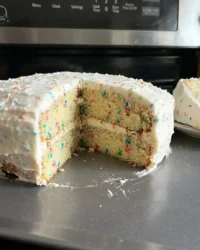
A crisp, aerated shell protecting a soft, cloud-like centre is only achievable through the specific structural discipline required for this Moist Blueberry Lemon Angel Food Cake.

Success with a Moist Blueberry Lemon Angel Food Cake requires careful attention to protein stabilization and ingredient density. This method focuses on the precise volume of the meringue to support the weight of the fresh fruit without collapse. By managing the moisture levels of the berries and the acidity of the lemon, you create a crumb that remains resilient and tender. The following technical approach allows the home baker to master the delicate balance between structural integrity and a melting mouthfeel.
Why This Moist Blueberry Lemon Angel Food Cake Works
Prep: 30 min · Serves: 12 · Difficulty: Advanced
- Structure is what makes the melt possible.
- Room temperature whites provide maximum volume.
- Triple sifting creates an ultra-fine crumb.
- Floured berries stay suspended throughout baking.
- Citrus oils provide deep aromatic complexity.
Developing a reliable angel food cake berries texture requires this specific sequence of protein manipulation and thermal control.
Precision for the sake of mouthfeel ensures every slice is consistently aerated and tender.
Get The Full Cake Recipe
Print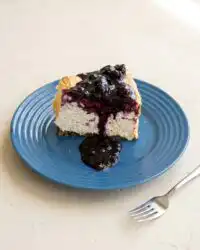
Moist Blueberry Lemon Angel Food Cake
- Total Time: 3 hours 15 mins
- Yield: 12 servings
- Diet: Vegetarian
Description
This elevated take on the classic angel food cake features a feather-light, aerated crumb infused with zesty lemon and studded with fresh, flour-dusted blueberries. Master the delicate balance of protein stabilization and gentle folding to achieve a cloud-like texture that melts in every bite.
Ingredients
- 12 large egg whites, at room temperature
- 1 1/2 cups granulated sugar, divided
- 1 cup cake flour, sifted
- 1/4 teaspoon salt
- 1 1/2 teaspoons cream of tartar
- 1 tablespoon fresh lemon zest
- 1 teaspoon pure vanilla extract
- 1 cup fresh blueberries
- 1 tablespoon cake flour (for dusting berries)
Instructions
- Stabilize egg whites. Separate the eggs while cold, then let the whites reach room temperature for 60 minutes in a clean, lipid-free bowl.
- Sift dry ingredients. Combine cake flour, half the sugar, and salt, sifting the mixture four times to ensure maximum aeration.
- Whip initial foam. Beat egg whites on medium-low until foamy, then add the cream of tartar.
- Build the meringue. Gradually add the remaining sugar and beat until the meringue forms glossy, firm peaks.
- Add aromatic flavorings. Fold in the lemon zest and vanilla extract for no more than ten seconds to maintain structural integrity.
- Incorporate dry ingredients. Gently fold in the sifted flour mixture using a large spatula until no white streaks remain.
- Coat and add berries. Toss the blueberries in a small amount of flour and gently fold them into the batter with wide, sweeping strokes.
- Bake the cake. Transfer to an ungreased 10-inch tube pan and bake at 350°F (175°C) for 35 to 45 minutes until the top is golden.
- Cool while inverted. Immediately invert the pan onto its feet or a bottle neck and allow it to cool completely for two hours before unmolding.
Notes
- Always use a digital scale to measure ingredients to ensure consistent density and structural stability.
- Ensure your mixing bowl is completely free of grease or oil residue, as even a trace amount will prevent the whites from foaming.
- Use a gentle sawing motion with a serrated knife to slice the cake to avoid compressing its delicate air cells.
- Avoid greasing the sides of the tube pan, as the batter requires the metal surface to grip and climb during the rise.
- Prep Time: 30 mins
- Cook Time: 45 mins
- Category: Dessert
- Method: Baking
- Cuisine: American
Ingredients & Their Role
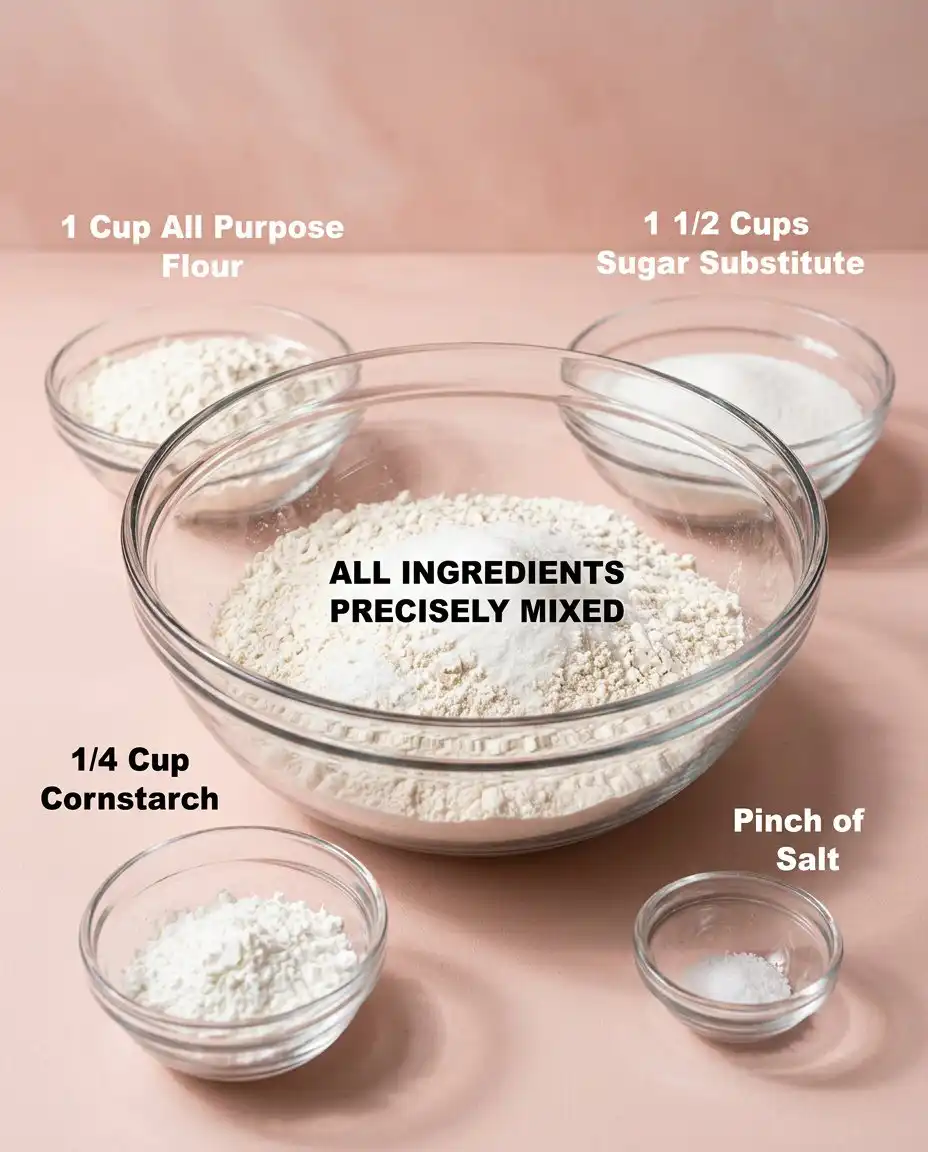
Achieving the correct density in a foam-based cake depends on the specific chemical state of your components. Every gram of sugar and every degree of temperature influences the final strength of the protein lattice.
- Egg Whites: These provide the entire structural foundation by forming a stable matrix of denatured proteins that trap air during the whipping process.
- Cake Flour: With a protein content between 7 and 9 percent, this flour guarantees a tender crumb by minimizing gluten development during the folding stage.
- Granulated Sugar: This component serves as a stabilizer for the egg white foam, increasing viscosity and preventing the proteins from over-coagulating.
- Cream of Tartar: This acidic salt lowers the pH of the whites, which helps the protein chains bond more effectively for a stronger meringue.
- Fresh Blueberries: These provide pockets of intense moisture and acidity, though they must be dry to prevent bleeding into the delicate batter.
- Lemon Zest: The flavedo of the lemon contains essential oils that provide a sharp, aromatic contrast to the sweetness of the meringue.
| Ingredient | Why It Matters |
|---|---|
| Egg Whites | Essential for leavening and structural volume |
| Cake Flour | Provides low-protein support for a delicate crumb |
| Cream of Tartar | Acidifies the whites to stabilize the foam |
| Granulated Sugar | Stabilizes protein bonds and adds sweetness |
| Fresh Blueberries | Introduces moisture and fruit acidity |
The Tested Procedure
Step 1: Thermal Stabilization of Proteins
Begin by separating the eggs while cold to prevent yolk contamination, then allow the whites to sit at room temperature for 60 minutes. Cold proteins are more cohesive and resist expansion, whereas room-temperature whites have lower surface tension, allowing for a much larger volume of air to be incorporated. Confirm that your mixing bowl is completely free of lipids, as even a microscopic trace of fat will interfere with the protein bonding process.
Step 2: Sifting for Aeration and Distribution
In a medium bowl, combine the cake flour with a portion of the granulated sugar and the salt. Sift this mixture exactly four times through a fine-mesh sieve to remove any clumps and to integrate air into the dry particles. This repetition guarantees that the flour is light enough to be folded into the meringue without causing the aerated structure to deflate under its own weight.
Step 3: Establishing the Primary Foam
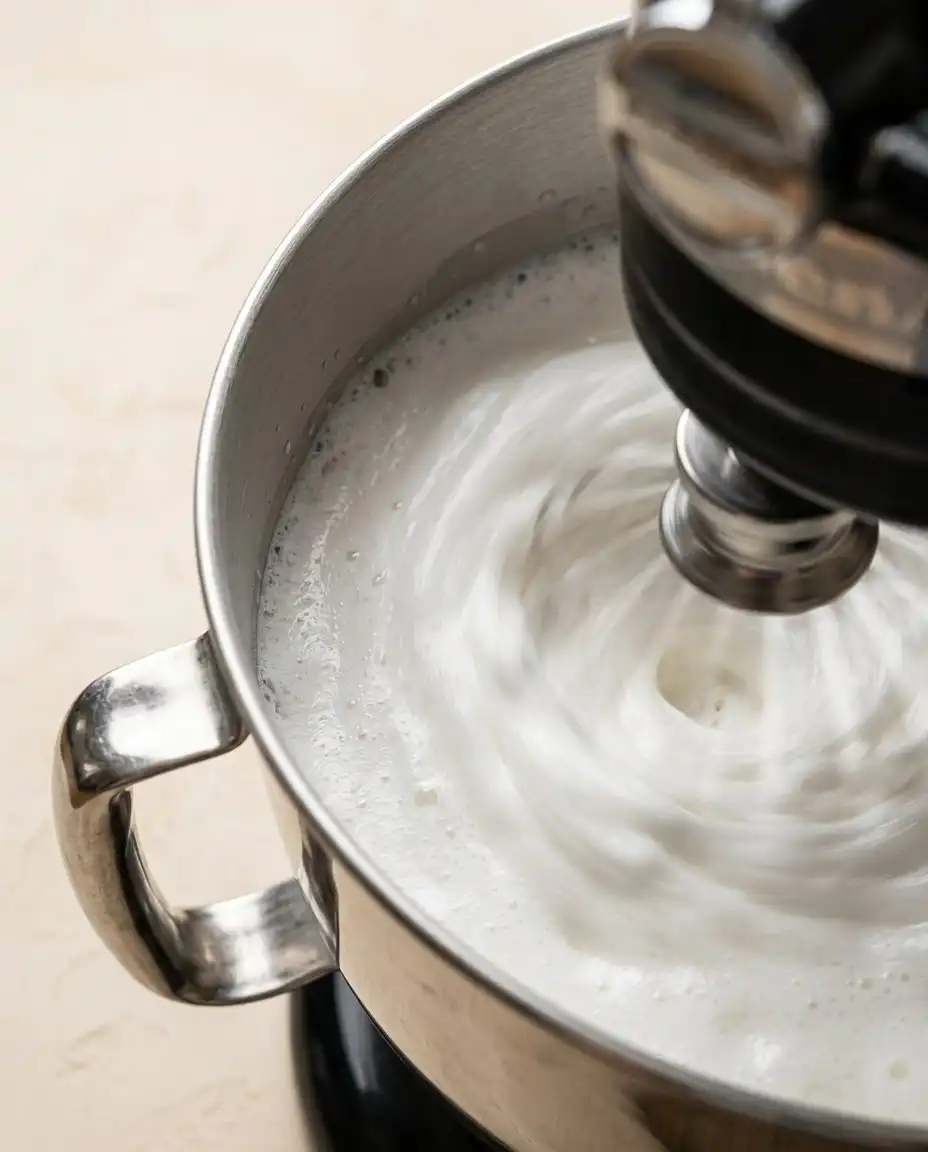
Place the whites in a stand mixer fitted with a clean whisk attachment and begin beating at a medium-low speed. This slower start allows for the creation of small, uniform air bubbles, which results in a more stable final structure than high-speed whipping. Once the surface is covered in a fine foam resembling sea froth, add the cream of tartar to adjust the pH levels of the protein solution.
Step 4: Building the Meringue Matrix
Increase the speed to medium-high and monitor the texture until the whites reach the soft-peak stage, where they curl over when the whisk is lifted. Gradually introduce the remaining sugar one tablespoon at a time, allowing 15 seconds between additions for the crystals to dissolve into the aqueous phase of the whites. Continue beating until the meringue is glossy and reaches firm peaks that stand upright without drooping.
Step 5: Incorporating the Essential Aromatics
Lower the mixer speed and add the fresh lemon zest and vanilla extract, allowing them to distribute for no more than ten seconds. Over-mixing at this stage can break the delicate protein bonds you have worked to establish, leading to a loss of volume. The lemon oils should be evenly dispersed throughout the white foam, providing a consistent scent profile without weighing down the batter.
Step 6: Folding the Moist Blueberry Lemon Angel Food Cake
Sift one-quarter of the flour mixture over the meringue and use a large silicone spatula to fold it in with a gentle, circular motion. Cut through the center of the bowl and scrape along the bottom, lifting the foam over the dry ingredients until no white streaks remain. Repeat this process until all the flour is integrated into the Moist Blueberry Lemon Angel Food Cake batter, maintaining as much air as possible.
Step 7: Managing Fruit Hydration and Suspension
Toss the dry blueberries in a small amount of flour until they are lightly coated, which creates a frictional surface that helps them cling to the batter. Gently fold the berries into the mixture with three or four wide strokes to prevent the fruit from sinking to the bottom of the pan during the initial phase of baking. The goal is an even distribution of fruit throughout the light, aerated crumb.
Step 8: The Thermal Set and Expansion
Transfer the batter into an ungreased 10-inch tube pan and smooth the top with an offset palette knife. Run a thin knife through the batter in a spiral pattern to remove any large air pockets that could create structural gaps. Bake at 350°F (175°C) for 35 to 45 minutes, or until the top is golden brown and the internal structure has set firmly enough to resist a light touch.
Step 9: Gravitational Structural Support
Remove the pan from the oven and immediately invert it onto its feet or over a stable bottle neck to cool. This step is mandatory, as the delicate protein lattice is not strong enough to support its own weight while warm; inversion allows gravity to pull the cake downward, preventing a collapse. Allow the cake to reach room temperature for at least two hours before attempting to remove it from the aluminum pan.
Pastry Bench Tips
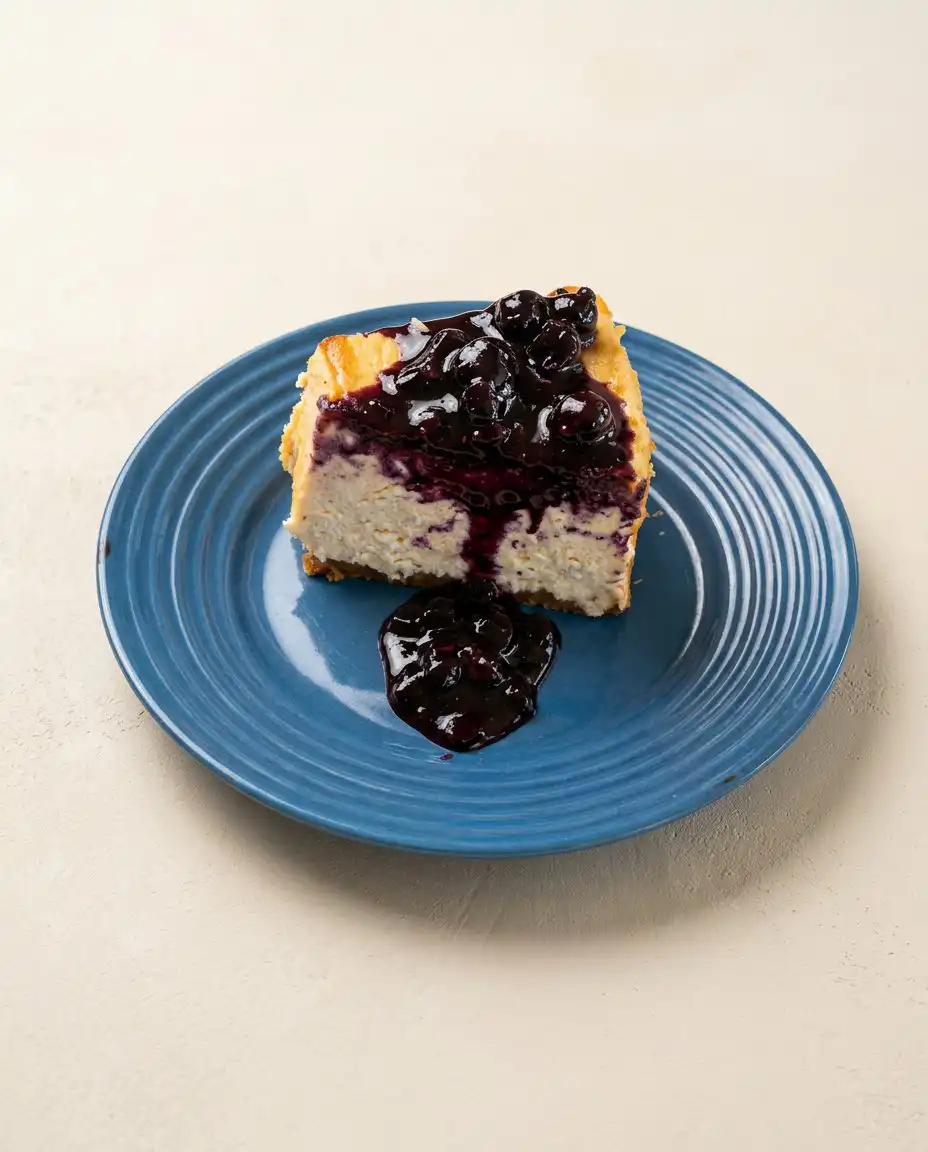
To achieve the specific internal architecture required for this bake, use a digital scale for all measurements. Volume measurements for flour and sugar can vary by up to 20 percent based on how they are packed, which alters the specific gravity of the batter and can lead to a dense, rubbery result.
Avoid using non-stick pans or greasing your aluminum tube pan, as the batter requires the friction of the metal surface to climb and hold its height. If the sides are slippery, the cake will fail to rise effectively and may slip out of the pan during the critical inversion cooling process.
If the cake collapses upon inversion, the likely cause is under-baking or a lack of structural support from the flour. Confirm that the cake is fully set by checking that the top springs back immediately; if it remains depressed, the proteins have not yet coagulated enough to hold the weight of the fruit.
Humidity can significantly impact the stability of your meringue, as sugar is hygroscopic and will absorb moisture from the air. On very humid days, you may need to increase the whipping time slightly or add an extra pinch of cream of tartar to help the protein bonds remain firm. This lemon blueberry cake guide offers further insights into managing moisture in fruit-heavy sponges.
Always use a serrated knife with a gentle sawing motion when slicing this cake to avoid crushing the air cells. A straight-edge blade will compress the crumb, destroying the light mouthfeel that characterizes a successful angel food bake.
Frequently Asked Questions
Why must the tube pan remain ungreased for this recipe?
Angel food cake relies on the physical grip of the batter against the sides of the pan to rise. If the pan is greased, the proteins cannot adhere to the metal, causing the cake to slip and lose its height. The friction of the raw aluminum is what allows the cake to climb and maintain its aerated structure.
Can I use frozen blueberries if fresh ones are not available?
Frozen berries are generally discouraged because they release excess moisture as they thaw, which can cause the surrounding batter to become soggy. If you must use them, keep them frozen until the very last second and toss them in a generous amount of flour. Be prepared for some colour bleeding that may turn the crumb grey or purple.
What is the reason for cooling the cake upside down?
The protein structure of an angel food cake is incredibly fragile until it is completely cool. By inverting the pan, you allow gravity to stretch the cake’s internal matrix rather than compressing it. If cooled upright, the weight of the cake would cause the air cells to collapse, resulting in a dense and gummy texture.
Why is cake flour preferred over all-purpose flour for this bake?
Cake flour is milled more finely and contains less protein than all-purpose flour, leading to significantly less gluten development. Lower gluten means the cake will be tender and soft rather than tough and bread-like. The lighter weight of cake flour also prevents the meringue from being weighed down during the folding process.
How do I know if I have over-whipped my egg whites?
Over-whipped whites will appear dry, grainy, and may begin to separate into clumps of protein and liquid. At this stage, the protein chains have become too tightly bonded to hold air effectively. If this happens, you must start over with fresh whites, as they will no longer fold smoothly into the flour.
How should I store the cake to keep it moist?
Store the cake at room temperature in an airtight container for up to three days to maintain its texture. Avoid refrigeration if possible, as the cold environment can cause the sugar to crystallize and dry out the crumb. For longer storage, individual slices can be wrapped in plastic and frozen for up to two months.
Considered Adjustments
For a variation that holds its shape with a different flavour profile, consider replacing the lemon zest with lime or orange zest. The acidity levels remain similar enough that the structural integrity of the meringue is not compromised, provided the weight of the zest remains constant. This technical shift is often used in a lemon pound cake 3 to create a sharper citrus profile.
If fresh blueberries are unavailable, you may use freeze-dried berries that have been crushed into a fine powder. This avoids the moisture migration issues associated with frozen fruit while still providing an intense berry flavour and a unique purple hue to the crumb. This modification is ideal for creating a stable base for more complex beach wedding cake ideas where a light sponge is preferred.
Another successful variation involves replacing the vanilla extract with a small amount of almond extract. The nuttiness of the almond complements the lemon and blueberry without interfering with the chemical balance of the egg white foam, though you must be careful not to exceed one teaspoon to avoid overpowering the delicate citrus notes.
Serving the Structure
This cake is best served at room temperature to allow the citrus oils to remain aromatic and the crumb to stay soft. For a formal presentation, place a single slice on a chilled plate and serve it alongside a spoonful of no bake lemon blueberry dessert for a contrast in temperatures. The lightness of the sponge provides an excellent foundation for more decadent toppings without becoming overly heavy.
A light dusting of confectioners’ sugar is often sufficient, though a dollop of unsweetened cream can provide a necessary fat component to balance the high sugar content of the meringue. Avoid using heavy, butter-based frostings, as they will crush the delicate air cells of the sponge. Instead, opt for fruit coulis or a thin citrus glaze that can be absorbed by the crumb without compromising the structural skin of the slice.
Final Notes
Mastering the Moist Blueberry Lemon Angel Food Cake is a hallmark of a disciplined baker. The process teaches the importance of protein management, temperature control, and the mechanical skill of folding. While the requirements for room-temperature ingredients and specific cooling methods may seem rigorous, they are the technical decisions that decide the final quality of the bake. When executed correctly, the resulting texture is a testament to the fact that structure is what makes the melt possible.
I encourage you to practice these techniques and observe how the meringue changes at each stage of the process. For more technical inspiration and serving ideas, you might enjoy this guide on angel food cake coconut whipped cream berries. Sharing your results with a community of like-minded bakers is an excellent way to refine your craft and troubleshoot future bakes.
Please share your progress and join our baking community on Pinterest, Facebook, or TikTok. We look forward to seeing your successful bakes on the bench.