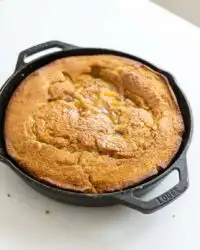
A quiet afternoon on the terrace begins where the scent of ripening peaches mingles with the steam from a fresh pot of coffee, waiting for the cake to finally yield its golden, fruit-heavy top.

The beauty of a Classic Peach Upside Down Cake lies in the way the sugar and fruit unite under the weight of a tender, buttery crumb. As the oven heat works its magic, the peach juices release into the brown sugar, creating a natural syrup that soaks back into the sponge once inverted. This specific texture is what we strive for in Mediterranean baking, where every slice feels substantial yet melts away the moment it meets the palate. You will find that the patience required during the cooling process is rewarded with a glossy, jewel-like finish that no frosting could ever replicate.
What Makes the Classic Peach Upside Down Cake Texture Sing
Prep: 20 min · Serves: 9 · Difficulty: Medium
- Tender crumb that melts slowly away
- Glossy caramelized fruit on the top
- Perfect balance of sweet summer peaches
- Simple pantry staples for total ease
- Deep golden finish from the oven
Finding the right balance in a peach cake is a matter of respecting the fruit’s natural moisture. The fork should glide through like butter with every single bite you take.
This recipe ensures a delicate crumb that holds the heavy fruit beautifully.
Get The Full Cake Recipe
Print
Classic Peach Upside Down Cake
- Total Time: 60 mins
- Yield: 9 servings
Description
This classic peach upside-down cake features a tender, buttery crumb topped with perfectly caramelized fresh peaches. It is a timeless Mediterranean-inspired dessert that balances deep fruit flavors with the subtle warmth of ground nutmeg for an elegant finish.
Ingredients
- Fresh peaches, peeled and pitted
- Light brown sugar
- Ground nutmeg
- Unsalted butter, softened
- Granulated white sugar
- Large egg
- All-purpose flour
- Baking powder
- Salt
- Whole milk
Instructions
- Prepare the foundation. Preheat the oven to 375 degrees F, place butter in an 8-inch square pan to melt, then sprinkle with light brown sugar and ground nutmeg.
- Arrange the peaches. Place peach halves cut-side down into the butter and sugar mixture, pressing them firmly against the bottom of the pan.
- Cream butter and sugar. Beat softened butter and white sugar in a large bowl using an electric mixer until the mixture is pale, fluffy, and aerated.
- Integrate egg and dry mix. Beat in the large egg until incorporated, then whisk together flour, baking powder, and salt separately before adding to the batter.
- Mix final batter. Alternate adding the dry ingredients and milk to the butter mixture, stirring until the batter is smooth, thick, and velvety.
- Bake the cake. Spread the batter evenly over the peaches and bake on the middle rack for 35 to 40 minutes until the top turns deep golden brown.
- Cool and invert. Let the cake rest for five minutes on a wire rack, then place a platter over the pan and invert it in one swift, confident motion to reveal the fruit.
Notes
- Ensure your peaches are firm rather than overly soft to prevent them from losing shape during baking.
- Use a metal pan instead of glass or ceramic to promote even heat distribution and better caramelization of the sugar.
- Always allow the cake to rest for five minutes after baking to ensure the syrup settles and the fruit releases easily from the pan.
- For a deeper flavor profile, try swapping the light brown sugar for dark brown sugar to introduce richer molasses notes.
- Prep Time: 20 mins
- Cook Time: 40 mins
- Category: Dessert
- Method: Baking
- Cuisine: Mediterranean
From the Mediterranean Pantry
The selection of ingredients for this Classic Peach Upside Down Cake focuses on high-fat dairy and seasonal fruit to achieve a superior mouthfeel. We use fresh peaches rather than canned to ensure the syrup remains thick and the fruit retains a slight bite after the bake.
- Fresh Peaches: These provide the essential juices that form the bottom syrup during the baking process.
- Light Brown Sugar: This creates the deep caramel base that coats the fruit when the pan is inverted.
- Ground Nutmeg: A small amount of this spice grounds the sweetness and adds a nostalgic, earthy aroma.
- Unsalted Butter: Using high-quality butter ensures the sponge remains moist and carries the flavor of the fruit.
- Whole Milk: The protein and fat in whole milk create a tender structure that prevents the cake from becoming crumbly.
- All-Purpose Flour: This provides the necessary backbone to support the weight of the halved peaches.
- Large Egg: A single egg binds the batter while contributing to the rich, golden hue of the final sponge.
| Ingredient | Why It Matters |
|---|---|
| Fresh Peaches | Provide natural moisture and the primary flavor profile |
| Brown Sugar | Caramelizes with butter to create the glossy top layer |
| Ground Nutmeg | Adds a warm complexity to the floral peach notes |
| Whole Milk | Softens the crumb for a melting, tender texture |
| Baking Powder | Ensures the batter rises around the fruit halves |
The Method, Step by Step

Step 1: Prepare the Caramel Foundation
Begin by preheating your oven to 375 degrees F (190 degrees C) to ensure a steady, hot environment for the sugar to melt. Place your unsalted butter directly into an 8-inch square pan and set it in the warming oven until the fat is completely liquid and shimmering. Once melted, carefully sprinkle the light brown sugar and ground nutmeg over the surface, creating a sandy, fragrant bed for the fruit.
Step 2: Arrange the Peach Halves
Peel and pit your fresh peaches, handling them with care so the flesh remains smooth and unbruised for the final presentation. Place each half cut-side down into the butter and sugar mixture, pressing slightly so they sit firmly against the bottom of the pan. The arrangement should be snug, as the fruit will shrink slightly while the heat draws out the sweet, floral juices.
Step 3: Cream the Butter and Sugar
In a separate large bowl, combine the softened butter and white sugar using an electric mixer on a medium setting. Beat the mixture until it becomes pale and fluffy, resembling a thick cloud that holds its shape when the beaters are lifted. This aeration is the secret to a cake that feels light despite the heavy, syrup-soaked topping that will eventually rest upon it.
Step 4: Incorporate the Egg and Dry Ingredients
Add the large egg to the creamed mixture, beating well until the yellow yolk is fully integrated and the batter looks glossy. In a smaller bowl, whisk together the all-purpose flour, baking powder, and salt to ensure the leavening agent is evenly distributed. This step prevents any large air pockets from forming, which could cause the sponge to collapse under the weight of the peaches.
Step 5: Mix the Final Batter
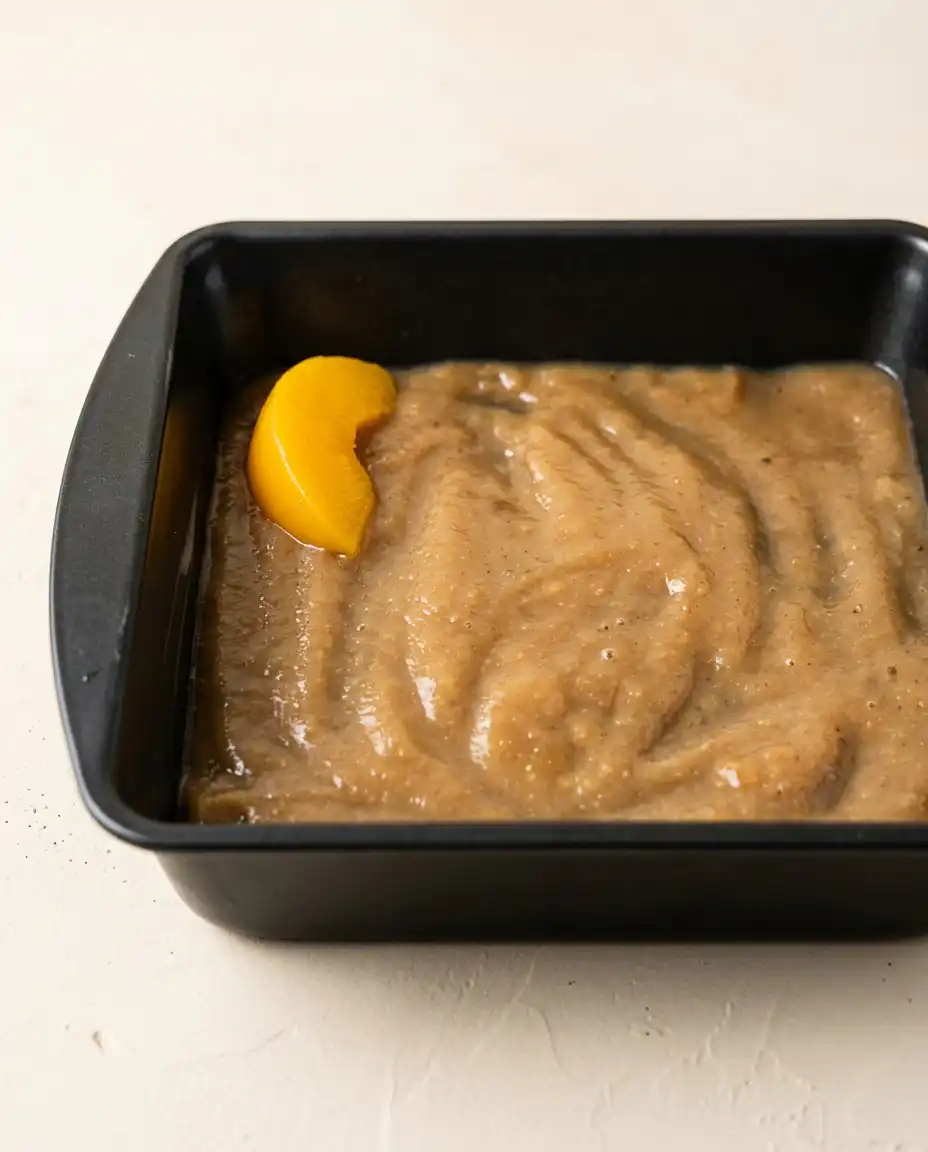
Add the dry ingredients and the milk to the butter mixture in alternating batches, beginning and ending with the flour. Stir gently after each addition until the batter is smooth and no streaks of white remain visible to the eye. You are looking for a thick, velvety consistency that will sit atop the fruit without seeping immediately to the bottom of the pan.
Step 6: Bake Your Classic Peach Upside Down Cake
Spread the prepared batter evenly over the peaches, using a spatula to smooth the top so it reaches every corner of the square pan. Place the pan on the middle rack of the oven and bake for 35 to 40 minutes until the top is a deep golden brown. The kitchen will fill with the scent of toasted sugar and warm fruit, signaling that the crumb is set and the syrup is bubbling.
Step 7: The Critical Rest and Inversion
Remove the pan from the oven and set it on a wire rack, allowing it to rest for exactly five minutes to let the syrup settle. Place a serving platter upside down over the pan, then firmly grasp both and flip them over in one swift, confident motion. Lift the pan slowly to reveal the glossy, caramelized peaches resting perfectly on the warm, tender sponge underneath.
Tips for the Perfect Soak
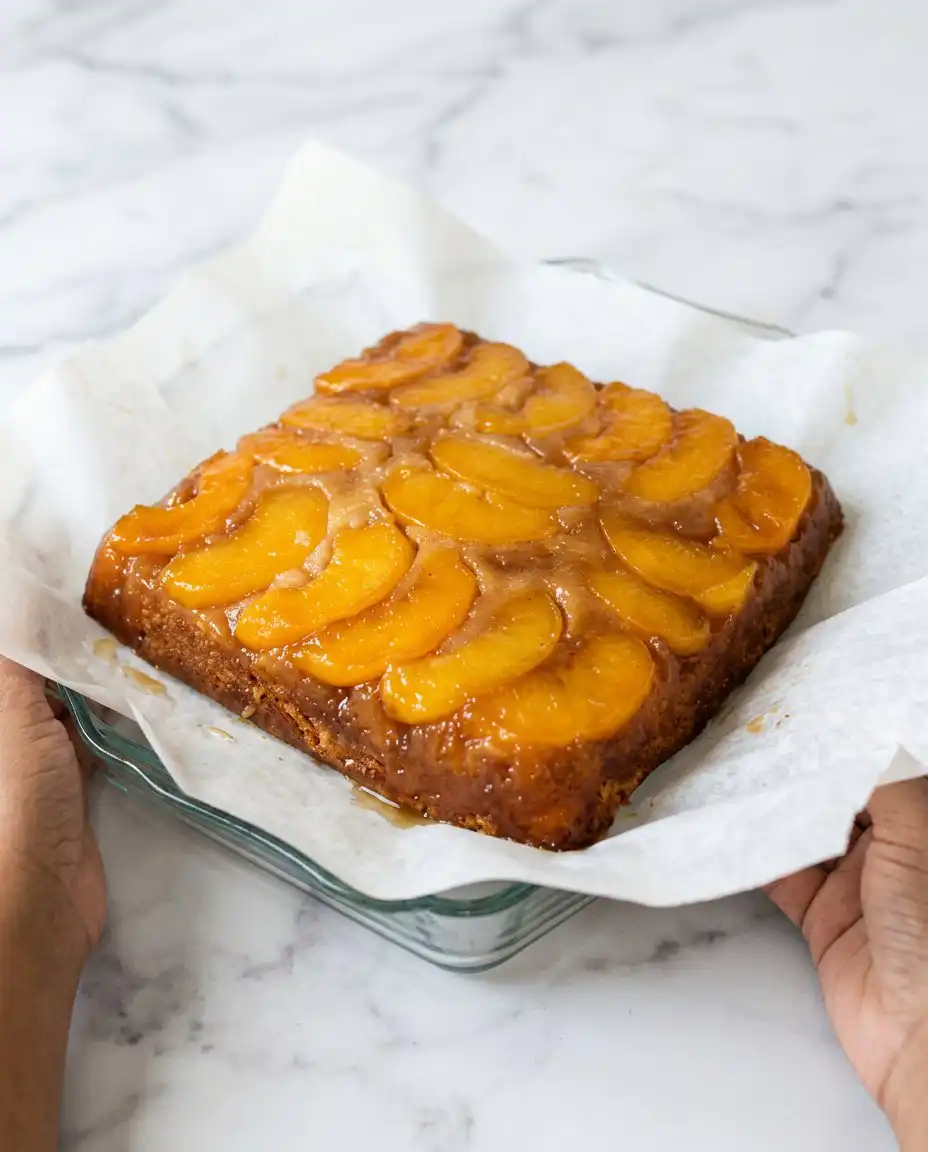
Choosing the right ripeness for your fruit is the most important factor when preparing this recipe for the first time. If you use peaches that are too soft, they will turn into a jam-like consistency and lose their shape during the long bake.
Temperature control during the creaming stage is essential for a crumb that doesn’t feel dense or heavy. Always ensure your butter is soft enough to yield to a thumb press but not so warm that it appears greasy or melted.
Patience is the secret when it comes to the inversion process, as rushing the flip can cause the fruit to stick. If the fruit sticks to the pan, here is why and how to fix it: the sugar may have cooled too much, so you should briefly warm the bottom of the pan over a low stove flame to loosen the caramel.
For those who enjoy a deeper flavor profile, consider using a dark brown sugar in the base to add notes of molasses. This creates a darker, more intense syrup that pairs beautifully with the natural acidity of the fresh peaches.
You might find more technical advice in this peach upside down cake recipe which covers different pan sizes and heat distributions. Understanding how your specific oven handles moisture will help you achieve that glossy, professional finish every time.
Always use a metal pan rather than glass or ceramic when making an upside-down dessert to ensure the sugar caramelizes evenly. Metal conducts heat more rapidly, allowing the butter and brown sugar to reach the bubbling stage at the exact moment the fruit releases its juices.
If you find your peaches are particularly juicy, you can lightly dust the cut sides with a teaspoon of cornstarch before placing them in the pan. This helps thicken the natural syrup so it clings to the cake rather than running off the sides of the serving platter.
Frequently Asked Questions
Can I use frozen peaches for this recipe?
You can use frozen peaches if fresh ones are not in season, though you must thaw and drain them thoroughly first. Excess moisture from frozen fruit can make the syrup too thin, which may cause the cake to become soggy rather than tender. Pat them dry with a paper towel before arranging them in the pan to maintain the correct consistency.
How do I prevent the cake from sticking to the pan?
The most effective way to prevent sticking is to invert the cake while it is still warm, specifically five minutes after it leaves the oven. If the sugar cools completely, it will act like a glue and hold the fruit to the metal surface. A gentle tap on the bottom of the pan before lifting can also help release the caramelized layer.
Does this cake need to be refrigerated?
Because of the high moisture content from the fruit and syrup, this cake should be stored in the refrigerator if not consumed within the first day. Wrap it tightly in plastic wrap or place it in an airtight container to keep the sponge from drying out. Cold cake can be gently reheated in a low oven to restore its melting texture before serving.
What is the best way to peel fresh peaches?
The easiest method is to blanch the peaches in boiling water for about thirty seconds and then immediately submerge them in an ice bath. The skins will loosen and can be slipped off easily with your fingers without damaging the delicate flesh underneath. This ensures the top of your cake looks smooth and glossy once it is inverted.
Can I make this cake in a round pan instead of square?
A 9-inch round pan can be substituted for the 8-inch square pan without changing the baking time significantly. Ensure the volume of the pan is similar so the batter doesn’t overflow or result in a very thin cake layer. The arrangement of the peach halves will simply follow a circular pattern rather than rows.
Why did my cake turn out dense?
A dense crumb usually occurs if the butter and sugar were not creamed long enough or if the egg was too cold when added. Ensuring all ingredients are at room temperature allows the emulsion to form properly, trapping air that expands during baking. Avoid overmixing the flour, as this develops gluten and can lead to a tough, bread-like texture.
Across the Mediterranean
While the classic version relies on the purity of the peach, you can introduce other stone fruits to create a more complex flavor. A mixture of nectarines and apricots provides a beautiful color contrast and a varying level of sweetness that keeps the palate engaged throughout the meal.
Adding a handful of crushed pistachios or slivered almonds to the brown sugar layer adds a delightful crunch to the soft, soaked fruit. This variation is common in coastal regions where nuts are a staple of the dessert table, providing an earthy balance to the high sugar content of the caramel.
For a different textural experience, you might explore the russian peach cake recipe which utilizes a lighter sponge and different stacking techniques. Each culture has a unique way of celebrating the peach harvest, and experimenting with these methods can broaden your understanding of fruit-based baking.
You can also incorporate a tablespoon of orange blossom water or rose water into the milk before mixing the batter. These floral notes are traditional in many syrup-soaked desserts and work in harmony with the nutmeg to create a sensory experience that feels like a late afternoon at a sun-soaked table.
At the Table
Serving a slice of this Classic Peach Upside Down Cake is best done while the fruit is still slightly warm from the oven. The contrast between the warm, syrupy peaches and a cold dollop of unsweetened whipped cream or a scoop of vanilla bean ice cream is a classic pairing that never fails to satisfy. The cream helps to cut through the richness of the caramel, allowing the floral notes of the peach to remain the star of the show.
In our home, we often serve this dessert alongside a small cup of bitter Turkish coffee or a strong black tea. The tannins in the tea provide a clean finish to the palate, preparing you for the next bite of the sweet, moist sponge. If you are looking for a lighter way to enjoy fruit flavors, the ina garten peach cake offers another perspective on how to present these summer gems at a gathering.
For a more formal presentation, you can garnish the platter with a few fresh mint leaves or a scatter of lemon zest to add a pop of color. The acidity from the zest brightens the deep flavors of the brown sugar and nutmeg. Always use a sharp, serrated knife to cut through the fruit layer cleanly, ensuring that each guest receives a perfect square of the golden, glossy cake.

Let It Rest, Then Slice
There is a specific joy in the moment the pan is lifted and the golden fruit is revealed in all its caramelized glory. This Classic Peach Upside Down Cake is a testament to the idea that simple ingredients, handled with care and patience, can produce a result that feels truly special. As the syrup eases into the cracks of the warm cake, you will realize that the wait was the most important part of the entire process.
I encourage you to share this cake with those you love, perhaps at a low table as the sun begins to set. If you found this method helpful, you might enjoy the no bake caramel peach upside down cake story for a different take on these flavors. The memory of a well-made dessert lingers far longer than the sweetness itself, and this recipe is designed to be remembered.
For more seasonal inspiration and baking techniques, please visit our community on Pinterest, Facebook, or Telegram. Let the cake rest and the conversation flow.