The first forkful of this golden crumb reveals a texture so tender and glossy that it seems to dissolve instantly, leaving behind the honeyed scent of sun-warmed fruit.

There is a specific kind of magic in a Southern Peach Cake, where the fruit melts into the batter until the two become one. This cake relies on the richness of sour cream and the brightness of lemon zest to balance the deep, sugary notes of the peaches. Unlike lighter sponges, this texture is dense enough to hold the fruit but tender enough that each bite feels like it is dissolving on the tongue. It is a dessert that asks you to slow down, brew a cup of tea, and appreciate the patience of a well-baked crumb.
The Heart of the Soak of Southern Peach Cake
Prep: 20 min · Serves: 12 · Difficulty: Easy
- The crumb is incredibly tender and glossy.
- Sun-ripened peaches melt directly into the batter.
- Sour cream provides a rich, tangy moisture.
- Lemon zest adds a subtle, bright citrus lift.
- A simple vanilla glaze seals the sweetness.
Let it soak and melt for the best flavor. This peach cake is exactly what summer afternoons were made for.
Get The Full Cake Recipe
Print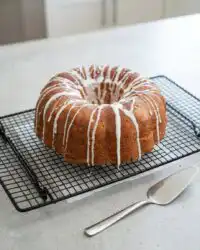
Southern Peach Cake
- Total Time: 90 mins
- Yield: 12 servings
Description
This decadent Southern Peach Cake features a tender, moist crumb infused with sun-ripened fruit and a hint of bright lemon zest. Finished with a delicate vanilla glaze, this cake is the perfect slow-baked treat for lazy summer afternoons.
Ingredients
- 2 cups unsalted butter, softened
- 2 cups granulated sugar
- 4 large room temperature eggs
- 1 cup sour cream
- 3 cups all-purpose flour, sifted
- 2 tsp baking powder
- 1/2 tsp salt
- 1.5 cups thawed peaches, slightly pureed
- 1 tbsp lemon zest
- 1.5 cups confectioners sugar
- 3 tbsp milk
- 1 tsp vanilla extract
Instructions
- Prepare oven and pan. Preheat oven to 325 degrees Fahrenheit and thoroughly grease and flour a bundt pan.
- Cream butter and sugar. Beat butter and sugar in a large bowl until the mixture is pale, light, and fluffy.
- Incorporate the eggs. Add eggs one at a time, mixing well after each addition until the batter is smooth and glossy.
- Combine dry ingredients. Whisk flour, baking powder, and salt together, then gently fold into the wet mixture until just incorporated.
- Fold in sour cream. Stir the sour cream into the batter until the consistency is uniform and rich.
- Fold in fruit. Gently fold in the lemon zest and pureed peaches, then transfer the thick batter into the prepared bundt pan.
- Bake and cool. Bake for approximately 68 to 70 minutes until a skewer comes out clean, then cool slightly before inverting onto a wire rack.
- Glaze the cake. Whisk confectioners sugar, milk, and vanilla until smooth, then drizzle over the cooled cake and let set for 20 minutes.
Notes
- Ensure all dairy and egg ingredients are at room temperature to prevent the batter from curdling during mixing.
- Measure your flour by scooping it into the cup and leveling it off rather than packing it down to maintain a tender crumb.
- Use a high-quality baking spray or homemade release paste to ensure the intricate bundt design releases cleanly from the pan.
- The cake is finished baking when it reaches an internal temperature of approximately 210 degrees Fahrenheit in its thickest section.
- Prep Time: 20 mins
- Cook Time: 70 mins
- Category: Dessert
- Method: Baking
- Cuisine: Southern
From the Mediterranean Pantry
The beauty of this recipe lies in the quality of the fats and the ripeness of the fruit. Choosing European-style butter and farm-fresh eggs creates a foundation that feels substantial yet light. The citrus zest is not a minor player but a necessary brightness that prevents the sugar from becoming overwhelming.
- Unsalted Butter: This provides the velvety mouthfeel that defines a classic Southern cake.
- Granulated Sugar: It creates the sweetness and aids in the creaming process for aeration.
- Room Temperature Eggs: These bind the batter into a stable, glossy emulsion.
- Sour Cream: The secret to a moist, heavy crumb that never feels dry.
- Sifted Flour: Sifting removes lumps and ensures the texture remains refined and even.
- Thawed Peaches: Pureeing them slightly allows the juice to perfume every single crumb.
- Lemon Zest: A whisper of citrus that cuts through the rich butter.
| Ingredient | Why It Matters |
|---|---|
| Butter | Softens the texture and adds deep flavor. |
| Sour Cream | Provides acidity for a tender, moist crumb. |
| Peaches | Infuses the cake with summer fruit aroma. |
| Lemon Zest | Balances the sugar with essential citrus oils. |
The Method, Step by Step
Step 1: Prepare the Oven and Pan
The first act is one of preparation and quiet intent. Heat your oven to 325 degrees Fahrenheit, allowing it to reach a steady, even warmth before the batter enters. Spend a few minutes thoroughly greasing and flouring your bundt pan, making certain every ridge is coated so the cake releases with ease later.
Step 2: Cream the Butter and Sugar
Place the softened butter and granulated sugar into your bowl and begin the slow process of creaming. You are looking for a transformation from yellow and heavy to pale, fluffy, and light. This step creates the tiny air pockets that will expand in the oven to give the cake its height.
Step 3: Incorporate the Eggs Slowly
Add the eggs one at a time, allowing each to be fully absorbed into the butter mixture before adding the next. This patience prevents the batter from curdling and guarantees a smooth, stable structure. The mixture should look glossy and thick, smelling faintly of vanilla as you stir it in.
Step 4: Sift and Combine Dry Ingredients
Whisk together your flour, baking powder, and salt in a separate bowl to verify even distribution. Gently fold these dry elements into your wet batter using a low speed or a steady hand. You want to see the white streaks of flour disappear into the pale gold of the butter without overworking the gluten.
Step 5: Fold in the Sour Cream
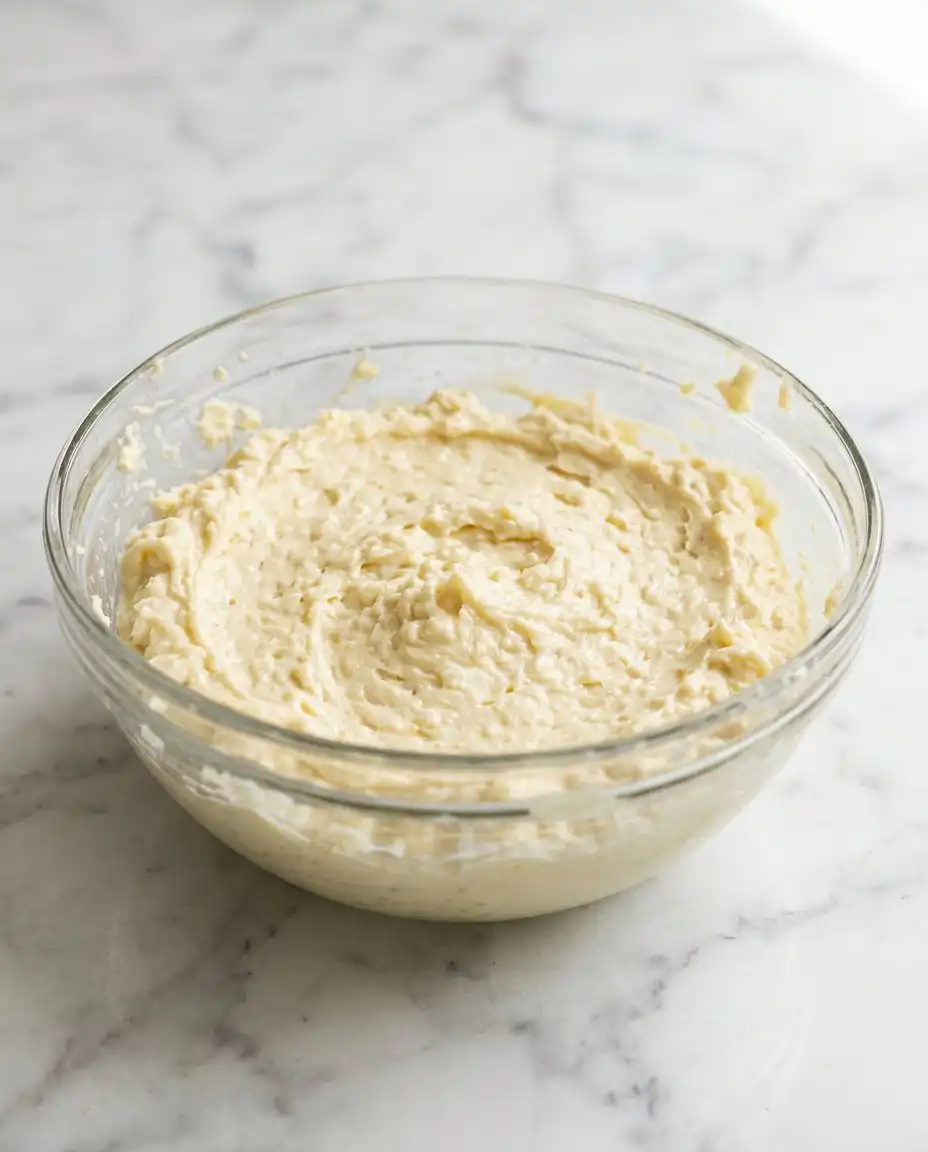
Introduce the sour cream to the batter, stirring slowly until the mixture is uniform and rich. This addition is what grants the cake its signature melt quality and a subtle tang. The batter will become heavy and luxurious, holding its shape as you lift the spatula.
Step 6: Folding the Southern Peach Cake Batter
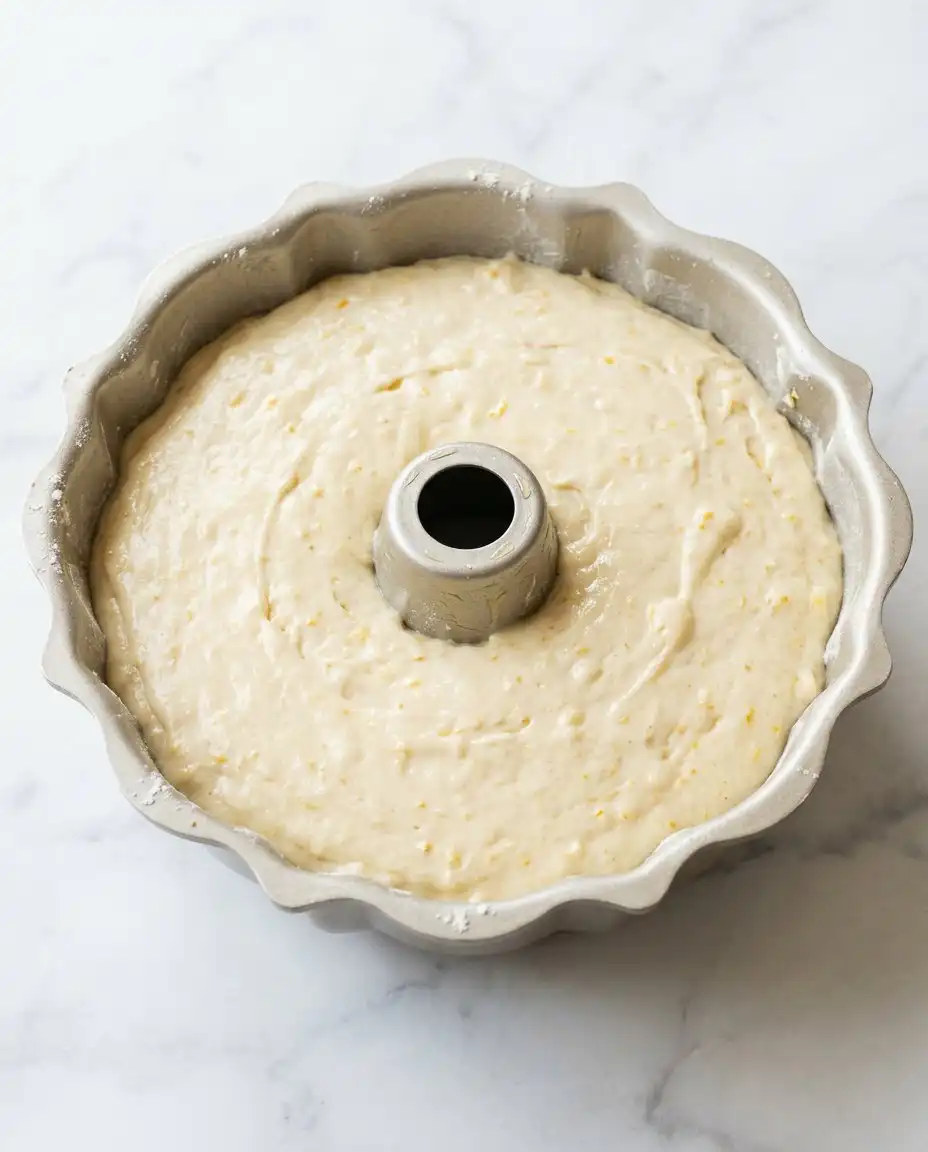
Gently fold in the lemon zest and the lightly pureed peaches, letting the fruit juices marble through the batter. The fragrance of the citrus and the sweetness of the peaches will start to fill the room as you work. Spoon the thick batter into your prepared pan, smoothing the top with the back of a spoon.
Step 7: The Slow Bake and Cool
Slide the pan into the oven and bake for roughly one hour and eight to ten minutes. You will know it is ready when a wooden skewer comes out clean and the scent of caramelized peaches reaches every corner of your home. Let the cake rest in the pan until it is just warm to the touch before carefully inverting it onto a cooling rack.
Step 8: Glaze and Rest
Whisk the confectioners sugar, milk, and vanilla until you have a thick, flowing glaze that resembles heavy cream. Drizzle this over the cooled cake, watching it ease into the curves of the bundt shape. Allow the glaze to set for at least twenty minutes so the flavors can find their balance before you take the first slice.
Patience-Pays-Off Tips

If your cake feels overly dense or heavy, it is likely that the butter and sugar were not creamed for a sufficient amount of time. Spend at least five to seven minutes on that initial step to make sure the fat is aerated enough to lift the flour. A properly creamed batter is the difference between a leaden cake and one where the fork should glide through like butter.
Always use room temperature ingredients to maintain the integrity of the emulsion. Cold eggs or cold sour cream can cause the butter to seize, resulting in a grainier texture and an uneven bake. If you forget to take them out, place the eggs in a bowl of warm water for ten minutes to take the chill off.
When pureeing your peaches, leave a few small chunks rather than turning them into a complete liquid. These little pockets of fruit will soften in the oven and create jam-like spots within the crumb. You can learn more about fruit placement in this peach upside down cake recipe which handles texture in a similar way.
To guarantee a clean release from the pan, use a high-quality baking spray or a paste made of equal parts melted butter, oil, and flour. Apply it with a pastry brush to get into every nook of the bundt design. If the cake sticks, place a warm, damp towel over the bottom of the inverted pan for a few minutes to help steam it loose.
Measuring flour by volume often leads to packing it too tightly, which results in a dry cake. Always fluff the flour with a spoon, scoop it into the measuring cup, and level it off with a knife. For even better results, use a kitchen scale to verify you have exactly the right amount of dry ingredients.
Check the internal temperature of the cake if you are unsure about its doneness. It should reach approximately 210 degrees Fahrenheit in the thickest part of the ring. This is more reliable than a timer, especially since different ovens and pans distribute heat with varying intensity.
For a deeper understanding of Southern baking traditions, you might find this guide on how to bake a perfect southern peach pound cake helpful for mastering the density. This resource explains the importance of slow baking for heavy, fruit-filled batters.
Frequently Asked Questions
Can I use fresh peaches instead of frozen?
You can certainly use fresh peaches, provided they are very ripe and soft. Peel them and remove the pits before pureeing them slightly to match the consistency of the thawed frozen version. If the fresh fruit is too firm, the moisture balance in the batter will be off, resulting in a drier cake.
How do I prevent the fruit from sinking to the bottom?
This batter is thick enough to hold the fruit in place, but a light toss in flour can provide extra security. Before folding the pureed peaches into the batter, mix them with a tablespoon of the flour from the recipe. This coating helps the fruit grip the crumb as it bakes and rises.
What is the best way to store leftovers?
Store any remaining slices in an airtight container at room temperature for up to three days. For longer storage, you can keep the cake in the refrigerator for a week, though it is best served at room temperature to maintain the melting texture. Wrap it tightly in plastic wrap to prevent the crumb from drying out.
Can I substitute the sour cream with yogurt?
Full-fat Greek yogurt is an excellent substitute for sour cream and provides a similar tang and moisture. Avoid using low-fat or watery yogurts, as the fat content is necessary for the velvety mouthfeel. The acidity in the yogurt helps tenderize the gluten, keeping the cake soft.
Why did my cake stick to the Bundt pan?
Sticking usually happens if the pan wasn’t greased thoroughly or if the cake was removed while it was still too hot. Make sure to get into every crevice with your grease and flour. Letting the cake rest for exactly 10-15 minutes allows the structure to firm up slightly while the steam helps release it from the metal.
Can this cake be frozen for later use?
Yes, this cake freezes beautifully if wrapped properly in layers of plastic wrap and aluminum foil. It will stay fresh for up to three months in the freezer. Thaw it slowly at room temperature before adding the glaze to ensure the texture remains moist and glossy.
Make It Yours
Across the Mediterranean, we often add a touch of spice to our fruit cakes to deepen the seasonal feel. Consider folding in half a teaspoon of ground cardamom or ginger along with the lemon zest to create a more aromatic profile. The warmth of the spice complements the honey-like sweetness of the peaches beautifully.
If you prefer a nutty finish, replace half a cup of the all-purpose flour with finely ground almond flour. This swap creates a more tender, crumbly texture and a delicate almond scent that pairs perfectly with stone fruit. You can see how this affects the crumb by looking at a russian peach cake recipe which often uses nut flours for depth.
For those who enjoy a sharper citrus note, replace the lemon zest with orange zest and add a splash of orange blossom water to the glaze. This variation leans into the sun-soaked flavors of the Mediterranean coast, providing a floral finish that lingers on the palate. The orange oils react with the peach sugars to create a remarkably bright and fragrant dessert.
At the Table
Serving the soaked slice is a ritual that should never be hurried. Arrange a thick wedge on a plate and let it sit for a few minutes to reach room temperature if it has been chilled. The flavors are most expressive when the butter in the crumb is soft and yielding.
I recommend a small cup of Turkish coffee or a dark roast beside a square of this sticky cake. The bitterness of the coffee provides a necessary contrast to the sugary glaze and the deep fruit notes. If you want something more decadent, a scoop of vanilla bean ice cream or a dollop of whipped cream is the traditional choice for a peach cobbler pound cake and works just as well here.
For a summer gathering, garnish the platter with fresh peach slices and a few mint leaves for a touch of green. The sight of the golden cake under the late afternoon sun creates a centerpiece that invites everyone to linger. It is the kind of dessert that encourages long conversations at the table long after the last bite is gone.

A Quiet Last Note
Patience is the secret to a cake that truly melts. By allowing the peaches to integrate and the glaze to set, you create a dessert that honors the slow pace of Mediterranean baking. This recipe has been a staple in my kitchen for years, and I hope it finds a permanent place in yours as well.
If you find yourself craving more fruit-forward desserts, you might also enjoy the elegance of an ina garten peach cake for your next brunch. Every time you bake, remember that the wait is just as important as the ingredients themselves. Let the cake rest, let the flavors find their home, and then enjoy the first quiet slice.
Please share your baking results with us on our social channels and let us know how your soak turned out.