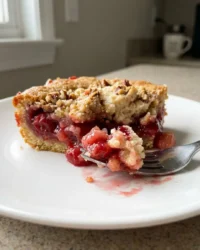
Thirty seconds decides everything when integrating the dry components into this Sour Cream Peach Coffee Cake to ensure the gluten remains undeveloped for a tender crumb.

The structural skin of the brown sugar crust provides the necessary resistance to the moisture released by the stone fruit. Precision in the ratio of fats to flour results in a cake that holds its shape while offering a soft, yielding interior. The crisp shell protects the creamy interior and creates a contrast that defines professional pastry work.
Why Precision Pays Off for Sour Cream Peach Coffee Cake
Prep: 10 min · Serves: 12 · Difficulty: Medium
- Technical balance creates a tender crumb
- Structural crust protects the moist interior
- Sour cream provides perfect acidity levels
- Measured weights ensure consistent bake results
- Fruit hydration is controlled through swirling
Developing a reliable peach coffee cake recipe requires understanding how the moisture of the fruit interacts with the starch of the crumb. Structure is what makes the melt possible.
Get The Full Cake Recipe
Print
Sour Cream Peach Coffee Cake
- Total Time: 80 mins
- Yield: 12 servings
- Diet: Vegetarian
Description
This professional-grade coffee cake balances a tender, sour cream-enriched crumb with a spiced, sugar-crusted stone fruit filling. The recipe emphasizes precise mixing techniques and temperature control to achieve a perfect structural harmony between soft cake and juicy peaches.
Ingredients
- 2 large eggs
- 1 cup buttermilk
- 1/2 cup vegetable oil
- 1 cup sour cream
- 200 grams granulated sugar
- 375 grams all-purpose flour
- 1 teaspoon baking powder
- 1/2 teaspoon salt
- 1 teaspoon baking soda
- 2 cups fresh peaches, chopped
- 2 tablespoons melted butter
- 1/2 cup dark brown sugar
- 1 teaspoon cinnamon
- 32 grams all-purpose flour (for filling)
- 1/2 cup powdered sugar
- 1 tablespoon heavy cream
- 1/2 teaspoon vanilla extract
Instructions
- Prepare the pan. Preheat your oven to 175 degrees Celsius and coat a 9-inch springform pan with cooking spray.
- Create the emulsion. Beat eggs, buttermilk, vegetable oil, and sour cream in a stand mixer on medium speed.
- Incorporate sweetener. Add granulated sugar and mix until fully dissolved and the mixture appears pale.
- Mix dry components. Whisk 375 grams of flour, baking powder, salt, and baking soda in a separate bowl.
- Fold the batter. Combine dry ingredients into the wet mixture, mixing for less than thirty seconds to avoid overdeveloping gluten.
- Prepare fruit filling. Mix chopped peaches, melted butter, dark brown sugar, cinnamon, and 32 grams of flour in a small bowl.
- Swirl the batter. Pour base batter into the pan, distribute peach mixture on top, and create gentle swirls with an offset knife.
- Bake the cake. Bake for 70 minutes or until a probe thermometer in the center reads 95 degrees Celsius.
- Cool the cake. Allow the cake to cool completely in the springform pan to ensure proper structural setting.
- Apply the glaze. Whisk powdered sugar, softened butter, heavy cream, and vanilla, then drizzle over the cooled cake.
Notes
- Use room temperature dairy products to ensure a stable emulsion and prevent the batter from breaking.
- Always weigh flour using a digital scale to avoid the density issues common with cup-based measurements.
- Tent the cake with foil during the final stages of baking if the crust browns faster than the center sets.
- Wait until the cake is completely cool before releasing the springform sides to prevent structural tearing.
- Prep Time: 10 mins
- Cook Time: 70 mins
- Category: Dessert
- Method: Baking
- Cuisine: American
The Working Components
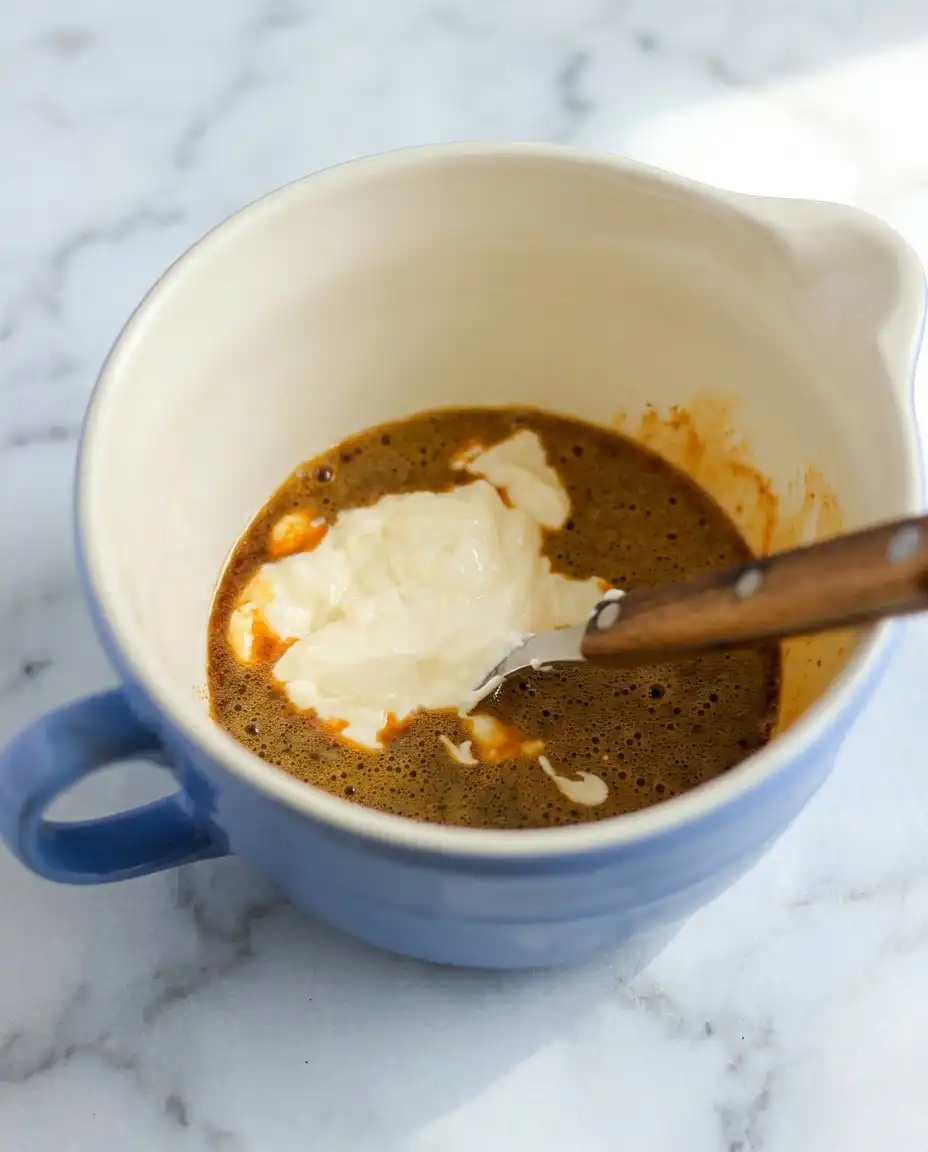
Success in this bake relies on the specific chemical interactions between the acidic dairy and the leavening agents. Every gram contributes to the final structural integrity and mouthfeel of the cake.
- Sour Cream: This provides fat for tenderness and acidity to activate the baking soda for a soft crumb.
- Buttermilk: The liquid component contributes to the hydration of the flour and the overall protein structure.
- Fresh Peaches: Use medium-firm fruit to prevent the release of excess water during the 70-minute baking cycle.
- Vegetable Oil: Unlike butter, oil remains liquid at room temperature, ensuring the cake feels moist for days.
- Dark Brown Sugar: The molasses content adds deep flavor and helps create a soft, tacky texture in the filling.
- Baking Soda: This alkaline agent reacts with the buttermilk and sour cream to produce carbon dioxide for lift.
| Ingredient | Why It Matters |
|---|---|
| Sour Cream | Fat content prevents gluten toughness |
| Baking Soda | Neutralizes acid to create lift |
| Fresh Peaches | Provides natural moisture and flavor |
| Vegetable Oil | Ensures a consistent, soft crumb |
| All-Purpose Flour | The structural base for the fruit |
The Tested Procedure
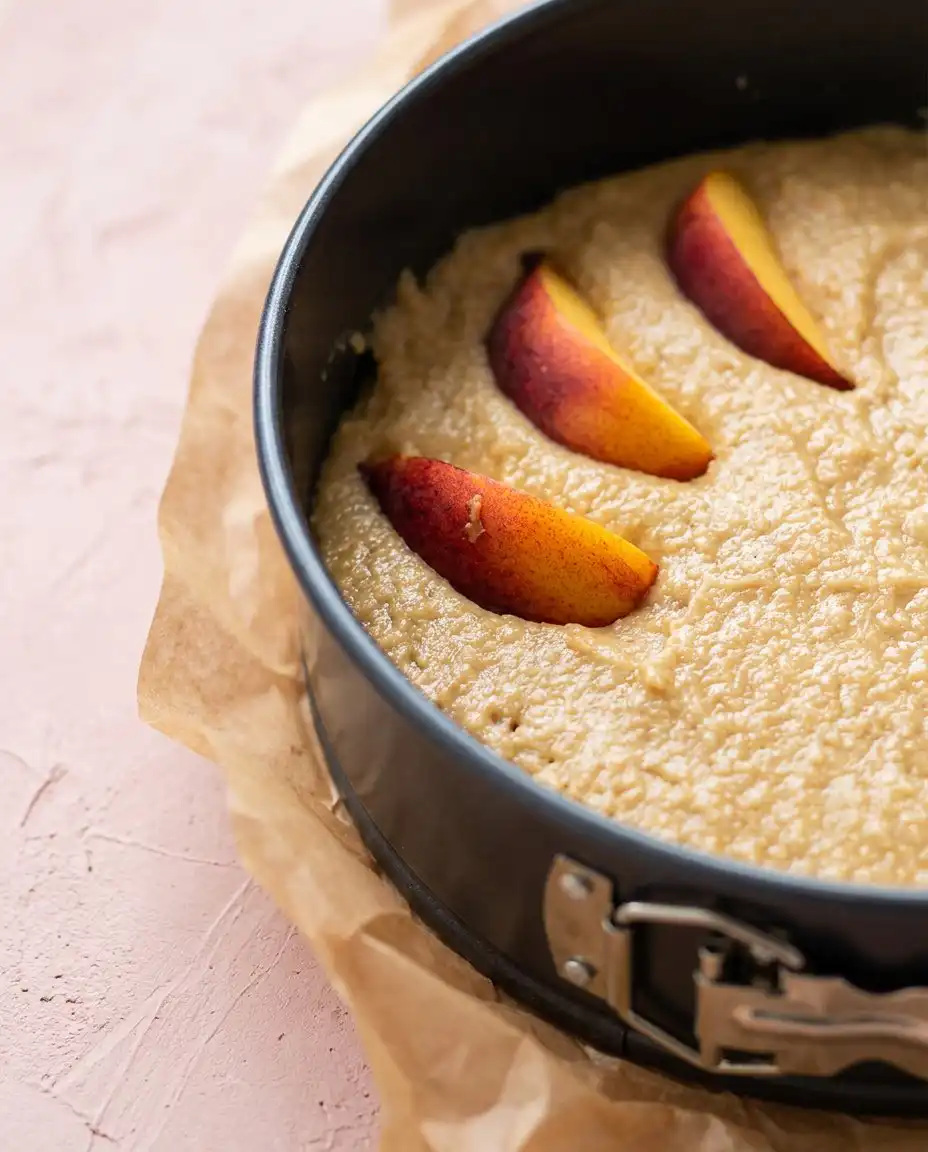
Step 1: Preparing the Structural Foundation
Begin by preparing a 9-inch springform pan with a coating of cooking spray to ensure the delicate sides do not tear upon removal. Preheat the oven to 175 degrees Celsius (350 Fahrenheit) to ensure the thermal energy is ready to activate the leavening agents immediately upon entry.
Step 2: Creating the Liquid Emulsion
In the bowl of a stand mixer, beat two large eggs on medium speed while gradually introducing the buttermilk, vegetable oil, and sour cream. This process creates an emulsion, which is the stable suspension of fat in water, necessary for a uniform crumb structure throughout the bake.
Step 3: Integrating the Sweetener
Add 200 grams of granulated sugar to the liquid mixture and continue to beat until the granules are fully dissolved and the mixture appears light and pale. This step ensures that the sugar is evenly distributed and can properly hygroscopically pull moisture during the baking process to keep the cake tender.
Step 4: Whisking the Dry Components
In a separate bowl, whisk together 375 grams of all-purpose flour, the baking powder, salt, and baking soda to ensure the leavening is perfectly distributed. Sifting these together prevents clumps of soda which can create localized bitter spots and uneven rising in the Sour Cream Peach Coffee Cake batter.
Step 5: The Precise Folding Process
Add the dry ingredients to the wet emulsion and mix only until the last streaks of flour disappear, usually taking less than thirty seconds. Over-mixing at this stage triggers the development of gluten, which will turn a tender coffee cake into a tough, bread-like structure that lacks the desired melt.
Step 6: Preparing the Stone Fruit Filling
Combine the chopped peaches with melted butter, dark brown sugar, cinnamon, and 32 grams of flour to create a stabilized fruit mixture. The flour in this mixture acts as a thickening agent for the juices released by the peaches, preventing the bottom of the cake from becoming soggy and collapsed.
Step 7: Swirling the Sour Cream Peach Coffee Cake Batter
Pour the base batter into the prepared pan and distribute the peach mixture evenly across the surface before using an offset palette knife to create a gentle swirl. Do not over-work the swirl, as the goal is to leave pockets of fruit that are supported by the structural integrity of the surrounding batter.
Step 8: The Controlled Bake
Bake for 70 minutes, or until a probe thermometer inserted into the center reads 95 degrees Celsius (203 Fahrenheit). If the top browns too quickly, tent the pan with foil to protect the crust while the internal structure finishes its transition from liquid to solid.
Step 9: Cooling and Setting the Structure
Remove the cake from the oven and allow it to cool completely in the springform pan to let the crumb set and the moisture redistribute. Attempting to slice the cake while warm will lead to a structural collapse of the interior, as the starches have not yet finished their gelatinisation process.
Step 10: Applying the Finishing Glaze
Whisk the powdered sugar, softened butter, heavy cream, and vanilla until smooth and drizzle it over the cooled surface. This final addition provides a concentrated hit of sweetness that balances the tang of the sour cream and the acidity of the peaches.
Precision Notes
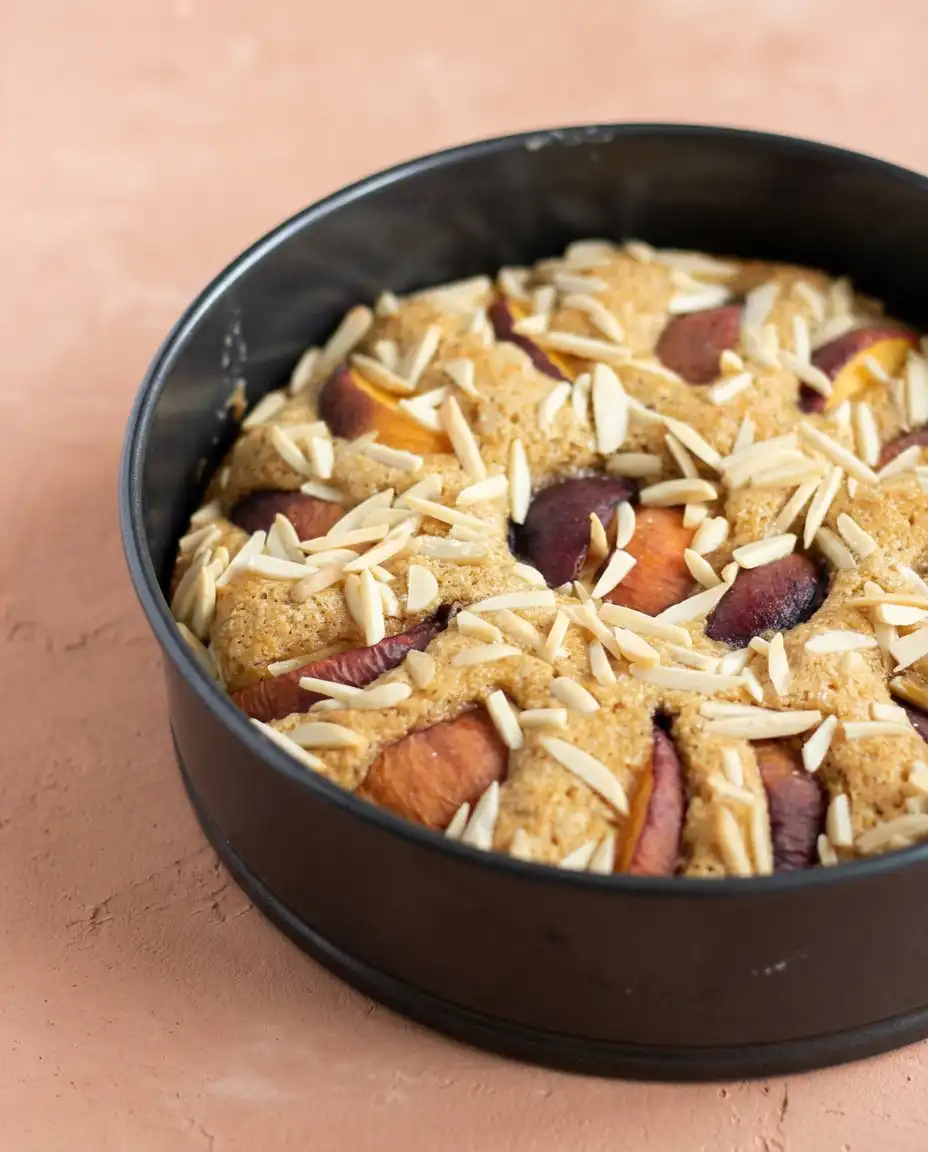
Temperature control of your dairy ingredients is vital for a successful emulsion. Cold sour cream and buttermilk will cause the fats in the eggs to seize, leading to a broken batter that lacks structural uniformity.
Weighing your flour with a digital scale is the only way to ensure the ratio of starch to moisture is correct. Using a measuring cup often leads to packed flour, resulting in a dense cake that fails to rise properly.
If the cake sinks in the middle after removal, it is often because the fruit was not evenly distributed or the center was under-baked. Ensure your probe thermometer reaches the very center of the crumb to verify the bake is complete.
For those looking to expand their baking repertoire, mastering the moisture balance in a lemon zucchini coffee cake provides excellent practice in working with high-hydration inclusions.
The use of a springform pan is non-negotiable for this height and weight of fruit. The removable sides allow you to reveal the structure without the risk of the cake breaking during an inversion process.
Check the expiration date of your baking soda before starting the procedure. Alkaline leaveners lose potency over time, and a weak reaction will result in a flat, gummy texture that cannot support the weight of the peaches.
Frequently Asked Questions
Can I use frozen peaches for this coffee cake?
Yes, but they must be thawed completely and patted dry with a paper towel first. Frozen fruit releases significantly more moisture than fresh fruit, which can compromise the structural integrity of the crumb if not handled with precision.
How should I store the leftover cake to maintain its texture?
Wrap the cake tightly in plastic wrap and then in a layer of foil to prevent moisture loss. Store it in the refrigerator for up to one week, though the crust will naturally soften over time as the internal moisture migrates.
Why did my peaches sink to the bottom of the pan?
The peaches likely sank because they were either cut too large or the batter was over-mixed and became too thin. The 32 grams of flour added to the peach mixture is specifically designed to help the fruit grip the batter and stay suspended.
Can I substitute the vegetable oil with melted butter?
You can, but the texture will change significantly once the cake reaches room temperature. Butter contains water and solids that will firm up, whereas oil remains liquid, providing a superior mouthfeel and longer-lasting moisture in the crumb.
Is buttermilk essential or can I use regular milk?
Buttermilk is critical because its acidity reacts with the baking soda to create the necessary lift. If you must use regular milk, you will need to add a teaspoon of lemon juice to mimic the pH level required for the chemical leavening process.
What happens if I over-mix the batter after adding flour?
Over-mixing activates the gluten proteins in the flour, creating a tough and elastic network. This leads to a rubbery texture rather than the tender, melting crumb that defines a high-quality coffee cake.
Considered Adjustments
You may substitute the peaches with nectarines if you prefer a smoother skin texture and a slightly higher acidity profile. The substitution is one-to-one by weight, ensuring the structural balance of the peach cake remains intact during the long baking process.
For a different flavor profile, swap the cinnamon for ground cardamom to lean into a more floral, Scandinavian-inspired profile. Cardamom provides a sharper contrast to the creamy fat of the sour cream and the sweetness of the dark brown sugar filling.
If you require a deeper, more caramelized finish, use light muscovado sugar instead of dark brown sugar in the topping. The finer grain and higher moisture content of muscovado create a tackier, richer swirl that integrates beautifully with the fruit.
Serving the Structure
Serve a slice of this cake at room temperature to allow the fats in the sour cream to remain soft and yielding. If the cake has been refrigerated, allow it to sit on the bench for twenty minutes before plating to restore the intended mouthfeel.
For a formal presentation, a light dusting of sifted powdered sugar over the glaze adds a professional finish. Pairing this with a fresh peach cake recipe as part of a brunch spread highlights the versatility of stone fruit in professional pastry.
Accompany each portion with a sharp, black tea or a lightly roasted coffee. The bitterness of the beverage cuts through the richness of the dairy and the sweetness of the brown sugar crust, cleansing the palate between bites.

What the Technique Gives You
Achieving the perfect balance in a Sour Cream Peach Coffee Cake is a matter of respecting the technical requirements of the ingredients. By following the precise mixing times and temperature cues, you ensure a result that is both structurally sound and exceptionally tender. The contrast between the crisp, spiced crust and the soft, fruit-laden interior is the hallmark of a disciplined baker.
For those who appreciate the science of stone fruit in baking, exploring the peach cake brown sugar frosting will offer further insight into how sugars and fats interact to enhance flavor. Precision for the sake of mouthfeel is always worth the extra effort on the bench.
Please share your results with our community of dedicated bakers on Pinterest, Facebook, and TikTok. Your feedback helps refine the collective knowledge of our pastry-focused group.