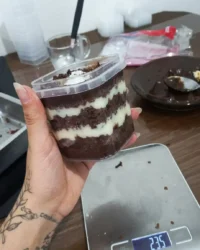
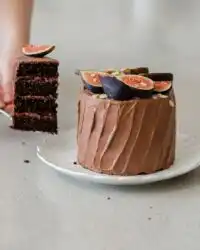
Most plant-based bakes collapse into a sodden heap because of uncontrolled moisture, yet this Dairy-Free Chocolate Zucchini Cake uses specific ratios to ensure a sturdy, velvet crumb.

Achieving a structured melt in a vegan context requires understanding how vegetable hydration interacts with whole-grain starches. We use the moisture within the squash to activate the proteins in the flour without over-working the gluten. This methodical approach yields a cake that feels substantial and indulgent rather than airy or fragile. It is a testament to how technical precision transforms simple garden produce into a sophisticated pastry component.
What Makes the Texture of Dairy-Free Chocolate Zucchini Cake Right
Prep: 20 min · Serves: 12 · Difficulty: Medium
- Technical balance prevents a soggy, collapsed center.
- Whole wheat provides the necessary structural backbone.
- Flax emulsion replaces eggs with reliable binding.
- Dutch-processed cocoa offers deep, neutral-pH chocolate flavor.
- Natural hydration from zucchini ensures lasting softness.
Structure is what makes the melt possible, as seen in this vegan chocolate zucchini cake.
Get The Full Cake Recipe
Print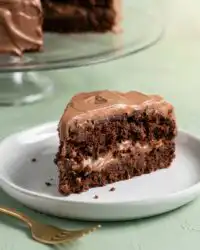
Dairy-Free Chocolate Zucchini Cake
- Total Time: 1 hour 10 mins
- Yield: 12 servings
- Diet: Vegan
Description
This rich, velvety chocolate cake uses the natural moisture of grated zucchini and a precise flax-based binder to achieve a stable, indulgent crumb without the need for dairy or eggs. It is a sophisticated, plant-based dessert that relies on technical calibration for a perfect, sliceable structure.
Ingredients
- 2 tablespoons flax meal
- 4 tablespoons water
- Whole wheat flour
- Sugar
- Dutch-processed cocoa powder
- Baking soda
- Baking powder
- Salt
- Extra virgin olive oil
- Non-dairy milk
- Vanilla extract
- Grated zucchini
- Full-fat coconut milk
- Dark chocolate pieces
Instructions
- Hydrate the flax. Combine flax meal and water in a small bowl and let stand for five minutes until gelatinous.
- Mix dry ingredients. Whisk together whole wheat flour, sugar, cocoa powder, baking soda, baking powder, and salt in a medium bowl.
- Combine wet ingredients. Whisk olive oil, non-dairy milk, and vanilla into the thickened flax, then fold in the grated zucchini.
- Incorporate the batter. Pour the wet mixture into the dry ingredients and fold gently until no dry streaks remain.
- Bake the cake. Spread the batter into a greased 9×13 pan and bake at 175 degrees Celsius for 45 to 50 minutes.
- Cool completely. Remove the cake from the oven and cool on a wire rack to allow the internal structure to set.
- Prepare the ganache. Heat coconut milk to a scald, pour over chocolate pieces, and whisk from the center until glossy.
- Frost and set. Allow the ganache to thicken, spread over the cooled cake, and let set for 10 minutes before slicing.
Notes
- Squeeze excess water from the grated zucchini using a kitchen towel to ensure the cake does not become soggy.
- Use a digital scale to measure ingredients to guarantee the structural integrity of the final bake.
- Ensure your oven temperature is accurate to prevent the cake from cracking during the initial rise.
- Stir the ganache slowly to avoid incorporating air bubbles and maintain a professional, mirror-like finish.
- Prep Time: 20 mins
- Cook Time: 50 mins
- Category: Dessert
- Method: Baking
- Cuisine: Modern Plant-Based
Weighed & Ready
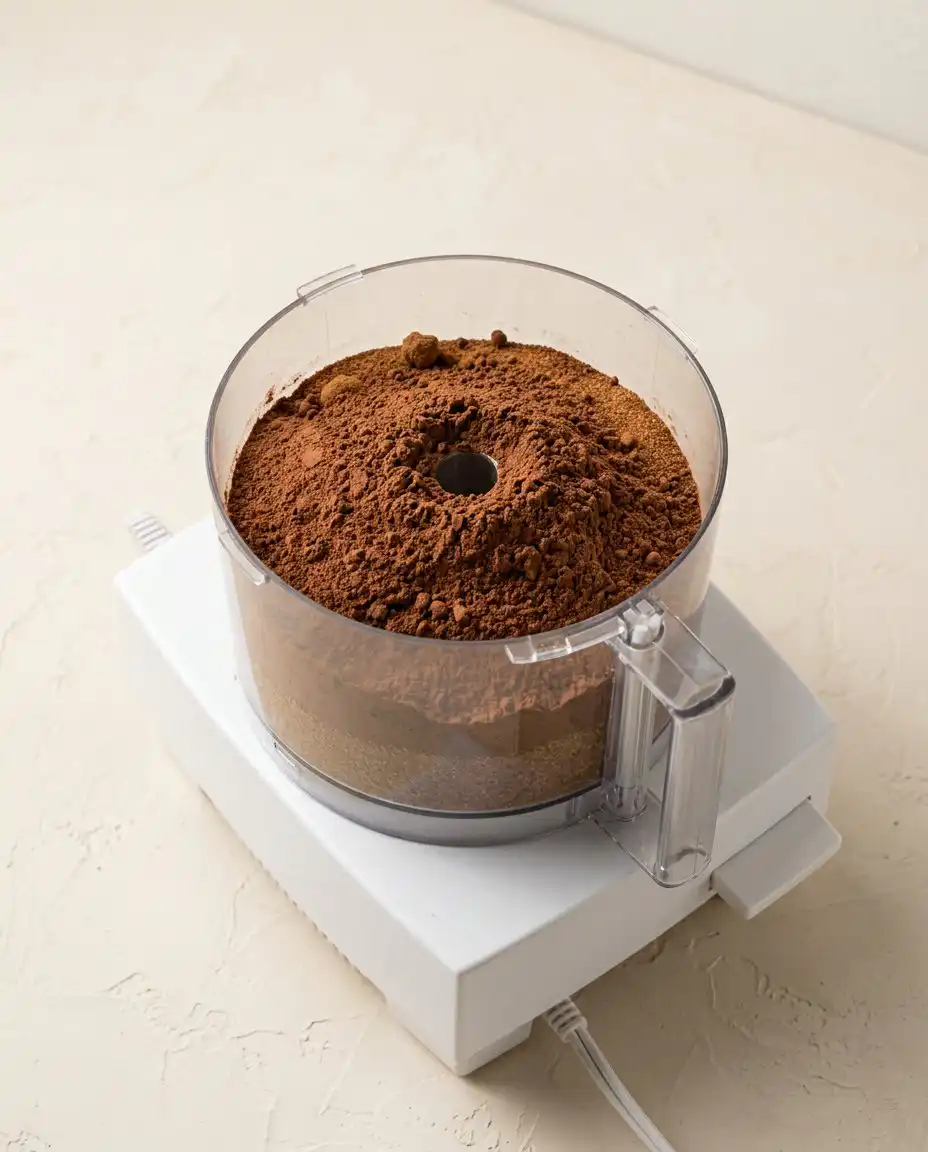
Precision starts with the scale, especially when dealing with the high water content of squash and the absorption rates of whole-grain flours. Every gram here serves a functional purpose in creating the final emulsion and crumb structure.
- Grated Zucchini: This provides internal hydration and bulk without the need for additional liquid fats. Ensure it is grated to a consistent size for even distribution through the crumb.
- Whole Wheat Flour: The higher protein content in whole grain flour is essential for supporting the weight of the moisture-heavy zucchini. It prevents the cake from sinking during the cooling phase.
- Dutch-Processed Cocoa: This cocoa has been treated to reduce acidity, resulting in a darker color and a smoother, more intense chocolate profile. It interacts predictably with the leavening agents.
- Flax Meal: When combined with water, flax creates a mucilaginous binder that mimics the structural properties of egg whites. This is the primary cohesive force in the batter.
- Extra Virgin Olive Oil: A small amount of liquid fat provides a silky mouthfeel and helps to coat flour particles. This coating limits excessive gluten development, keeping the texture tender.
- Coconut Milk: Full-fat coconut milk contains the necessary saturated fats to create a stable, setting ganache. It acts as the carrier for the chocolate solids.
| Ingredient | Why It Matters |
|---|---|
| Zucchini | Provides cellular moisture and internal structure |
| Flax Meal | Creates a stable protein-like binder for the crumb |
| Whole Wheat Flour | Offers the structural backbone to prevent collapse |
| Cocoa Powder | Delivers concentrated flavor and color density |
| Olive Oil | Ensures a tender crumb by inhibiting gluten |
The Tested Procedure
Step 1: Hydrate the Flax Binder
Combine two tablespoons of flax meal with four tablespoons of water in a small vessel. Allow this mixture to sit for five minutes until it reaches a thick, gelatinous consistency. This stage is crucial for the hydration of the flax fibers, which will later provide the necessary tension to hold the cake together.
Step 2: Prepare the Dry Foundation
In a medium bowl, whisk together the whole wheat flour, sugar, cocoa powder, baking soda, baking powder, and salt. Sifting the cocoa powder is highly recommended to remove any stubborn clumps of compressed chocolate solids. This ensures a uniform distribution of leavening agents across the entire volume of the dry mixture.
Step 3: Integrate the Moisture Components
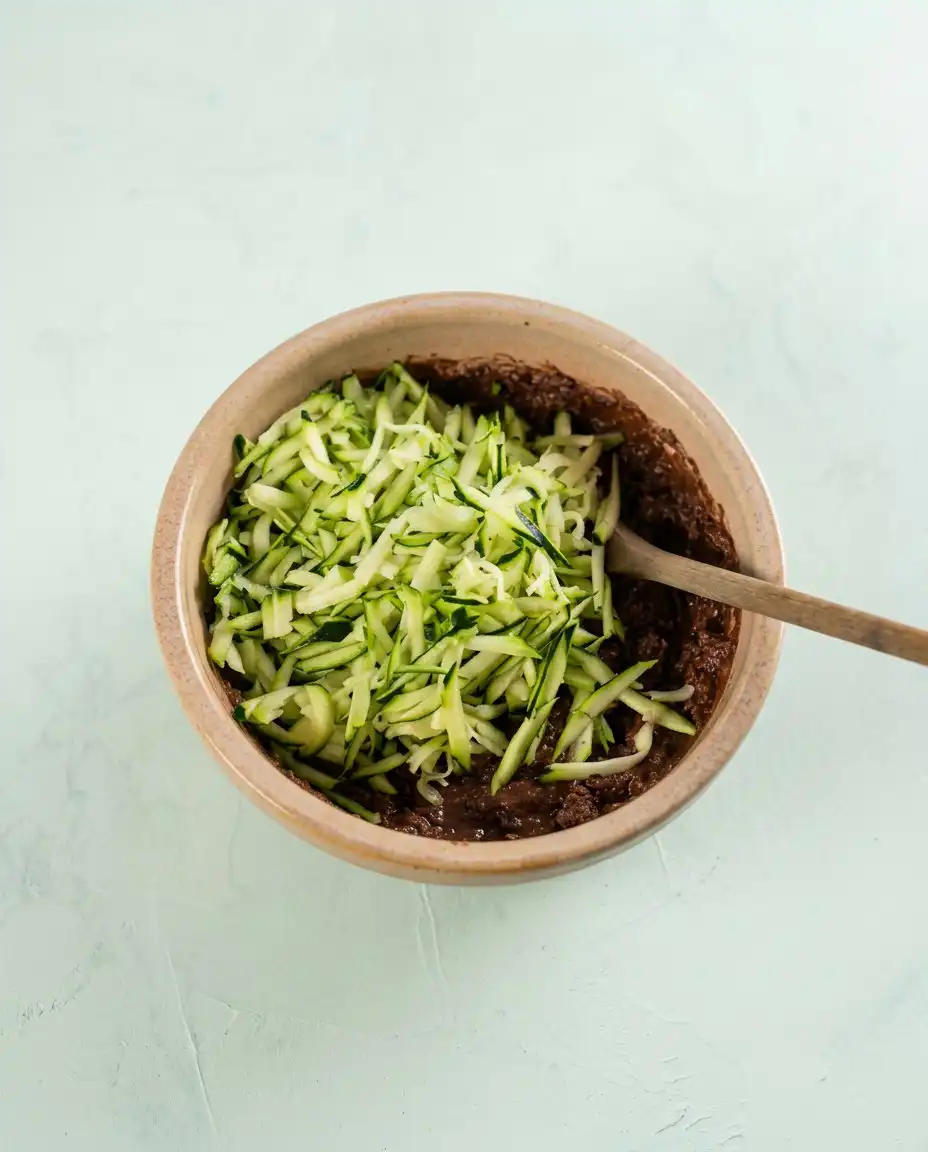
Whisk the olive oil, non-dairy milk, and vanilla extract into the thickened flax mixture until a smooth emulsion forms. Fold in the grated zucchini, ensuring the strands are well-coated by the liquid base. The zucchini should be wet but not swimming in excess water; squeeze out any dripping liquid before measuring if necessary.
Step 4: Combine the Dairy-Free Chocolate Zucchini Cake Batter
Pour the wet zucchini mixture into the center of the dry ingredients. Use a large metal spoon or a silicone spatula to fold the components together just until no dry streaks of flour remain. Over-mixing at this stage will over-develop the gluten, resulting in a tough, bread-like texture rather than a tender cake.
Step 5: Execute the Bake
Transfer the batter into a greased 9×13 inch pan and spread it into an even layer using an offset palette knife. Place the pan in a preheated oven at 175 degrees Celsius for 45 to 50 minutes. The cake is done when a probe thermometer or toothpick comes out clean, indicating the starches have fully set.
Step 6: Thermal Reset and Cooling
Remove the cake from the oven and place it on a wire rack to cool completely. The internal structure needs time to stabilize as the temperature drops, which prevents the cake from tearing when frosted. Attempting to frost a warm cake will cause the ganache to melt and soak into the crumb, ruining the definition.
Step 7: Temper the Ganache Emulsion
Heat the coconut milk in a small saucepan until it reaches the scalding point, just before a rolling boil. Pour the hot liquid over the chocolate pieces and let it stand for two minutes to allow the heat to penetrate the fats. Whisk slowly from the center outward until a glossy, dark emulsion forms without incorporated air bubbles.
Step 8: Final Application and Setting
Allow the ganache to sit at room temperature for approximately 40 minutes until it achieves a spreadable, fudge-like viscosity. Spread the thickened chocolate coating over the cooled surface of the cake in a single, even layer. Let the frosting set for another 10 minutes before slicing to ensure clean, sharp edges on every piece.
Pastry Bench Tips
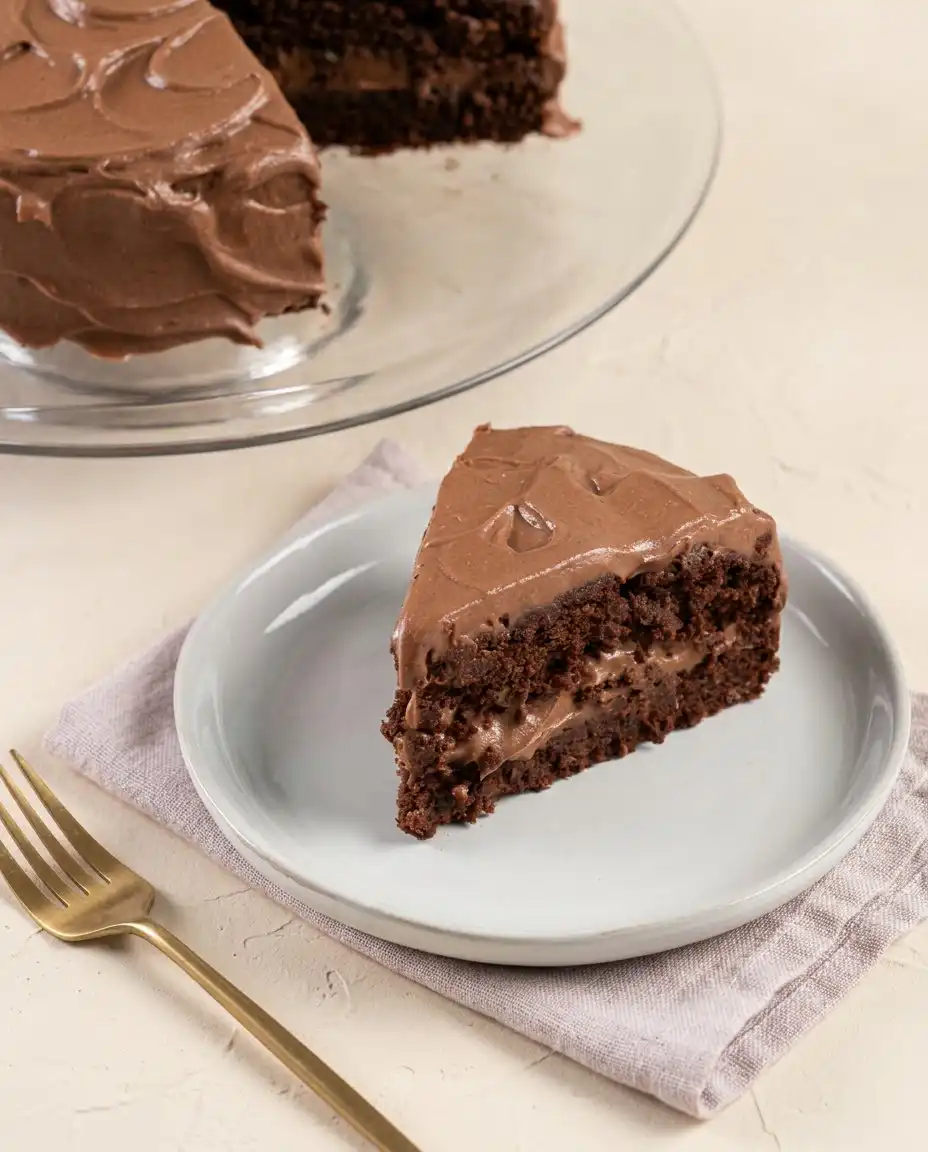
Successful baking with high-moisture vegetables requires a disciplined approach to ingredient preparation. If your zucchini is particularly young and watery, it can overwhelm the starch capacity of the flour. Squeeze the grated squash gently in a clean kitchen towel to remove excess liquid until it is moist but not dripping.
Measurement by weight is the only way to ensure the correct ratio of flour to moisture in a moist chocolate zucchini cake. Volume measurements for flour vary wildly based on how it is packed, leading to inconsistent results. A digital scale removes the guesswork and ensures the structure is repeatable every time you bake.
If your cake develops a large crack down the center, the oven temperature was likely too high. This causes the exterior to set and crust over before the internal gases have finished expanding, forcing them to break through the top. Verify your oven temperature with a standalone thermometer to maintain a steady 175 degrees Celsius.
To achieve a professional finish on your ganache, avoid whisking vigorously, which introduces air and creates tiny bubbles. Instead, use a slow, circular motion with a spatula or whisk kept low in the bowl. This technical focus on emulsion produces a mirror-like sheen that looks as sophisticated as it tastes.
The choice of cocoa powder affects more than just flavor; it dictates the chemical reaction of the leavening agents. Using a natural cocoa instead of Dutch-processed would require more baking soda to neutralize the acidity. Stick to Dutch-processed for this specific formula to keep the rise predictable and the color a deep, rich mahogany.
Frequently Asked Questions
Can I use yellow squash instead of zucchini in this recipe?
Yes, yellow summer squash has a very similar moisture profile and cellular structure to zucchini. It functions identically in the batter and will not alter the final texture or flavor. The only visible difference will be the lack of green flecks in the crumb.
How should I store this cake to keep it moist?
Keep the cake in an airtight container at room temperature for up to three days. For longer storage, refrigerate the cake, which will firm up the ganache and preserve the moisture. Always bring a refrigerated slice to room temperature before serving to restore the intended mouthfeel.
Why did my cake turn out dense and gummy?
This usually occurs if the batter was over-mixed after the flour was added, causing excessive gluten development. It can also happen if the zucchini was too wet and introduced more water than the flour could absorb. Ensure you mix just until the dry streaks disappear and squeeze your zucchini if it is dripping.
Is it possible to freeze the frosted cake?
You can freeze this cake effectively for up to two months if wrapped tightly in plastic film and foil. The ganache holds its emulsion well through the freezing and thawing process. Thaw the cake overnight in the refrigerator before moving it to the counter for the final temperature adjustment.
What is the best way to grate the zucchini for baking?
Use the fine side of a box grater to create small shreds that melt into the batter during the baking process. Large chunks of zucchini can create pockets of moisture that lead to an uneven crumb. The goal is for the zucchini to provide hydration without being a distinct textural element.
Can I replace the flax meal with another binder?
Chia seeds can be used as a substitute for flax meal if they are ground into a fine powder first. Use the same ratio of one part ground seed to two parts water to create the binder. Note that chia may leave small dark specks in the cake, though these are hidden by the dark cocoa.
Considered Adjustments
For those requiring a lower carbohydrate profile, the base flours can be adjusted toward a more specialized composition. You might consider looking into a keto chocolate zucchini cake for guidance on alternative binders. Replacing the wheat flour with almond flour requires additional structural support from xanthan gum to prevent crumbling.
Textural contrast can be introduced by adding dry inclusions to the batter before the final folding stage. A handful of toasted seeds or nuts adds a necessary snap that complements the soft, fudgy interior of the cake. It is important to learn how to bake with dark chocolate to balance the sweetness when adding extra ingredients like cacao nibs.
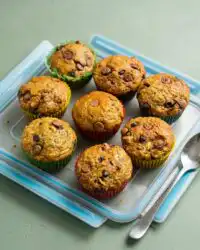
If you prefer individual portions, this batter translates well to a muffin tin lined with parchment papers. Reduce the baking time to approximately 30 minutes to account for the smaller surface area and faster heat penetration. This variation provides a higher ratio of crust to crumb, which some tasters find more satisfying for a morning snack.
Finishing & Plating
Serving this cake at the correct temperature is vital for the intended experience. When the cake is slightly cool, the ganache has a firm, truffle-like snap, whereas at room temperature, it becomes a soft and silky coating. For a formal presentation, use a hot knife to slice the cake into precise squares, wiping the blade between each cut to keep the edges clean.
A contrast in temperature and acidity can further highlight the deep chocolate notes. A side of fresh raspberries or a sharp berry coulis provides a necessary brightness that cuts through the richness of the ganache. For a more traditional pairing, a cup of strong black tea or a well-pulled espresso complements the earthy qualities of the whole wheat and cocoa.
If you have added nuts to your version, such as a chocolate zucchini cake with walnuts, consider a light dusting of sea salt over the top. This enhances the savory notes of the olive oil and creates a sophisticated finish. Serving the structure properly means ensuring every element, from the crumb to the garnish, is considered and intentional.
What the Technique Gives You
Technical precision in the pastry kitchen yields results that feel effortless to the consumer but are the product of careful calibration. This cake demonstrates that dairy-free baking does not have to sacrifice the structural integrity or the luxurious melt of traditional desserts. By mastering the balance between vegetable hydration and grain stability, you create a bake that is as reliable as it is indulgent.
I encourage you to experiment with this base, perhaps incorporating chocolate zucchini cake chocolate chips for an even more intense cocoa experience. The foundation is robust enough to handle minor adjustments while maintaining its velvet texture. Once you have tested this method on your own bench, you will understand how structure truly makes the melt possible.
Share your results and join our community of technical bakers to discuss your findings. You can follow our latest updates and technique guides on Pinterest, Facebook, and Telegram. We look forward to seeing how you apply these principles to your own home pastry projects.