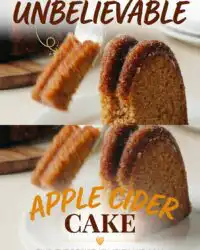
Emulsion is the silent foundation of a successful cake batter, holding fats and liquids in a delicate balance that defines the final crumb.

To achieve the correct balance of flavor and structure in this Apple Cider Cake, we must look at how moisture interacts with gluten development. Traditional recipes often suffer from a dense, sodden base because the raw liquid over-hydrates the flour. By employing concentrated cider alongside precise fat ratios, we establish a tender crumb that carries intense orchard flavor without sacrificing structural integrity. This methodical approach guarantees your cake holds its shape while offering a melting texture.
What Makes the Texture Right in This Apple Cider Cake
Prep: 30 min · Serves: 20 · Difficulty: Medium
- Precise hydration levels create a tender crumb.
- Concentrated cider provides intense orchard flavor.
- Cinnamon sugar creates a crisp protective skin.
- Yogurt balances the structure and texture.
- The 10-minute turn out prevents sticking.
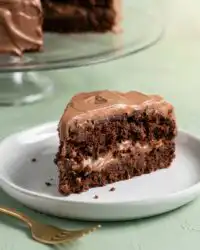
If you enjoy a spiced dessert with excellent structure, consider trying our apple spice birthday cake for your next gathering. This method produces a balanced structure that melts delightfully with every single bite.
Get The Full Cake Recipe
Print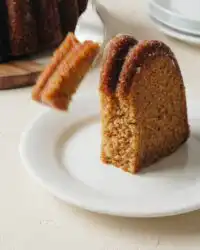
Apple Cider Cake
- Total Time: 1 hour 12 mins
- Yield: 20 servings
- Diet: Vegetarian
Description
This refined Apple Cider Cake utilizes a precise emulsion of cider concentrate and dairy to achieve a delicate, orchard-forward crumb. Finished with a crisp cinnamon sugar shell, it is a sophisticated centerpiece that balances seasonal spice with professional-grade structural integrity.
Ingredients
- 330g All-purpose flour
- 1 tsp Baking powder
- 1/2 tsp Baking soda
- 1/2 tsp Salt
- 1 tsp Cinnamon
- 1/2 tsp Allspice
- 1/4 tsp Nutmeg
- 1/4 tsp Ginger
- 225g Unsalted butter, softened
- 200g Dark brown sugar
- 100g Granulated sugar
- 3 Large eggs, room temperature
- 180g Apple cider concentrate
- 60ml Neutral oil
- 120g Unsweetened applesauce
- 120g Greek yogurt
- Extra butter and sugar for pan
Instructions
- Prepare oven and pan. Preheat your oven to 180 degrees Celsius (350 degrees Fahrenheit). Grease a 10-cup bundt pan with butter and coat thoroughly with granulated sugar, tapping out the excess.
- Sift dry ingredients. Sift the flour, baking powder, baking soda, salt, and spices into a large bowl. Whisk for 30 seconds to ensure uniform distribution of the chemical leaveners.
- Cream butter mixture. In a stand mixer, cream the butter, brown sugar, and granulated sugar on medium speed for three minutes until the mixture is pale and aerated.
- Incorporate the eggs. Add eggs one at a time, mixing on medium-high speed for 45 seconds after each addition. Scrape down the bowl thoroughly to maintain a smooth emulsion.
- Emulsify the batter. Alternately add the dry mixture and the combined wet ingredients (cider, oil, applesauce, yogurt) in three parts, ending with flour. Mix just until streaks disappear.
- Bake the cake. Pour the batter into the prepared pan and smooth the top. Bake for 35 to 42 minutes until a wooden tester comes out clean.
- Perform initial cooling. Remove the pan from the oven and let it sit on a wire rack for exactly 10 minutes to allow the starches to set before inverting.
- Glaze and coat. Brush the warm cake with a mixture of melted butter and cider concentrate, then dust immediately with a blend of cinnamon and sugar to create a textured shell.
Notes
- Ensure all dairy and egg components are at room temperature to prevent the batter emulsion from breaking.
- Using a digital scale for measuring flour and cider concentrate is vital for achieving the correct structural density.
- If the cake resists release after 10 minutes, use a warm water bath on the base of the pan to soften the caramelized sugar barrier.
- Avoid over-mixing the batter after adding the flour to keep the crumb tender and prevent excess gluten development.
- Prep Time: 30 mins
- Cook Time: 42 mins
- Category: Dessert
- Method: Baking
- Cuisine: American
Weighed & Ready
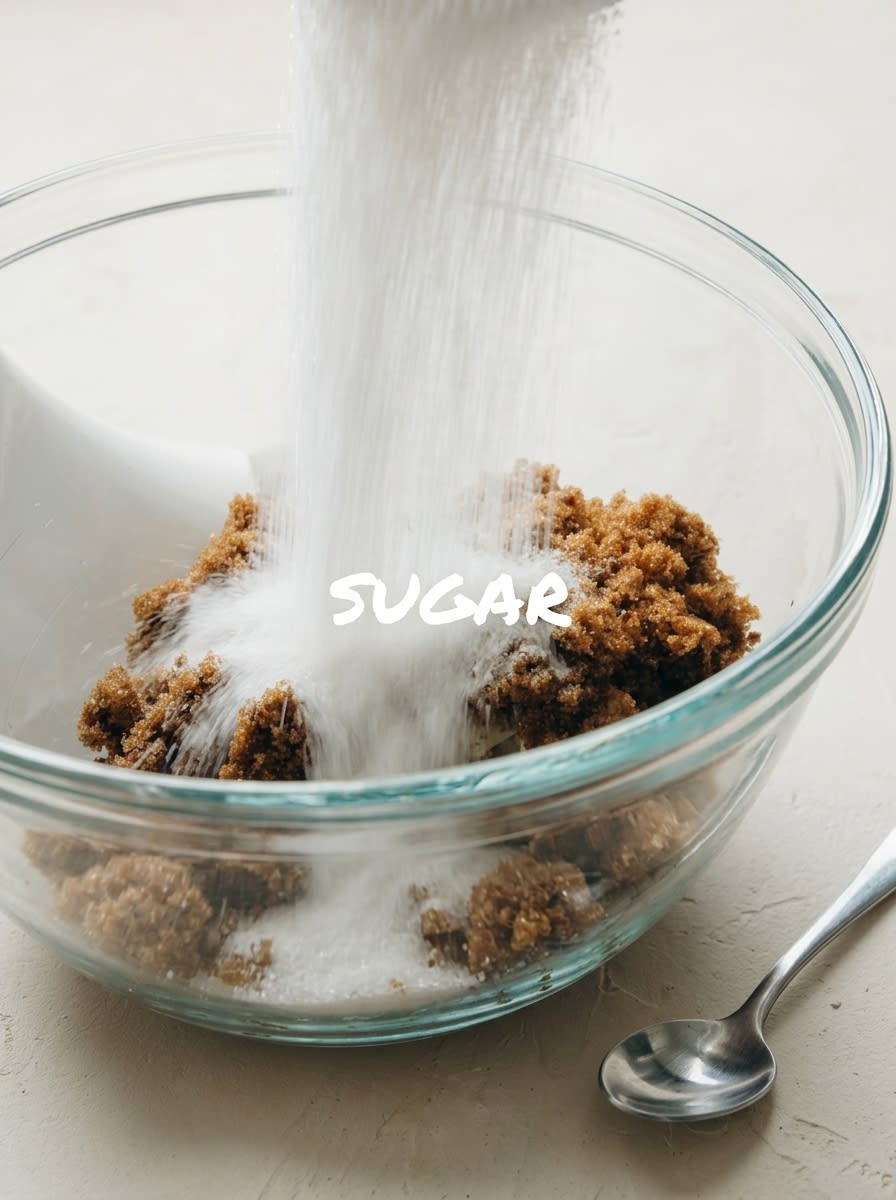
Baking is an exercise in structural chemistry, where every single ingredient serves a specific mechanical purpose. When crafting this cake, we balance tenderizing agents like fats and sugars against structural builders like eggs and flour. This balance prevents the collapse of the delicate air pockets formed during the mixing process.
- Apple Cider Concentrate: This ingredient provides an intense orchard flavor without introducing excess water that would weaken the gluten structure.
- All-Purpose Flour: Serving as the structural framework, its protein content creates the starch network required to support the rising batter.
- Dark Brown Sugar: This sugar adds moisture and acidity, which reacts with the raising agents to soften the crumb structure.
- Neutral Oil and Butter: Combining these two fats yields both the rich flavor of dairy and the lasting tenderness that oil provides.
- Unsweetened Applesauce: It adds natural pectin and moisture, helping to keep the crumb tender without relying solely on heavy fats.
- Greek Yogurt: The acidity in the yogurt tenderizes the gluten while providing a thick consistency that stabilizes the batter emulsion.
| Ingredient | Why It Matters |
|---|---|
| Apple Cider Concentrate | Delivers deep apple flavor without over-hydrating the flour. |
| Unsalted Butter | Generates flavor and creates a soft, fine-textured crumb. |
| Neutral Oil | Retains moisture within the structural matrix after baking. |
| Greek Yogurt | Supplies acidity to tenderize gluten and stabilize the emulsion. |
| Cinnamon and Spices | Complement the apple notes while adding aromatic warmth. |
From Bench to Bake
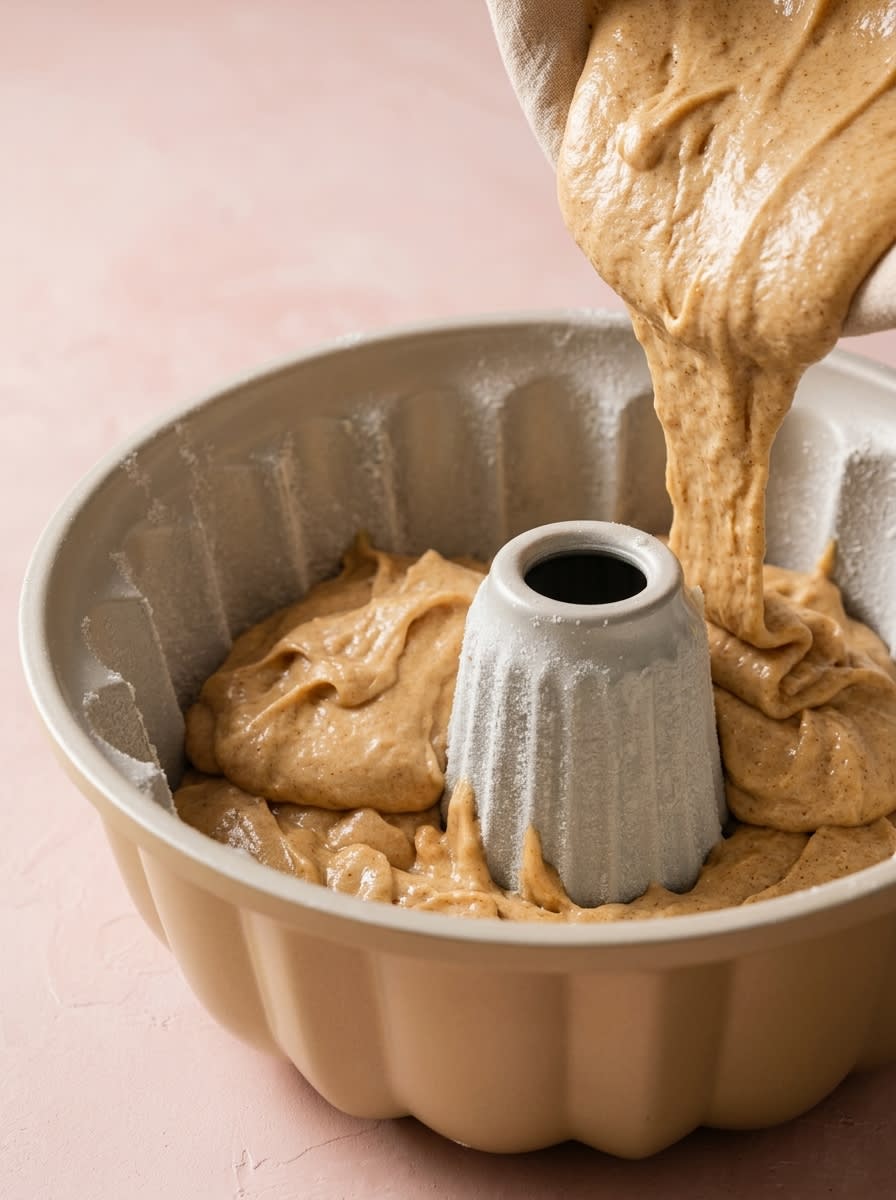
Step 1: Prepare the Oven and Pan
Preheat your oven to 180 degrees Celsius (350 degrees Fahrenheit) to establish the thermal baseline required for immediate oven spring. Grease a 10-cup bundt pan thoroughly by brushing a thin, even layer of softened butter into every fluted crevice using a pastry brush. Immediately coat the interior with granulated sugar, tapping out the excess over your sink to create a textured barrier that prevents sticking. This crystalline layer creates a micro-barrier that helps the rising batter cling to the sides before releasing easily.
Step 2: Sift and Whisk the Dry Components
Sift the all-purpose flour, baking powder, baking soda, salt, cinnamon, allspice, nutmeg, and ginger into a large glass bowl. Sifting aerates the flour and guarantees that the chemical leaveners are dispersed uniformly through the starch network. Whisk the dry mixture for 30 seconds until the color is consistent and no pockets of spice remain. This step prevents localized pockets of baking soda from creating bitter spots in the baked crumb.
Step 3: Cream the Butter and Sugars
In the bowl of your stand mixer fitted with the paddle attachment, combine the softened butter, dark brown sugar, and granulated sugar. Cream these ingredients on medium speed for exactly three minutes until the mixture appears pale and slightly aerated. This mechanical shearing forces sugar crystals through the solid fat, carving out tiny air pockets that will expand during baking. Scrape down the bottom and sides of the bowl to make sure no dense pockets of sugar remain unmixed.
Step 4: Incorporate the Eggs and Vanilla
Introduce the room-temperature eggs one at a time, mixing on medium-high speed for 45 seconds after each addition. Egg whites provide the structural albumen that traps the air pockets, while the yolks supply lecithin to form a stable emulsion. Scrape down the bowl after the final egg is fully incorporated to keep the batter uniform. The mixture should look thick, glossy, and completely smooth, showing no signs of separation or curdling.
Step 5: Emulsify the Wet and Dry Ingredients for the Apple Cider Cake
Set your mixer to low speed and alternate adding the dry flour mixture and the wet ingredients. Combine the apple cider concentrate, neutral oil, unsweetened applesauce, and Greek yogurt in a separate container before adding them to the batter. Introduce the dry and wet ingredients in three alternating additions, starting and finishing with the flour. Mix for only 20 seconds after the final addition until the last streaks of flour disappear, stopping to prevent over-developing the gluten.
Step 6: Bake to Set the Structural Frame
Pour the thick batter into your prepared bundt pan, smoothing the top surface with an offset palette knife to promote an even rise. Transfer the pan to the center rack of your preheated oven and bake for 35 to 42 minutes. Avoid opening the oven door during the first 30 minutes, as sudden temperature drops can cause the fragile air cells to collapse before they set. The cake is baked when a wooden tester inserted into the center comes out clean or with a few moist crumbs.
Step 7: Executing the Critical 10-Minute Turn Out
Remove the pan from the oven and set it on a wire cooling rack for exactly 10 minutes. During this brief window, the internal starches begin to set, but the sugar barrier has not yet cooled enough to solidify and stick. Run a thin offset spatula gently around the outer edge and the inner funnel to loosen any stuck spots. Place a cooling rack over the top of the pan, confidently invert both, and lift the pan straight up to release the warm cake.
Step 8: Apply the Apple Cider Glaze and Coating
Melt the remaining butter and whisk in the additional apple cider concentrate in a small dish. While the cake is still warm, brush this mixture liberally over the entire surface using a pastry brush, allowing it to soak into the warm crust. In a separate bowl, mix the granulated sugar and ground cinnamon until fully blended. Dust the cinnamon sugar mixture over the wet glaze immediately, pressing it gently to form a sweet, textured shell that seals in the internal moisture.
Pastry Bench Tips
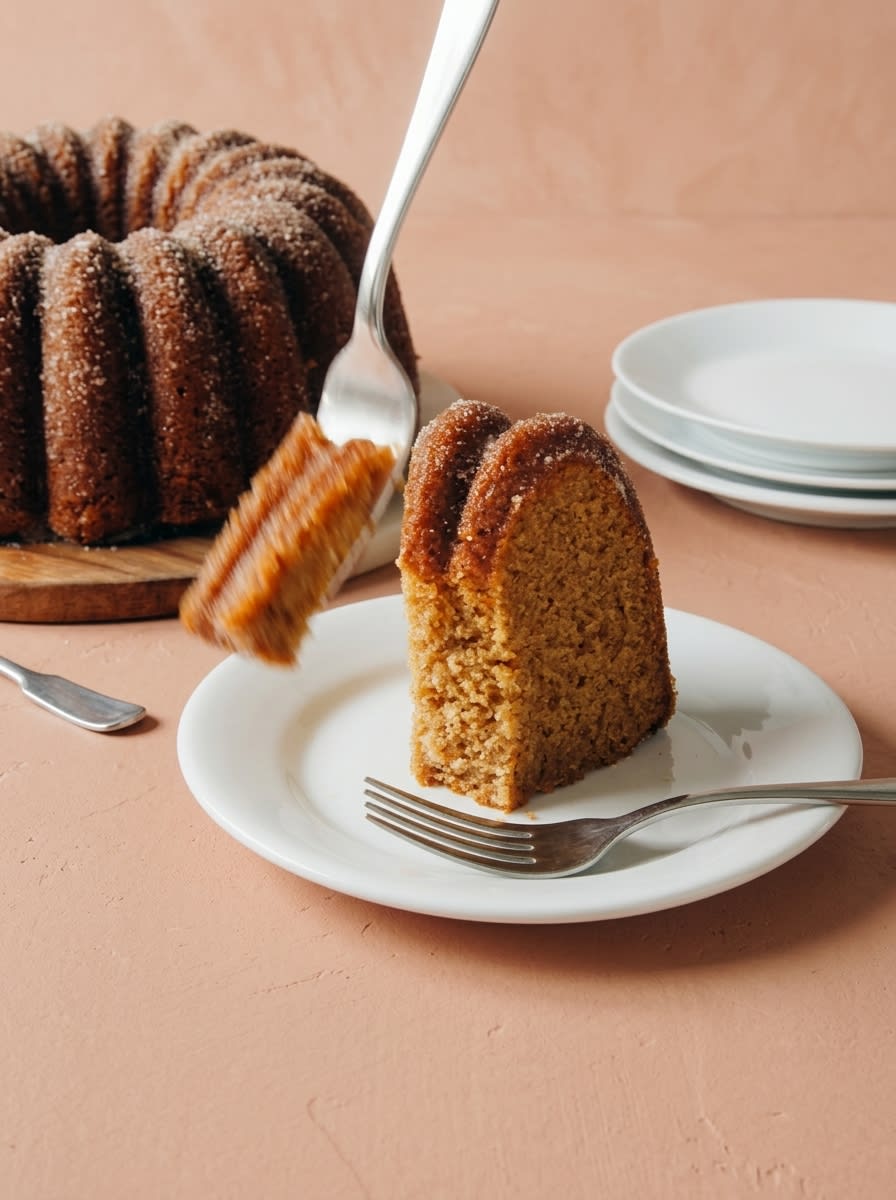
Temperature alignment is crucial when mixing this batter. Cold ingredients will seize the butter and break the emulsion, resulting in a coarse, uneven crumb structure. Allow your eggs, yogurt, and cider concentrate to sit on the bench until they reach room temperature before starting.
The sugar coating in the bundt pan is vastly superior to a flour coating. While flour can leave a dusty, bitter white residue on the exterior, sugar melts slightly during baking, creating a caramelized release agent that aids in turning out the cake cleanly. Tap the pan firmly after sugar dusting to remove all loose crystals.
If your cake sticks to the pan during release, the sugar barrier has likely cooled too much and hardened. To fix this, fill your kitchen sink with hot water and submerge the bottom of the bundt pan for 60 seconds. This heat melts the sugar glaze again, allowing the cake to drop out onto your cooling rack without tearing.
Weighing your ingredients on a digital scale is the only way to guarantee consistent results. Volume measurements with cups can vary by up to 30 percent depending on how tightly packed the flour or sugar is. For a texture that melts beautifully, precise weights of 330 grams of flour and 180 grams of concentrate are essential.
If you want to master the art of reducing your own cider rather than purchasing pre-made concentrate, read about this apple cider reduction technique. Simmering raw cider slowly over medium heat allows water to escape as steam, leaving behind concentrated sugars and malic acid that give the cake its deep flavor.
This recipe relies heavily on the proper balance of spice. If you appreciate the complex warmth of baking spices in structural cakes, you might also enjoy our recipe for spiced pear cake, which uses similar principles to build a delicate, aromatic crumb.
Frequently Asked Questions
What is apple cider for baking?
Apple cider is an unfiltered, unsweetened juice pressed from fresh apples. In baking, it acts as an acidic liquid that tenderizes the gluten structure while adding a bright, complex fruit flavor.
What does apple cider do to a cake?
The acidity in apple cider breaks down tough gluten strands, resulting in an exceptionally soft and tender crumb. It also reacts with the baking soda to create carbon dioxide gas, which helps the cake rise.
Should I reduce the apple cider for my cake?
Yes, reducing the cider is necessary to concentrate the apple flavor without adding excess water to the batter. Excess water would over-hydrate the starch and lead to a dense, wet, and gummy texture.
Can I use apple juice instead of apple cider?
Apple juice is not a suitable replacement because it is filtered and contains added sugars that disrupt the recipe’s balance. Juice lacks the sharp malic acidity required to react with the raising agents and tenderize the gluten.
How do you make an apple cider cake taste like a donut?
Brushing the warm cake with a mixture of melted butter and cider concentrate creates a sticky exterior. Rolling this wet surface in cinnamon sugar immediately creates the signature textured crust of a classic cider donut.
What type of apple cider should be used in baking?
Use fresh, unpasteurized, and unsweetened apple cider from a local orchard for the best results. Avoid shelf-stable versions that contain chemical preservatives, as these can interfere with the activity of the baking powder.
How do you store leftovers to preserve the structure?
Wrap the cooled cake tightly in plastic wrap and store it at room temperature for up to four days. Avoid refrigerating the cake, as the cold environment accelerates starch retrogradation, making the crumb dry and firm.
Can this recipe be frozen for long-term storage?
Yes, you can freeze the unadorned cake for up to three months by wrapping it in double layers of plastic and foil. Thaw it completely at room temperature before applying the warm butter glaze and cinnamon sugar coating.
Considered Adjustments
For a rustic variation, you can fold 120 grams of finely grated Granny Smith apples directly into the batter before baking. This addition increases the moisture level of the cake, so you must bake it for an extra three to five minutes to set the structure. Grating the fruit makes sure it disperses evenly through the crumb rather than sinking to the bottom of the fluted pan.
If you want to build a spicier profile that echoes traditional British holiday bakes, try adding ground cloves and black pepper. This profile mirrors the deep complexity found in our apple spice cake, offering a mature bite that pairs beautifully with black tea. Increase the ginger by a half-teaspoon to complement these hotter elements.
A brown butter coating offers another elegant adjustment. Melt your butter in a saucepan over medium heat until the milk solids toast to a deep hazelnut color, then whisk in the cider concentrate. This toasted dairy profile adds an earthy depth that cuts through the sweetness of the cinnamon sugar crust.
Serving the Structure
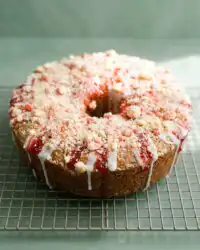
This structural bundt cake is best served slightly warm, allowing the spiced buttery glaze to remain soft and aromatic. Cut clean slices using a sharp serrated knife, wiping the blade between cuts to preserve the clean geometry of each slice. The contrast between the crisp, sugary crust and the tender interior is most pronounced when served within an hour of coating.
For a formal presentation, serve each slice alongside a spoonful of unsweetened whipped cream or a wedge of sharp cheddar cheese. The rich fat of the dairy cuts through the high sugar profile of the cinnamon coating, balancing each bite. This pairing highlights the deep apple flavor, creating a composed dessert experience for autumn gatherings.
If you are hosting a morning gathering, this spiced dessert makes a wonderful alternative to a classic streusel coffee cake. Arrange the slices on a warm wooden board next to a pot of hot black tea or freshly brewed coffee. The heat from the beverages helps release the volatile oils in the cinnamon and nutmeg, filling the room with warm aromas.
Final Notes
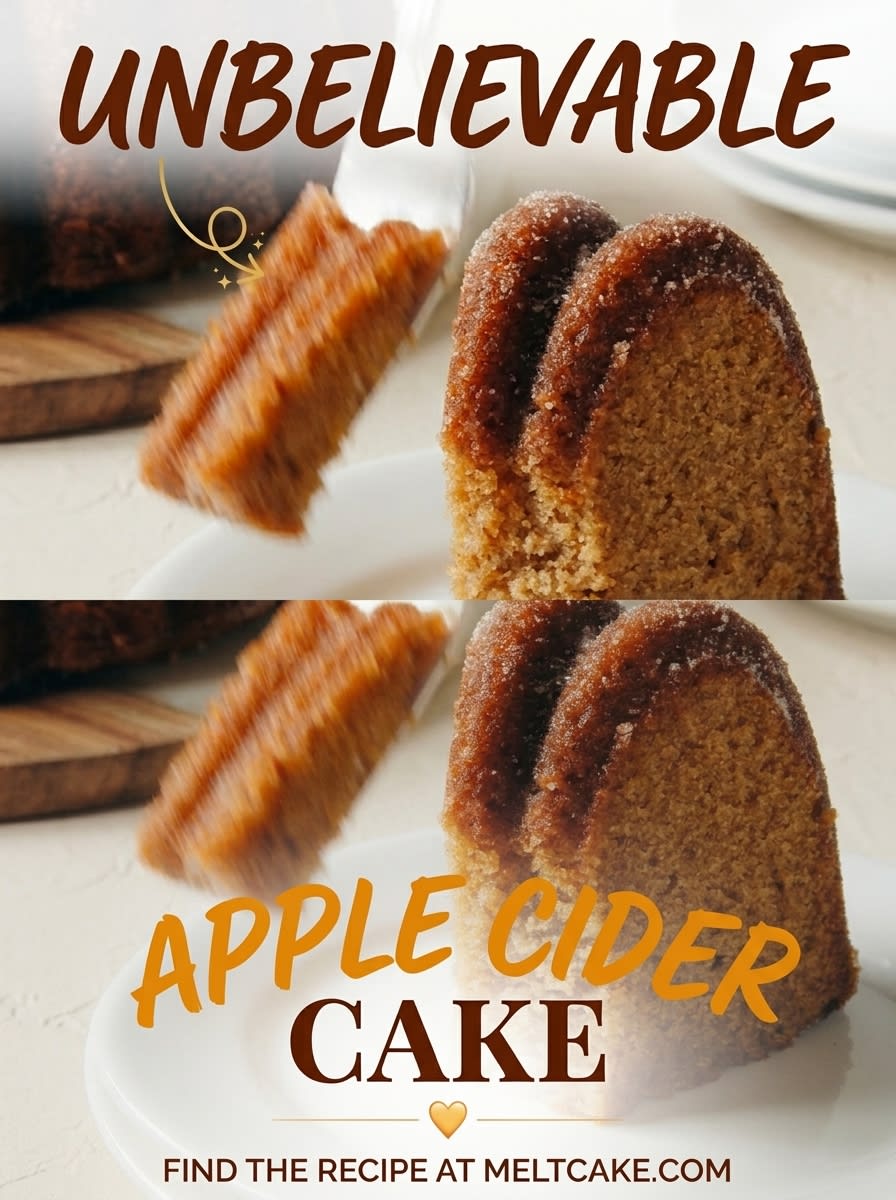
Mastering the structural balance of a cake requires respect for both measurements and timing. When you manage the emulsion and respect the 10-minute cooling window, your efforts are rewarded with a beautiful fluted cake that releases cleanly every time. This baking process proves that technical discipline is what allows a dessert to achieve its best texture.
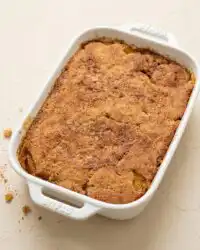
If you find yourself with extra autumn apples and want to try a simpler, rustic method, try making our apple dump cake for a fast dessert. It offers a different approach to apple baking while keeping those classic warm flavors you love. Every technique in baking offers a new way to understand how heat, fat, and flour interact on the bench.
We invite you to share your baking results with our community of ambitious home bakers. Post your kitchen creations and follow our journey on Pinterest, Facebook, and TikTok to stay updated on our technical guides. Let us build a community of precision baking together.