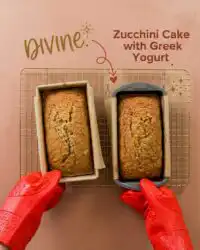
Emulsion defines the structural success of this bake, where lipid and aqueous elements bond to prevent oil separation and preserve a tender crumb.

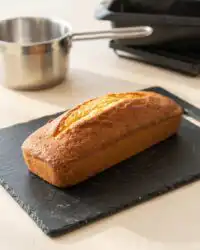
This Zucchini cake with Greek yogurt represents the ideal balance between rich moisture and clean structural crumb. By incorporating the natural moisture of grated zucchini with the acidity of Greek yogurt, we create a cake that remains remarkably tender without becoming dense or soggy. Traditional quick breads often suffer from a heavy, oily base, but this specific formulation yields a balanced crumb that slices cleanly on the bench. Understanding the science behind these ingredients allows you to bake with complete confidence, knowing that each element has a clear mechanical purpose in the oven.
What Makes the Texture of Zucchini cake with Greek yogurt Right
Prep: 15 min · Serves: 20 · Difficulty: Medium
- double chocolate zucchini cake recipe offers superb textural baseline.
- Acidic yogurt activates sodium bicarbonate for rise.
- Grated zucchini provides hydration during baking.
- Metal loaf pans distribute thermal energy.
- Walnut pieces add essential structural bite.
Structure is what makes the melt possible.
Get The Full Cake Recipe
Print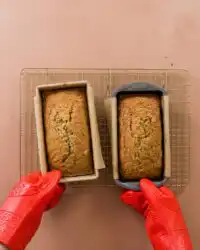
Zucchini cake with Greek yogurt
- Total Time: 1 hour 15 mins
- Yield: 20 slices
- Diet: Vegetarian
Description
This zucchini cake expertly balances the moisture of fresh, grated zucchini with the tenderizing acidity of Greek yogurt. The result is a structurally sound yet soft, indulgent loaf that delivers a clean crumb and perfect texture in every slice.
Ingredients
- 3 cups all-purpose flour
- 1.5 teaspoons baking powder
- 1 teaspoon baking soda
- 1 teaspoon fine sea salt
- 2 teaspoons ground cinnamon
- 3 large eggs, room temperature
- 1 cup extra light olive oil
- 1.5 cups granulated sugar
- 1 tablespoon vanilla extract
- 3 cups fresh grated zucchini
- 1 cup chopped walnuts
Instructions
- Prepare pans and oven. Preheat the oven to 350°F (177°C) and grease two 8×4 inch metal loaf pans, lining them with a parchment paper sling for easy removal.
- Whisk dry ingredients. In a large bowl, combine the flour, baking powder, baking soda, salt, and cinnamon, ensuring the leavening agents are distributed evenly.
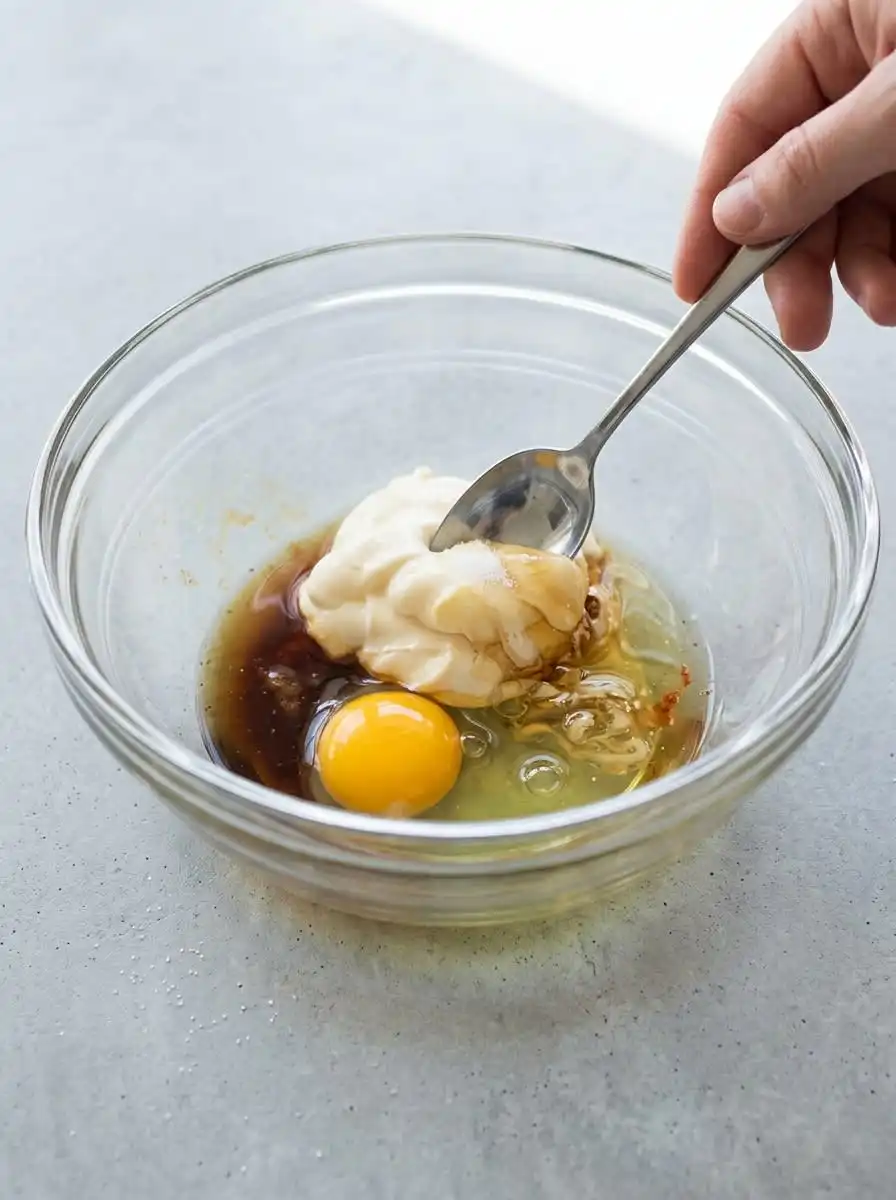
- Create the emulsion. In a separate bowl, vigorously whisk the room-temperature eggs, olive oil, sugar, and vanilla for 60 seconds until the mixture is uniform and pale.
- Incorporate remaining ingredients. Gently fold the grated zucchini, dry flour mixture, and chopped walnuts into the wet emulsion using a rubber spatula until just combined.
- Bake the cakes. Divide the batter between the prepared pans and bake for 50 to 60 minutes, rotating pans halfway through, until a skewer comes out mostly clean.
- Cool the loaves. Rest the cakes in their pans for 15 minutes, then use the parchment sling to transfer them to a wire rack to cool completely before slicing.
Notes
- Avoid squeezing the grated zucchini to ensure the recipe retains its intended hydration levels.
- Room-temperature eggs are vital for creating a stable fat-and-liquid emulsion that prevents oil separation.
- Use metal pans instead of glass to achieve superior thermal conductivity and a more uniform rise.
- Wait until the cake is fully cooled to room temperature to ensure the internal starch structure is set and slices cleanly.
- Prep Time: 15 mins
- Cook Time: 60 mins
- Category: Dessert
- Method: Baking
- Cuisine: American
Weighed & Ready
Achieving a stable crumb in quick breads requires precise ratios of fat, flour, and moisture-releasing ingredients. Each element must be weighed on a digital scale to prevent the common failure of a dense, soggy interior. By understanding the chemical function of each component, you can approach the baking bench with the quiet confidence of a professional pastry chef.
- Grated zucchini: This ingredient acts as a moisture reservoir, slowly releasing water during bake time to maintain freshness without collapsing the delicate cell structure. It contributes structural moisture that is released progressively as the starches set, guaranteeing the cake remains soft for days.
- Greek yogurt: The natural acidity in the yogurt weakens the gluten network, producing an exceptionally tender crumb while activating the chemical leaveners. It also adds a rich density and dairy fat that enhances the mouthfeel without adding excess water.
- Extra light olive oil: This fat coat of lipid molecules surrounds the flour proteins, preventing excess gluten development and guaranteeing a soft slice. Unlike butter, liquid oil remains fluid at room temperature, which guarantees a moist crumb even after refrigeration.
- Large eggs: At room temperature, eggs form the stable protein matrix that holds the cake’s volume and prevents structural collapse under the weight of the zucchini. They act as the primary binder, emulsifying the fats and liquids into a cohesive batter.
- Ground cinnamon: Beyond adding warm aroma, cinnamon contains compounds that subtly interact with starches during gelatinisation to keep the cake stable. It cuts through the sweetness, providing a classic flavor profile that pairs beautifully with the earthy zucchini.
- Chopped walnuts: These provide a dry, structural counterpoint that breaks up the dense crumb, absorbing excess surface oil as the cake bakes. Their earthy crunch contrasts beautifully with the tender cake, offering necessary variety in every bite.
| Ingredient | Why It Matters |
|---|---|
| All-purpose flour | Provides the gluten matrix needed to suspend zucchini shreds. |
| Baking soda | Reacts with acidic yogurt to create immediate oven spring. |
| Fine sea salt | Strengthens gluten strands and balances sugar sweetness. |
| Granulated sugar | Delays starch gelatinisation to keep the crumb tender. |
The Tested Procedure
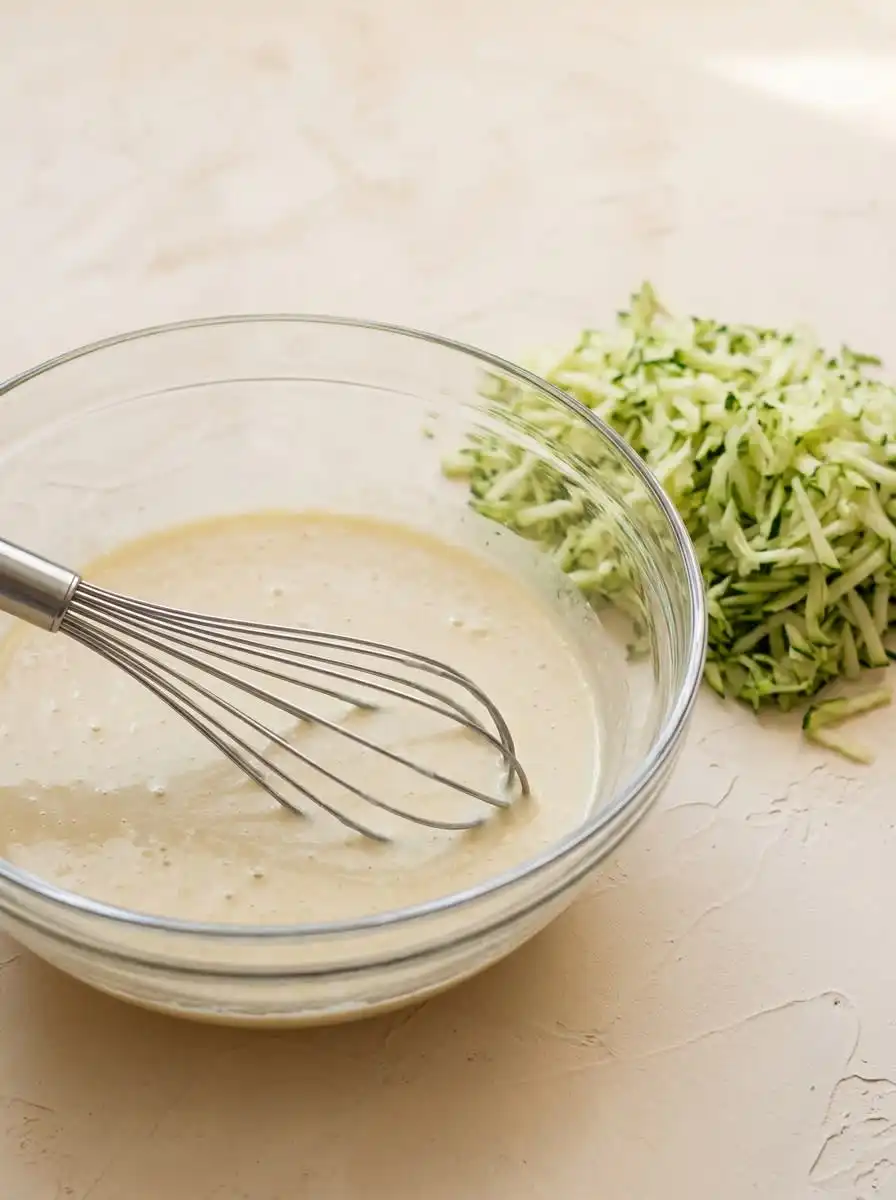
Step 1: Preparing the Baking Pans and Oven
To guarantee a clean release and prevent the delicate outer crust from tearing, preheat the oven to 350°F (177°C) with the rack set in the center position. Butter two metal loaf pans measuring 8×4 inches, then line each with a sheet of parchment paper, leaving a two-inch overhang on the long sides. This parchment sling allows you to lift the baked loaves without placing undue stress on their fragile hot structures. Metal pans are preferred over glass because they conduct heat more rapidly, encouraging immediate steam production and a cleaner rise. Glass pans can cause the exterior to bake too quickly while the interior remains undercooked, resulting in a soggy, fallen middle.
Step 2: Combining the Dry Ingredients
In a clean mixing bowl, whisk together 3 cups of all-purpose flour, 1.5 teaspoons of baking powder, 1 teaspoon of baking soda, 1 teaspoon of fine sea salt, and 2 teaspoons of ground cinnamon. Whisking for a full 30 seconds distributes the leavening agents evenly throughout the flour matrix, preventing pockets of uneven rise or metallic-tasting soda spots. This dry blend forms the structural skeleton of the loaf, ready to absorb the liquid ingredients without clumping. The fine sea salt is crucial here, as it strengthens the gluten strands, allowing the cake to hold the weight of the heavy zucchini shreds. Additionally, sift the ingredients if your flour contains clumps, as uniform particle size guarantees consistent starch gelatinisation.
Step 3: Creating the Wet Emulsion for Zucchini cake with Greek yogurt
In a separate large bowl, combine the 3 room-temperature eggs, 1 cup of extra light olive oil, 1.5 cups of granulated sugar, and 1 tablespoon of vanilla extract. Whisk vigorously for 60 seconds until the mixture is fully emulsified, looking uniform and slightly pale, which guarantees the oil will not separate during the baking cycle. Whisking the eggs thoroughly at room temperature also helps capture microscopic air pockets, which assist the chemical leaveners in creating a light, airy crumb. This emulsion is the foundation of the cake’s moisture, locking the fats in place before they enter the oven. If the eggs are cold, they can cause the oil to seize or separate, leading to an uneven bake.
Step 4: Incorporating the Fresh Zucchini and Walnuts
Grate 3 cups of fresh zucchini using the large holes of a box grater, making sure not to squeeze or compress the shreds as their natural moisture is calculated into this recipe. Fold the grated zucchini, the dry flour mixture, and the chopped walnuts into the wet emulsion using a rubber spatula only until the dry pockets disappear. Over-mixing at this stage will overwork the gluten proteins, turning a tender loaf into a tough, bread-like structure. The folding motion must be gentle but thorough, guaranteeing the zucchini is evenly suspended throughout the thick batter. The green flecks of zucchini add beautiful color and structure without compromising the soft mouthfeel of the cake.
Step 5: Baking to Set the Crumb
Divide the batter evenly between the two prepared loaf pans, smoothing the tops with an offset palette knife to encourage an even rise. Bake at 350°F (177°C) for 50 to 60 minutes, rotating the pans halfway through to guarantee uniform heat distribution. The cakes are baked when a wooden skewer inserted into the center comes out dry with a few moist crumbs attached, indicating the starches have set completely. Watch the crust closely during the last ten minutes; it should be a deep golden brown and firm to a light touch. If the loaves are browning too quickly, tent them loosely with aluminum foil to protect the upper crust while the core finishes baking.
Step 6: Cooling on the Wire Rack
Remove the pans from the oven and set them on a wire cooling rack, letting them rest undisturbed for exactly 15 minutes. During this brief resting phase, the internal steam cools slightly, allowing the starch matrix to firm up so the loaves do not collapse when moved. Carefully lift the loaves out using the parchment sling, transfer them directly to the wire rack, and let them cool completely before slicing. This unhurried cooling period is essential, as slicing a hot quick bread will tear the delicate crumb and make it appear gummy. Patience at this stage guarantees clean, elegant slices that showcase the cake’s balanced structure.
Technique Refinements
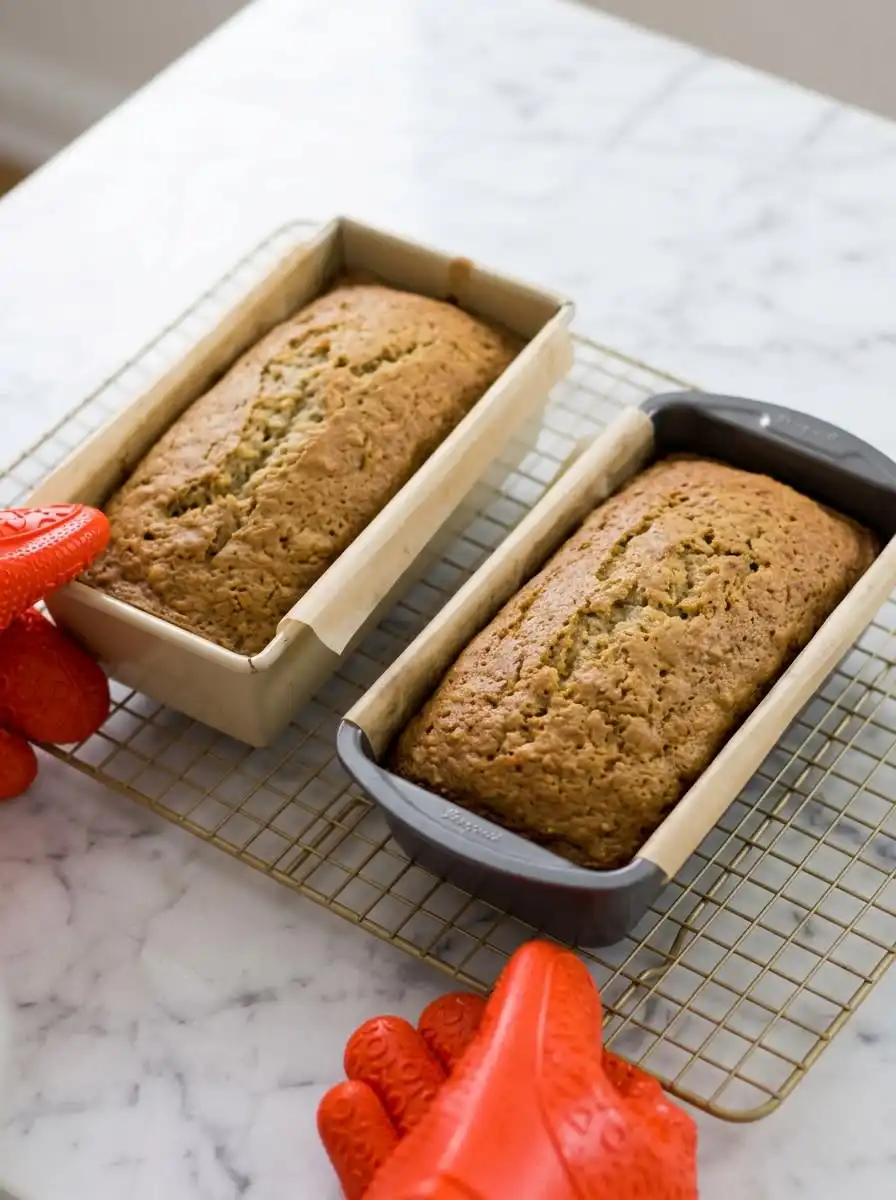
Always measure your flour by weight rather than volume. A digital scale guarantees you do not pack excess flour into a measuring cup, which is the primary cause of a dry, heavy bake. If you must use cups, fluff the flour first, spoon it gently into the cup, and level it off with a flat edge.
If your cake sinks in the middle during baking, here is why and how to fix it. This collapse occurs when the zucchini is grated too finely or squeezed, releasing too much water all at once and overwhelming the gluten structure; to fix this next time, make sure you use the coarse side of your grater and do not squeeze the shreds. The large shreds release their moisture slowly, allowing the cake to set before the water can destabilize the starch matrix.
Make sure your Greek yogurt is full-fat and plain. Low-fat varieties contain excess water and stabilizers that disrupt the protein-to-fat ratio, causing the crumb to become rubbery. The fat in whole-milk Greek yogurt acts as a natural crumb shortener, yielding a tender, velvety texture.
For those looking to add a rich cocoa element to their baking repertoire, comparing this recipe with our one bowl chocolate zucchini cake will reveal how cocoa powder alters the hydration needs of the batter. Cocoa is highly drying, so adjusting the wet-to-dry ratios is critical when modifying a standard quick bread batter.
Keep the oven door closed for the first 40 minutes of baking. Opening the door too early introduces cool air that can deflate the delicate structure before the proteins have fully coagulated. Trust the timer and use the oven light to monitor the rise of your loaves instead of opening the door.
Do not wrap or store the loaves while they are still warm. Trapping steam inside a plastic wrap will soften the crust, turning a crisp protective shell into a soggy layer. Allow the loaves to cool for at least two hours on a wire rack before wrapping them tightly in parchment and plastic wrap.
Frequently Asked Questions
Do you have to squeeze the water out of zucchini for cake?
No, you should not squeeze the water out of the zucchini for this specific recipe. The formulation relies on the exact water content of the unsqueezed zucchini to hydrate the starches during baking. Squeezing the vegetable will result in a dry, crumbly loaf that lacks the characteristic tenderness.
Should you peel zucchini for cake?
Peeling the zucchini is unnecessary and actually deprives the cake of structural integrity and color. The skin melts into the batter during baking, leaving tiny, attractive green flecks without affecting the mouthfeel. Wash the zucchini thoroughly and grate it directly with the skin intact.
Why is my zucchini cake dense or gummy?
A gummy interior usually indicates that the batter was over-mixed, which over-develops the gluten network and traps too much moisture. It can also occur if the oven temperature was too low, preventing the starches from fully gelatinising and setting the crumb. Always use a digital thermometer to verify your oven’s temperature.
What can substitute for Greek yogurt in a cake?
You can substitute sour cream in a one-to-one ratio by weight, as it has a similar acidity and moisture level. If you prefer a lighter alternative, traditional buttermilk can work, though you may need to reduce the oil by a tablespoon to compensate for the thinner consistency. For a lighter citrus variation, our [lemon yogurt cake 2](https://meltcake.com/lemon-yogurt-cake-2/) demonstrates how yogurt ratios affect crumb structure.
Does Greek yogurt make cake better?
Greek yogurt improves cake texture by providing acidity, which breaks down gluten for a more tender bite. It also adds moisture and a subtle tang without thinning the batter like milk or water would. This guarantees the loaf maintains its structural strength while remaining exceptionally moist.
Can you taste the zucchini in the cake?
You cannot taste the zucchini in the final baked cake at all. Zucchini has an extremely mild flavor profile that acts as a neutral canvas, absorbing the warm cinnamon and sweet vanilla. Its primary function is purely structural, acting as a moisture-release agent during the baking process.
Considered Adjustments
Spiced Ginger and Zucchini Loaf. You can replace the cinnamon with ground ginger and add finely chopped crystallized ginger to the dry mixture. This variation offers a sharp, warming bite that complements the creamy yogurt base beautifully. It is an excellent twist for late autumn, pairing beautifully with a cup of black tea.
The Cocoa-Infused Alternative. For a deeper, richer profile, you can swap half a cup of flour for high-quality Dutch-process cocoa powder. This adjustment mimics the rich depth found in our healthy chocolate zucchini cake, requiring an extra tablespoon of yogurt to balance the dryness. Be sure to sift the cocoa powder with the flour to prevent stubborn clumps from forming in the batter.
Citrus and Olive Oil Twist. Substitute the vanilla extract with fresh orange zest and use a robust extra virgin olive oil. This French-inspired modification yields a bright, grassy flavor profile that contrasts elegantly with the earthy zucchini. It is a sophisticated option for morning tea, offering a lighter mouthfeel and a subtle citrus aroma.
Serving the Structure
Slicing this cake requires a long, sharp serrated bread knife to avoid compressing the delicate crumb. For the cleanest slices, allow the loaf to cool completely to room temperature so the starches can fully set. If sliced while hot, the steam escapes too rapidly, causing the interior structure to compress and appear wet.
Serve each slice at room temperature alongside a warm cup of Earl Grey tea. If you prefer a decadent touch, lightly toast a slice under the broiler for 60 seconds and spread a thin layer of salted butter or cream cheese across the surface. This technique caramelizes the exterior sugars, highlighting the delicate balance between the crisp shell and the soft interior.
For those who enjoy experimenting with structural fruit bakes, presenting this alongside our moist zucchini banana cake offers an engaging study in how different plant-based sugars and starches interact with the flour matrix to yield unique crumb densities.
Recipe Recap
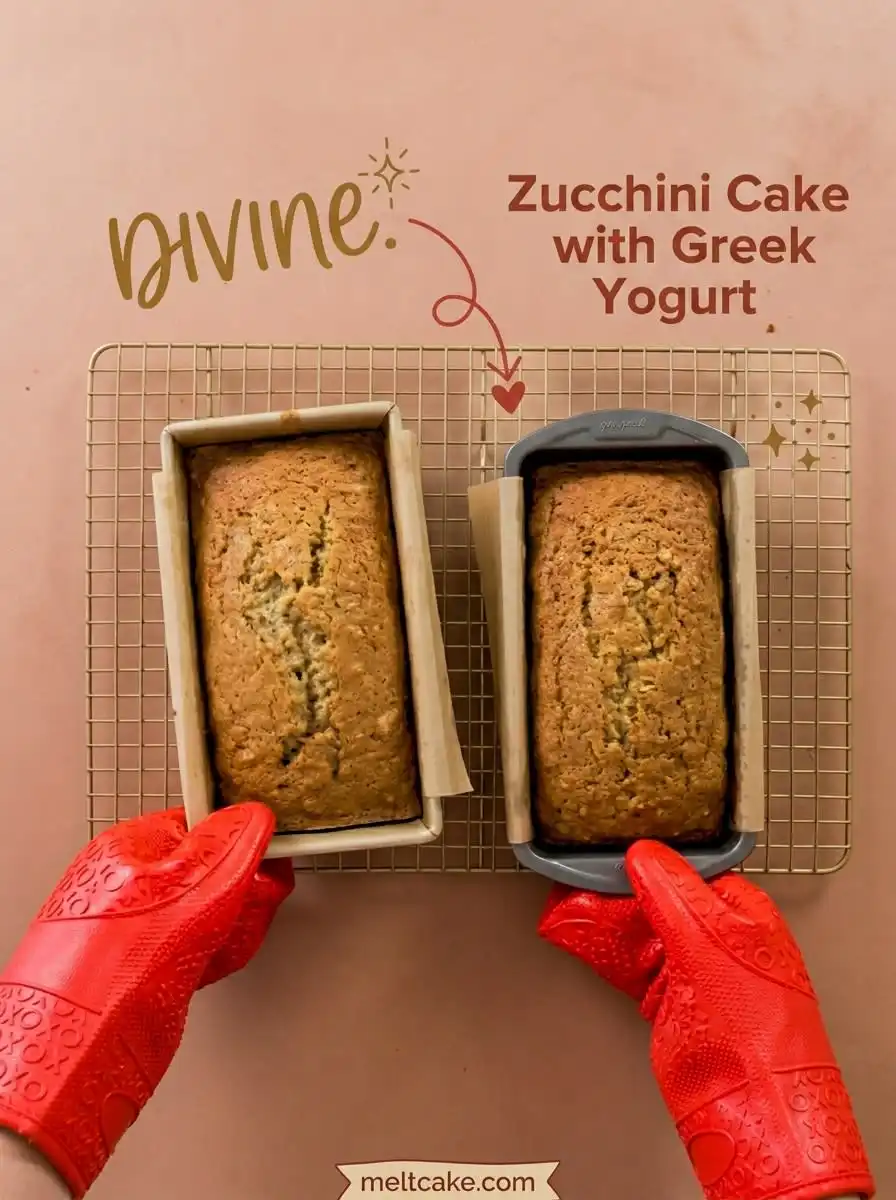
Baking is a science where small adjustments dictate the physical outcome of your crumb. By balancing the high moisture of grated zucchini with the structured protein of Greek yogurt, this loaf delivers consistent results every time. We hope you find as much satisfaction in the precise execution of this bake as we do on the Melt Cake bench.
For more insight into how dairy acidity affects crumb structure in delicate bakes, review our guide on the lemon yogurt cake 2. We invite you to share your baking results and precision notes with our community of ambitious home bakers. Your feedback helps refine our collective understanding of pastry science.
Connect with us on Pinterest, Facebook, and Telegram to stay updated on our latest technical recipes and structural pastry insights.