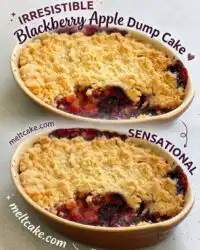
A crisp, buttery shell protecting an ideally set fruit center requires strict structural control to avoid a soggy bake.

Executing a flawless Blackberry Apple Dump Cake demands a clear understanding of starch gelatinisation and moisture control. As the fresh blackberries and diced apples cook at 190°C, they release a high volume of water that can easily compromise the crumb structure. By coating the fruit in a thin barrier of plain flour, we bind these escaping juices into a stable, glossy gel. Structure is what makes the melt possible.
Most failures in this style of baking stem from uneven heat distribution across the dry cake layer. When cold butter is sliced and laid on top, it must melt at an identical rate to the steam rising from the fruit beneath. This precise thermal alignment allows the flour to hydrate fully, forming a crisp, golden crust rather than dry, powdery pockets. Weighing each component on a digital scale guarantees the exact ratio of starch to fat, providing a predictable bake every single time.
What Makes the Texture Right in Blackberry Apple Dump Cake
Prep: 15 min · Serves: 8 · Difficulty: Medium
- Crisp, buttery top shell protects the fruit.
- Pectin in apples maintains stable structural bite.
- Flour coating binds excessive juice release.
- Even heat distribution prevents powdery flour spots.
- Precise ratios guarantee consistent golden bake.
This technique yields an ideally set fruit base under a crumbly, golden-brown crust without the typical soggy layers. Ambitious bakers will find this systematic approach to the classic apple dump cake format to be highly reliable.
Get The Full Cake Recipe
Print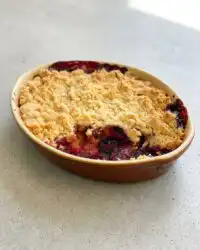
Blackberry Apple Dump Cake
- Total Time: 1 hour 10 mins
- Yield: 8 servings
- Diet: Vegetarian
Description
This Blackberry Apple Dump Cake utilizes a precise flour coating technique to manage fruit moisture, resulting in a perfectly set jammy interior beneath a crisp, golden-brown butter crust. By carefully balancing starch gelatinisation and heat distribution, this method ensures a professional-grade dessert that holds its shape beautifully when sliced.
Ingredients
- 400g firm baking apples, peeled and diced into 1cm cubes
- 200g fresh blackberries
- 50g caster sugar
- 1 tablespoon plain flour
- 150g dry cake mix (flour and sugar blend)
- 100g cold unsalted butter, cubed into 5mm pieces
Instructions
- Prepare the fruit. Peel and core the apples, slice into 1cm cubes, and toss with blackberries in a bowl ensuring they are dry.
- Coat the fruit. Sprinkle caster sugar and plain flour over the fruit mixture, tossing until each piece is evenly coated to create a starch barrier.
- Layer the base. Press the coated fruit into a 27cm by 19cm ceramic baking dish, then spread the dry cake mix evenly over the top.
- Distribute the butter. Arrange the small cold butter cubes in a uniform grid pattern across the entire surface of the dry mix.
- Bake the cake. Bake at 190°C for 45 to 55 minutes until the fruit juices bubble slowly and the crust is deep golden brown.
- Cool and set. Rest the dish on a wire rack for at least 20 minutes before serving to allow the fruit starches to firm up.
Notes
- Use a box grater to shave the cold butter for a more even distribution and a faster, more uniform melt across the crust.
- Always ensure your fruit is thoroughly dry before tossing it with the flour to prevent clumping and ensure proper moisture control.
- Allowing the cake to rest after baking is essential for the pectin to set the fruit juices into a stable, jam-like consistency.
- For the best results, use a digital kitchen scale to measure your ingredients as small variances in flour or sugar can impact the crust texture.
- Prep Time: 15 mins
- Cook Time: 55 mins
- Category: Dessert
- Method: Baking
- Cuisine: Modern British
The Working Components
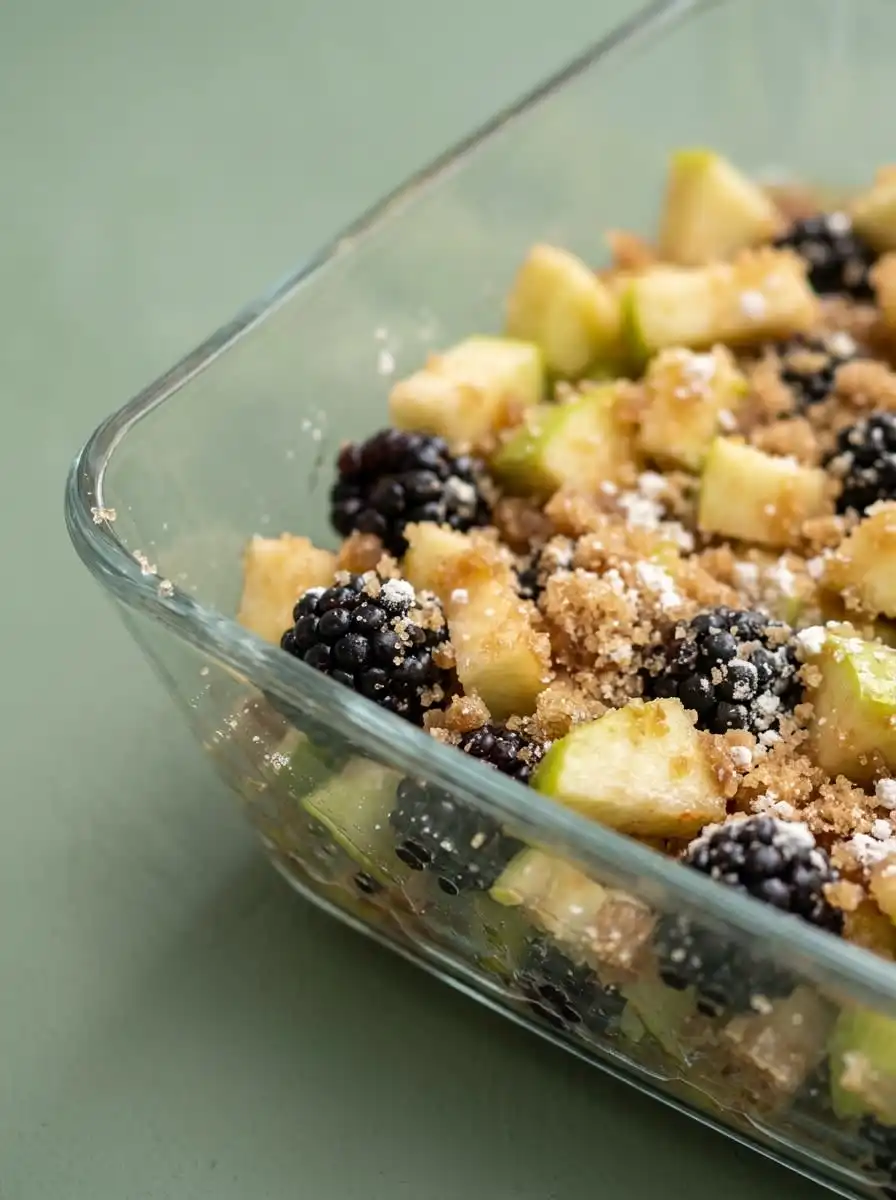
Each selected ingredient performs a specific physical role in stabilizing the cake’s structure. Balancing the high water content of the fruit with structural starches prevents a collapsed dessert and ensures a clean slice.
- Apples: Firm varieties provide structural pectin, which keeps its shape and bite under heat.
- Blackberries: These acidic berries add brightness while releasing juice that hydrates the bottom starch layer.
- Plain Flour: Actively coats the fruit to form a protective starch barrier, absorbing excess moisture as it gelatinises.
- Butter: Cold, cubed unsalted butter melts slowly at 190°C to saturate the cake mix without water-logging the crumb.
- Caster Sugar: The fine crystals draw out precisely enough fruit juice to dissolve the starches while providing clean sweetness.
- Demerara Sugar: Added to the filling to provide a deep caramel flavor and a slight structural crunch to the base.
| Ingredient | Why It Matters |
|---|---|
| Apples | Pectin preservation and structural bite |
| Blackberries | Acid balance and moisture release |
| Plain Flour | Starch gelatinisation and juice binding |
| Butter | Solid fat barrier and crust hydration |
| Caster Sugar | Soluble solids and thermal browning |
The Tested Procedure
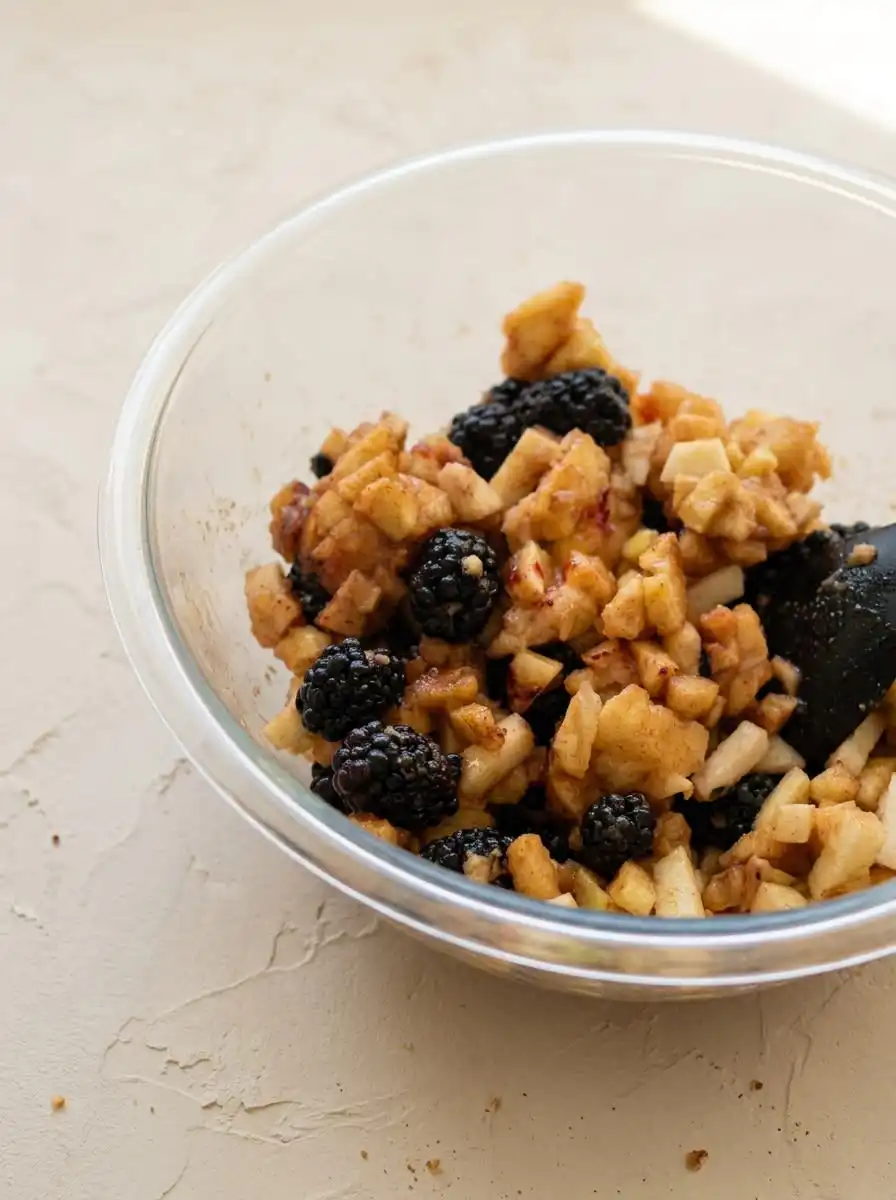
Step 1: Preparing the Fruit Base
Peel and core 400 grams of firm baking apples, slicing them into uniform 1-centimeter cubes. Combine these with 200 grams of fresh blackberries in a clean mixing bowl to distribute the weight evenly. Verify the fruit is dry to the touch before mixing, as surface moisture can disrupt the starch balance.
Step 2: Coating and Starch Activation
Sprinkle 50 grams of caster sugar and 1 tablespoon of plain flour over the fruit. Toss the mixture gently with a silicone spatula until every piece of fruit exhibits a dusty, white-coated appearance. This thin barrier of flour only binds the juices as they emerge during baking, preventing a soggy pool.
Step 3: Layering the Blackberry Apple Dump Cake
Transfer the coated fruit mixture into a 27cm by 19cm ceramic baking dish, pressing it down firmly. The pressed fruit should form a level, compact base so that it can support the dry cake mix layer. Sprinkle 150 grams of the flour-and-sugar dry mixture evenly over the fruit, checking that the surface resembles dry, level sand.
Step 4: Butter Distribution for Emulsion
Cut 100 grams of cold, unsalted butter into precise 5-millimeter cubes. Place these cubes in a uniform grid pattern across the top of the dry cake mix layer, leaving no large gaps of exposed flour. This close spacing guarantees that as the butter melts in the oven, it saturates the dry flour evenly to form a cohesive, bubbly crust.
Step 5: Thermal Baking Cycle
Bake at 190°C (170°C fan-assisted) on the middle oven rack for 45 to 55 minutes. Watch for the juices to bubble thick and slow at the edges of the dish, indicating full starch gelatinisation. Confirm the top crusts over into a deep, golden-brown shell that cracks slightly when pressed gently with a spoon.
Step 6: Cooling and Setting the Structure
Remove the dish from the oven and place it on a wire cooling rack for a minimum of 20 minutes before serving. During this cooling phase, the fruit starches and pectins set, transitioning the hot liquid into a spoonable, jam-like texture. Skipping this step will result in a hot, runny filling that cannot support the golden crust above.
Technique Refinements
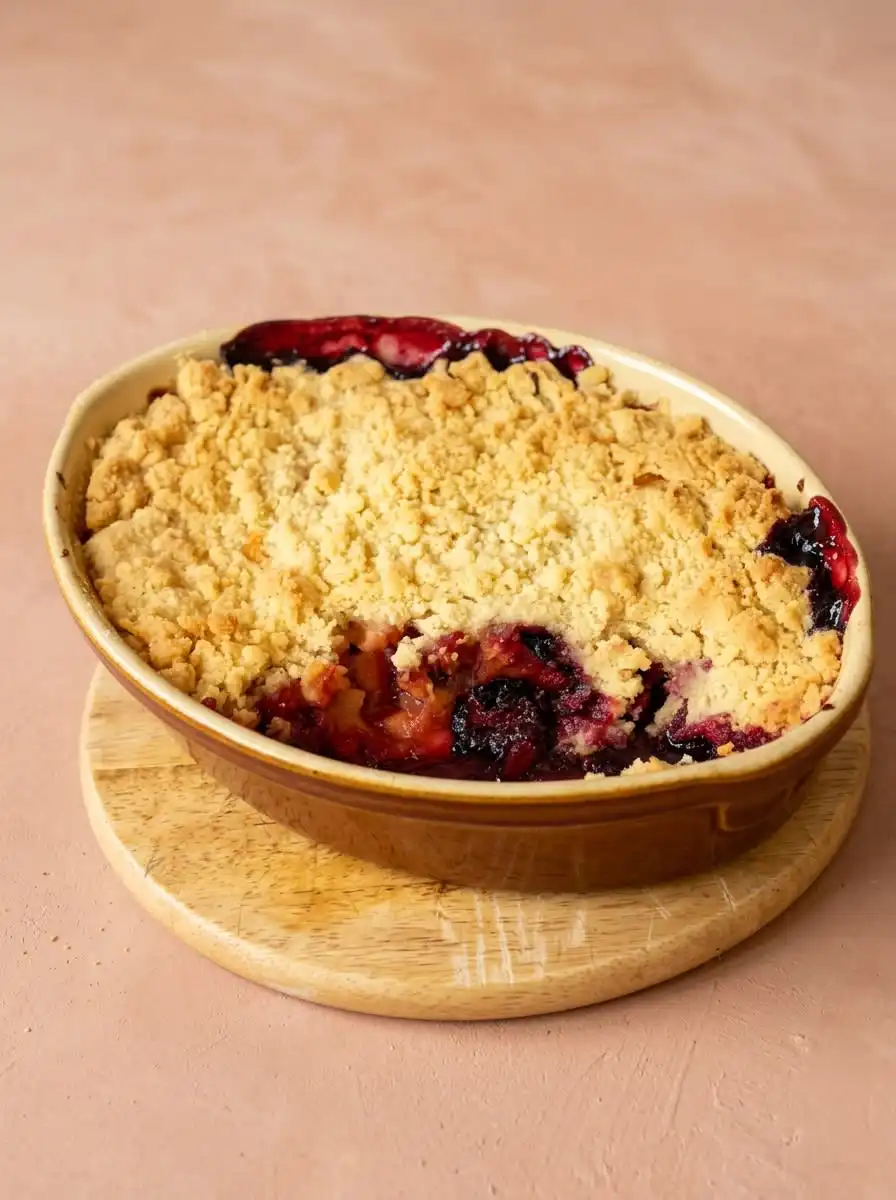
To achieve a truly uniform crust, grate your cold butter using a box grater instead of slicing it. Grated butter melts faster and coats the dry starch grains instantly, preventing dry flour pockets from forming. This simple mechanical adjustment allows the fat to hydrate the dry cake mix before the fruit juices begin to boil.
If your top layer has dry, powdery spots, here is why and how to fix it. This issue occurs when the butter was not distributed evenly enough, leaving patches of dry mix untouched by fat. You can easily fix this by placing small slivers of butter directly onto those dry spots during the last 15 minutes of baking, allowing them to melt and fuse the starch.
Avoid using overripe fruit, as its high water content and degraded pectin will ruin the cake’s structural skin. Selecting slightly underripe apples ensures the fruit retains enough natural acidity and pectin to gel beautifully. Read this detailed guide on how to bake apple and blackberry crumble for a deeper understanding of fruit bake dynamics.
Consider using a digital scale to weigh your dry ingredients rather than using volumetric cups. Precision measurement prevents a heavy, dry crumb and ensures the ratio of liquid released by the fruit perfectly matches the absorbing capacity of the flour. Weighing is the only way to achieve predictable results on the pastry bench.
Before adding the dry cake mix layer, firmly press down on the fruit filling with the back of a large spoon. Creating a flat, dense fruit foundation prevents the dry mix from falling into deep crevices where the butter cannot reach it. This step is key to keeping the crumble on top of the fruit during cooking, maintaining the crispness of the crust.
For a more technical approach to your baking, you can study how different cake mixes affect the hydration of the fruit. Using a high-quality blackberry dump cake cake mix formulation guarantees that the starches are balanced for quick hydration under direct oven heat.
Frequently Asked Questions
Why is it called a dump cake?
This name refers to the quick method of preparing the dessert, where ingredients are layered directly into the baking dish without prior mixing. Unlike standard cakes that require creaming butter and sugar, this recipe relies on the heat of the oven to melt the top fat layer down into the dry starch. This unique thermodynamic process hydrates the flour layer as steam rises from the bubbling fruit below.
Can I mix the cake mix into the fruit?
You must not mix the dry cake mix directly into the fruit layer, as doing so will destroy the distinct structural layers. Mixing them together results in a dense, gummy paste because the flour absorbs too much moisture before baking. Keeping them separate ensures the bottom fruit layer boils while the top layer remains light, crisp, and crumbly.
What if there are dry, powdery spots on top?
Dry, powdery spots indicate that the butter was not distributed evenly enough to hydrate the dry mix in those areas. To fix this, you can place a few thin pats of cold butter directly onto the dry flour patches during the final 15 minutes of baking. The melting butter will quickly saturate the dry starch and form the desired golden-brown crust.
Should I thaw frozen blackberries first?
You do not need to thaw frozen blackberries, but you must coat them in a small amount of extra starch to absorb the excess moisture. Frozen berries release significantly more water than fresh ones as their cell walls break down during freezing. Adding an extra half-tablespoon of plain flour to the filling will bind this additional liquid during gelatinisation.
Which cake mix pairs best with apple and blackberry?
A high-quality yellow or white cake mix pairs best with these fruits because it provides a neutral, buttery canvas that allows the tart fruit flavours to stand out. Alternatively, a spiced cake mix can be used to complement the apples with warm notes of cinnamon and nutmeg. Whichever you choose, make certain the dry mix is free of large lumps before layering it over the fruit.
How do I store leftovers?
Store any leftover cake in an airtight container in the refrigerator for up to four days. To preserve the crispness of the top crust, reheat the desired portion in a 175°C oven for 10 minutes rather than using a microwave. Reheating in the oven dries out any moisture that has migrated into the crust, restoring its original bite.
Considered Adjustments
To adapt this recipe for a stone-fruit profile, substitute the diced apples with firm, fresh peaches. This swap yields an immaculate blackberry peach dump cake variation with a slightly softer, more floral texture that gelatinises quickly in the oven. Keep the weight of the fruit identical at 600 grams total to maintain the liquid-to-starch ratio.
Another excellent adjustment is the inclusion of ground cardamom or cinnamon in the dry cake mix layer. Adding 1/2 teaspoon of ground cardamom to the dry mix enhances the woody notes of the blackberries without disrupting the fat-to-starch emulsion. Make certain the spice is thoroughly whisked into the flour before layering to avoid concentrated bitter pockets.
For a variation with a highly textured crust, replace 30 grams of the dry flour mixture with toasted, finely ground almonds. This creates a nut-rich, crumb-like structure reminiscent of a French frangipane tart. The fat within the almonds adds a rich depth, though it requires an extra 5 minutes of bake time to guarantee the center sets properly.
Serving the Structure
To showcase the beautiful texture of this dessert, serve it warm but not piping hot, allowing the fruit filling to stabilize on the plate. A pool of cold, unsweetened pouring cream or a scoop of high-quality vanilla bean ice cream provides a perfect thermal contrast to the warm bake. The melting ice cream forms a luxurious sauce that mingles with the acidic blackberry juices without making the crust soggy.
If you are hosting a formal gathering, slice the bake into clean portions using a sharp offset palette knife. For a presentation reminiscent of a classic pastry shop, dust the top crust lightly with confectioners’ sugar immediately before serving. This styling technique highlights the golden peaks and valleys of the baked butter layer, emphasizing the handmade quality of your work.
For an authentic British tea experience, serve this bake alongside a warm cup of Earl Grey or English Breakfast tea. The astringent tannins in the black tea cut through the rich butter crust, cleansing the palate between every sweet bite. This serving style mirrors the classic presentation of a classic peach cobbler dump cake served during quiet afternoon gatherings.
What the Technique Gives You
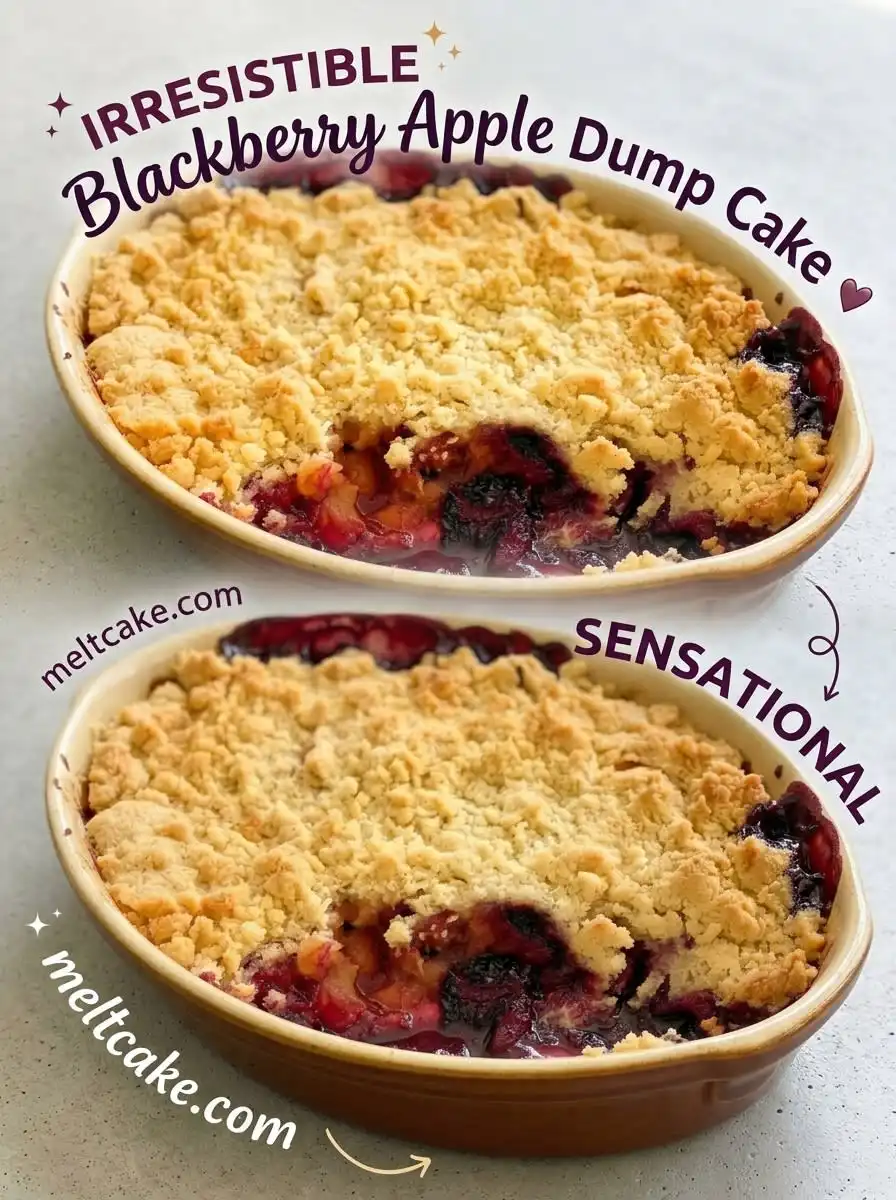
Mastering the physics of a dump cake transforms a simple dessert into a showcase of baking precision. By controlling the moisture release of the fresh fruit and maintaining an even distribution of fat, you achieve a reliable texture that holds its structure from the oven to the plate. This methodical approach refines your home baking, proving that understanding the science behind the ingredients always pays off. Weigh it, time it, trust it.
Once you have mastered this recipe, you can apply these same structural principles to other layered fruit bakes. For instance, the same hydration techniques work beautifully when executing a 3 ingredient blueberry dump cake or other seasonal fruit cobblers. Let precision be your guide as you test different combinations of fruit, starch, and fat.
I invite you to weigh your ingredients, time your bake, and share your technical success with the baking community. Connect with other passionate bakers and share your results on Pinterest, Facebook, and TikTok. Happy baking, and may your crusts always be crisp and your fillings perfectly set.