In professional pastry kitchens, we learn that sugar is not merely a flavor—it is a structural element. A Snickers bar is a masterclass in textural engineering, balancing the soft resistance of nougat with the snap of chocolate and the crunch of roasted peanuts. Translating that architecture into a cake requires precise moisture control; we must ensure the sponge is tender enough to melt on the palate, yet sturdy enough to support heavy layers of caramel and nut-studded buttercream.

This recipe constructs a stable tower of moist chocolate sponge, peanut butter buttercream, and salted peanut caramel. By utilizing rapid cooling techniques for the sponge, we lock in steam to create a dense, velvety crumb that stands up to the knife without crumbling. It is a study in the balance of salt, sweet, and structure.
Texture Meets Technical Precision
The success of this dessert relies on the interplay of opposing textures. You will appreciate the contrast between the cold, snap-setting chocolate ganache and the room-temperature softness of the peanut butter frosting. The salted caramel acts as the binding agent, providing a chewier mouthfeel that interrupts the softness of the sponge. It is not just about sweetness; it is about the physics of the bite.
Print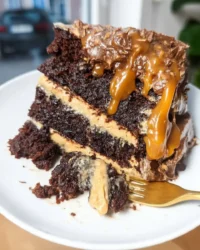
Snickers Cake
- Total Time: 1 hour 10 mins
- Yield: 12 servings
- Diet: Vegetarian
Description
This decadent layered masterpiece combines moist chocolate sponge with a rich salted peanut caramel and smooth peanut butter buttercream. Finished with a glossy chocolate ganache drip, it perfectly captures the iconic textures and flavors of the classic candy bar in a sophisticated dessert form.
Ingredients
- All-purpose flour
- Granulated sugar
- Unsweetened cocoa powder
- Baking powder
- Baking soda
- Salt
- Warm water
- Buttermilk
- Vegetable oil
- Large eggs
- Vanilla extract
- Unsalted butter
- Heavy whipping cream (36% fat)
- Salted peanuts
- Creamy peanut butter
- Powdered sugar
- Chocolate chips
Instructions
- Preheat oven to 350°F (175°C) and line four cake pans with parchment paper.
- Sift the flour, sugar, cocoa, baking powder, baking soda, and salt into a large bowl to ensure a lump-free base.
- Whisk the warm water, buttermilk, oil, eggs, and vanilla in a separate vessel, then combine with the dry ingredients until just smooth.
- Distribute the batter evenly among the pans and bake for 22–25 minutes; immediately move to the freezer for 30 minutes post-bake to lock in steam.
- Prepare the caramel by heating sugar until amber, then stirring in butter, heavy cream, and salt before allowing it to cool and folding in the peanuts.
- Make the buttercream by beating the butter and peanut butter until aerated, then slowly mixing in vanilla, salt, powdered sugar, and heavy cream.
- Level the cooled cake layers and assemble by piping a buttercream dam around the edge of each layer and filling the center with the peanut caramel.
- Stack the layers and chill the entire cake for 20 minutes to set the structure.
- Create the ganache by pouring hot heavy cream over chocolate chips, letting it sit for one minute, then stirring until a glossy emulsion forms.
- Pour the ganache over the top of the chilled cake, guiding the drips down the sides, and let set before serving.
Notes
To achieve perfectly clean slices, use a sharp serrated knife dipped in hot water and wiped dry between every cut. For the best flavor experience, allow the cake to sit at room temperature for about 30 minutes before serving to ensure the caramel and buttercream reach their ideal melting textures.
- Prep Time: 45 mins
- Cook Time: 25 mins
- Category: Dessert
- Method: Baking
- Cuisine: American
The Structural Foundation
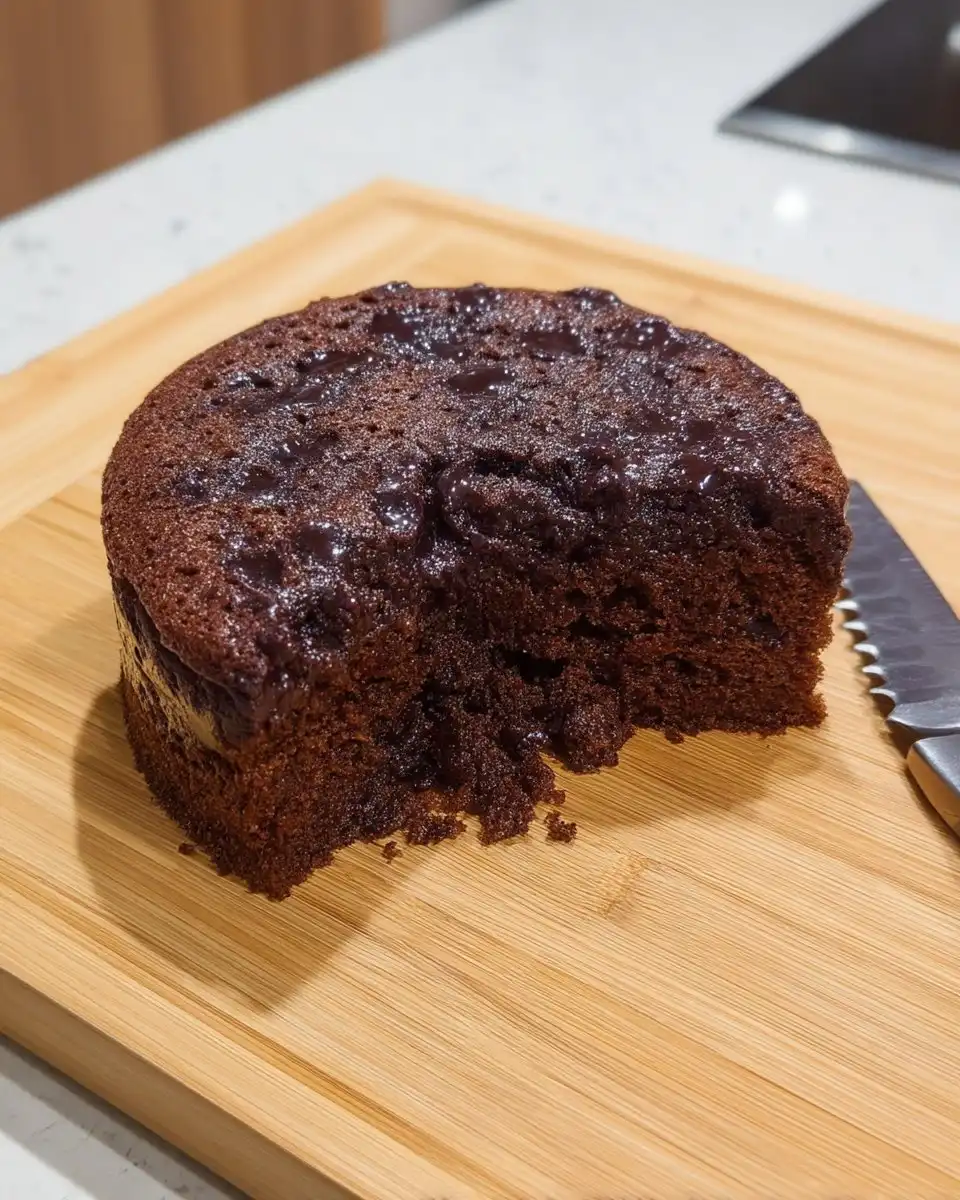
Precision in ingredient selection is critical for the stability of this layered cake. We focus on moisture retention and emulsification to prevent the common fault of a dry crumb or a greasy buttercream.
- Unsweetened Cocoa Powder: This provides the base structure and deep flavor profile. Sifting is mandatory to avoid lumps that create dry pockets.
- Buttermilk & Vegetable Oil: The acidity of the buttermilk breaks down gluten strands for tenderness, while the oil ensures the cake remains moist even after refrigeration.
- Heavy Whipping Cream: Essential for both the caramel and ganache. The fat content must be high (at least 36%) to ensure a smooth emulsion without separation.
- Salted Peanuts: We use salted nuts specifically to counteract the sweetness of the caramel and frosting, creating a sophisticated flavor balance.
- Butter (Room Temperature): For the buttercream, the butter must be malleable but not oily (around 65°F/18°C) to aerate correctly.
Methodical Assembly
Step 1: constructing the Chocolate Sponge
Preheat your oven to 350°F (175°C). Line four pans with parchment. Precision here is key; do not rely on grease alone. Sift your dry ingredients—flour, sugar, cocoa, baking powder, baking soda, and salt—to ensure uniform distribution. In a separate vessel, whisk the warm water, buttermilk, oil, eggs, and vanilla. The warmth of the water helps bloom the cocoa. Combine wet and dry until just smooth; do not overwork, or you will develop tough gluten. Bake for 22–25 minutes until the structure is set but moist.
Step 2: The Caramel Emulsion
While the cakes bake, prepare the caramel. Heat sugar in a saucepan gradually until dissolved and amber. This requires visual attention; if it smokes, the flavor is ruined. Remove from heat and stir in the butter, followed by the cream and salt. If separation occurs, the mixture was likely too hot; simply whisk vigorously as it cools to re-emulsify. Allow it to cool completely before folding in the peanuts to maintain their crunch.
Step 3: Peanut Butter Buttercream
Beat the butter and peanut butter until cohesive and aerated. Add the vanilla and salt. Gradually incorporate the powdered sugar and heavy cream on low speed. We are looking for a spreadable consistency that holds its shape—a stiff peak that does not weep. If it is too soft, the layers will slide.
Step 4: Structural Stacking
Level your cooled cake layers to ensure a straight build. Place the first layer on your board. Pipe a “dam” of buttercream around the edge—this acts as a retaining wall for the soft caramel filling. Fill the center with the peanut caramel, then top with the next cake layer. Repeat. Chill the stacked cake for 20 minutes to firm up the fats before applying the final coat of frosting.
Step 5: The Ganache Finish
Heat heavy cream until it just simmers, then pour over the chocolate chips. Let it sit for one minute to allow the heat to penetrate the chocolate, then stir to a glossy emulsion. Pour over the chilled cake, using a spatula to guide the drips over the edge. The cold cake will set the ganache quickly, freezing the drips in motion.
Jordan’s Structural Secrets
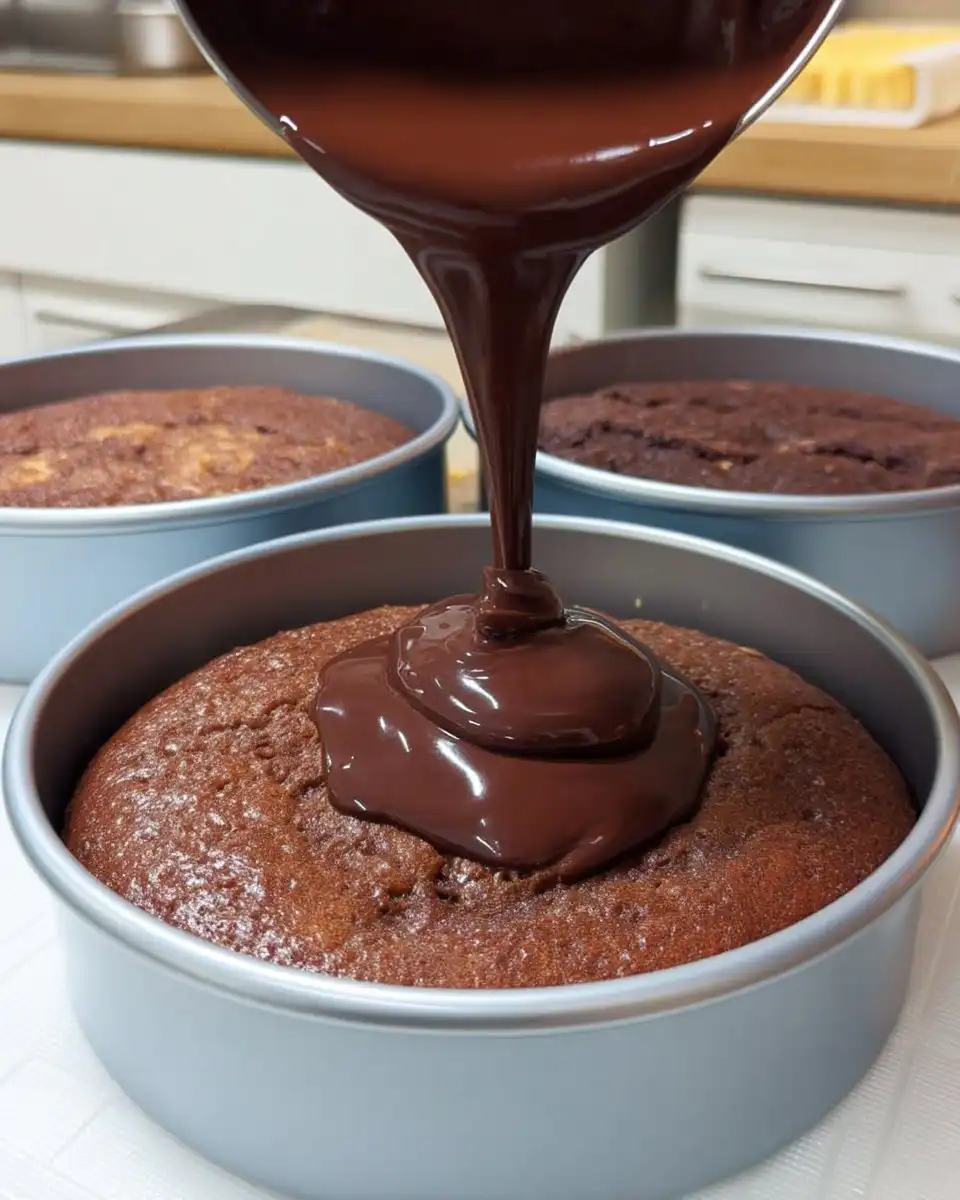
- Temperature Control: The most common failure point in this recipe is assembling with warm cake layers. This melts the butter in the frosting, causing a structural collapse. Ensure your layers are cool to the touch (around 65°F) before stacking.
- The Freezer Trick: After baking, we place the cake pans in the freezer for 30 minutes. This shocks the sponge, stopping the cooking process immediately and trapping steam inside the crumb for superior moisture retention. It is a technique we use in the Cocoa Dream Lab for our densest cakes.
- Caramel Consistency: If your caramel is too runny, it will leak out between the layers. It must be thick enough to spoon, not pour, when you fill the cake. If you are looking for alternative assembly methods, this Snickers cake guide offers another perspective on stacking heavy fillings.
- Emulsification Recovery: If your ganache splits and looks oily, add a teaspoon of cold heavy cream and whisk vigorously. This brings the emulsion back together for a glossy finish.
Technical Adjustments
- Dark Chocolate Ganache: For a less sweet, more adult profile, swap the milk chocolate in the drip for 70% dark chocolate. You may need to increase the cream slightly (to 2/3 cup) to maintain the correct flow viscosity.
- Salted Caramel Drip: Instead of chocolate, you can reserve some of the peanut-free caramel for the drip. Ensure it is warmed slightly to flow, but not hot enough to melt the buttercream.
- Nut Variations: While peanuts are traditional, roasted hazelnuts provide a superior crunch and pair beautifully with chocolate. We explore these nut pairings frequently in our Decadent Occasions collection.
Presenting for Texture
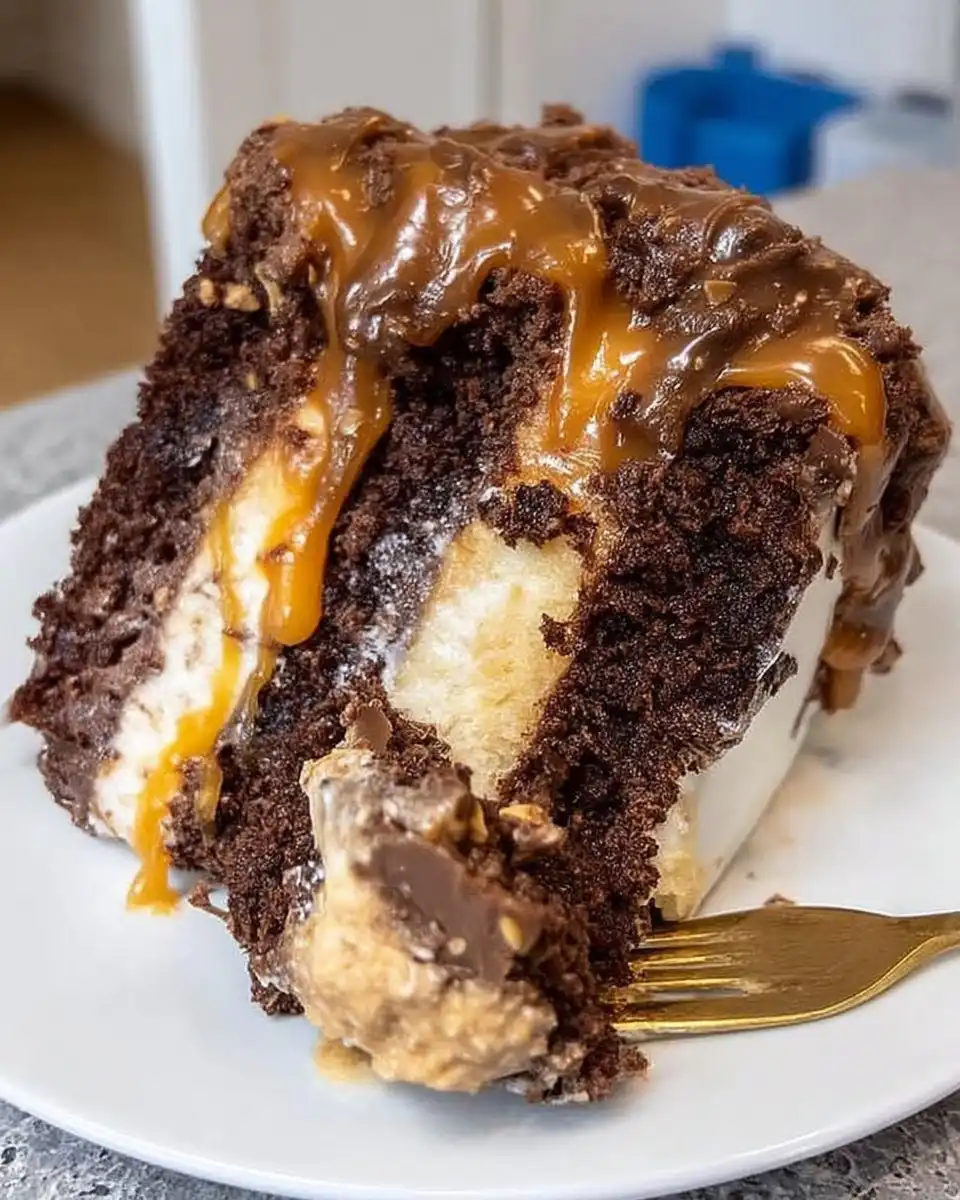
Serve this cake at slightly below room temperature. If it is too cold (straight from the fridge), the caramel will be hard and the buttercream waxy. Allow the cake to sit out for 20–30 minutes before serving. This relaxes the fats, ensuring the buttercream melts on the tongue and the caramel yields easily. For a refined plating, serve with a dollop of unsweetened whipped cream to cut the richness, a technique we often use in our Petite Indulgences range.
Mastering the Melt
This Snickers Cake is more than a confection; it is a triumph of assembly and thermal control. By respecting the temperatures of your components—cool cake, ambient buttercream, warm ganache—you achieve a dessert that is structurally sound yet texturally yielding. Precision in the process guarantees perfection on the plate. For more advanced textural studies, explore our Velvet Crumb Collection.
Share your structural success with us on Pinterest, Instagram, Facebook, or TikTok.