During my early training in London, the head pastry chef insisted that a proper fruit cake is a study in structural engineering, not just mixing. We spent days measuring the precise hydration levels of dried currants to ensure they wouldn’t wick moisture away from the crumb during the long, slow bake. That discipline taught me that the difference between a dry brick and a tender, melting masterpiece lies entirely in the preparation of the fruit and the temperature of the emulsion.

This recipe delivers a rich, dark cake where the fruit is suspended in a batter designed for maximum moisture retention. By balancing the density of muscovado sugar with the structural support of ground almonds, we create a texture that slices cleanly yet dissolves on the tongue. It is a precise method for a classic that deserves its place on the table.
Structure Meets Texture
Many home bakers shy away from fruit cake because of past experiences with dry, crumbly textures or overly dense, gummy bottoms. This recipe solves those structural failures through the science of saturation. By pre-soaking the fruit and using a batter with high fat content and ground almonds, we create a protective matrix that keeps the crumb tender for weeks.
The use of dark muscovado sugar adds molasses, which is hygroscopic—meaning it attracts and holds water—guaranteeing a moist mouthfeel long after baking. The result is a cake that holds its shape perfectly under a knife but offers no resistance when eaten, achieving that elusive balance of solidity and melt.
Print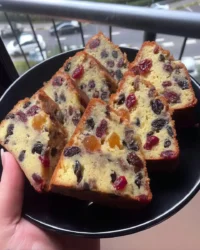
Fruit Cake
- Total Time: 28 hours 30 mins
- Yield: 1 9-inch cake
- Diet: Vegetarian
Description
A rich, moist holiday classic featuring a kilo of deeply hydrated dried fruits suspended in a velvet-crumbed batter. This masterclass in structural baking uses dark muscovado and ground almonds to ensure every slice is perfectly tender and packed with aromatic spices.
Ingredients
- 1kg dried fruit blend (currants, sultanas, raisins, and glacé cherries)
- 150ml brandy or strong black tea
- 250g unsalted butter, softened to 68°F (20°C)
- 250g dark muscovado sugar
- 4 large eggs, room temperature
- 250g all-purpose flour
- 75g ground almonds
- 1 tsp cinnamon
- 1 tsp mixed spice
- Fresh zest of 1 orange
Instructions
- Combine the dried fruit blend, orange zest, and brandy in a non-reactive bowl; cover and soak at room temperature for 24 hours.
- Preheat the oven to 285°F (140°C) and line a greased 9-inch round tin with a double layer of parchment paper.
- Cream the softened butter and dark muscovado sugar in a stand mixer for 5 minutes until fluffy, then beat in the eggs one at a time.
- Sift the flour and spices together, then gently fold them into the butter mixture along with the ground almonds using a spatula.
- Incorporate the soaked fruit and any remaining liquid into the batter until evenly distributed.
- Transfer the batter to the prepared tin, level the surface, and bake for 3.5 to 4 hours until a skewer comes out clean; cool completely in the tin.
Notes
For the best texture, ensure your butter and eggs are at room temperature to maintain a stable emulsion. If the top begins to brown too quickly during the long baking process, tent the tin loosely with foil to protect the crust while the center finishes cooking.
- Prep Time: 24 hours 30 mins
- Cook Time: 4 hours
- Category: Dessert
- Method: Baking
- Cuisine: British
The Technical Foundation
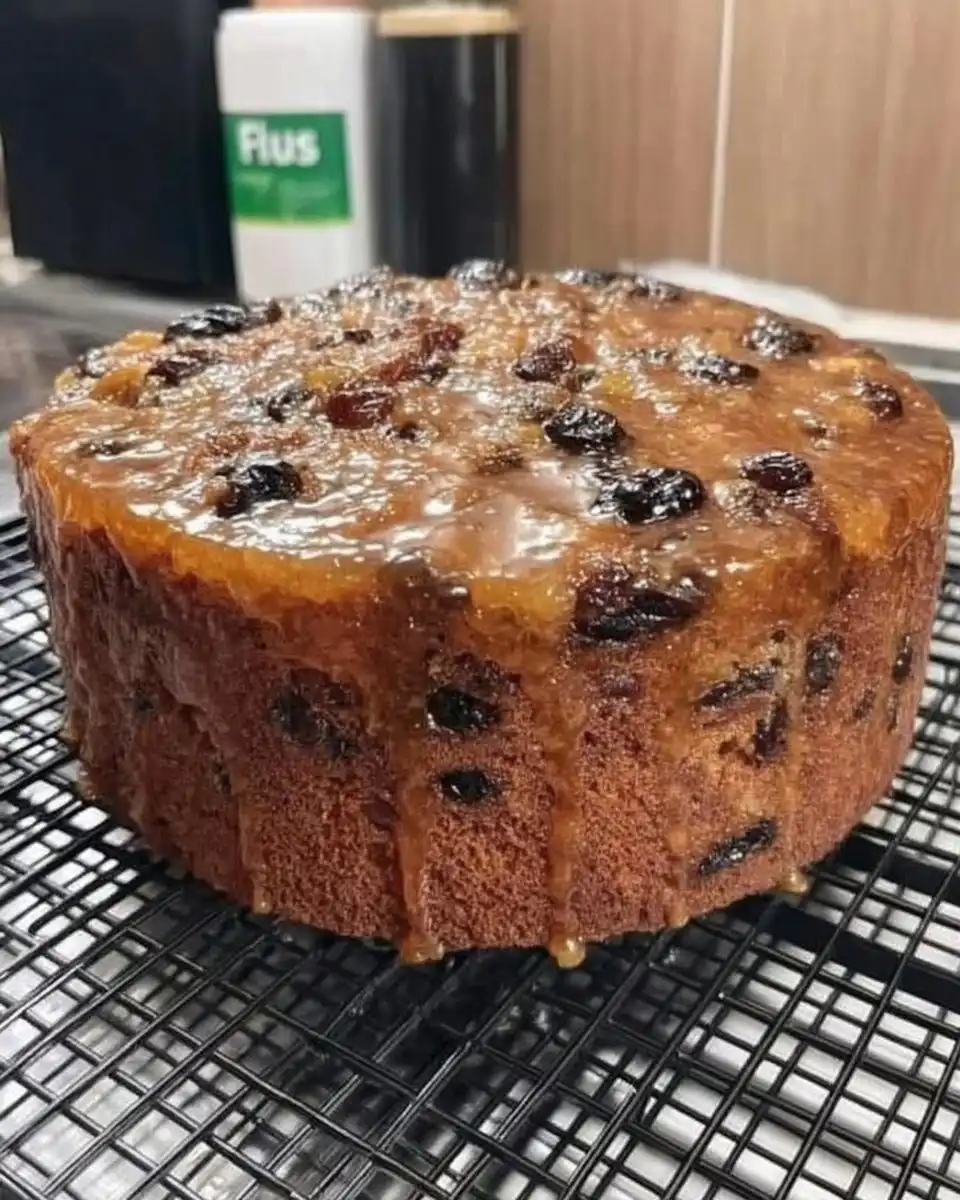
Precision in ingredient selection is non-negotiable for the correct texture. Here is what you need for structural success:
- Dried Fruit Blend (1kg total): A mix of currants, sultanas, raisins, and glacé cherries. The varying sizes create a dense, interlocking texture.
- Soaking Liquid (150ml): Brandy creates traditional flavor and preserves moisture, though strong black tea works for structure if avoiding alcohol.
- Unsalted Butter (250g): Must be softened to exactly 68°F (20°C) to aerate properly with the sugar.
- Dark Muscovado Sugar (250g): Provides the deep color and crucial moisture retention.
- Large Eggs (4): Room temperature is vital to prevent the high-fat batter from curdling.
- All-Purpose Flour (250g): Provides the gluten framework to hold the heavy fruit.
- Ground Almonds (75g): Adds fat and interrupts gluten formation for a shorter, tender bite.
- Spices & Zest: Cinnamon, mixed spice, and fresh orange zest for aromatic complexity.
The Method
Step 1: Hydrate the Fruit
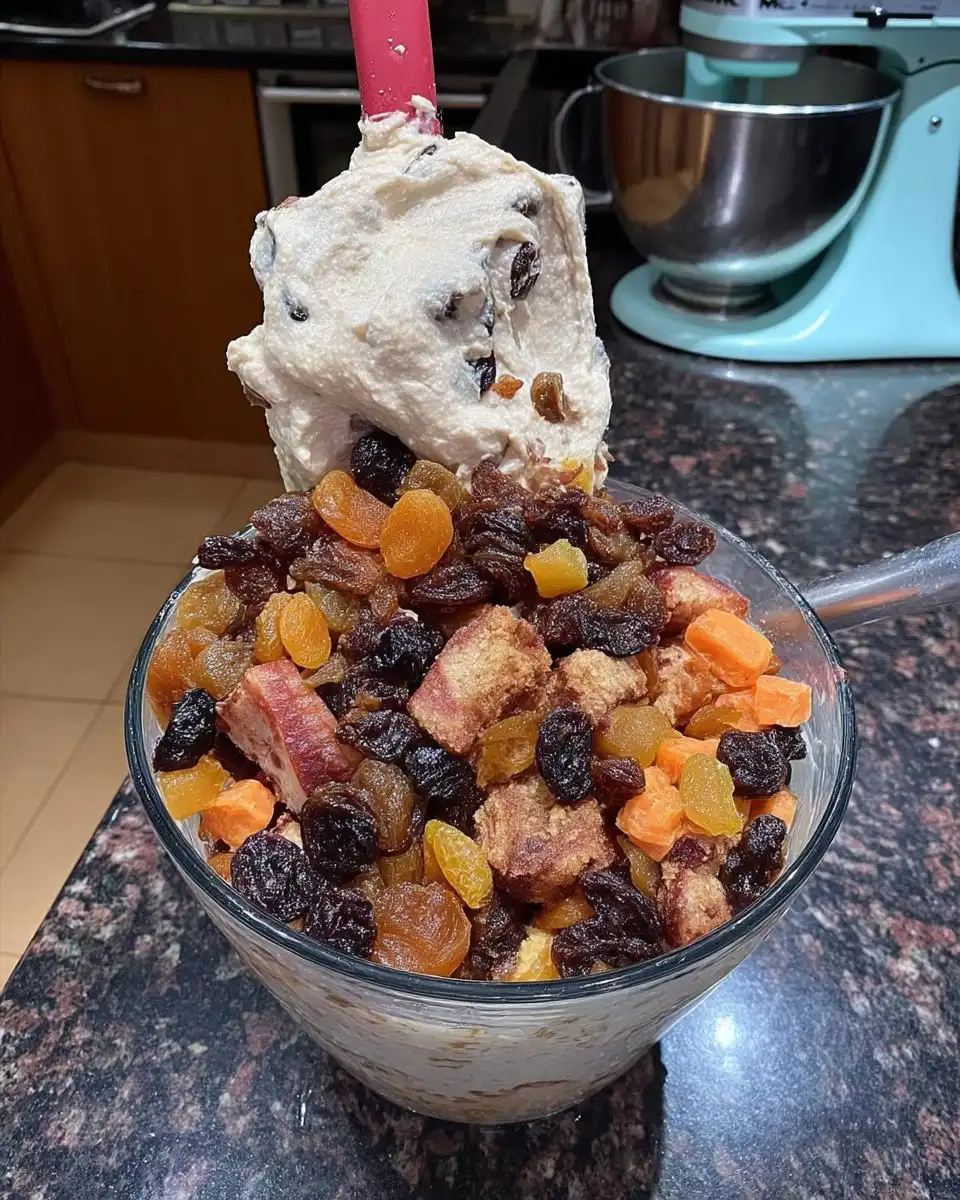
Twenty-four hours before baking, place your dried fruit, zest, and soaking liquid in a non-reactive bowl. Cover and leave at room temperature. This step ensures the fruit is fully saturated so it does not absorb moisture from the batter during the bake.
Step 2: Prepare the Tin and Oven
Preheat your oven to 285°F (140°C). This low temperature is critical for a level bake without crowning. Grease a 9-inch round tin and line the bottom and sides with a double layer of parchment paper. The double layer acts as insulation to prevent the edges from drying out.
Step 3: Create the Emulsion
In a stand mixer, cream the butter and muscovado sugar until pale and fluffy—about 5 minutes. Add the eggs one at a time, beating thoroughly after each addition. If the mixture looks like it is separating, add a tablespoon of the flour to stabilize the emulsion.
Step 4: Incorporate Dry Ingredients
Sift the flour and spices together. Fold this into the butter mixture along with the ground almonds using a spatula. Stop mixing the moment no dry streaks remain to avoid overworking the gluten, which would result in a tough texture.
Step 5: Fold in the Fruit
Add the soaked fruit (and any remaining liquid) to the batter. Fold gently until the fruit is evenly distributed. The batter will be thick and heavy; this viscosity is necessary to prevent the fruit from sinking to the bottom.
Step 6: The Long Bake
Spoon the mixture into the prepared tin and level the surface with the back of a spoon. Bake for 3.5 to 4 hours. The cake is ready when a skewer inserted into the center comes out clean. Cool in the tin completely to allow the structure to set before handling.
Jordan’s Precision Secrets
- Temperature Control: If the top of the cake darkens too quickly before the center is set, cover it loosely with a sheet of foil. This reflects heat and allows the center to cook gently without burning the crust.
- Feeding the Cake: For long-term storage, poke holes in the warm cake and brush with extra brandy. This adds flavor and acts as a preservative.
- Visual Cues: You are looking for a matte finish on top and a slight shrinkage from the sides of the tin. This indicates the protein structure has set and the moisture has stabilized.
For more desserts that master the balance of density and crumb, explore our Velvet Crumb Collection.
Technical Variations
- Nutty Texture: Substitute 100g of the dried fruit for toasted pecans or walnuts. Toasting the nuts releases oils that prevent them from becoming soggy in the batter.
- Citrus Focus: Replace the brandy with orange juice and increase the zest quantity. Note that without alcohol, the shelf life reduces, so store it in the refrigerator.
- Gluten-Free Structure: Replace the all-purpose flour with a high-quality 1:1 gluten-free flour blend. Ensure it contains xanthan gum to replicate the binding power needed to hold the heavy fruit in suspension.
If you prefer lighter fruit desserts, try the recipes in our Succulent Fruit Fusion category.
Presentation Precision
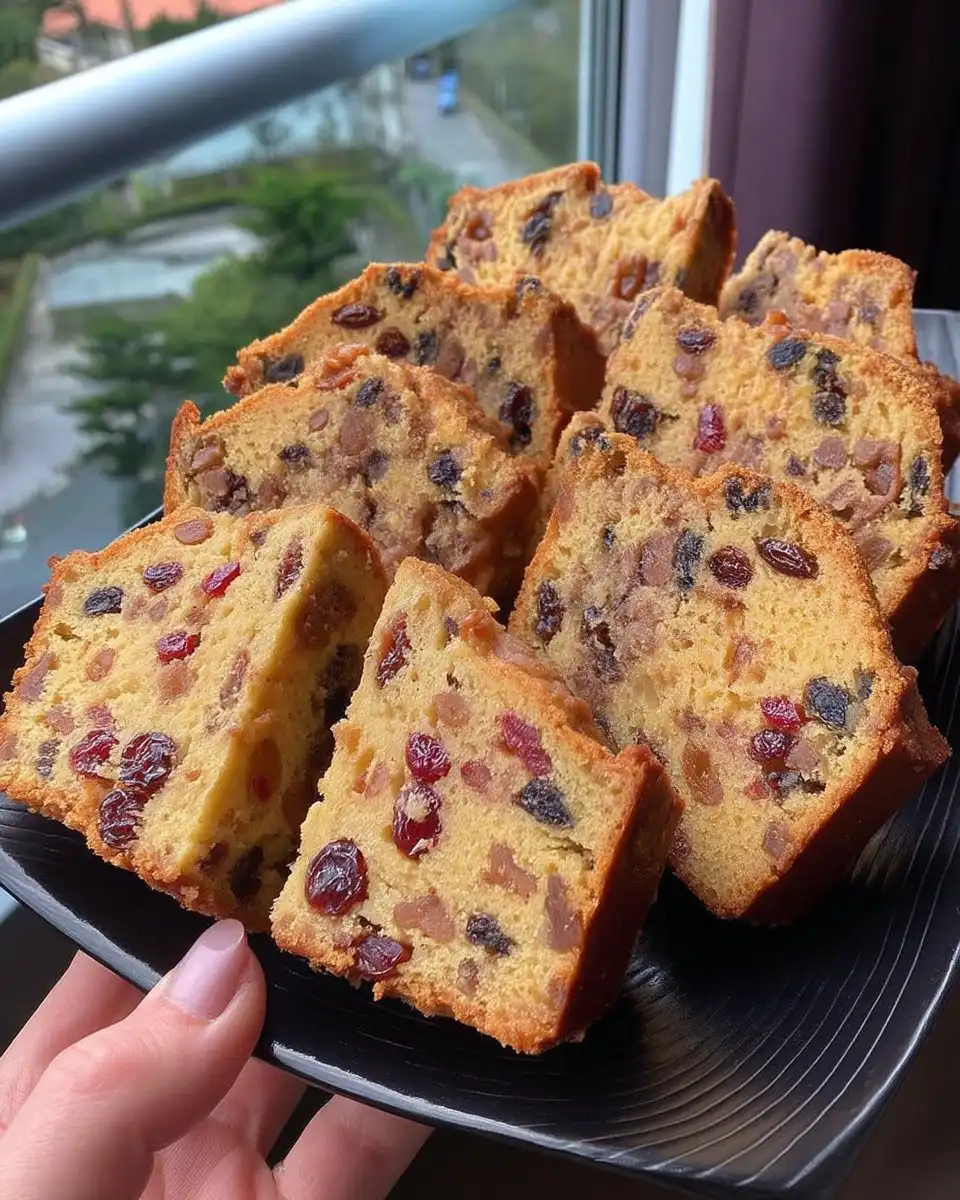
To serve this cake cleanly, use a sharp, serrated knife. A straight blade can compress the fruit, causing the slice to crumble. Saw gently through the crust and fruit layers. Serve thin slices—this cake is rich and calorically dense.
Temperature matters for eating as well. Serve at room temperature to ensure the butter in the crumb is soft, providing the correct melt-in-the-mouth sensation. It pairs exceptionally well with a sharp cheddar cheese, as the savory fat contrasts with the sweet, dense fruit.
For other elegant ways to present dense cakes, see our guide on Decadent Occasions.
The Technical Truth
Mastering a fruit cake is a demonstration of patience and understanding hydration. It is not difficult, but it demands respect for the process. When you control the moisture of your fruit and the temperature of your bake, you are rewarded with a confection that improves with age. I once read a discussion on a pastry community forum where bakers debated the merits of soaking times, and the consensus matches my experience: patience creates the best texture.
For lighter baking projects, you might enjoy our Petite Indulgences. Precision is the path to perfection—happy baking.