In the Mediterranean, we do not rush our sweets. We believe that time is an ingredient, just like flour or sugar. I remember sitting in my grandmother’s kitchen, watching dust motes dance in the afternoon sun while a dense, golden cake cooled on the counter. The anticipation was part of the flavor. This lemon pound cake captures that same feeling—it is a recipe that asks for your patience during the creaming process, but rewards you with a texture that is impossibly moist and a crumb that melts against the roof of your mouth.

This is not a light, airy sponge; it is a true pound cake with a velvety, tight crumb that holds its shape yet yields instantly to the fork. The secret lies in the buttermilk and the generous creaming of the butter and sugar, creating a foundation that is rich without being heavy. Finished with a sharp, sweet lemon glaze that we pour over the warm cake—allowing it to soak in and crystallize—this dessert is the perfect companion for a strong cup of coffee or tea.
The Texture Magic
There is a special moment when a cake is just dense enough to be satisfying but moist enough to feel luxurious. This recipe hits that balance perfectly. The buttermilk works its magic on the gluten, tenderizing the crumb so that every bite is soft and velvety.
What I truly adore is the glaze. By pouring half of it over the cake while it is still warm, we mimic the syrup-soaking techniques of my homeland. The lemon syrup seeps into the top layer, creating a sticky, tart transition into the buttery cake below, while the second pour creates that beautiful, sugary crust on top.
Print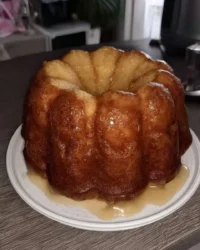
Lemon Pound Cake
- Total Time: 1 hour 35 mins
- Yield: 12 servings
- Diet: Vegetarian
Description
This classic Mediterranean-inspired lemon pound cake features a dense, velvety crumb and a vibrant citrus finish. Using a patient creaming method and a unique double-glazing technique, it achieves a perfect balance of buttery richness and tart, sugary crust.
Ingredients
- 1 cup unsalted butter, softened
- 3 cups white sugar
- 3 cups all-purpose flour
- 1/2 teaspoon baking soda
- 1/2 teaspoon salt
- 6 large eggs, room temperature
- 1 cup buttermilk, room temperature
- 1 teaspoon lemon extract
- 2 tablespoons lemon zest
- 1/2 cup fresh lemon juice
- 1 cup confectioners’ sugar
Instructions
- Preheat the oven to 350 degrees F (175 degrees C) and thoroughly grease and flour a fluted tube pan or Bundt pan.
- In a medium bowl, sift together the all-purpose flour, salt, and baking soda to ensure the dry ingredients are aerated and lump-free.
- Beat the softened butter and white sugar together in a large bowl with an electric mixer for 10 minutes until the mixture is pale and fluffy.
- Add the eggs one at a time, then alternate adding the flour mixture and buttermilk in three parts, beginning and ending with flour; stir in the lemon extract.
- Pour the batter into the prepared pan, place in the oven, and immediately reduce the temperature to 325 degrees F (165 degrees C).
- Bake for 60 to 75 minutes, then cool in the pan for 10 minutes before inverting onto a wire rack.
- Whisk together the confectioners’ sugar, lemon juice, softened butter, and zest, then pour half over the warm cake and the remaining half 20 minutes later.
Notes
For the best results, ensure all your refrigerated ingredients reach room temperature before mixing to prevent the batter from curdling. To prevent sticking, use a high-quality baking spray with flour or traditional butter and flour, making sure to tap out every bit of excess.
- Prep Time: 20 mins
- Cook Time: 75 mins
- Category: Dessert
- Method: Baking
- Cuisine: Mediterranean
What You’ll Need
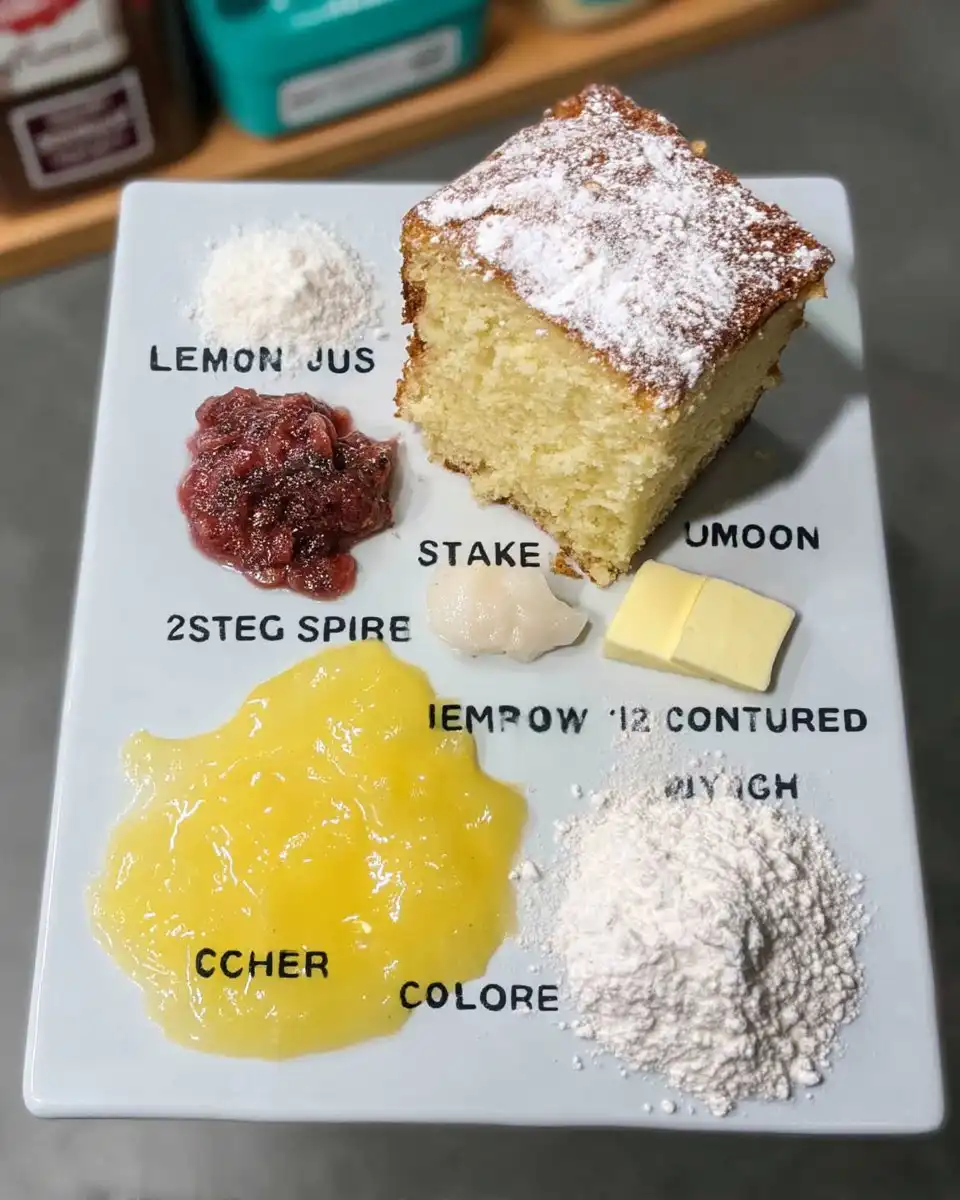
To achieve that melt-in-your-mouth quality, we rely on standard pantry heroes used with intention. Quality matters here, especially with the citrus.
- Unsalted Butter: It must be softened to room temperature. This allows us to beat air into it, which is the primary leavening agent alongside the soda. If it is too cold, the cake will be dense in the wrong way.
- White Sugar: We use a generous amount to cut the acidity of the lemon and buttermilk, ensuring the crust caramelizes beautifully.
- Buttermilk: The soul of this cake. Its acidity reacts with the baking soda and breaks down long gluten strands for a tender texture.
- Lemon Extract & Zest: We use both to layer the flavor. The zest provides the essential oils for aroma, while the extract punches up the background notes.
- Fresh Lemon Juice: For the glaze. Please, never use the bottled version; the sharp, bright acidity of fresh lemons is non-negotiable.
How to Make It
Step 1: Prep the Pan and Oven
Begin by preheating your oven to 350 degrees F (175 degrees C). This initial blast of heat is important, though we will lower it later. Grease a fluted tube pan or Bundt pan thoroughly with butter or shortening, then dust it with flour. Tap out the excess. This ensures your beautiful cake releases without heartbreak.
Step 2: Sift the Dry Ingredients
In a medium bowl, sift together the all-purpose flour, salt, and baking soda. Sifting is an act of care; it aerates the flour and ensures there are no lumps of soda that could mar the taste.
Step 3: The Creaming Phase
This is the most crucial step. Place the softened butter and sugar in a large bowl. Using an electric mixer, beat them together for a full 10 minutes. Yes, ten minutes. You want the mixture to transform from yellow and gritty to pale, fluffy, and voluminous. This patience creates the structure of the cake.
Step 4: Build the Batter
Add the eggs one at a time, beating well after each addition to emulsify the fat and liquid. Now, reduce your mixer speed. Add the flour mixture in three parts, alternating with the buttermilk. Begin and end with the flour. Beat only until just combined—overworking the batter now will make it tough. Gently stir in the lemon extract.
Step 5: The Slow Bake
Pour the batter into your prepared pan, smoothing the top. Place it in the oven and immediately reduce the temperature to 325 degrees F (165 degrees C). This lower temperature allows the dense batter to cook evenly without burning the outside. Bake for 60 to 75 minutes, or until a wooden toothpick inserted into the center comes out clean.
Step 6: Cool and Glaze
Let the cake cool in the pan for 10 minutes, then invert it onto a wire rack set over parchment paper. While it is cooling, whisk together the confectioners’ sugar, fresh lemon juice, softened butter, and zest until smooth. Pour half of this glaze over the warm cake, letting it soak in. Wait 20 minutes, then pour the remaining glaze over the top for a glossy finish.
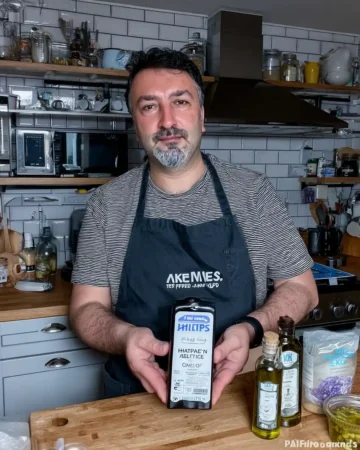
Mehmet’s Secrets for Perfection
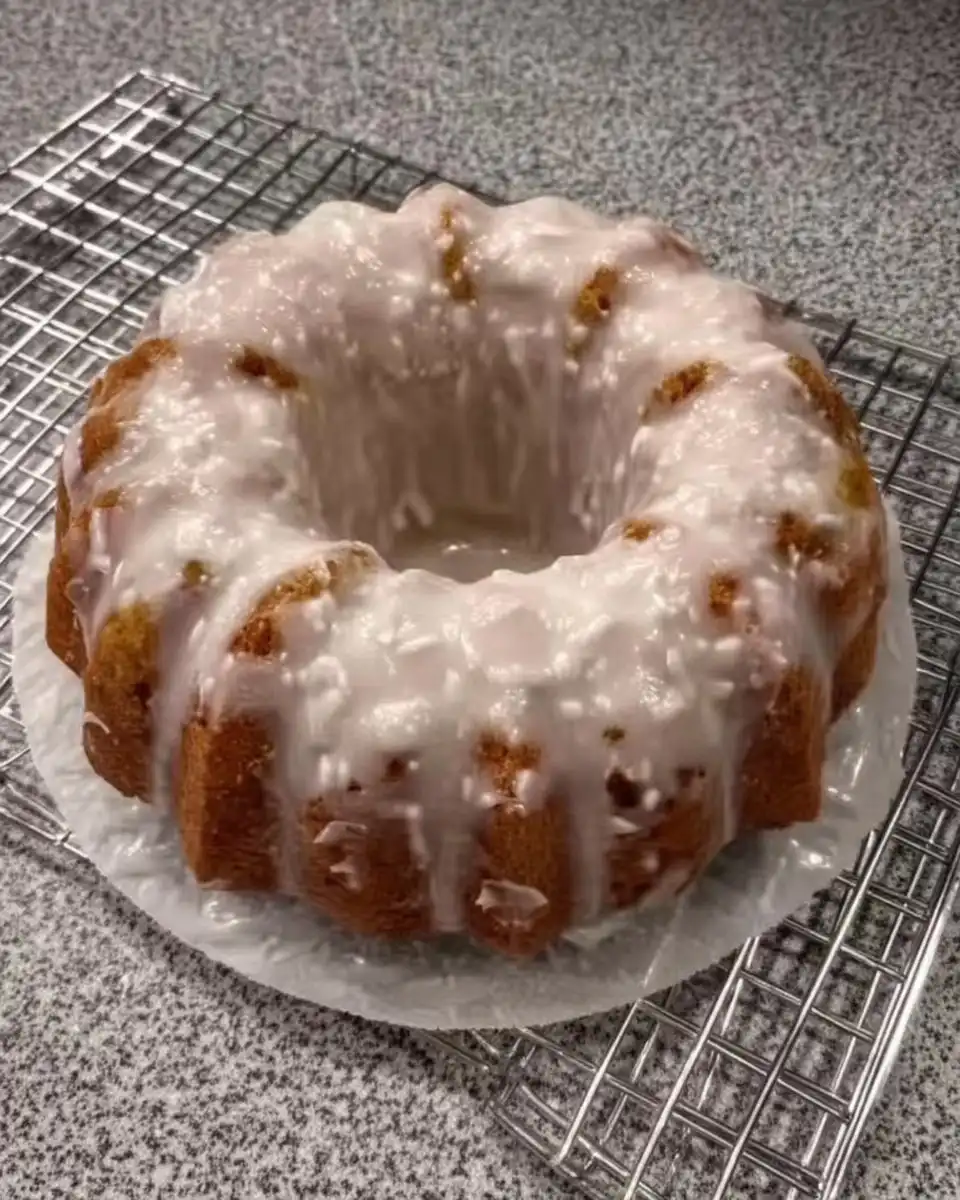
- Temperature is King: Make sure your butter, eggs, and buttermilk are all at room temperature before you start. Cold ingredients will curdle the batter and ruin the emulsion, leading to a greasy texture rather than a fluffy one.
- The Soaking Technique: Do not skip the two-stage glazing. Pouring liquid over a warm cake is a technique we use often in Mediterranean baking to infuse moisture deep into the sponge. If you enjoy this method, you might also like the texture of our raspberry white chocolate cake, which also balances fruit notes with creamy richness.
- Don’t Peek: Opening the oven door too early can cause the cake to collapse. Trust the timing and wait at least 60 minutes before checking.
- Storage: This cake actually improves the next day as the moisture redistributes. Keep it covered at room temperature for up to 3 days.
Mediterranean Twists
- Poppy Seeds: Fold in 2 tablespoons of poppy seeds with the flour for a classic texture contrast and a nutty flavor profile.
- Orange Blossom: Swap the lemon extract for vanilla and add a teaspoon of orange blossom water to the glaze for a fragrant, floral note.
- Herbal Note: Rub a little fresh thyme into the sugar before creaming it with the butter. The earthy herb pairs beautifully with lemon.
- Different Citrus: You can easily make this with blood oranges or grapefruit. For a visually striking dessert using different colors, take a look at our lemon rainbow cake.
- Another Method: If you are curious about other mixing techniques, Preppy Kitchen offers a lovely variation, though I find this buttermilk method yields the superior moist crumb we prefer at Melt Cake.
How to Serve
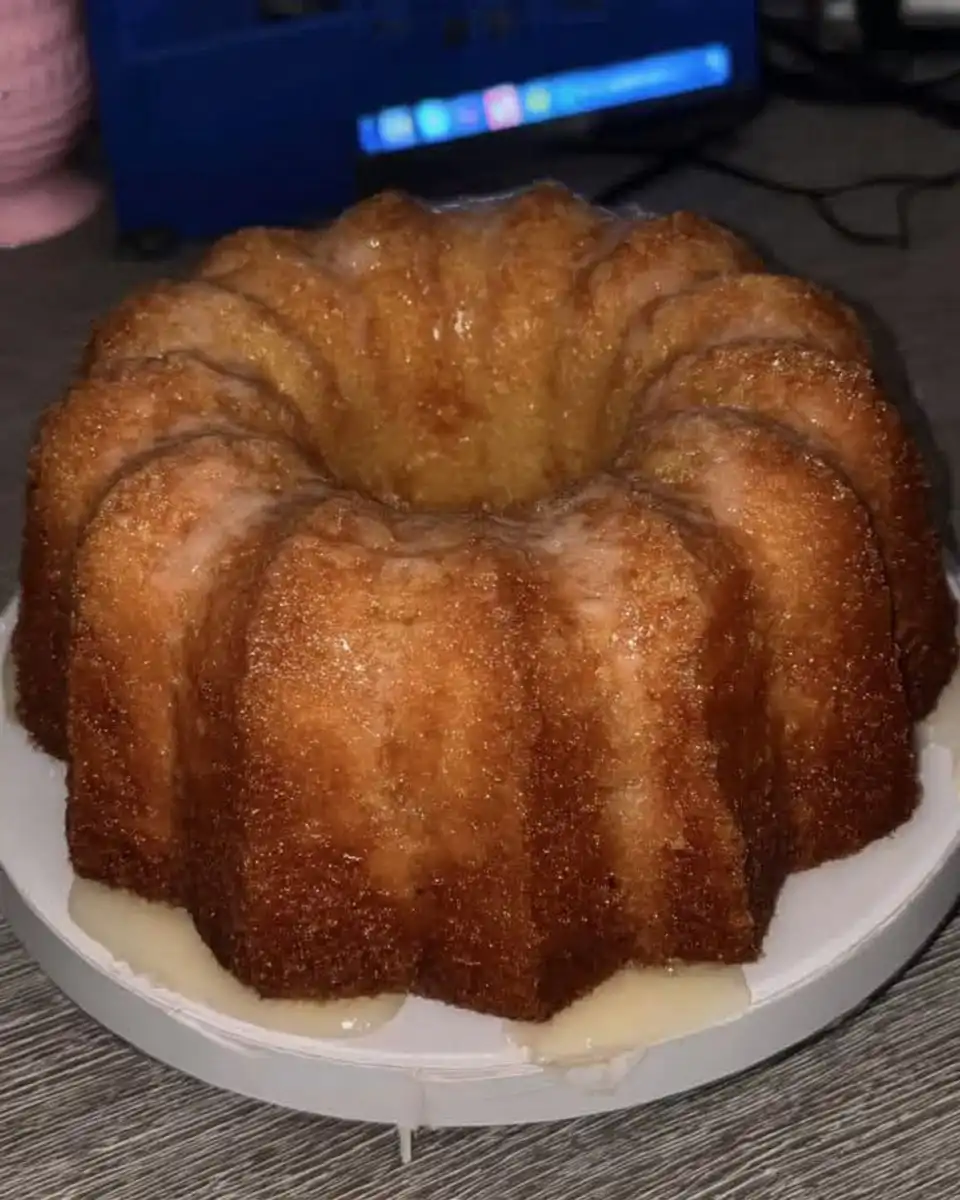
In the Mediterranean tradition, a cake this rich is best enjoyed in small slices with a contrasting beverage. Serve it after dinner with strong Turkish coffee or a glass of hot tea with fresh mint. The bitterness of the coffee perfectly balances the sweet, zesty glaze.
For a summer gathering, you might plate slices with fresh strawberries or raspberries. If you want to offer a variety of fruit-forward desserts, consider serving this alongside our succulent fruit fusion, which offers a lighter, fresher texture to contrast the dense cake.
The Sweet Truth
Baking this lemon pound cake is an exercise in simple pleasures. It reminds us that with just flour, butter, and lemon, we can create something golden and memorable. Let the cake cool, let the glaze set, and enjoy the process as much as the result. If you are looking for more traditional dense cakes, our classic fruit cake is another recipe that rewards patience.
We love seeing your creations. Share your glossy cakes with us on Instagram or pin this recipe to your Pinterest boards for your next baking weekend.