In the rigorous environment of my early pastry training in London, we frequently conducted blind tastings to test our understanding of flavor masking and structural integrity. One specific challenge involved a “mystery ingredient” that provided superior moisture retention without compromising the delicate spice profile—condensed tomato soup. It may sound counterintuitive to the uninitiated, but the science is sound: the natural pectin and acidity in the tomatoes bind with the water, ensuring a crumb that remains exquisitely tender for days.

This is not a savory experiment; it is a technically brilliant spice cake that utilizes the soup’s acidity to tenderize the gluten network within the flour. The result is a deep, amber-hued sponge with the aromatic warmth of cloves, cinnamon, and nutmeg, finished with a tangy cream cheese frosting. It is a masterclass in chemical leavening and textural balance, proving that precise ingredient selection dictates the success of the mouthfeel.
The Science of Structural Moisture
The appeal of this Tomato Soup Cake lies in the chemical interaction between the acidic condensed soup and the baking soda. When these two elements meet, they create an immediate leavening reaction—visible as a slight foaming—which aerates the batter before it even reaches the oven heat. This head start on leavening creates a crumb structure that is distinctively light yet capable of holding heavy moisture.
Furthermore, the tomato reduction acts similarly to applesauce or pumpkin purée in baking but with a higher acidity level. This acidity weakens the gluten proteins just enough to prevent toughness, resulting in a “melt-in-your-mouth” texture that remains stable under the weight of a rich cream cheese frosting. It is a perfect example of how unconventional ingredients can solve common textural problems in pastry arts.
Print
Tomato Soup Cake
- Total Time: 45 mins
- Yield: 12 servings
- Diet: Vegetarian
Description
Discover the science of moisture with this unique spice cake that uses condensed tomato soup to achieve a perfectly tender, melt-in-your-mouth crumb. Topped with a tangy cream cheese frosting, this recipe is a masterclass in balancing unexpected ingredients for a sophisticated dessert.
Ingredients
- 10 oz (295g) condensed tomato soup
- 1 tsp baking soda
- 1/2 cup (115g) unsalted butter, room temperature
- 1 cup granulated sugar
- 2 large eggs
- 1 tsp vanilla extract
- 2 cups (240g) all-purpose flour
- 1 tsp baking powder
- 1 tsp ground cinnamon
- 1/2 tsp ground nutmeg
- 1/2 tsp ground allspice
- 12 oz (340g) full-fat block cream cheese, room temperature
- 1/2 cup (115g) unsalted butter, room temperature (for frosting)
- 3 cups powdered sugar
- 1 tsp vanilla extract (for frosting)
Instructions
- Preheat your oven to 350°F (175°C) and lightly grease two 8-inch round cake pans, lining the bottoms with parchment paper for a clean release.
- In a small bowl, combine the condensed tomato soup with the baking soda and stir well; the mixture will puff up and lighten as the reaction occurs.
- In a large mixing bowl, beat the room-temperature butter and granulated sugar until pale and fluffy, then beat in the eggs one at a time followed by the vanilla extract.
- Mix the prepared tomato soup mixture into the butter and egg emulsion until combined.
- Sift the flour, baking powder, cinnamon, nutmeg, and allspice directly into the wet ingredients and gently fold together until no flour streaks remain.
- Divide the batter evenly between the prepared pans and bake for 25 minutes, or until a toothpick inserted into the center comes out clean.
- Cool in the pans for 5 minutes before transferring to a wire rack to cool completely, then frost with a whipped mixture of cream cheese, butter, powdered sugar, and vanilla.
Notes
To ensure a professional finish, always use block-style cream cheese rather than tub varieties to maintain frosting stability. If you are baking in a particularly humid environment, sifting the dry ingredients twice can help prevent any spice clumps from affecting the delicate crumb structure.
- Prep Time: 20 mins
- Cook Time: 25 mins
- Category: Dessert
- Method: Baking
- Cuisine: American
Precision in the Pantry
To achieve the correct specific gravity and texture, we must adhere to these ingredient specifications. Temperature control is paramount here.
- Condensed Tomato Soup (10oz/295g): You must use condensed soup, not ready-to-eat. The water content in diluted soup will throw off the hydration ratio and lead to a gummy layer at the bottom of the tin. The high concentration of solids is necessary for the structure.
- Unsalted Butter (½ cup/115g): We use unsalted butter to control the seasoning, as the canned soup already contains sodium. It must be at room temperature (around 68°F/20°C) to emulsify properly with the sugar.
- Spices (Cinnamon, Nutmeg, Allspice): These provide the dominant flavor profile. The tomato provides the texture, while these aromatics define the taste.
- Baking Soda (1 tsp): This is the primary leavening agent that reacts with the soup’s acidity. Ensure your soda is fresh and active.
- All-Purpose Flour (2 cups/240g): A standard protein content of 10-11% is ideal here to support the heavy batter without creating a chewy texture.
- Cream Cheese (12 oz/340g): Full-fat, block-style cream cheese is required for the frosting stability. Tub varieties contain too much air and water.
Methodical Mixing for Perfect Crumb
Step 1: Thermal Equilibrium and Prep
Preheat your oven to 350°F (175°C). Precision in temperature is vital; if the oven is too cool, the cake will not rise before the structure sets. Lightly grease two 8-inch (20cm) round cake pans. I prefer to line the bottoms with parchment paper to guarantee a clean release, preserving the sharp edges of the cake.
Step 2: The Acid-Base Reaction
In a small bowl, combine the condensed tomato soup (do not add water) with the baking soda. Stir well. You will observe a chemical reaction immediately—the mixture will puff up and lighten in color as carbon dioxide is released. Set this aside to allow the reaction to proceed while you prepare the base.
Step 3: Aeration and Emulsion
In a large mixing bowl, beat the room-temperature butter and sugar with an electric mixer until pale and fluffy. This stage, known as creaming, mechanically traps air bubbles into the fat. Beat in the eggs one at a time, followed by the vanilla extract, ensuring each egg is fully emulsified before adding the next to prevent the batter from curdling.
Step 4: Incorporating the Liquid
Mix in the tomato soup mixture. Note that the batter may appear slightly split or curdled at this stage due to the high liquid content and acidity. Do not panic; this is a temporary state, and the emulsion will re-stabilize once the starch is introduced.
Step 5: The Gentle Fold
Sift the flour, baking powder, cinnamon, nutmeg, and allspice into the bowl. Switch to a wooden spoon or spatula for this step. Gently fold the dry ingredients into the wet mixture. We stop mixing the moment the last streak of flour disappears. Overworking the batter at this stage will develop excessive gluten, destroying the tender texture we aim to achieve.
Step 6: The Bake
Divide the batter evenly between the prepared pans. Bake for 25 minutes. Test for doneness by inserting a toothpick into the center; it should come out clean or with a few moist crumbs attached. Avoid opening the oven door before the 20-minute mark to prevent thermal shock, which can cause the center to collapse.
Step 7: Cooling and Frosting
Allow the cakes to cool in the pans for 5 minutes to set the structure, then turn them out onto a wire rack to cool completely. While they cool, beat the cream cheese and butter until smooth, then gradually add the powdered sugar and vanilla. Only frost the cakes when they are completely cold to the touch to prevent the fat in the frosting from melting.
Achieving Professional Consistency
- Respect the Emulsion: If your butter or eggs are too cold, the batter will separate, leading to a greasy crumb. If you forgot to take them out, you can cube the butter and let it sit for 15 minutes, or submerge the eggs in warm water for 5 minutes.
- Sifting is Non-Negotiable: Because this batter is heavy with moisture, any lumps of flour or spice will not dissolve during baking. Sifting creates a uniform distribution of the leavening agents, ensuring an even rise.
- Visual Cues for Doneness: Beyond the toothpick test, look for the cake pulling away slightly from the sides of the pan. The top should spring back immediately when gently pressed with a fingertip.
- Texture Management: For those who obsess over the specific mouthfeel of crumb structures, this cake shares a lineage with our velvet crumb collection, where acid-balanced batters create a uniquely soft interior.
Textural Modifications
- Hydration Additions: To introduce a chewy contrast to the soft crumb, fold in ½ cup of raisins, cranberries, or golden raisins. Toss them in a teaspoon of flour before adding to the batter to prevent them from sinking to the bottom.
- Nutty Crunch: The softness of this cake pairs excellently with the snap of toasted walnuts or pecans. Add ½ cup to the batter or press them into the sides of the frosted cake.
- Spiced Ginger: For a sharper flavor profile that cuts through the sweetness, grate 1-2 tablespoons of fresh ginger into the wet batter. This adds a warm heat and interacts with the enzymes in the flour for a slightly different crumb.
- Fruit Fusion: If you enjoy the concept of using fruit purées for moisture, this recipe can be adapted similarly to our succulent fruit fusion techniques, where we balance heavy fruit content with structural flour integrity.
Presentation and Pairing
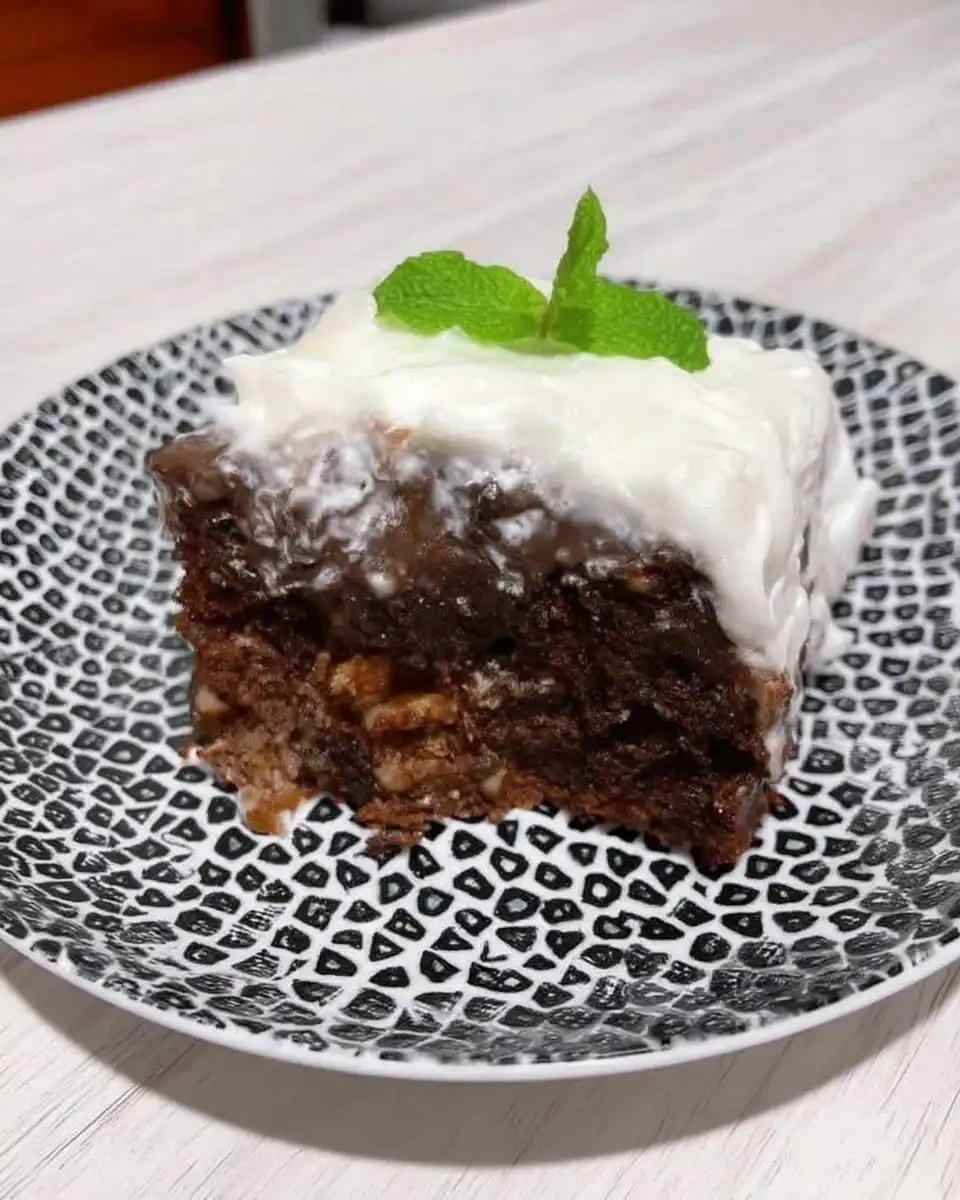
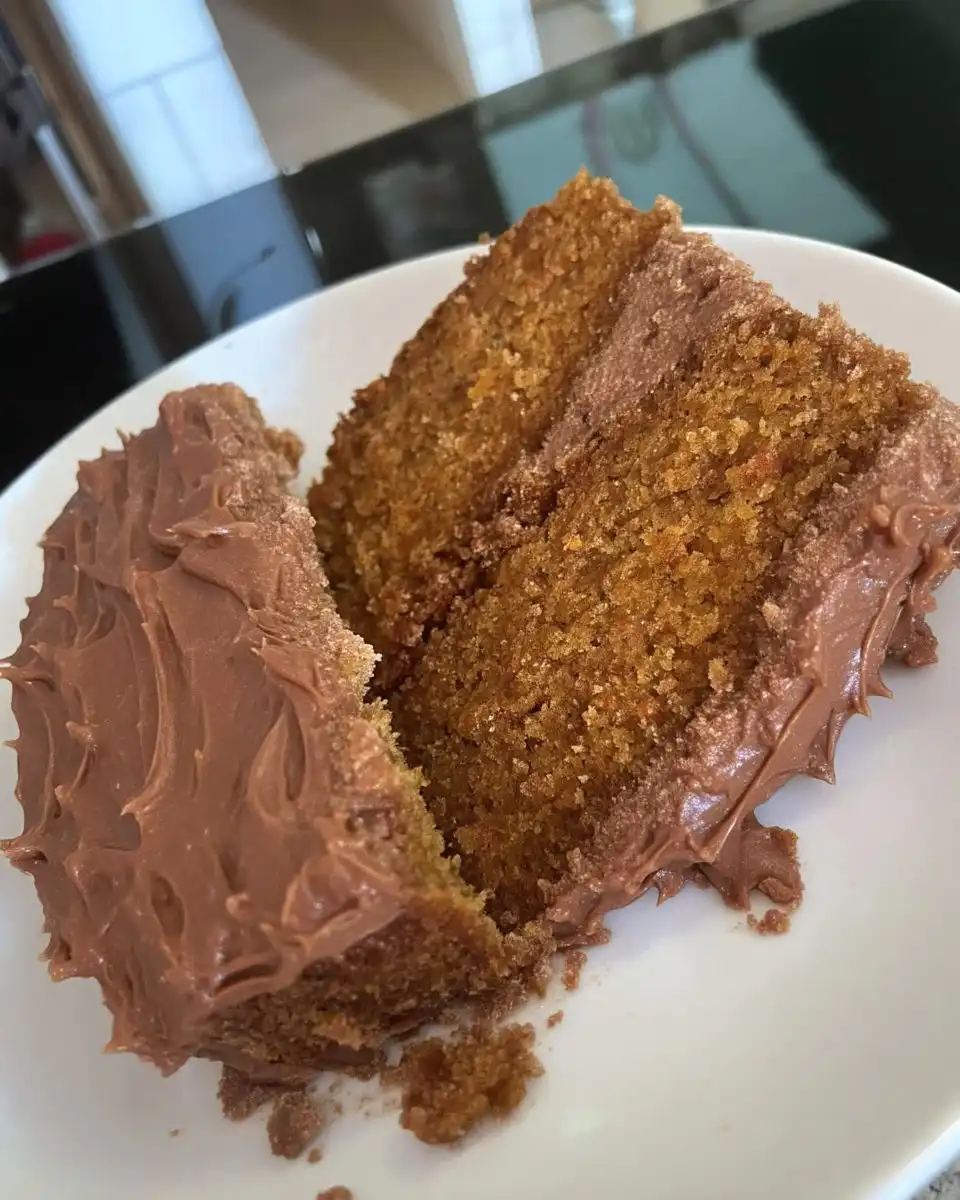
When plating this dessert, precision in slicing is key. Use a long, hot knife (dipped in hot water and wiped dry) to slice through the cold cream cheese frosting without dragging it into the cake layers. This reveals the beautiful amber color of the crumb.
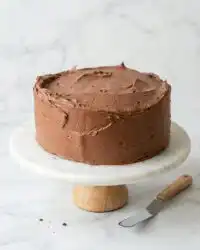
This cake has a warm, spicy profile that serves as a lighter, more interesting alternative to heavier chocolate options. It pairs beautifully with coffee or a robust tea which cuts through the richness of the frosting. For a complete dessert table, it offers a wonderful textural counterpoint to our old fashioned chocolate cake, providing variety in both color and mouthfeel.
Final Notes on Composition
This Tomato Soup Cake stands as a testament to the fact that baking is, at its heart, chemistry. By understanding how the pH of the soup interacts with the leavening agents, we achieve a texture that is difficult to replicate with butter and milk alone. It requires a willingness to trust the process and the precision to measure accurately.
While it shares the density and keeping qualities of a traditional fruit cake, the crumb here is far more delicate. For those interested in exploring how other bakers have utilized vegetable purées in patisserie, the variations found at Veggie Desserts offer further insight into this fascinating category of baking. Master this recipe, and you master the balance of structure and melt.