In the exacting world of British pastry, we learn quickly that a mold is not merely a vessel; it is an instrument of texture. A Bundt Cake is a masterclass in thermal mass mechanics. The central tube allows heat to penetrate the batter from the inside out, creating a uniform crumb density that supports the cake’s height while maintaining a melt-in-the-mouth quality that flat cakes struggle to achieve.

This particular formula balances the heavy structure of a pound cake with the tenderizing acidity of sour cream. The fat content coats the flour proteins, preventing toughness, while the precise baking time ensures a golden crust that protects the velvety interior. It is a triumph of simple ingredients handled with technical respect.
Structure Meets Texture
Many home bakers underestimate the engineering required for a perfect ring cake. The beauty of this recipe lies in its crumb stability. Unlike lighter sponges that rely on chemical leavening for a fleeting rise, this cake builds structure through mechanical aeration—creaming the butter and sugar—reinforced by eggs.
The result is a dessert that holds its intricate shape when unmolded but dissolves pleasantly on the tongue. The sour cream introduces lactic acid, which breaks down gluten strands just enough to yield a tender bite without compromising the cake’s structural integrity.
Print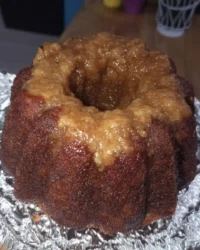
Bundt Cake
- Total Time: 1 hour 20 mins
- Yield: 12 servings
- Diet: Vegetarian
Description
This technical Bundt cake recipe features a dense, velvety crumb achieved through precise mechanical aeration and the tenderizing power of full-fat sour cream. It is a sophisticated dessert designed for those who appreciate the science of thermal mass and structural integrity in baking.
Ingredients
- 1 cup (226g) unsalted butter, softened to 65°F/18°C
- 2 ½ cups granulated sugar
- 6 large eggs, room temperature
- 1 cup full-fat sour cream, room temperature
- 3 cups all-purpose flour
- 1 teaspoon baking soda
- 1 teaspoon salt
- ½ teaspoon ground nutmeg
- 2 teaspoons high-quality vanilla extract
Instructions
- Preheat your oven to 350°F (175°C) and thoroughly grease a 10-inch Bundt pan, coating it with flour and tapping out the excess.
- In a stand mixer, cream the softened butter and sugar on medium-high speed for 5–7 minutes until the mixture is pale and aerated.
- Add the eggs one at a time, beating thoroughly after each addition until the emulsion is smooth, then stir in the vanilla extract.
- In a separate bowl, whisk together the flour, baking soda, salt, and nutmeg.
- Reduce mixer speed to low and alternate adding the flour mixture and sour cream in two batches, mixing just until the streaks of flour disappear.
- Transfer the batter to the prepared pan, smooth the surface, and firmly tap the pan on the counter three times to remove large air bubbles.
- Bake until a toothpick inserted into the thickest part near the center tube comes out clean.
- Cool the cake in the pan for 15–20 minutes to let the structure set before inverting it onto a wire rack to cool completely.
Notes
To achieve a flawless release, ensure your pan is greased into every crevice and use room temperature ingredients to prevent the batter from breaking. If you notice large holes in the finished crumb, try reducing your mixing speed once the flour is added or ensure your butter was properly creamed in the initial step.
- Prep Time: 20 mins
- Cook Time: 1 hour
- Category: Dessert
- Method: Baking
- Cuisine: British
Precision in the Pantry

To achieve the correct emulsion and texture, temperature control is paramount. Cold ingredients will seize the butter, leading to a broken batter and a greasy final product.
- Butter: Use unsalted butter softened to cool room temperature (65°F/18°C). It must be pliable but not oily to trap air effectively.
- Sugar: Standard white granulated sugar provides the sharp edges needed to cut into the butter and create air pockets.
- Eggs: Large eggs, strictly at room temperature. They provide the protein scaffold that sets the cake’s structure.
- Sour Cream: Full-fat is essential here. The fat content adds richness, while the acidity creates tenderness. It must be room temperature to mix homogeneously.
- All-Purpose Flour: A standard protein content (around 10-11%) is ideal for a cake that needs to be sliceable yet soft.
- Vanilla Extract: Use a high-quality extract, as the fat will carry this flavor throughout the dense crumb.
The Method
Step 1: Mold Preparation
Preheat your oven to 350°F (175°C). Precision in greasing the pan is the difference between a beautiful cake and a broken one. Grease a standard 10-inch Bundt pan thoroughly, paying close attention to the center tube and crevices. Lightly flour it, tapping out every grain of excess to prevent a gummy crust.
Step 2: Mechanical Aeration
In a stand mixer or large bowl, beat the softened butter and sugar together. Do not rush this stage. You are looking for a pale, aerated mixture where the sugar granules have mostly dissolved into the fat. This usually takes 5–7 minutes on medium-high speed.
Step 3: Emulsification
Add the eggs one at a time, beating well after each addition. The mixture must regain its smooth texture before the next egg enters. This gradual addition prevents the emulsion from breaking (curdling). Beat in the vanilla extract last.
Step 4: Structural Integration
Whisk together the flour, baking soda, salt, and nutmeg in a separate bowl. Reduce the mixer speed to low. Add half of the flour mixture, followed by half of the sour cream. Repeat with the remaining halves. Mix only until the flour streaks disappear. Over-mixing at this stage develops excessive gluten, resulting in a tough, rubbery texture.
Step 5: Removing Air Pockets
Pour the batter into the prepared pan. Smooth the surface with a spatula. firmly tap the pan on the counter three times to release large air bubbles that could mar the surface design.
Step 6: Thermal Setting
Bake in the preheated oven. The cake is done when a toothpick inserted into the thickest part—and crucially, near the inner tube—comes out clean. The center ring heats last, so verify doneness there to avoid a raw interior.
Step 7: Cooling and Release
Allow the cake to cool in the pan for exactly 15–20 minutes. This dwell time allows the structure to set and steam to release the crust from the metal. Invert onto a wire rack to cool completely before slicing.
Structural Wisdom

For a flawless release, I recommend using a “baking spray” that contains flour, rather than simple butter, which can contain water that causes sticking. If you encounter tunneling (large holes) in your crumb, it is often a sign of over-mixing the flour or insufficient creaming of the butter.
If you appreciate the technical challenge of a dense, moist crumb, you should also master our Old Fashioned Chocolate Cake, which relies on similar principles of fat-to-flour ratios for its velvety mouthfeel.
Technical Variations
Once you master the base structure, you can alter the flavor profile without compromising the texture.
- Citrus Infusion: Rub lemon or orange zest into the sugar before creaming to release the essential oils for a brighter flavor profile.
- Spice blend: Increase the nutmeg or add cardamom for a Scandinavian profile.
- Dense Fruit: If you wish to suspend dried fruits or nuts, toss them in a tablespoon of flour before folding them in to prevent them from sinking to the bottom.
For a denser, more fruit-heavy structural challenge, review our techniques for Fruit Cake. Comparing crumb densities is a valuable exercise for any serious baker.
Presentation Precision
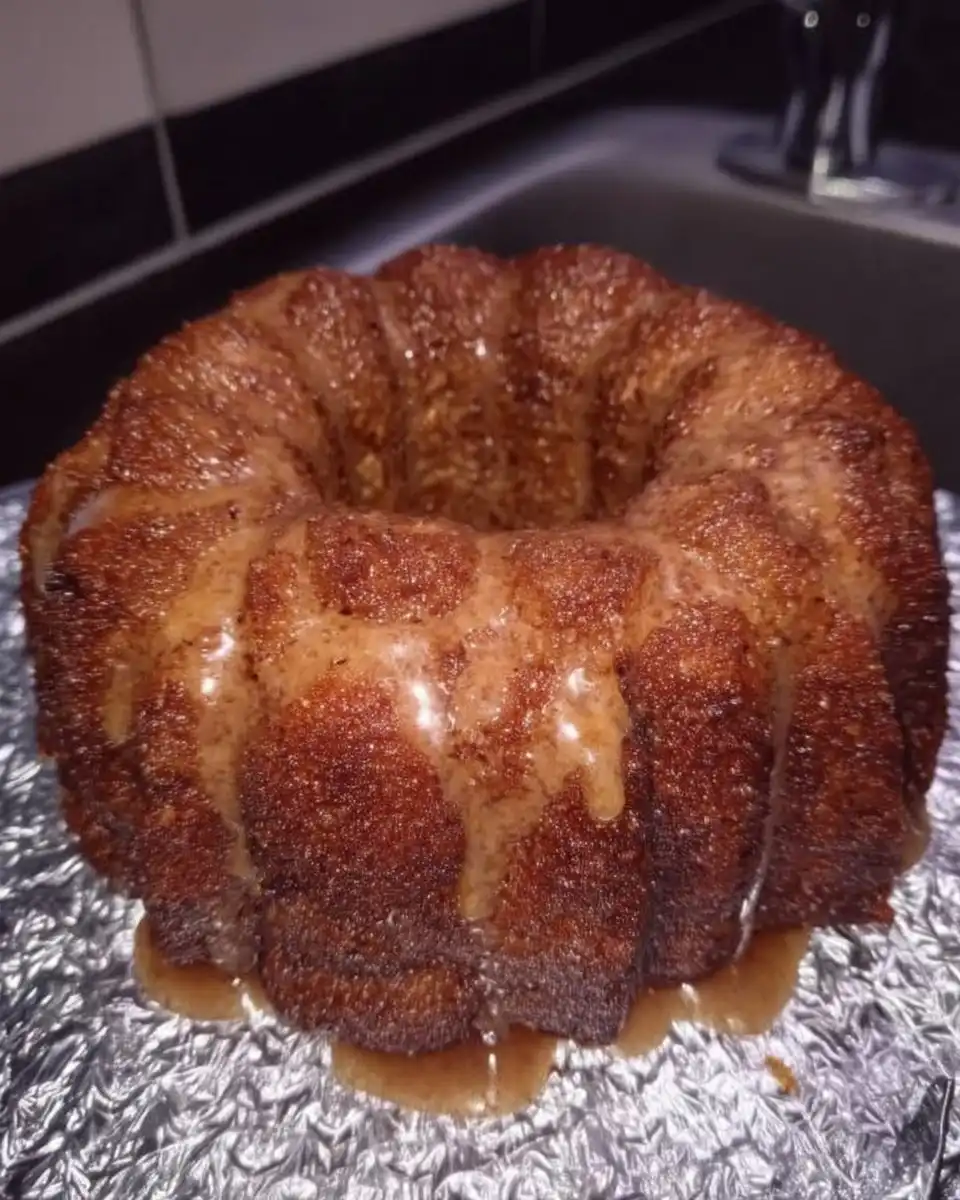
A Bundt cake requires little decoration; the geometry of the mold provides the visual interest. A simple dusting of icing sugar highlights the ridges and valleys of the crust.
For a textural contrast, serve slices with a dollop of unsweetened whipped cream or tart berries to cut through the richness of the butter and sugar. If you are looking for a lighter, more colorful presentation, consider the components used in our Lemon Rainbow Cake for inspiration.
Master the Craft
Precision in weighing ingredients and respecting temperature windows yields a Bundt Cake that is superior in every metric: crumb, crust, and melt. It is a testament to the fact that simple ingredients, treated with scientific respect, produce the most luxurious results.
For your next technical challenge, I recommend attempting the delicate balance of our Raspberry White Chocolate Cake. For those interested in comparing this formula with other community standards, The Kitchen Magpie offers a perspective on this classic shape worth analyzing.
Share your structural triumphs with us on social media: