In the pastry kitchens of London, we were taught that the smaller the gâteau, the less margin for error exists regarding moisture retention. A large sponge has thermal mass to protect its center, but a miniature cake requires exact baking times to guarantee the crumb remains tender rather than turning to biscuit. This smash cake is designed with a higher ratio of sugar to flour, creating a hydroscopic effect that keeps the crumb moist enough to collapse effortlessly under a child’s hand.

This recipe uses a classic high-ratio yellow cake base, baked in graduated layers for architectural interest without doweling. The texture balances structural integrity—enough to stand tall under buttercream—with a soft, melting mouthfeel that is safe for a first birthday. Precision in the creaming stage creates the aeration necessary for this delicate balance.
Precision Engineering for Tiny Hands
You will value this recipe for its technical reliability. Unlike standard sponge cakes which can be elastic and tough, this formula uses cake flour and a reverse-creaming inspired mixing method to limit gluten development. The result is a “short” texture—pastry speak for a crumb that breaks easily—which is exactly what is required for a smash cake. It offers the visual appeal of a celebration cake with the textural safety needed for an infant’s palate.
Print
Smash Cake
- Total Time: 1 hour 5 mins
- Yield: 1 two-tiered mini cake
- Diet: Vegetarian
Description
Craft the perfect first-birthday milestone with this technically engineered yellow cake, designed for a soft, yielding texture that is easy for little hands to smash. This two-tiered miniature cake uses a high-ratio sugar formula to ensure a moist, tender crumb that collapses beautifully for the cameras.
Ingredients
- 1 ½ cups cake flour
- ½ cup unsalted butter, softened (68°F)
- 1 cup sugar
- 2 eggs, room temperature
- ¾ cup milk
- 1 ½ tsp baking powder
- ½ tsp salt
- 1 tsp vanilla extract
- Vanilla frosting
- Sprinkles
Instructions
- Preheat your oven to 350°F (175°C) and grease one 6 ½-inch pan and one 4 ½-inch pan thoroughly.
- Sift the cake flour, baking powder, and salt together into a bowl to aerate and prevent clumps.
- In a large bowl, cream the sugar and softened butter with an electric mixer for 3–5 minutes until pale and fluffy.
- Add the eggs one at a time, beating well after each addition, then stir in the vanilla extract.
- Add half of the flour mixture and mix until just combined, followed by half of the milk; repeat with the remaining halves.
- Pour the batter into the prepared pans and bake until a toothpick comes out clean; 20–25 minutes for the small pan and 35–40 minutes for the large pan.
- Cool completely on a wire rack for 1 hour before frosting the sides, rolling in sprinkles, and stacking the layers.
Notes
To ensure the best photographic ‘smash’ result, always serve this cake at room temperature so the butter-based crumb and frosting remain soft. If the layers feel too fragile during assembly, a short stint in the refrigerator can help stabilize them for stacking, but remember to take the cake out at least two hours before the event to let the structure relax.
- Prep Time: 25 mins
- Cook Time: 40 mins
- Category: Dessert
- Method: Baking
- Cuisine: American
The Architecture of Tender Crumb

- Cake Flour (1 ½ cups): We use low-protein cake flour (7-9% protein) rather than all-purpose. This limits gluten formation, making certain the cake yields instantly to pressure.
- Butter (½ cup, softened): Unsalted butter at exactly 68°F (20°C) allows for optimal emulsion with the sugar. This traps air, providing lift and a fine, even crumb.
- Sugar (1 cup): Beyond sweetness, sugar is a tenderizer. It attracts water, interfering with protein coagulation and keeping the crumb soft.
- Eggs (2, room temperature): These provide structure and stability. Cold eggs will curdle the batter, breaking the emulsion and resulting in a greasy texture.
- Milk (¾ cup): Provides hydration for the starch.
- Vanilla Frosting: While a high-quality Swiss meringue is traditional, a stabilized American buttercream or even a high-quality commercial tub works here to create the “spackle” needed for the sprinkles to adhere completely.
Methodical Mixing and Baking
Step 1: Thermal Preparation
Preheat your oven to 350°F (175°C). Precision here is key; a cool oven yields a dense brick, while a hot one caps the rise. Grease one 6 ½-inch pan and one 4 ½-inch pan thoroughly.
Step 2: Sifting for Aeration
Sift the cake flour, baking powder, and salt together into a bowl. We sift not just to mix, but to aerate the flour, preventing clumps that would cause inconsistent texture in such small cakes.
Step 3: The Creaming Phase
In a large bowl, cream the sugar and softened butter with an electric mixer. You are looking for a pale yellow color and a fluffy texture, which indicates that air has been mechanically trapped in the fat. This takes about 3–5 minutes.
Step 4: Establishing the Emulsion
Add the eggs one at a time, beating well after each. This allows the water in the whites to emulsify with the fat in the butter. Stir in the vanilla extract.
Step 5: Alternating Incorporation
Add half of the flour mixture and mix until just combined. Pour in half of the milk and mix again. Repeat with the remaining flour and milk. This alternating method prevents the flour from being overworked, which would develop tough gluten strands.
Step 6: Baking to Temperature
Pour the batter into the prepared pans. Bake until a toothpick inserted comes out clean. The 4 ½-inch cake requires 20–25 minutes, while the 6 ½-inch base needs 35–40 minutes. Do not rely on time alone; watch for the cake pulling away from the sides.
Step 7: Structural Assembly
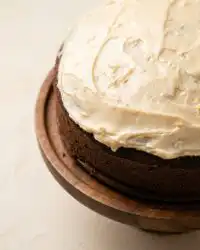
Cool completely on a wire rack for 1 hour. This resting period allows the starch molecules to retrogradate slightly, firming the structure for stacking. Once cool, coat the sides of the larger cake in frosting and roll in sprinkles. Repeat with the smaller cake, stack them, and finish decorating.
Achieving the Perfect Break
- Temperature Control: Verify your butter and eggs are truly at room temperature. If they are cold, the batter will separate, leading to a coarse, uneven texture.
- Crumb Coat: If you find the cake too soft to frost, apply a thin “crumb coat” of frosting and chill for 20 minutes before the final layer. This locks in loose particles.
- Flour Measurement: For the most precise texture, weigh your flour if possible (approx. 190g for 1.5 cups). Excess flour creates a dry, choking hazard.
- Texture Contrast: For a different mouthfeel, consider the techniques found in our velvet crumb collection, which examines even softer crumb structures suitable for delicate palates.
Texture and Flavor Modifications
- The Chocolate Swap: Replace ¼ cup of flour with high-quality Dutch-process cocoa powder. This introduces a fudgy density that smears beautifully.
- Fruit Infusion: Fold in freeze-dried fruit powder to the frosting for flavor without altering the moisture content. Fresh fruit adds too much water for a smash cake’s stability.
- Color Chemistry: Use gel food coloring rather than liquid to tint the batter. Liquid dyes can throw off the liquid-to-dry ratio.
- Zest Addition: Rub lemon zest into the sugar before creaming to release oils for a variation similar to our lemon rainbow cake, adding a bright aromatic note to cut the sweetness.
Presentation and Consumption
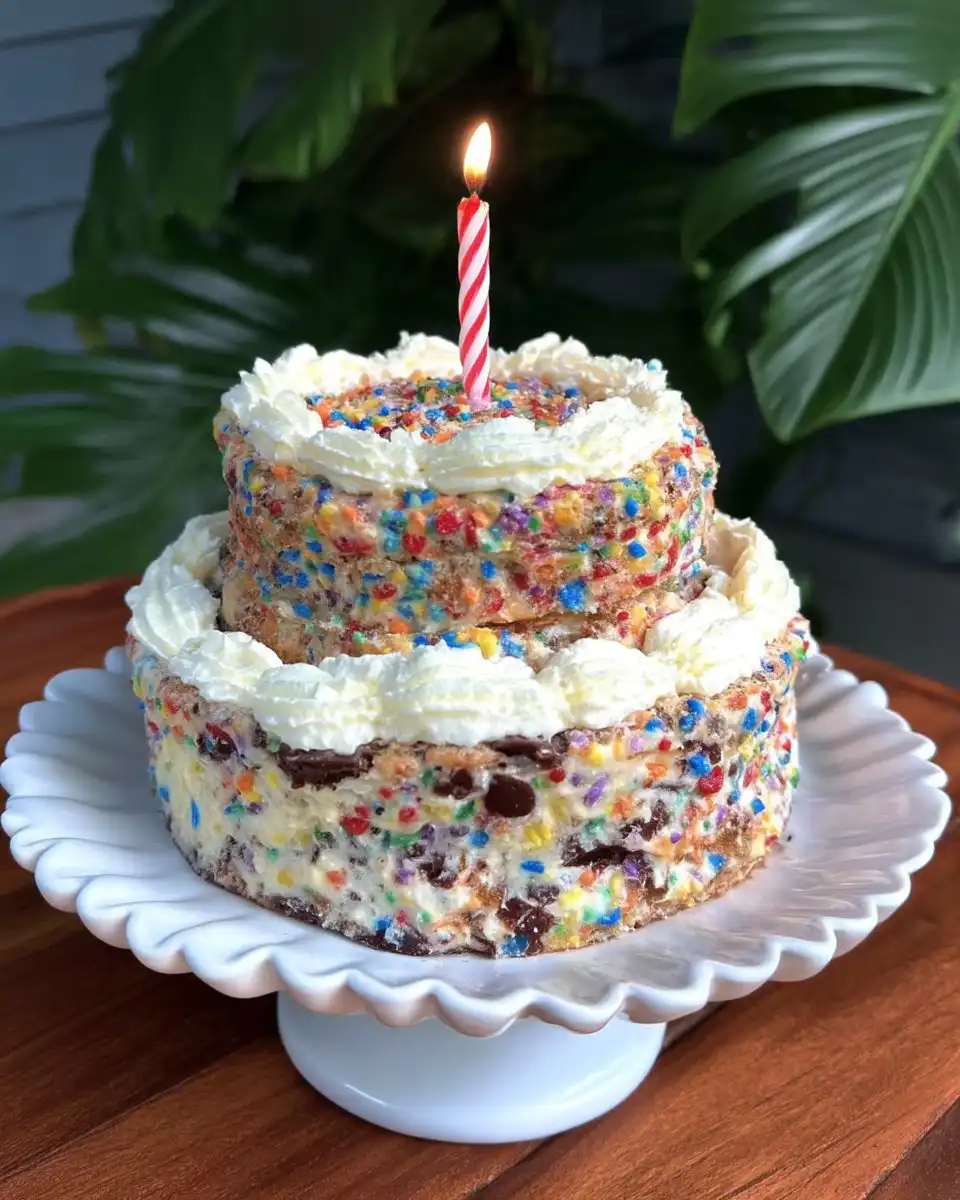
Serve this cake at room temperature. Cold fat is hard, and a chilled cake will not “smash” satisfactorily; it will merely dent. Remove it from the refrigerator at least two hours before the event to guarantee the buttercream is soft and the crumb is relaxed. For a thematic event, you might pair this with a sculpted design like our car cake, matching the visual energy of the smash cake.
The Final Crumb
Mastering the smash cake is an exercise in balancing structural assembly with textural yielding. It must stand up to be photographed, yet collapse instantly upon interaction. By following these precise mixing and baking intervals, you create a safe, delicious, and technically sound introduction to the world of pastry. For further inspiration on first birthday treats, you might look at fruit cake options for a natural sugar alternative, or see how others approach this milestone at Rachael’s Good Eats.
Share your structural triumphs with us on Facebook, Pinterest, and Instagram.