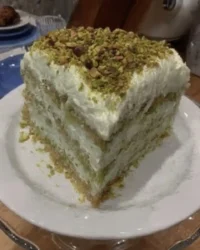
In the Mediterranean, we often rely on syrup to bring moisture to our desserts, but there is a quiet magic in a butter cake that achieves that same tenderness through technique alone. I remember my first time tasting a cake where the crumb was so velvety, it felt like it was melting on my tongue without a drop of syrup in sight. It taught me that when you respect the temperature of your ingredients—butter that is cool yet yielding, eggs that are not shocked by cold—you create a texture that sings of patience and precision.

This recipe is a masterclass in the “high-ratio” style, where sugar and fat work together to hinder gluten, resulting in a crumb that is soft, plush, and pale gold. By carefully controlling the temperature of the dairy and eggs to 65°F, we ensure a batter that emulsifies perfectly, baking into a sturdy yet impossibly tender cake ready for your favorite buttercream.
A Texture That Melts
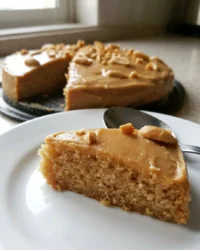
Unlike airy sponges that disappear too quickly, this cake possesses a luxurious, velvety weight that feels substantial yet tender. The crumb is tight and fine, similar to a pound cake but lighter, making it the perfect canvas for stacking into tiered celebrations or enjoying simply with tea. It balances the richness of butter with the pure, floral aroma of vanilla, creating a nostalgic flavor profile that feels like a warm hug.
Print
Classic Vanilla Butter Cake
- Total Time: 52 mins
- Yield: 10 servings
- Diet: Vegetarian
Description
A luxurious and velvety vanilla butter cake that relies on precise temperature control for its signature soft, plush crumb. Perfectly balanced and sturdy, this gold-standard recipe is an ideal base for layered celebrations or a simple afternoon tea.
Ingredients
- Unsalted butter, soft but cool (60°F)
- Sugar (white or toasted)
- Cake or All-Purpose Flour
- Whole Milk, tempered to 65°F
- Eggs, tempered to 65°F
- Baking Powder
- Vanilla Extract
- Salt
Instructions
- Preheat your oven to 350°F and grease aluminum pans, lining the bottoms with parchment paper.
- In a stand mixer, combine the butter, sugar, baking powder, and salt, beating on medium speed for about 5 minutes until light and fluffy.
- Add the eggs one at a time, allowing each to fully incorporate before adding the next, then stir in the vanilla extract.
- Reduce mixer speed to low and alternate adding the flour and milk in three additions, beginning and ending with the flour.
- Divide the batter evenly into the prepared pans and bake for approximately 32 minutes until firm and pale gold.
- Allow the cakes to cool in the pans for one hour before transferring to a wire rack.
Notes
Using a digital thermometer is crucial for success; aim for a batter temperature between 65 and 68 degrees Fahrenheit to prevent the cake from collapsing. For the most tender crumb, bleached all-purpose flour is preferred, and always serve the cake at room temperature to maintain its soft texture.
- Prep Time: 20 mins
- Cook Time: 32 mins
- Category: Dessert
- Method: Baking
- Cuisine: American
The Foundation
For a cake this simple, every ingredient must sing. We rely on pantry staples, but their temperature is the secret to success.
- Unsalted Butter: This must be soft but cool, around 60°F. If it is too warm, the cake will be greasy; too cold, and it won’t aerate.
- Sugar: You can use plain white sugar or toasted sugar for a deeper, caramel-like nuance. It does more than sweeten; it tenderizes the crumb.
- Cake or All-Purpose Flour: A blend works best, but standard all-purpose (bleached is often preferred for cakes in the US for tenderness) provides the structure.
- Whole Milk & Eggs: These must be brought to roughly 65°F. This specific temperature prevents the butter from seizing and ensures a glossy, smooth emulsion.
- Baking Powder: To give us that perfect, level rise without a metallic aftertaste.
- Vanilla Extract: Use the real stuff here. It is the heart of the aroma.
The Method
Step 1: Temperature is Key
Before you even touch the mixer, ensure your butter is cool (60°F) and your milk and eggs are tempered to 65°F. Preheat your oven to 350°F and grease your aluminum pans with care, lining them with parchment. This preparation is the ritual that guarantees success.
Step 2: The Creaming Phase
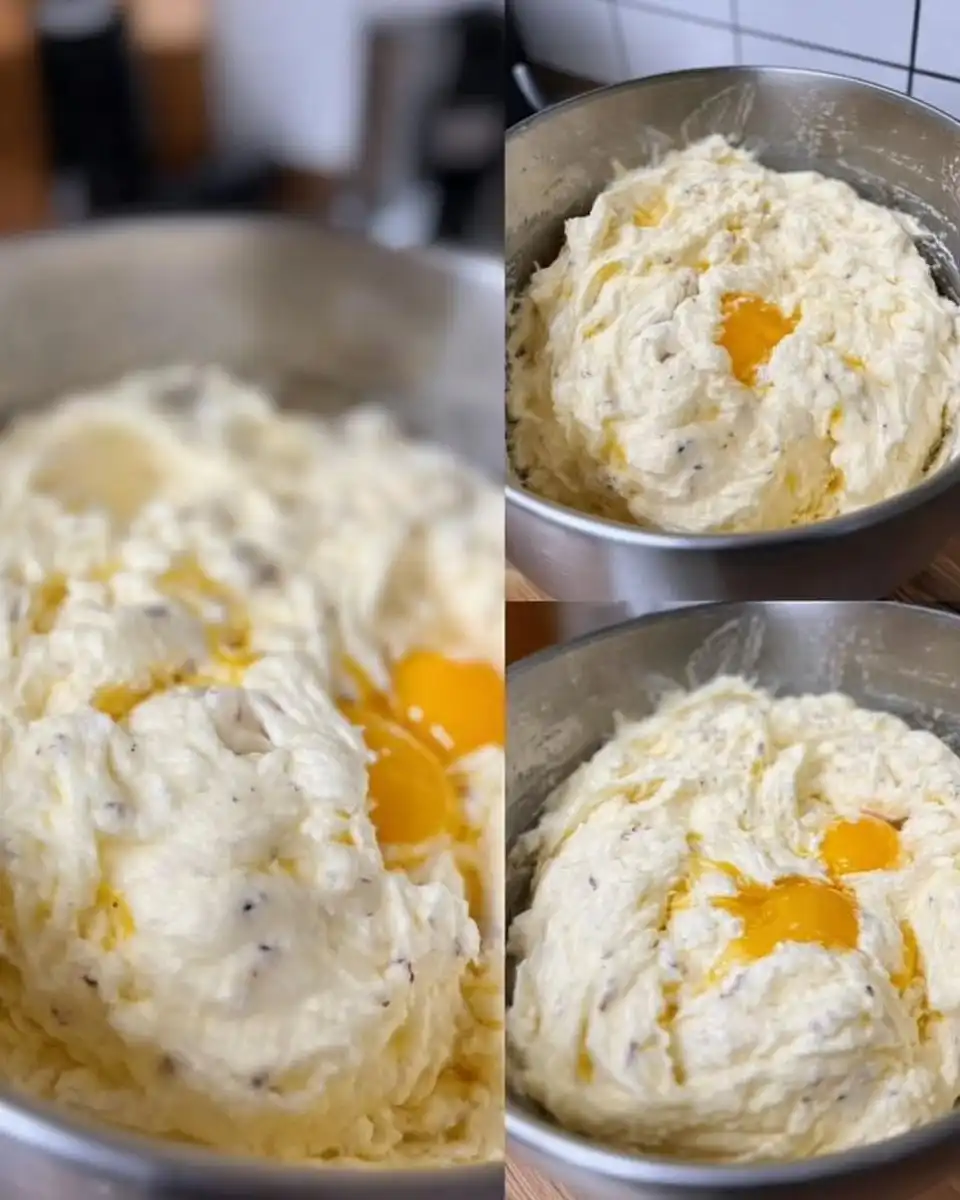
Combine the sugar, baking powder, salt, and butter in your stand mixer. Start low to incorporate, then increase to medium. Beat for about 5 minutes until the mixture is fluffy and light. This captures the air that will lift your cake.
Step 3: The Emulsion
With the mixer running, add the eggs one by one, allowing each to disappear into the batter before adding the next. Pour in the vanilla. This creates a stable base for the dry ingredients.
Step 4: Alternating Additions
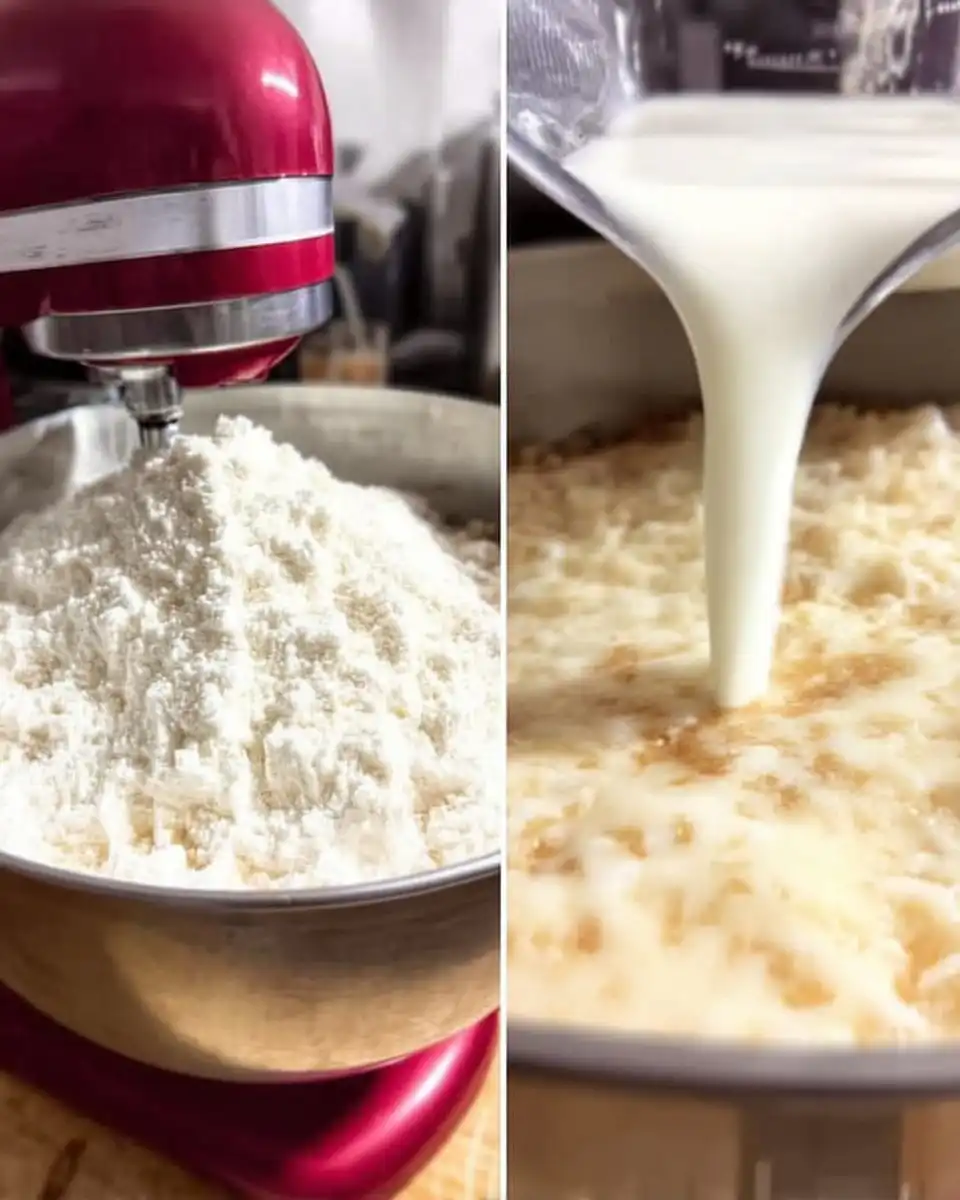
Turn the speed down to low. Sprinkle in one-third of the flour, followed by a drizzle of one-third of the milk. Repeat this rhythm—flour, milk, flour, milk—ending with flour. Stop mixing the moment the last streaks of white disappear to keep the crumb tender.
Step 5: The Bake
Divide the batter evenly between your pans. Bake for about 32 minutes until they are puffed, firm to the touch, and pale gold. Let them cool in the pans for an hour—patience here prevents crumbling—before turning them out onto a rack.
Mehmet’s Secrets for Success
- Respect the Thermometer: I cannot stress this enough—using a digital thermometer to check your batter temp (aiming for 65–68°F) is the difference between a good cake and a great one. If the batter is too warm, the cake may collapse.
- Bleached vs. Unbleached: For the most tender, melt-in-your-mouth texture, bleached all-purpose flour actually performs beautifully in high-ratio cakes like this, as it interacts better with the high sugar content. If you love exploring different crumb textures, check out our velvet crumb collection for more inspiration.
- TheToasted Twist: If you have time, toast your sugar in the oven beforehand. It adds a nutty, Mediterranean depth without changing the chemistry of the recipe.
- Storage: This cake is high in butter, which means it firms up in the fridge. Always serve it at room temperature to restore that soft, buttery mouthfeel.
Flavor Twists
- Citrus Essence: Rub the zest of two lemons or an orange into the sugar before creaming. The oils release into the crystals, perfuming the entire cake with a brightness that cuts through the butter.
- Almond Note: Swap half the vanilla extract for almond extract and top with sliced almonds before baking for a nod to our favorite bakery treats.
- Berry Fold-In: If you crave fruit, toss fresh raspberries in a little flour and fold them gently into the batter at the very end. This reminds me of our raspberry white chocolate cake, where fruit acidity meets creamy sweetness.
At the Table
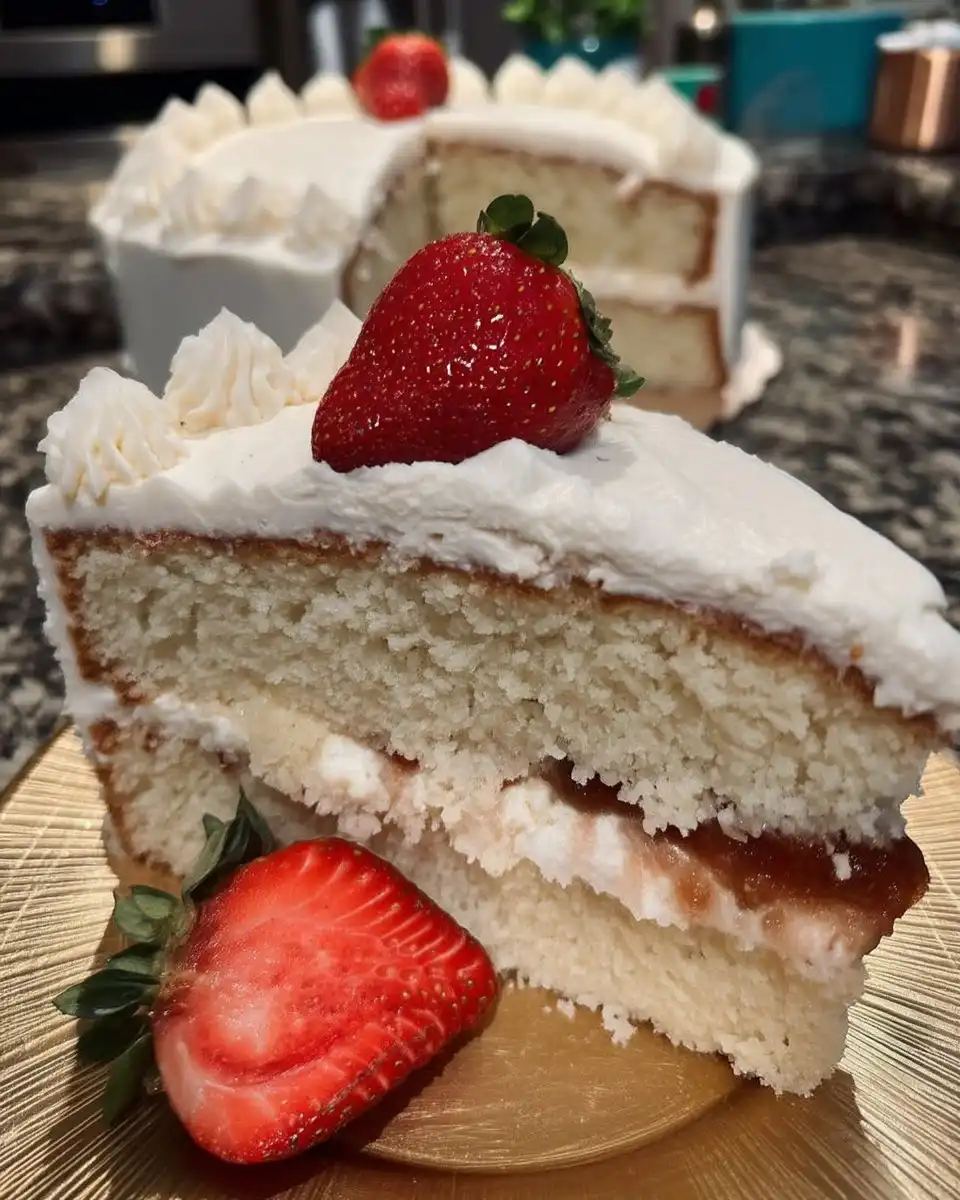
In the Mediterranean, we often serve cake with a side of strong, dark coffee to balance the sweetness. For this classic butter cake, simplicity is elegant. A Swiss buttercream is the traditional pairing, but I love it with a dollop of unsweetened whipped cream and fresh seasonal fruit. If you enjoy lighter, fruit-forward desserts, you might also like serving this alongside our fruit cake selection for a variety of textures on your dessert table.
The Sweet Truth
There is honesty in a vanilla butter cake. It cannot hide behind spices or chocolate; it must stand on the quality of its crumb and the balance of its sweetness. When you slice into this cake, you are slicing into a tradition of patience and precision. Whether you frost it elaborately or eat the scraps warm from the pan, I hope you feel the warmth of the kitchen in every bite.
For those who want to dive deeper into the science of this specific method, this recipe is a wonderful example of the technique perfected by the team at Serious Eats.
If you are looking for something darker and richer next time, do not forget to try our old-fashioned chocolate cake.
Share your baking moments with us on Pinterest, Instagram, or Facebook. We love seeing your golden creations!