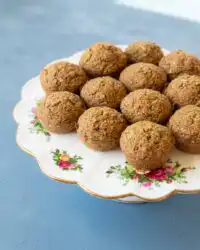
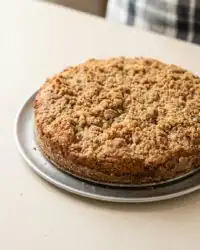
My early days in a professional London kitchen taught me that the scent of warming cinnamon is the ultimate herald of a successful bake. This Cinnamoroll Cake captures that evocative aroma while maintaining the structural integrity required for a perfect crumb. We achieve this through a precise balance of fats and sugars that ensures a melt-in-your-mouth experience.

This recipe simplifies the complex process of lamination by translating the classic cinnamon bun profile into a stable cake format. By focusing on ingredient temperature and specific mixing techniques, we create a dessert that is both technically sound and deeply comforting. It is a testament to how precision in the kitchen leads to superior textural outcomes.
Structure Meets Texture
The allure of this Cinnamoroll Cake lies in the calculated contrast between the springy yellow cake base and the dense, buttery cinnamon pockets. Unlike a traditional roll which relies on yeast and gluten development, this cake uses chemical leaveners to provide a soft, even lift. This structure allows the heavy cinnamon-sugar mixture to remain suspended rather than sinking to the bottom of the pan.
You will appreciate the way the milk substitution creates a tighter, more professional crumb than standard water-based mixes. This higher protein content from the milk solids provides a sturdy architecture that handles the rich glaze without becoming soggy. The result is a dessert that holds its shape beautifully while offering a luxurious mouthfeel that mimics the interior of a fresh pastry.
Technically, the swirl method ensures that every bite contains a precise ratio of spice to sponge. By controlling the depth of the knife during the swirling process, we prevent the butter from pooling at the base. This attention to detail guarantees a uniform bake and a spectacular visual presentation that rivals any high-end bakery offering.
Print
Cinnamoroll Cake
- Total Time: 45 mins
- Yield: 12 servings
- Diet: Vegetarian
Description
This elegant Cinnamoroll Cake bridges the gap between a classic breakfast pastry and a professional-grade sponge. By utilizing specific ingredient substitutions and a technical swirling method, you can achieve a moist, aromatic dessert that is perfect for any occasion.
Ingredients
- 1 box yellow cake mix
- 240ml whole milk (for the cake base)
- 170g softened butter
- 1 cup brown sugar
- 1 tablespoon ground cinnamon
- 2 tablespoons all-purpose flour
- 2 cups powdered sugar
- 1 teaspoon vanilla extract
- 5 tablespoons milk (for the glaze)
Instructions
- Preheat your oven to 350°F (175°C) and lightly grease a 9×13 inch baking dish with non-stick spray.
- In a large bowl, whisk the yellow cake mix and required box ingredients, substituting the water with 240ml of whole milk until smooth.
- Pour the batter into the prepared dish and spread evenly using an offset spatula.
- In a separate bowl, cream together the softened butter, brown sugar, flour, and cinnamon until a uniform paste forms.
- Drop large dollops of the cinnamon mixture onto the cake batter and use a butter knife to swirl in a figure-eight pattern.
- Bake on the center rack for 30 minutes or until a skewer inserted in the center comes out clean.
- Whisk the powdered sugar, vanilla, and 5 tablespoons of milk together to create a smooth, pourable glaze.
- Pour the glaze over the warm cake and allow it to cool completely to room temperature before slicing.
Notes
For the most consistent crumb structure, ensure that your eggs and milk are brought to room temperature before mixing the batter. Using a high-fat European-style butter in the cinnamon swirl will provide a more stable emulsion and a deeper, more luxurious flavor.
- Prep Time: 15 mins
- Cook Time: 30 mins
- Category: Dessert
- Method: Baking
- Cuisine: American
The Technical Foundation
Success in pastry relies on understanding the functional role of every component in the bowl. This recipe uses a standard yellow cake mix as a structural base, which we then refine with professional-grade substitutions. Each ingredient is selected to maximize the balance of moisture and stability.
- Yellow Cake Mix: Provides the starch and leavening base; look for a mix with a fine flour milling for the best texture.
- Whole Milk (240ml): Replacing water with milk adds lactose for browning and protein for a sturdier crumb structure.
- Softened Butter (170g): Using high-fat butter (82% or higher) for the swirl ensures a rich flavor and a superior melting point.
- Brown Sugar: The molasses content provides the necessary hygroscopic properties to keep the cinnamon swirls moist.
- Cinnamon: A high-quality ground cinnamon provides the essential aromatic oils that define the flavor profile.
- All-Purpose Flour: A small amount added to the swirl mixture prevents the butter from separating during the bake.
- Powdered Sugar: Sifted to ensure a smooth, lump-free glaze that sets with a professional sheen.
- Vanilla Extract: Pure extract provides the depth of flavor needed to complement the spice notes.
Temperature is a critical factor for these ingredients. Your butter must be soft enough to incorporate the sugar easily but not so warm that it becomes oily. This state, typically around 65°F (18°C), allows for a stable emulsion that holds the cinnamon in suspension during the initial stages of baking.
The Method
Step 1: Thermal Calibration and Preparation
Begin by preheating your oven to 350°F (175°C). Prepare a 9” x 13” (23cm x 33cm) baking dish with a light coating of non-stick spray, ensuring the corners are well-covered. A precise oven temperature is vital for the cake to set before the cinnamon swirls migrate too far into the batter.
Step 2: Constructing the Cake Base
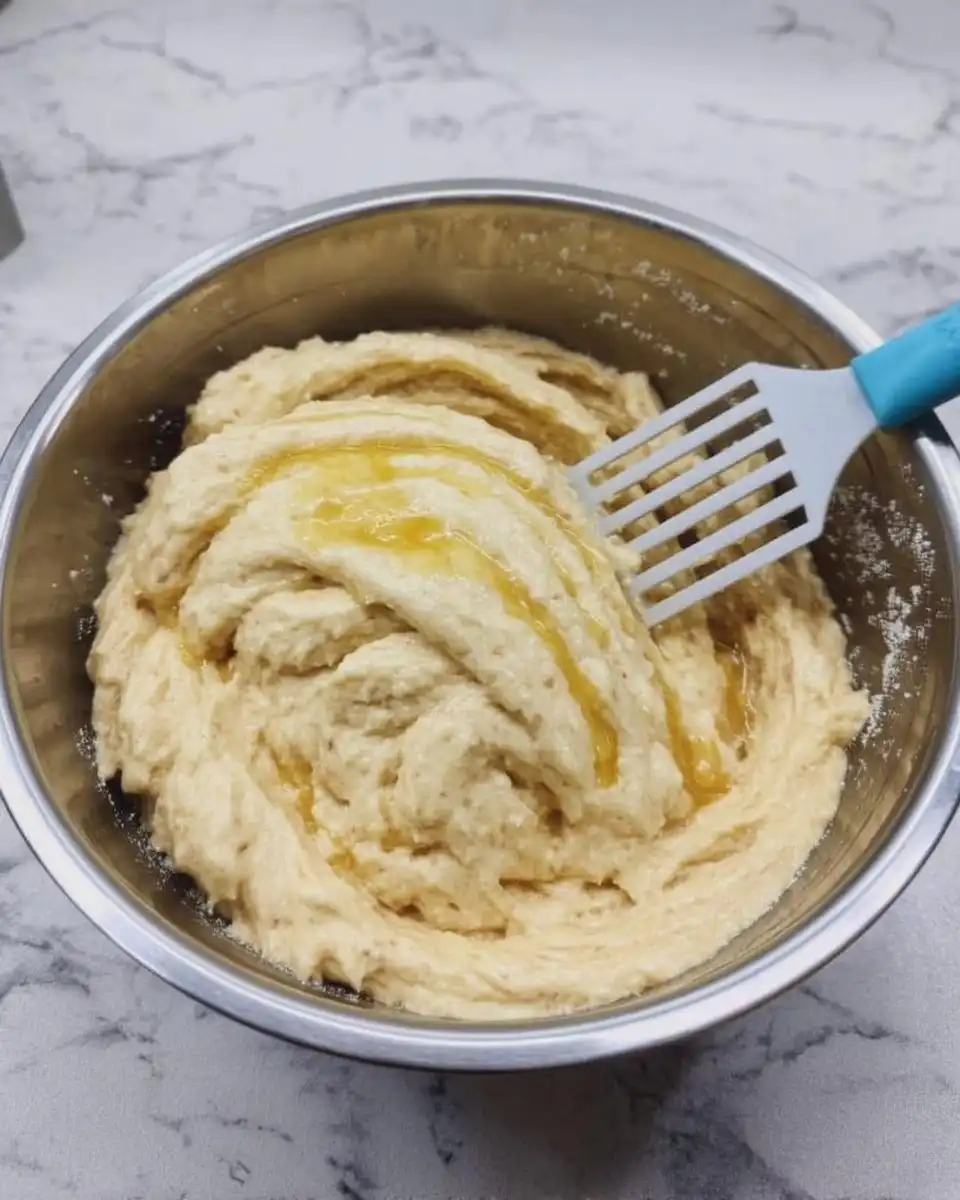
In a large mixing bowl, combine the yellow cake mix with the ingredients listed on the packaging, strictly substituting the water with an equal volume of whole milk. Whisk until the batter is smooth and no large lumps remain, which typically takes two minutes of steady mixing. Pour this base into your prepared dish, smoothing the top with an offset spatula for an even surface.
Step 3: Creating the Cinnamon Composite
In a separate smaller bowl, combine the 1 ½ sticks of softened butter, brown sugar, two tablespoons of flour, and one tablespoon of cinnamon. Use a fork or a small spatula to cream these together until a thick, uniform paste forms. The flour here acts as a stabilizer, binding the fat and sugar to prevent leakage during the heating process.
Step 4: The Technical Swirl
Deposit the cinnamon mixture in large dollops across the surface of the cake batter. Take a butter knife and insert it approximately halfway into the batter. Move the knife in a figure-eight pattern to swirl the mixtures together, being careful not to over-mix, which would muddy the distinct layers of flavor.
Step 5: The Baking Phase
Place the dish on the center rack of the oven and bake for 30 minutes. The cake is done when a skewer inserted into the center comes out clean or with just a few moist crumbs. The structure should feel firm to a light touch, indicating the proteins have set and can support the upcoming glaze.
Step 6: Formulating the Glaze
While the cake is warm, whisk together the powdered sugar, vanilla extract, and five tablespoons of milk in a clean bowl. The glaze should be thick but pourable, similar to the consistency of heavy cream. If it is too thin, add a tablespoon of powdered sugar; if too thick, a teaspoon of milk.
Step 7: Final Saturation and Cooling
Pour the glaze over the cake while it is still warm to allow some of the liquid to penetrate the top layer of the sponge. This creates a moist, flavorful transition between the topping and the cake. Allow the cake to cool completely at room temperature to let the structure fully solidify before slicing.
Precision Secrets

To achieve the perfect textural balance, ensure your milk and eggs are at room temperature before mixing the batter. Cold ingredients can cause the fats in the cake mix to seize, leading to a coarse and uneven crumb. If you find your cinnamon mixture is too stiff to swirl, microwave it for five seconds to reach the ideal pliable consistency without melting the butter entirely.
For those looking to expand their repertoire with structured bakes, understanding how moisture interacts with cake bases is essential. Much like our car-cake, this recipe relies on a sturdy crumb to maintain its shape. When applying the glaze, do so while the cake is at approximately 100°F (38°C); this temperature is high enough to encourage flow but cool enough to prevent the glaze from disappearing into the sponge. For more advanced techniques, you might look at the methods used by professionals at Al Dente Diva who specialize in home-style comfort with technical flair.
Technical Variations
You can modify the flavor profile of this bake by adjusting the aromatic components in the cinnamon swirl. Replacing half of the cinnamon with ground cardamom or nutmeg provides a more complex, Scandinavian-inspired flavor profile. If you prefer a richer finish, substitute the milk in the glaze with heavy cream to create a more opaque and decadent topping.
For a bright, acidic contrast, consider adding a teaspoon of lemon zest to the cake batter. This technique is similar to how we balance sweetness in our lemon-rainbow-cake. You might also incorporate toasted pecans or walnuts into the brown sugar mixture for added structural crunch. If you do this, ensure the nuts are finely chopped to prevent them from tearing through the cake layers during the swirling process.
Presentation Precision
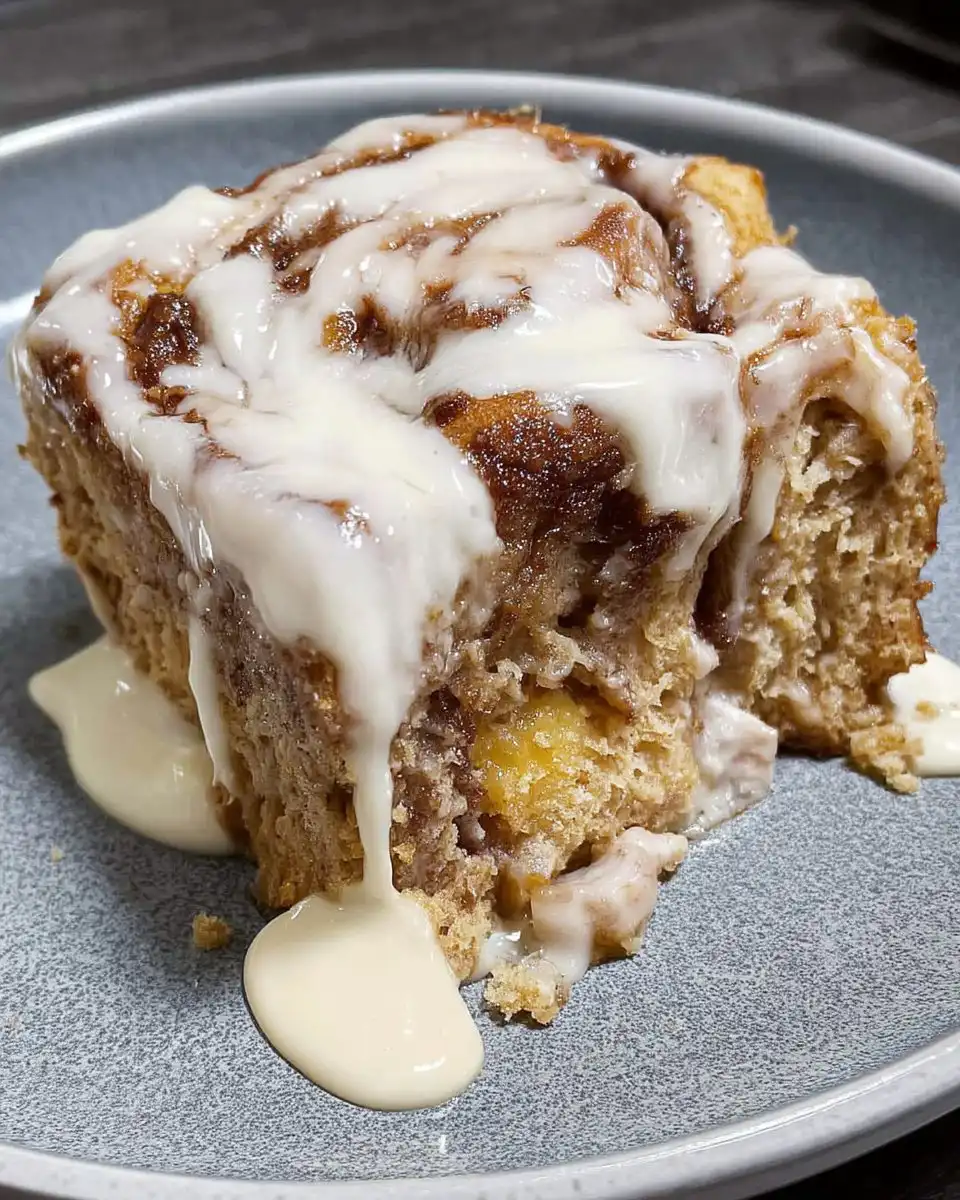
When serving this cake, use a sharp, thin-bladed knife to create clean squares that showcase the internal marbling. I recommend wiping the blade between each cut to prevent the glaze and cinnamon from smearing across the yellow sponge. This attention to detail ensures that the structural beauty of the swirl is visible to every guest.
Pair a slice with a dollop of unsweetened whipped cream to balance the intensity of the brown sugar. The cream provides a neutral, smooth texture that complements the spicy grit of the cinnamon. For more inspiration on how to present layered bakes, our recipe-index offers a variety of techniques for finishing and plating cakes with professional precision.
Master the Craft
Mastering this Cinnamoroll Cake is about understanding how simple ingredients can be transformed through precise temperature control and technique. By substituting milk and carefully managing your swirl depth, you create a dessert that is far superior to standard box-mix results. This balance of structure and melt is the hallmark of a truly skilled home baker.
For those who enjoy exploring the intersection of fruit and high-quality fats, our raspberry-white-chocolate-cake provides another excellent opportunity to practice technical precision. I encourage you to share your results and join our community of dedicated bakers. Follow us on Pinterest, Instagram, and Facebook to see more technical guides and pastry art.