During my early years in a London patisserie, we were taught that the most effective way to achieve a light crumb was through the meticulous management of moisture and protein. This Cake Minimal approach relies on the structural integrity of egg whites and the natural acidity of citrus to create a dessert that is substantial yet weightless. It is a technical exercise in balancing hydration without sacrificing the foundational strength of the sponge.

This recipe transforms a standard base into a bright, airy masterpiece using mandarin oranges and a stabilized pineapple whipped topping. By replacing heavy fats with applesauce and focusing on aeration, we produce a texture that dissolves beautifully on the palate while maintaining a clean aesthetic. The result is a refined balance of structure and melt that proves simplicity requires the most precision.
The Triumph of Structural Lightness
The beauty of a Cake Minimal lies in its ability to offer a satisfying mouthfeel without the weight of traditional buttercreams. Most bakers rely on heavy fats to provide moisture, but this method uses the liquid from mandarin oranges to hydrate the starches while providing a subtle citrus undertone. This creates a crumb that is remarkably tender but remains firm enough to support a generous layer of fruit-infused topping.
You will appreciate the technical brilliance of using egg whites exclusively. By removing the yolks, we eliminate the fat that can sometimes dull the vibrancy of the fruit flavors. The albumin in the whites provides a clean, white lattice that traps air during the mixing process, resulting in a sponge that is both resilient and soft. It is a masterclass in using fundamental ingredients to achieve a superior textural outcome.
Finally, the topping acts as a functional layer rather than just decoration. The inclusion of instant pudding mix provides a structural stabilizer for the whipped topping, preventing it from weeping or losing its volume. This allows the pineapple to stay suspended in the cream, ensuring every bite has a consistent ratio of fruit to foam. It is an exquisitely balanced dessert that honors the principles of minimalist design through technical excellence.
Print
Cake Minimal
- Total Time: 1 hour 45 mins
- Yield: 12 servings
- Diet: Low-Fat
Description
This elegant, low-fat sponge cake achieves a remarkably light and airy texture by utilizing egg whites and applesauce. Brightened with mandarin oranges and finished with a stabilized pineapple whipped topping, it is a refreshing dessert that balances technical precision with simple ingredients.
Ingredients
- 18.25 ounces yellow cake mix
- 11 ounces mandarin oranges, undrained
- 4 large egg whites, room temperature
- 1/2 cup unsweetened applesauce
- 20 ounces crushed pineapple, undrained
- 1 ounce sugar-free instant vanilla pudding mix
- 8 ounces reduced-fat whipped topping, thawed
Instructions
- Preheat your oven to 350°F (177°C) and lightly grease a 13×9-inch baking dish with cooking spray.
- In a large mixing bowl, combine the cake mix, undrained mandarin oranges, room temperature egg whites, and applesauce.
- Beat the mixture on low speed for 2 minutes to incorporate the oranges and aerate the batter.
- Pour the batter into the prepared dish and bake for 25 to 30 minutes, or until a wooden pick inserted in the center comes out clean.
- Remove from the oven and allow the cake to cool completely on a wire rack.
- In a chilled bowl, whisk together the undrained crushed pineapple and instant pudding mix; let sit for 2 minutes to hydrate.
- Gently fold the whipped topping into the pineapple mixture using a silicone spatula until no white streaks remain.
- Spread the topping over the cooled cake and refrigerate for at least one hour to allow the layers to set.
Notes
To ensure the best volume, always use room temperature egg whites, as cold proteins won’t expand as effectively during mixing. For the cleanest slices, dip your knife in warm water and wipe it dry between each cut, which helps prevent the stabilized whipped topping from sticking to the blade.
- Prep Time: 15 mins
- Cook Time: 30 mins
- Category: Dessert
- Method: Baking
- Cuisine: American
The Technical Foundation of Aeration
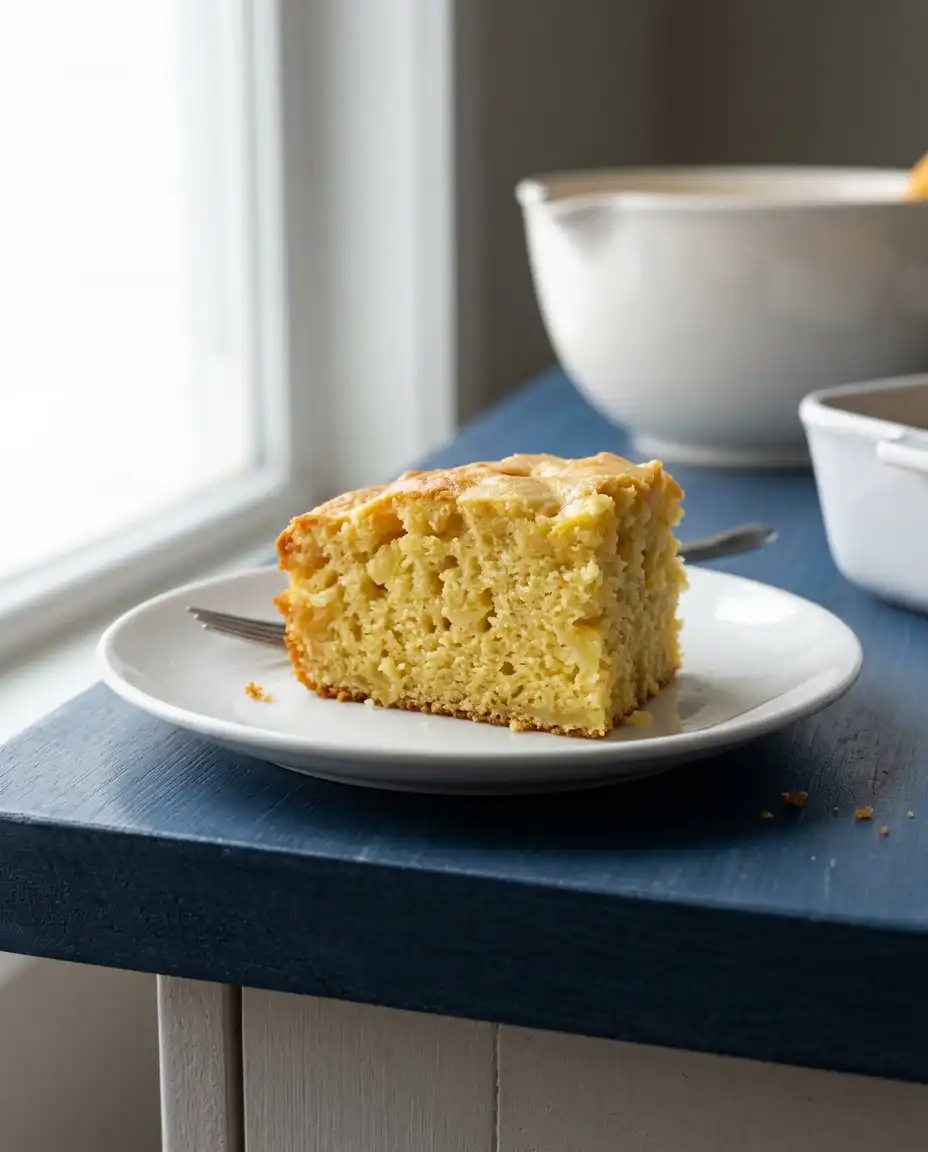
Success in minimalist baking begins with an understanding of how each component contributes to the final architecture of the dessert. Every ingredient here has been selected for its ability to provide either structural support or specific textural contrast.
- Yellow Cake Mix (18.25 ounces): This serves as our primary structural base, containing the necessary flour and leavening agents to ensure a consistent rise. It provides the starch framework that holds the moisture of the fruit.
- Mandarin Oranges (11 ounces): Used undrained to provide both hydration and natural sugars. The citric acid slightly softens the flour’s gluten, resulting in a more delicate melt-in-your-mouth experience.
- Egg Whites (4 large): These must be at room temperature to allow the protein bonds to stretch effectively. They provide the lift and structural ‘skeleton’ of the cake without adding the heaviness of fat.
- Unsweetened Applesauce (1/2 cup): This serves as a functional fat replacement. The pectin in the applesauce helps to retain moisture within the crumb, preventing the cake from becoming dry during the baking process.
- Crushed Pineapple (20 ounces): The fibrous nature of the pineapple adds a necessary tactile contrast to the smooth whipped topping. Use it undrained to allow the juices to hydrate the pudding mix.
- Sugar-Free Instant Vanilla Pudding Mix (1 ounce): This is our chemical stabilizer. The starches in the pudding mix react with the pineapple juice to create a thick, gel-like consistency that supports the whipped topping.
- Reduced-Fat Whipped Topping (8 ounces): This provides the final ‘melt’ factor. It must be folded in with precision to maintain the air bubbles that create the desired lightness.
The Methodical Process of Construction
Step 1: Prepare the Structural Environment
Begin by preheating your oven to 350°F (177°C). Use a pastry brush to apply a thin, even layer of cooking spray to a 13×9-inch baking dish. This creates a non-stick surface while allowing the batter to ‘climb’ the sides of the pan for maximum volume.
Step 2: Aerate the Base Components
In a large glass or metal bowl, combine the cake mix, undrained mandarin oranges, room temperature egg whites, and applesauce. Using a stand mixer or hand mixer on low speed, beat the mixture for exactly 2 minutes. This timing is critical; it allows the oranges to break down into the batter while ensuring the egg whites are fully integrated without being over-beaten.
Step 3: Execute the Bake
Pour the batter into the prepared dish, smoothing the top with an offset spatula to guarantee an even surface. Place the dish on the center rack of the oven and bake for 25 to 30 minutes. The cake is done when a wooden pick inserted into the center emerges clean, indicating the internal structure has set.
Step 4: Stabilize via Thermal Regulation
Transfer the baking dish to a wire rack. It is vital to let the cake cool completely before applying the topping. If the cake is even slightly warm, it will collapse the air pockets in the whipped topping, leading to a soggy interface between the layers.
Step 5: Construct the Stabilized Topping
In a separate chilled bowl, whisk together the undrained crushed pineapple and the instant vanilla pudding mix. Let it sit for 2 minutes to allow the starches to hydrate. Gently fold in the whipped topping using a silicone spatula. Use a ‘cut and fold’ motion—slicing through the center and lifting from the bottom—to maintain the aeration.
Step 6: Final Assembly and Set
Spread the topping evenly over the cooled cake. Refrigerate the cake for at least one hour. This chilling period allows the pudding-stabilized topping to firm up, making the cake easier to slice and enhancing the refreshing qualities of the fruit.
Precision Secrets for Flawless Crumb
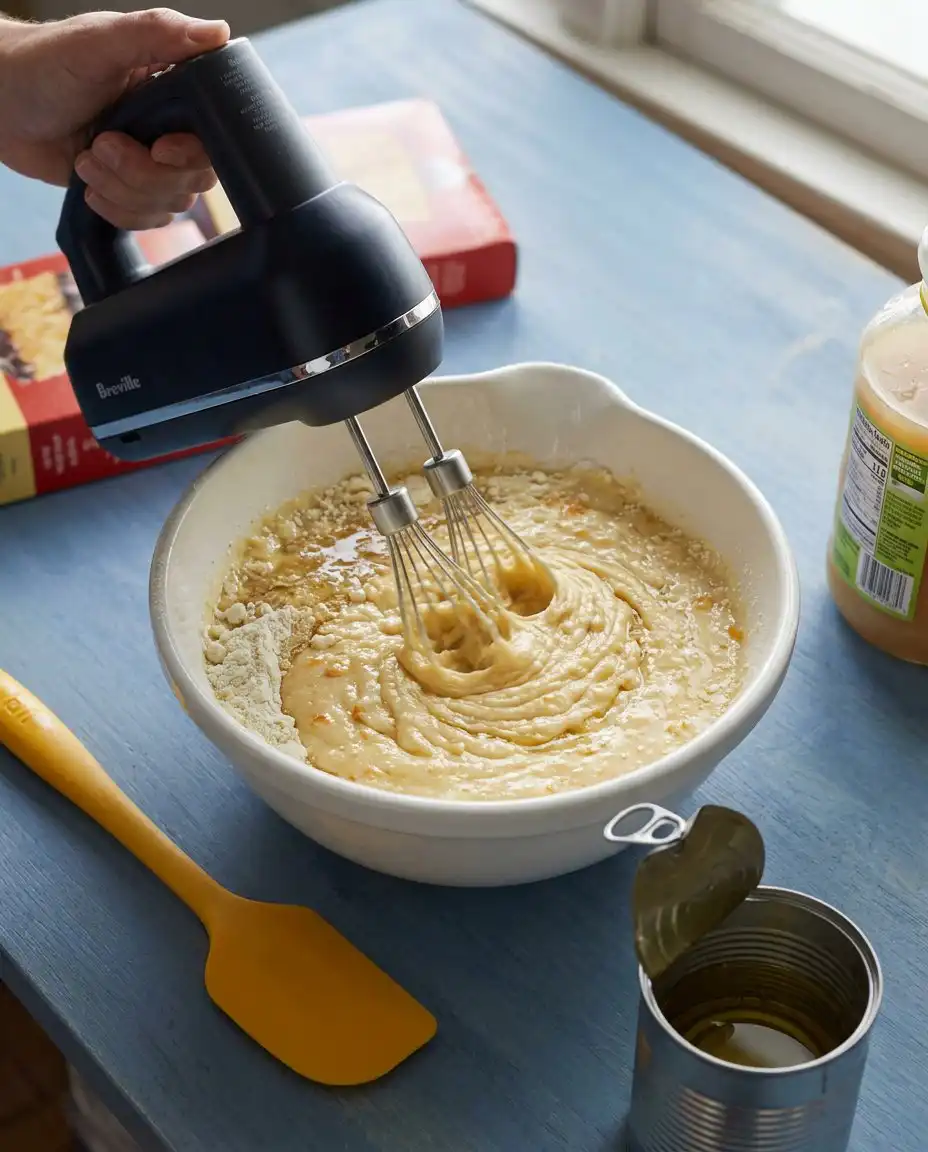
Achieving the perfect Cake Minimal requires attention to the temperature of your ingredients. Always ensure your egg whites are at room temperature before mixing; cold proteins are tight and will not expand to their full potential, resulting in a denser cake. If you find yourself in a rush, place the whole eggs in a bowl of warm water for five minutes before separating them. This small adjustment significantly improves the volume of your batter.
For a truly professional finish, pay close attention to the folding process. Over-mixing the pineapple topping will cause the whipped cream to deflate, turning your light foam into a thin liquid. Stop mixing the moment no white streaks remain. To master more advanced techniques in foam stabilization, I recommend you consult our recipe-index for further guidance on aerated desserts. Proper technique here guarantees the topping stands tall once sliced.
Technical Variations for Advanced Palates
While the mandarin and pineapple combination is classic, you can modify the flavor profile by adjusting the fruit acidity. For a sharper citrus note, replace the mandarin oranges with an equal volume of crushed blood oranges or grapefruit segments. Be aware that higher acidity may require a slight increase in baking time by 2-3 minutes to allow the structure to set properly. If you enjoy a more complex fruit profile, you might consider how the principles of our fruit-cake can be applied to these lighter sponges.
For those seeking a more decadent finish, you can incorporate a tablespoon of high-quality cognac or orange liqueur into the batter. The alcohol acts as a flavor carrier and slightly inhibits gluten development, leading to an even softer crumb. For more inspiration on diverse textures, you can see how professionals approach easy cake recipes to find variations that suit your specific kitchen environment.
Presentation Precision and Textural Balance
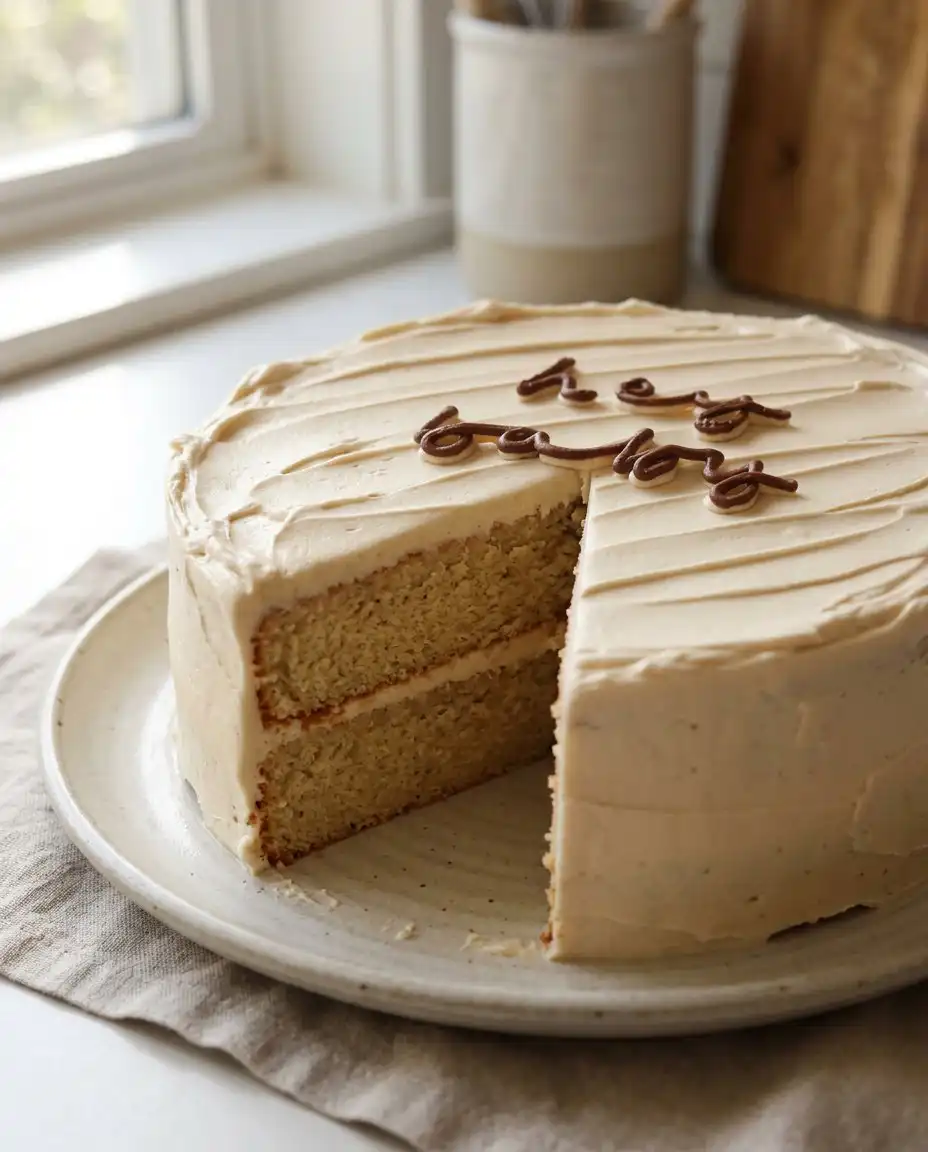
Serving a Cake Minimal is as much about the temperature as it is about the cut. The cake should be served directly from the refrigerator to maintain the firmness of the pineapple topping. Use a warm, sharp knife to create uniform rectangles. For a truly exquisite presentation, garnish each slice with a single, fresh mint leaf or a very thin slice of fresh mandarin to hint at the internal flavors without cluttering the plate.
Pairing this cake with a light, sparkling beverage or a clean herbal tea allows the fruit notes to shine. Avoid serving it with heavy ice creams, which would overwhelm the delicate aeration of the sponge. Instead, if you desire more variety, look toward our velvet-crumb-collection to find complementary textures that celebrate the art of the bite. A minimalist dessert thrives when its surroundings are equally refined.
Master the Craft of Minimalist Baking
Technical mastery in the kitchen is not about complexity, but about understanding how simple components can be combined to create something superior. By focusing on the structural properties of egg whites and the stabilizing power of pudding, you have created a dessert that is both light and satisfying. This Cake Minimal proves that when we respect the science of baking, we achieve a texture that is truly spectacular. For another technical challenge that explores the depths of moisture and crumb, I encourage you to try our old-fashioned-chocolate-cake. Be sure to share your results with us on Instagram or join our community on Facebook to show off your latest pastry triumph.