During my early training in a professional British pastry kitchen, I learned that the most humble ingredients often require the most rigorous technical discipline. The secret to a superior sweet potato cake lies not in complexity, but in the precise management of starch and moisture. By roasting the tubers instead of boiling them, we concentrate the natural sugars and prevent the structural integrity of the crumb from becoming waterlogged.

This particular recipe is a study in textural balance, offering a moist, almost custard-like interior that remains firm enough to slice cleanly. It is a refined cake that relies on the natural density of the sweet potato to create a mouthfeel that is both substantial and delicate. We use a high-temperature initial roast to transform the chemical composition of the starch into a sweet, caramelised foundation.
Structure Meets Texture
This recipe is a masterclass in how simple ingredients, when treated with technical precision, produce a spectacular result. You will appreciate the way the high roasting temperature (220°C) triggers the Maillard reaction, developing a depth of flavour that raw or boiled potatoes simply cannot match. The resulting texture is a triumph of pastry science; it is a wet cake that avoids the pitfall of being cloying or heavy.
Because we use a relatively low proportion of flour (150g) compared to the 900g of sweet potato, the cake relies on the egg proteins and the natural starches of the tuber for its structural framework. This creates a melt-in-the-mouth experience that is far more sophisticated than a standard sponge. It is an authentic, honest dessert that rewards the baker who pays attention to the tactile cues of the batter and the visual signals of the caramelising surface.
Print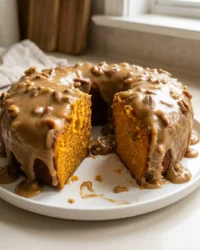
Sweet Potato Cake
- Total Time: 2 hours
- Yield: 8 servings
- Diet: Vegetarian
Description
This technically-driven sweet potato cake features a moist, custard-like crumb achieved through high-heat roasting and precise moisture control. It is a refined dessert that celebrates the natural sweetness and dense texture of the tuber without the need for excessive added sugars.
Ingredients
- 900g sweet potatoes
- 50g unsalted butter, softened
- 2 large eggs
- 100ml single cream or full fat milk
- 150g plain flour
- 1 tsp baking powder
Instructions
- Preheat your oven to 220°C (425°F) and line a baking tin with high-quality parchment paper.
- Pierce the sweet potato skins multiple times and roast for 50 minutes until soft; once cooled slightly, peel and mash the flesh until perfectly smooth.
- Reduce the oven temperature to 180°C (350°F).
- In a medium bowl, whisk the warm mashed sweet potato with the softened butter and cream, then incorporate the two eggs until the mixture is a smooth emulsion.
- Sift the plain flour and baking powder into the wet mixture and gently fold with a spatula until just combined, being careful not to overwork the gluten.
- Spoon the batter into the prepared tin, level the surface, and bake for 45 to 60 minutes until deeply caramelized and firm.
- Allow the cake to cool completely in the tin before transferring to the refrigerator to set before slicing.
Notes
For the most consistent results, ensure your eggs and cream are at room temperature before mixing to prevent the butter from seizing. Weighing the mashed potato after roasting can ensure accuracy; you are looking for approximately 600-650g of prepared mash for the perfect structural balance.
- Prep Time: 20 mins
- Cook Time: 1 hour 40 mins
- Category: Dessert
- Method: Baking
- Cuisine: British
The Technical Foundation

Choosing your ingredients with an eye for quality is the first step toward achieving the perfect crumb. Each component in this list serves a specific structural or textural purpose.
- Sweet Potatoes (900g): Look for firm, orange-fleshed varieties. The weight is measured before roasting; the water loss during the 50-minute roast is essential for concentrating the flavour and preventing a soggy base.
- Unsalted Butter (50g): This provides the necessary lipids for a smooth mouthfeel. Ensure it is softened but not oily to maintain a proper emulsion with the eggs.
- Large Eggs (2): These are our primary structural binders. They provide the protein matrix that holds the moisture of the sweet potato in suspension.
- Single Cream or Full Fat Milk (100ml): I recommend single cream for its higher fat content, which coats the flour particles and inhibits excessive gluten development, resulting in a more tender bite.
- Plain Flour (150g): A low-protein flour is ideal here. We want just enough structure to support the mash without making the cake tough.
- Baking Powder (1 tsp): This provides the subtle lift needed to prevent the dense potato mash from becoming a leaden block.
The Method
Step 1: High-Heat Tuber Preparation
Preheat your oven to 220°C (425°F). Prepare your tin by lining the base and sides with high-quality baking paper; this cake is high in natural sugars and will stick if the barrier is not perfect. Use a sharp knife to pierce the skins of the 900g of sweet potatoes multiple times. This allows steam to escape, which is critical for achieving a concentrated, non-watery mash.
Step 2: The Roasting Phase
Roast the potatoes for 50 minutes. You are looking for the potatoes to be puffed up and completely soft when pierced. This long, hot roast converts complex starches into simple sugars. Once roasted, allow them to cool just enough to handle, then remove the skins and mash the flesh until perfectly smooth. A coarse mash will result in a fractured crumb structure.
Step 3: Temperature Adjustment and Emulsion
Reduce the oven temperature to 180°C (350°F). In a medium mixing bowl, combine the mashed sweet potato with 50g of butter and 100ml of cream. Add the two large eggs and use a hand whisk to beat the mixture. We are looking for a smooth, homogenous emulsion. If the potato is too hot, it will scramble the eggs, so confirm the mash is merely warm before proceeding.
Step 4: Dry Ingredient Integration
Sift the 150g of plain flour and 1 tsp of baking powder into the wet mixture. Use a spatula to gently fold the ingredients together. Do not overwork the batter; we want to incorporate the flour until just combined to avoid developing the gluten, which would ruin the delicate melt of the finished cake.
Step 5: The Final Bake
Spoon the batter into the prepared tin and level the surface with an offset spatula. Bake for 45 to 60 minutes. The surface should be deeply caramelised and firm to the touch. Because of the high moisture content of the sweet potato, a skewer may still come out slightly sticky; this is expected and does not indicate an underbaked centre. Allow the cake to cool completely in the tin before moving it to the fridge to set.
Precision Secrets

To achieve the ultimate consistency, I recommend weighing your mashed sweet potato after roasting. You should have approximately 600-650g of mash from the original 900g of raw tubers. If your potatoes were particularly watery, you may need to cook the mash in a pan for five minutes to drive off excess moisture before adding the butter and eggs. This level of attention is what defines the professional approach found in my velvet crumb collection.
Temperature control is also paramount. If you add cold eggs to the butter and potato mixture, the fat will seize, creating a grainy texture. Ensure all ingredients are at room temperature. For more technical insights into moisture management in baking, you might find the methods used in Japanese sweet potato recipes quite helpful, as they also prioritise the natural density of the vegetable.
Technical Tweaks
While the base recipe is a study in simplicity, you can adjust the flavour profile without compromising the structural integrity. For a warmer profile, sift 1 teaspoon of ground cinnamon or a half-teaspoon of ground ginger with the flour. This adds a spice layer similar to a traditional fruit cake, though the texture remains much lighter.
You can also replace 50g of the plain flour with finely ground almond flour. This reduction in gluten and increase in fat content will result in an even more tender, fragile crumb that dissolves on the tongue. If you choose this route, be extra careful when removing the cake from the tin, as the structure will be more delicate until fully chilled in the refrigerator.
Presentation Precision

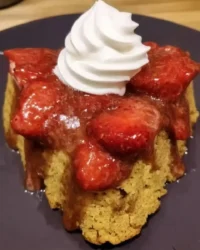
This cake is best served at a slightly cool room temperature. Use a sharp, thin-bladed knife dipped in hot water to achieve the cleanest slices. The contrast between the caramelised exterior and the soft interior is the hallmark of a successful bake. If you find the flavour too subtle, a dollop of unsweetened whipped cream or a tart fruit compote provides an excellent textural foil, much like the pairings in our succulent fruit fusion.
For a more formal presentation, dust the surface very lightly with icing sugar or a pinch of cinnamon. The beauty of this cake is its structural honesty; it does not need to be hidden under thick layers of frosting. The focus should remain on the pristine texture and the natural sweetness of the roasted tubers.
Master the Craft
Achieving the perfect sweet potato cake is a victory of technique over complexity. By respecting the roasting process and the delicate integration of ingredients, you produce a dessert that is a true reflection of professional pastry standards. Whether you are looking for a new technical challenge or a reliable addition to your repertoire, this recipe proves that precision creates the best mouthfeel. If you enjoy mastering these types of textured bakes, I suggest trying our old fashioned chocolate cake for another lesson in structural perfection.
Please share your results with our community of dedicated bakers. You can find more technical guidance and join the conversation on Pinterest, Instagram, and Facebook.