Growing up in a sun-drenched coastal village, I remember the sharp, clean scent of lemons drifting through my grandmother’s open kitchen windows. There was a specific ritual to her afternoons, a patient dance of pouring golden citrus syrup over warm sponges until they glistened with a sweet, heavy moisture. This Lemon Poke Cake 3 captures that exact Mediterranean magic, where the cake doesn’t just hold the flavor—it breathes it through every saturated crumb.

In my bakery, we believe that texture is the soul of any dessert, and a poke cake is the ultimate expression of that philosophy. This recipe uses a bright lemon glaze to permeate a tender sponge, creating a mouthfeel that is remarkably light yet deeply indulgent. By allowing the citrus to seep into the heart of the cake, we achieve a level of moisture that traditional frosting simply cannot provide.
Melt-in-Your-Mouth Perfection
The beauty of this recipe lies in its structural honesty; it is a dessert designed to be soft, yielding, and impossibly moist. Unlike cakes that rely on thick layers of buttercream to provide interest, the Lemon Poke Cake 3 focuses on the internal landscape of the sponge. When you take your first bite, the fork glides through the crumb without resistance, revealing a texture that feels almost like a delicate custard in places where the glaze has settled.
You will love the way the tartness of the fresh lemon juice cuts through the sweetness of the confectioner’s sugar, creating a balanced profile that never feels cloying. It is the kind of treat that feels special enough for a celebration but humble enough for a Tuesday afternoon with a strong cup of tea. The pudding mix incorporated into the batter ensures a dense, velvety finish that stays fresh for days, making it a reliable treasure for any home baker’s repertoire.
Print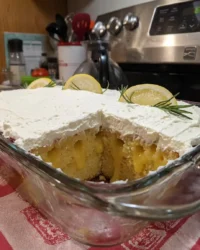
Lemon Poke Cake
- Total Time: 45 mins
- Yield: 12 servings
- Diet: Vegetarian
Description
Experience a burst of Mediterranean sunshine with this ultra-moist Lemon Poke Cake. By combining a signature citrus soak with a tender pudding-infused sponge, this recipe creates a dessert that literally melts in your mouth with every zesty bite.
Ingredients
- 15.25 oz Lemon Cake Mix
- 3.4 oz Instant Lemon Pudding Mix
- 4 Large Eggs
- 1 cup Water
- 1/2 cup Canola Oil
- 2 Fresh Lemons (for zest and 1/3 cup juice)
- 2 cups Confectioner’s Sugar
Instructions
- In a large mixing bowl, combine the lemon cake mix, instant lemon pudding mix, four large eggs, water, and canola oil.
- Stir in half of the fresh lemon zest until the batter is glossy and smooth.
- Preheat the oven to 350°F (175°C) and pour the batter into a 13×9-inch pan lined with parchment paper.
- Bake for 30 minutes or until the internal temperature reaches 200°F (93°C) and the surface is golden brown.
- Whisk 1/3 cup of fresh lemon juice with the confectioner’s sugar and the remaining zest to create a smooth glaze.
- Poke holes across the warm cake with a chopstick, pour the glaze slowly over the top, and let it cool completely before serving.
Notes
Using a digital thermometer is the best way to ensure the sponge remains tender and does not dry out. Allow the cake to rest for at least two hours after glazing to let the lemon flavors fully penetrate the crumb for the best texture.
- Prep Time: 15 mins
- Cook Time: 30 mins
- Category: Dessert
- Method: Baking
- Cuisine: Mediterranean
The Mediterranean Citrus Pantry
To achieve the perfect soak, every ingredient must play its part in building the cake’s structural integrity and flavor profile. We start with a foundation that emphasizes ease without sacrificing the sensory experience of a high-end bakery sweet.
- Lemon Cake Mix (15.25 ounces): This provides the essential lift and a consistent base flavor that carries the citrus notes beautifully.
- Instant Lemon Pudding Mix (3.4 ounces): This is my secret for a tender, velvet-like crumb; it adds a level of moisture that prevents the cake from becoming soggy when the glaze is added.
- Large Eggs: These provide the structure and richness, ensuring the cake has the strength to hold the lemon soak.
- Canola Oil & Water: These fats and liquids work together to create a light, airy texture that remains soft even after refrigeration.
- Fresh Lemon Juice & Zest: Never skip the fresh citrus; the zest contains the essential oils that provide that authentic, vibrant aroma that bottled juice lacks.
- Confectioner’s Sugar: This dissolves into the lemon juice to create a thin, glossy glaze that penetrates deep into the sponge.
Each component is chosen to support the final goal: a cake that feels like it is melting as soon as it hits your tongue. The combination of the pudding mix and the fresh lemon zest creates a multi-layered citrus experience that is both bright and comforting.
The Method of the Perfect Soak
Step 1: Prepare the Batter
In a large mixing bowl, combine your lemon cake mix, the instant lemon pudding mix, four large eggs, the water, and the canola oil. Add half of your fresh lemon zest into the bowl now, as the oils will bloom during the baking process, infusing the entire sponge with aroma. Use a wooden spoon or a sturdy spatula to stir the ingredients together until they are well combined; the batter should look glossy and smooth, with tiny flecks of yellow zest visible throughout.
Step 2: Set the Stage for Baking
Preheat your oven to 350°F (175°C) to ensure an even rise from the moment the pan hits the rack. Prepare a 13×9-inch baking pan by lining it with parchment paper; I always suggest a light spray of vegetable oil inside the pan before laying the paper down to help it stay perfectly in place. Pour the thick, lemon-scented batter into the pan, smoothing the top with your spatula so it reaches the corners evenly.
Step 3: The Golden Bake
Slide the pan into the center of the oven and bake for approximately 30 minutes. You are looking for a beautiful golden brown finish on the surface. To be certain of perfection, I recommend using a digital thermometer to check the internal temperature—it should reach 200°F (93°C). If the cake begins to pull away from the sides of the pan, it is a sign that it is reaching the limit of its bake time, so watch closely during those final few minutes.
Step 4: Whisk the Glaze
While the citrus aroma fills your kitchen, prepare the soaking liquid by juicing your lemons until you have 1/3 cup of fresh juice. In a medium bowl, whisk this juice together with two cups of confectioner’s sugar and the remaining lemon zest until the mixture is completely smooth and free of lumps. This glaze should be thin enough to pour but thick enough to leave a slight, sugary crust on the surface of the cake once it sets.
Step 5: The Poke and Pour
Remove the cake from the oven and let it rest for exactly three to five minutes. While the cake is still quite warm, use a chopstick or the handle of a wooden spoon to poke about a dozen holes across the surface, spacing them evenly. Pour the lemon glaze slowly over the top, making sure it finds its way into every hole. The heat of the cake will draw the glaze deep into the crumb, creating those signature pockets of intense flavor.
Step 6: The Patient Rest
Allow the cake to cool completely at room temperature before slicing. This period of waiting is essential; it gives the syrup time to redistribute through the sponge, ensuring that every bite has that characteristic melt-in-your-mouth feel. Once cooled, the glaze will have set into a delicate, translucent layer that crackles slightly under the fork.
Mehmet’s Secrets for Texture Mastery
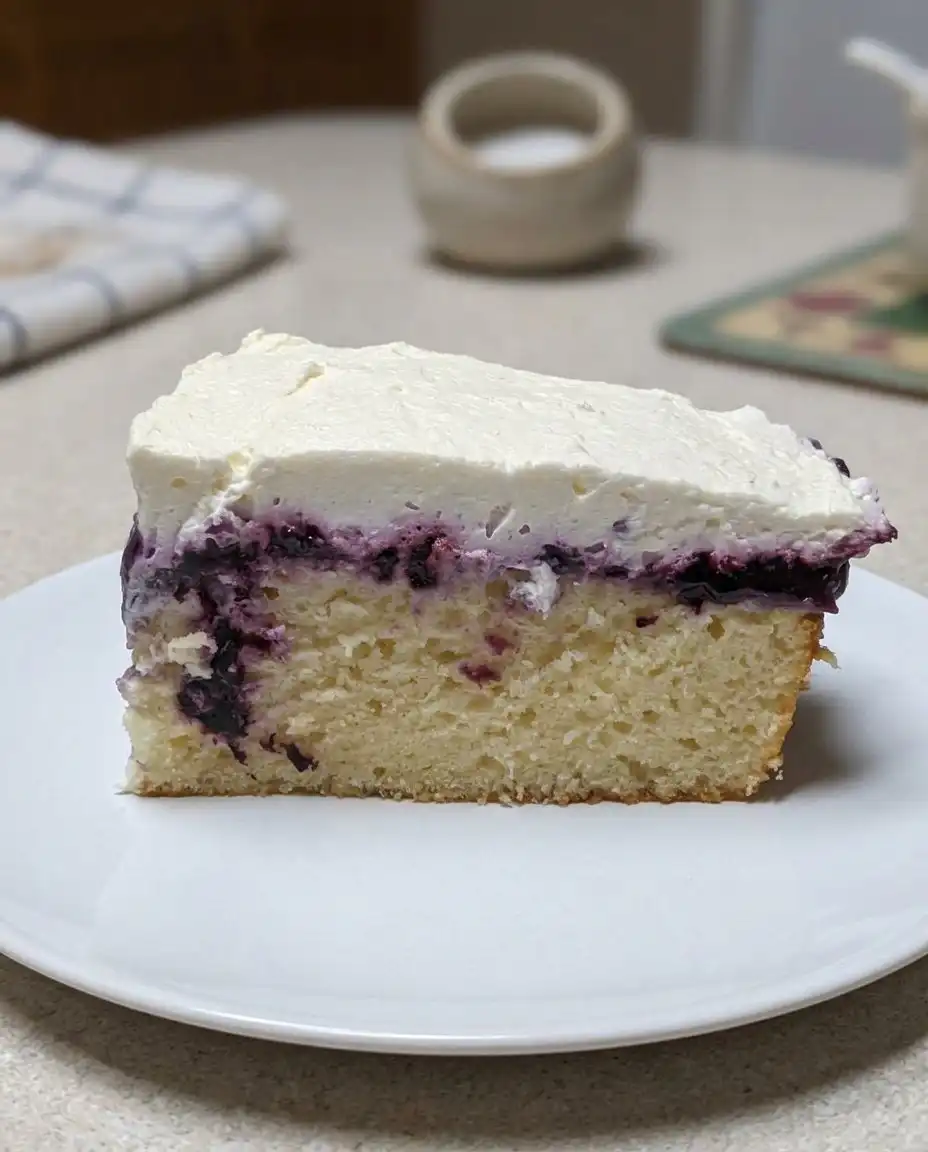
Temperature is the most critical element when creating a successful Lemon Poke Cake 3. I find that pouring the glaze while the cake is still quite hot allows for the deepest penetration, but if you prefer a slightly more distinct layer of sweetness on top, waiting an extra five minutes before poking the holes is the secret. If you enjoy desserts with various fruit profiles, you might want to look at my guide for a traditional fruit cake which uses similar soaking techniques to preserve moisture.
Always use a digital thermometer to avoid the heartbreak of a dry sponge; 200°F is the sweet spot for a cake that is fully baked but still retains its tenderness. For more technical insights on achieving this balance, you can refer to this original lemon poke cake inspiration which discusses the importance of hole placement. Remember, patience is your best friend—letting the cake sit for at least two hours before serving allows the lemon oils to fully develop and the sugar to bond with the crumb.
Regional Twists and Flavor Options
While the classic lemon version is a Mediterranean staple, you can easily adapt this method to suit different cravings. For a more floral experience, try adding a teaspoon of high-quality rose water to the glaze; this creates a scent profile reminiscent of the gardens in Istanbul. If you are a fan of vibrant colors and multiple citrus notes, you should try our lemon rainbow cake which explores a similar tartness with a different visual flair.
Another wonderful variation is the ‘Creamy Lemon’ version, where you fold a cup of whipped cream into the lemon glaze before pouring it over the cake for a richer, more mousse-like interior. You can also swap the lemon juice for lime and add toasted coconut to the top for a tropical take on this traditional soaking method. The key is to maintain the ratio of liquid to sugar so the cake remains saturated without losing its structure.
Mediterranean Traditions at the Table
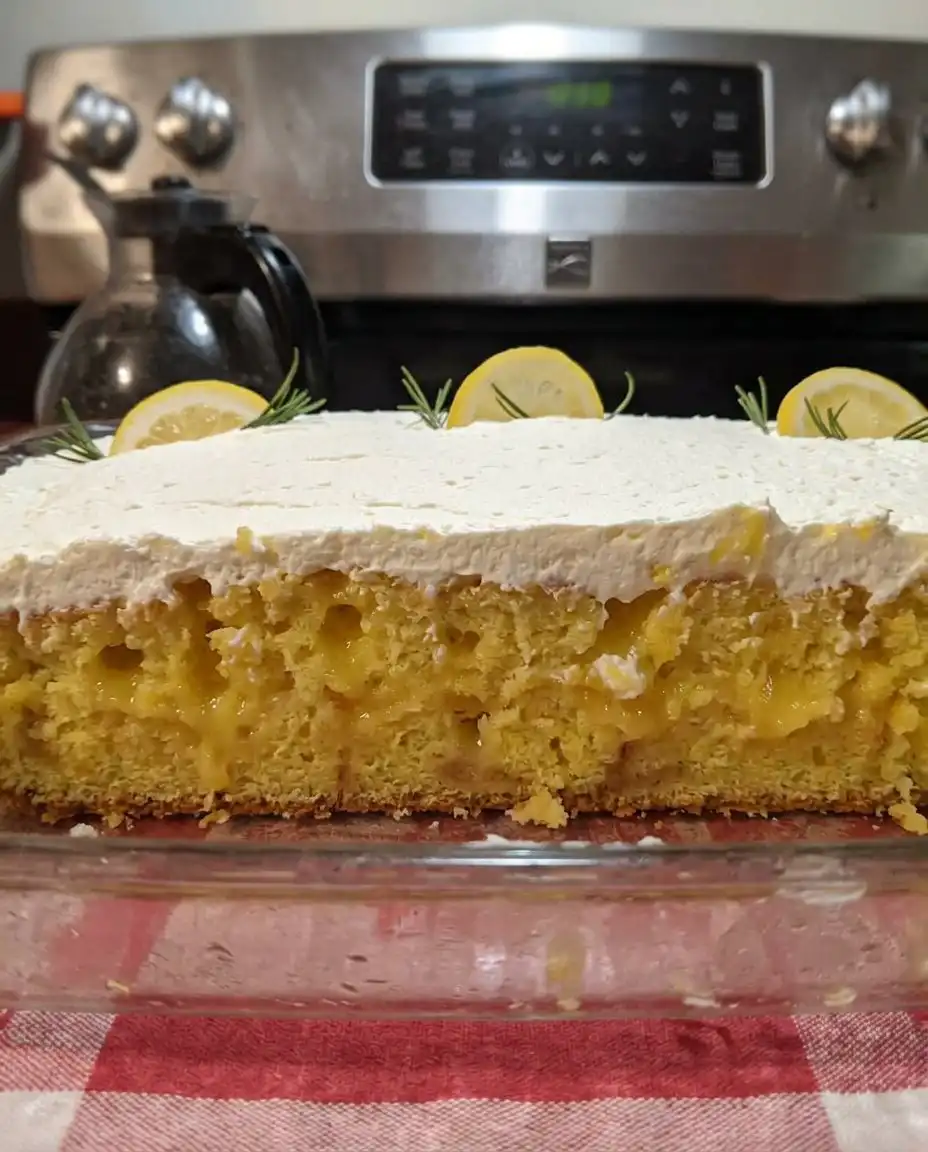
In my home, we serve this cake alongside a small glass of strong, unsweetened Turkish coffee or a fragrant mint tea. The bitterness of the coffee provides a beautiful counterpoint to the tart sweetness of the glaze. If you are looking for a lighter pairing, consider serving a slice alongside our succulent fruit fusion to add a variety of textures to your dessert plate.
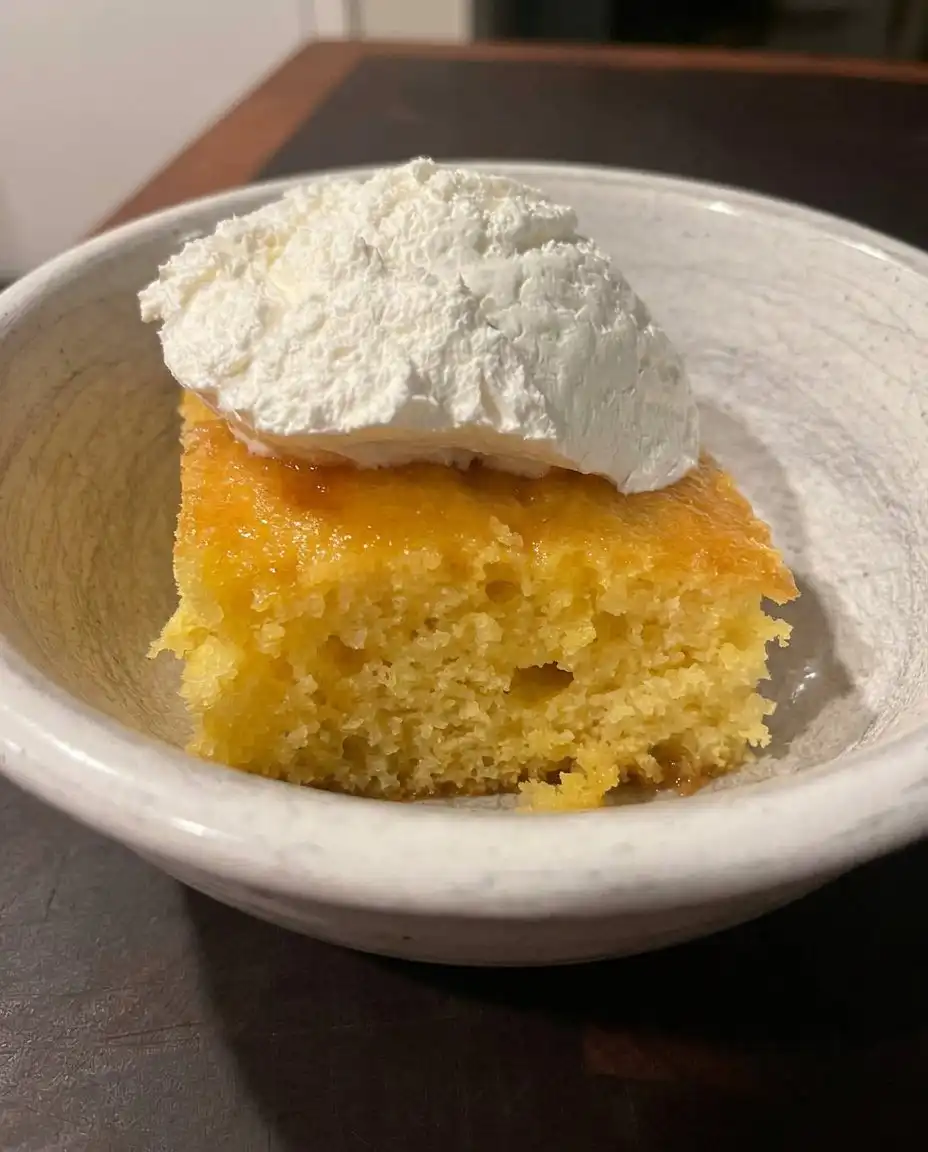
For a more formal presentation, a dollop of unsweetened whipped cream and a few fresh raspberries on the side can turn this simple sheet cake into a spectacular finale for a dinner party. The contrast between the cold cream and the zesty sponge is a sensory delight that never fails to impress. Always serve at room temperature if you want the softest texture, or straight from the fridge if you prefer a more fudge-like consistency.
The Sweet Truth of the Soak
There is a profound joy in mastering the art of the syrup-soaked dessert. The Lemon Poke Cake 3 is a testament to the fact that simplicity, when executed with patience and the right technique, can result in something truly extraordinary. If you have enjoyed this journey into citrus and texture, I invite you to try our raspberry white chocolate cake for another exploration of moist, flavorful sponges.
I would love to see your baking results and hear about your own family traditions. Please share your creations with our community on Instagram or pin this recipe for later on Pinterest. Remember, the secret to a great cake is always found in the soak. Happy baking!