I remember the small, handheld treats my mother used to wrap for my school lunches in Istanbul. They weren’t just snacks; they were miniature expressions of love, tucked away in a small tin that I would carry like a treasure. This Cake Bento reminds me of that same intimacy, bringing a grand celebration down to a personal, touchable scale that feels like a gift for the soul.

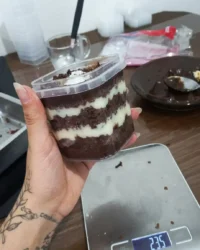
This recipe transforms a simple sheet cake into a pair of delicate, two-layer masterpieces that fit perfectly in the palm of your hand. It is about the joy of the individual portion, where every bite is a perfect balance of moist sponge and silky buttercream, crafted with the patience and sensory focus of a true Mediterranean baker.
The Magic of the Personal Cake
There is a specific kind of joy in receiving a cake that is meant just for you. The Cake Bento captures that feeling perfectly, offering a miniature world of sweetness that fits inside a humble lunch box. In our Mediterranean tradition, we value the idea of sharing, but we also cherish the individual experience of a perfect texture. This recipe delivers a cake that is impossibly moist, thanks to a gentle syrup soak that revives the sponge and makes it yield to the fork like soft butter.
When you bake these small wonders, you are creating something more than just a dessert; you are crafting a moment of peace. The texture of the crumb is tight yet tender, holding onto the vanilla buttercream with a devoted grip. Because they are small, every ratio is amplified. You get the perfect amount of frosting in every single bite, and the visual beauty of a tiny, decorated cake is enough to make anyone feel special. It is a celebration of the small things, a philosophy I carry with me from my family’s bakery to your kitchen.
Print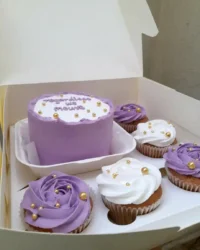
Cake Bento
- Total Time: 1 hour 2 mins
- Yield: 6 mini cakes
- Diet: Vegetarian
Description
These charming individual desserts feature a delicate, syrup-soaked sponge layered with silky vanilla buttercream, perfectly sized for a personalized gift. Inspired by Mediterranean flavors, each bento cake offers a balanced and moist texture in every bite.
Ingredients
- Prepared cake mix (for one 12×17 inch sheet)
- Simple syrup
- Unsalted grass-fed butter
- Heavy whipping cream
- Pure vanilla extract
- Sifted powdered sugar
Instructions
- Line a 12×17 inch half sheet pan with cooking oil and parchment paper.
- Spread the prepared cake batter evenly and bake at 350°F (175°C) for 20-24 minutes until golden; cool completely.
- Carefully loosen the edges and flip the cake onto a wire rack.
- Beat room-temperature butter until pale, then slowly incorporate powdered sugar, vanilla, and heavy cream until the frosting is light and fluffy.
- Use a 6-inch circle cutter to carve 12 circles from the cooled sheet cake.
- Place a cake circle on parchment and drizzle with one teaspoon of simple syrup to ensure moisture.
- Spread a layer of buttercream on the first circle, top with a second cake circle, and repeat the syrup drizzle.
- Apply a thin crumb coat of frosting to the stack and freeze for 10 minutes to set.
- Finish with a smooth final layer of buttercream, chill for another 10 minutes, and decorate with piped messages or borders.
Notes
To achieve a professional finish, use a metal offset spatula or bench scraper for the final frosting layer. If the buttercream becomes too soft during decoration, briefly chill your piping bag to restore the proper consistency for intricate designs.
- Prep Time: 40 mins
- Cook Time: 22 mins
- Category: Dessert
- Method: Baking
- Cuisine: Mediterranean
The Mediterranean Pantry Foundation
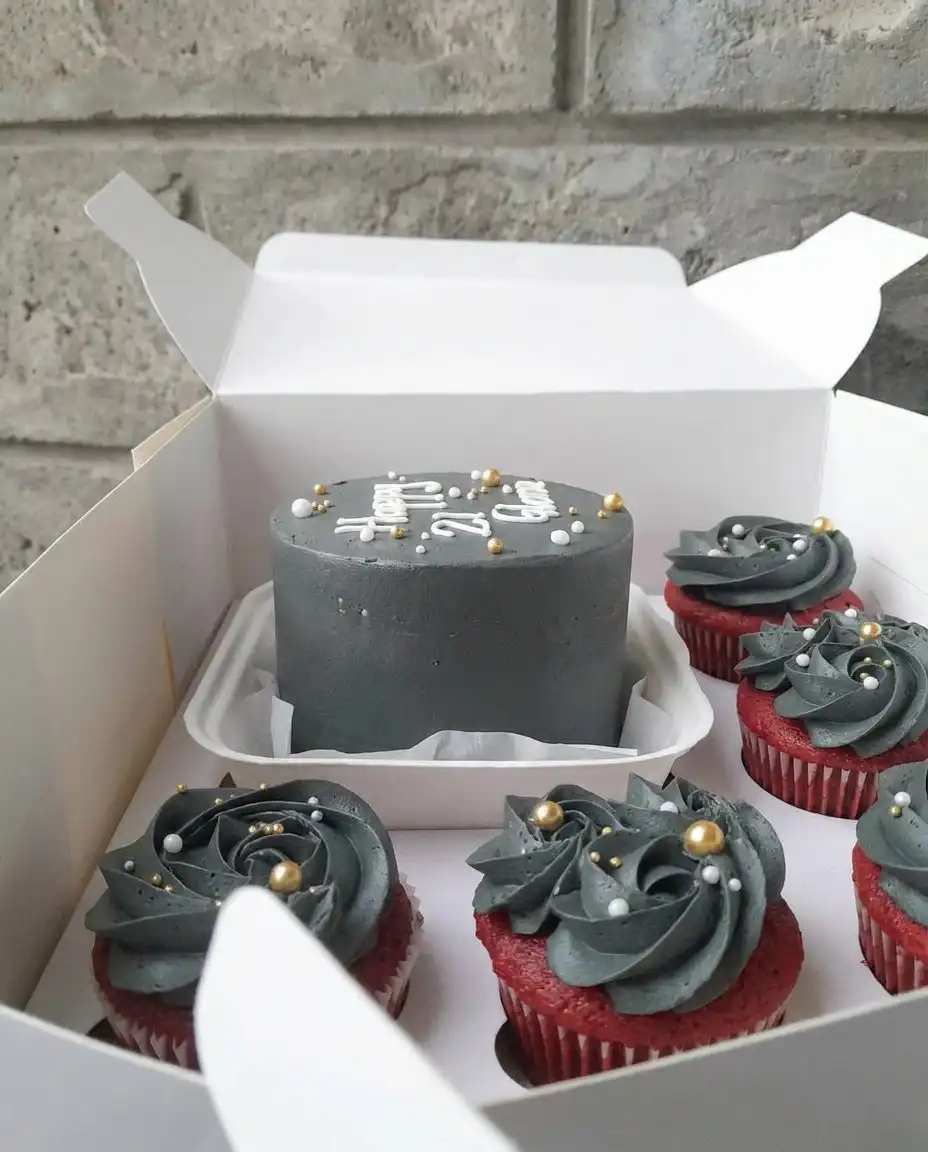
To create a Cake Bento that truly melts in the mouth, every ingredient must be chosen with care for its textural contribution. We start with a foundation that is simple but robust, allowing the silkiness of the frosting to shine against the tender sponge.
- Prepared Cake Mix: Choosing a high-quality mix provides the consistent, airy structure we need for a sheet cake that won’t crumble when cut into precise circles. Look for a mix that promises a velvety crumb.
- Simple Syrup: This is the secret of the Mediterranean baker. A light drizzle of syrup makes certain the cake remains vibrant and moist, even after chilling. It is the bridge between the cake and the frosting.
- Unsalted Butter: I always recommend a rich, grass-fed butter like Kerrygold. The higher fat content creates a mouthfeel that is luxurious and clean, never waxy. It should be soft to the touch, like a summer afternoon, before you begin.
- Heavy Whipping Cream: This is what gives our buttercream its cloud-like lightness. It breaks up the density of the sugar and creates a texture that is easy to spread and even easier to eat.
- Vanilla Extract: Use a genuine, pure extract to provide a warm, aromatic backbone to the sweetness. It is the scent of a welcoming home.
- Powdered Sugar: This must be fine and sifted to make certain the frosting is as smooth as silk, without a hint of graininess.
The Art of the Miniature Build
Step 1: Prep Your Foundation
Begin by preparing a 12×17 inch half sheet pan. Spray it generously with cooking oil and then press a piece of parchment paper into the bottom, making sure to tuck it into the corners. This parchment is vital; it allows the cake to release without a struggle, keeping our delicate surface intact.
Step 2: Baking the Sheet
Spread your prepared cake batter into the pan. Use a spatula to flatten the top until it is as level as a calm sea. Bake at 350 degrees (175 Celsius) for 20 to 24 minutes. You are looking for a beautiful golden brown top that springs back when touched. Let it cool completely in the pan; patience here is the secret to a clean cut.
Step 3: The Great Release
Once cooled, run a butter knife along the edges of the pan to loosen any stubborn bits. Cover the cake with another sheet of parchment and a wire rack, then flip the whole thing over. The cake should slide out with a soft sound, revealing its perfectly flat bottom.
Step 4: Whipping the Silky Buttercream
In your mixer, beat the room-temperature butter until it is smooth and pale, about 30 seconds. Add the vanilla and then begin adding the powdered sugar very slowly, half a cup at a time. Halfway through, pour in the heavy cream. Continue whisking on a low speed until the frosting looks like whipped clouds. It should be stiff enough to hold a peak but soft enough to spread without tearing the cake.
Step 5: Carving the Circles
Using a 6-inch circle cutter, carefully press down into the sheet cake to cut out 12 circles. Lift them gently and set them aside. This is the moment where the cake begins to take its individual shape. Prepare four squares of parchment paper, about 9 inches each, to serve as your workspace.
Step 6: The Essential Soak
Place a single cake circle on a square of parchment. Use a small spoon or a brush to drizzle one teaspoon of simple syrup over the surface. Watch as the sponge drinks it in. This step is what separates a dry cake from a Mediterranean masterpiece that stays fresh for days.
Step 7: The First Layer
Spread a level layer of your vanilla buttercream over the first circle. Don’t go too thick; you want a balance of flavors. Place the second cake circle on top and repeat the syrup drizzle. This double layer is the classic bento height, offering a tall profile that looks magnificent in a small box.
Step 8: The Protective Crumb Coat
Apply a very thin layer of frosting over the top and sides of the stacked cake. This is the crumb coat. It locks in the moisture and traps any loose crumbs so they don’t ruin your final look. Put the cakes in the freezer for 10 minutes to set this layer firm.
Step 9: The Final Polish and Decor
Once the crumb coat is firm, apply a thicker, final layer of buttercream. Use a scraper to make the sides smooth and the top flat. Return to the freezer for another 10 minutes. Finally, use any remaining frosting, tinted with colors if you wish, to pipe small borders or write a personal message. Gently lift the parchment to move the finished cake into its bento container.
Mehmet’s Secrets for a Flawless Finish

One of the most important lessons in my kitchen is that temperature is everything. If your butter is too cold, the frosting will break; if it is too hot, it will slide right off the cake. Aim for that perfect ‘room temperature’ where the butter yields to a finger press but still holds its shape. When you are applying the syrup, make certain the cake is completely cool. Applying liquid to a warm cake can lead to a soggy bottom, which is the enemy of a good melt. For more on achieving the perfect texture in your baking, you should look at our velvet crumb collection which covers these principles in depth.
Another secret for the Cake Bento is the ‘hiss’ of the soak. While these cakes aren’t quite as wet as a traditional Turkish Revani, the principle is the same. The syrup should be applied slowly so it saturates the sponge without pooling. This keeps the interior vibrant and helps the buttercream bond to the cake surface. If you find your frosting is too soft to work with, don’t be afraid to put it back in the fridge for five minutes to firm up before continuing your artistic work.
Regional Twists and Flavor Journeys
While vanilla is a timeless choice, the Cake Bento is a canvas for your imagination. You can easily adapt this recipe to suit different moods or traditions. For a touch of the Mediterranean, try adding a drop of rose water or orange blossom water to your simple syrup. This adds a haunting, floral aroma that pairs beautifully with the sweet buttercream.
If you prefer something more vibrant, you might consider a fruit-forward approach. You could use a lemon-infused cake mix and fill the layers with a thin spread of raspberry jam before the buttercream. This creates a sharp, bright contrast to the rich frosting. For a similar flavor profile that we love in the bakery, try our raspberry white chocolate cake for inspiration on fruit and cream pairings. You can also swap the sprinkles for crushed pistachios or dried rose petals to give the cakes a more traditional, rustic look that honors our heritage.
A Mediterranean Tea Time Tradition
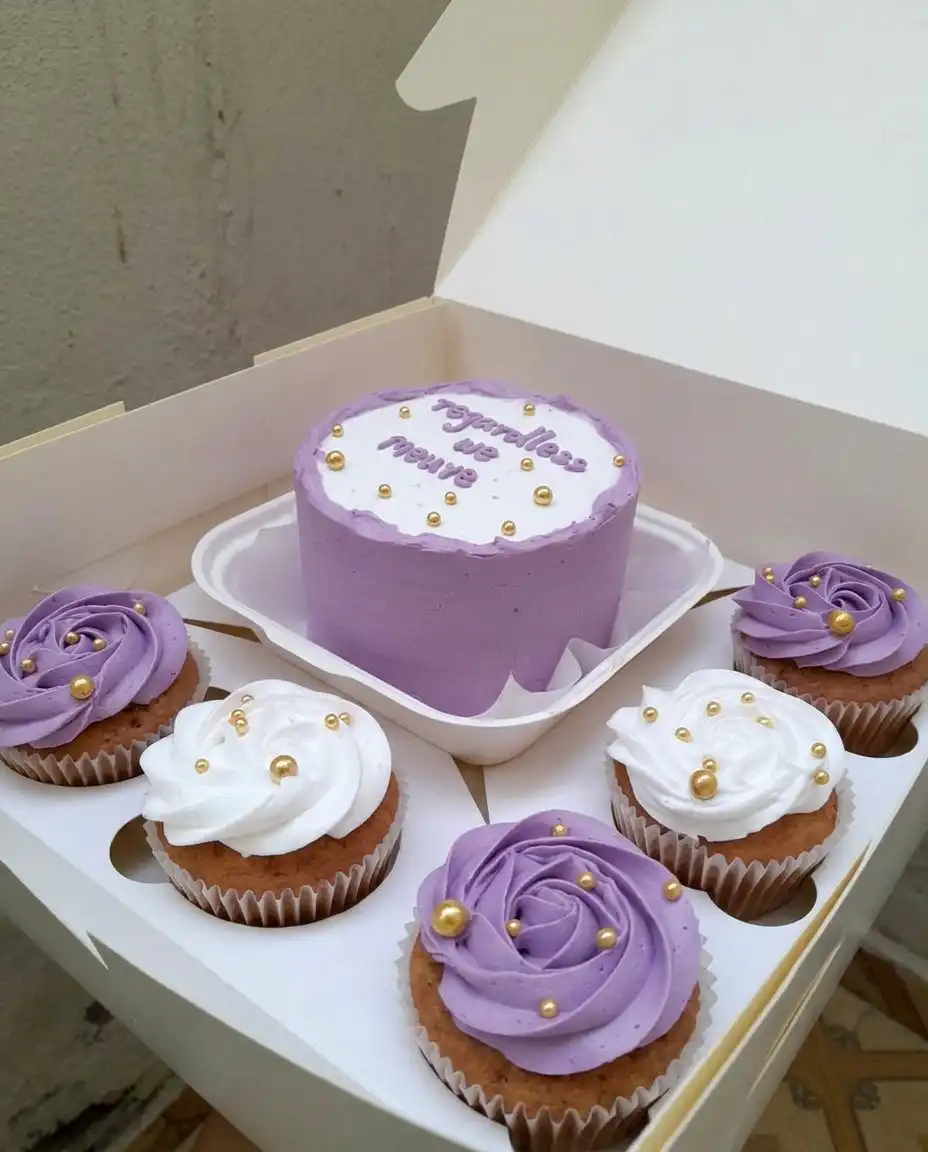
In our culture, sweets are rarely eaten alone; they are a reason to gather. Serve your Cake Bento alongside a steaming cup of strong Turkish coffee or a fragrant glass of black tea. The bitterness of the coffee cuts through the sweetness of the buttercream, creating a balanced sensory experience that lingers on the palate. If you are looking for other colorful additions to your tea table, our lemon rainbow cake makes a wonderful companion with its bright citrus notes.
When presenting these cakes, keep them in their bento boxes until the very moment of eating. The act of opening the lid is part of the magic. You can place a small wooden spoon inside the box for a rustic, ready-to-eat feel. If you are serving these at a party, arrange the boxes on a large wooden platter adorned with fresh mint leaves and whole nuts to ground the dessert in its Mediterranean roots.
The Soul of the Syrup and Sponge
Creating a Cake Bento is a patient act of love. From the moment the syrup disappears into the sponge to the final stroke of the palette knife, you are engaging in a tradition of sweetness that spans generations. These small cakes remind us that beauty and flavor do not require a massive scale—they only require care and the right ingredients. For those who want to keep building their skills with more traditional flavors, I highly recommend trying our old-fashioned chocolate cake next. We would love to see your miniature creations, so please share your photos with us and join our community of bakers on Pinterest, Instagram, and Facebook. Happy baking, and may your kitchen always be filled with the scent of vanilla and warm syrup.