My early days in a professional British kitchen taught me that the humblest cakes often require the most discipline. Achieving the perfect aeration in a sponge is not about luck; it is a precise calculation of friction, timing, and temperature. This method celebrates the technical mastery required to create a crumb that is both structurally sound and incredibly light.

This specific formulation for sponge cake 2 is designed for those who demand a stable foundation for layering without sacrificing a tender, moist mouthfeel. It relies on the mechanical leavening of eggs to provide lift, while the inclusion of vegetable oil guarantees a superior texture that stays soft even when chilled. By following these methodical steps, you will achieve a professional-grade result every time.
Structure Meets Texture
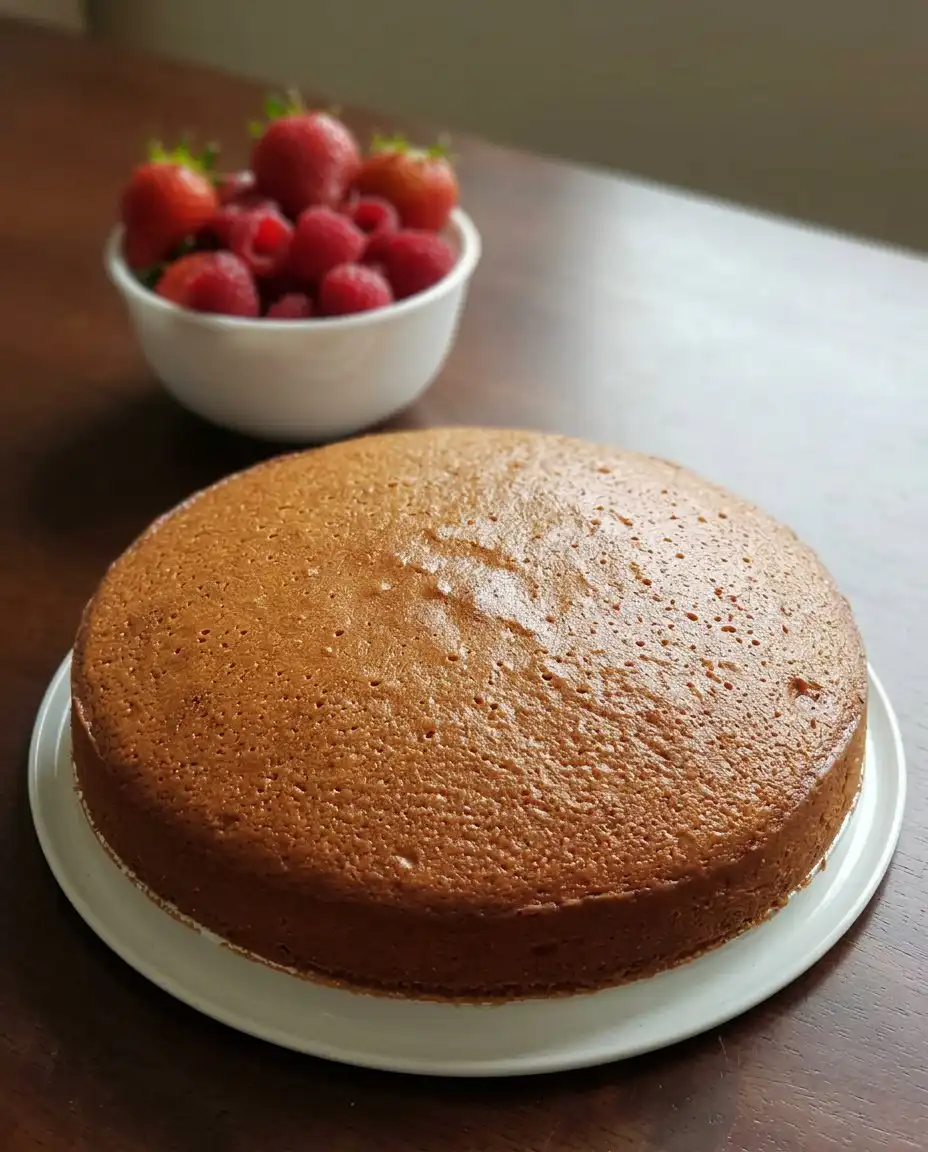
This sponge cake 2 is the embodiment of structural integrity serving the ultimate mouthfeel. Most sponges suffer from being either too dry and brittle or too soft to hold up under the weight of fillings. Our approach balances these two extremes through the precise emulsion of fats and the stable aeration of whole eggs. The result is a cake that possesses a visible, uniform crumb structure that yields immediately upon the first bite.
Technically, this cake is a triumph because it manages the tension between air and moisture. The air bubbles we whip into the eggs are the ‘bones’ of the cake, while the cake flour provides a soft, low-protein framework that prevents the texture from becoming rubbery or tough. You will find that this cake is exceptionally easy to handle, whether you are slicing it into thin layers for a gateau or rolling it for a more complex pastry project. It provides a neutral yet rich flavor profile that acts as the perfect canvas for your most ambitious pastry creations.
Furthermore, the use of vegetable oil instead of butter is a deliberate choice for texture. While butter provides flavor, oil remains liquid at lower temperatures, which means your cake will not feel hard or dry when served straight from the refrigerator. This technical nuance is what separates a standard home bake from a professional pastry shop result. We are creating a dessert that feels luxurious from the first touch to the final melt on the palate.
Print
Sponge Cake 2
- Total Time: 50 mins
- Yield: 12 servings
- Diet: Vegetarian
Description
Experience a masterclass in texture with this technically refined sponge cake 2, designed for a stable yet tender crumb. This recipe utilizes mechanical leavening and precise emulsification to create a light, airy foundation perfect for professional-grade layered cakes.
Ingredients
- 6 large eggs (room temperature)
- 1/2 cup granulated sugar
- 1/2 cup vegetable oil
- 1 tablespoon vanilla extract
- 1 1/2 cups cake flour
- 1 1/2 teaspoons baking powder
- 1/2 teaspoon kosher salt
Instructions
- Preheat your oven to 350°F (175°C) and line the bottoms of two 8-inch round cake pans with parchment paper, leaving the sides ungreased.
- Sift the cake flour, baking powder, and kosher salt together three times to ensure maximum aeration and even distribution.
- In a clean stand mixer bowl, whisk the eggs and sugar on medium-high speed for 8 to 10 minutes until the mixture reaches a thick, pale ribbon stage.
- With the mixer on low speed, slowly stream in the vegetable oil and vanilla extract until just incorporated to avoid deflating the foam.
- Gently fold in the sifted dry ingredients in three separate additions using a silicone spatula and the J-fold technique.
- Divide the batter evenly between the prepared pans and bake for 25 to 30 minutes or until the centers spring back when lightly touched.
- Allow cakes to cool in the pans for 10 minutes before inverting onto a wire rack to cool completely.
Notes
To ensure the best rise, always use room temperature eggs as they provide better elasticity and volume during the whipping process. Avoid over-mixing once the flour is added, as this can develop gluten and lead to a tough, rubbery texture rather than a delicate sponge.
- Prep Time: 20 mins
- Cook Time: 30 mins
- Category: Dessert
- Method: Baking
- Cuisine: British
The Technical Foundation
Success in the pastry arts begins with understanding your raw materials. Each ingredient in this sponge cake 2 has been selected for its specific contribution to the final structural beauty and mouthfeel. We do not just mix; we build.
- Large Eggs (6): These are the engine of our cake. At room temperature, egg proteins are more elastic, allowing them to trap more air during the whipping process. This volume is critical for the light, airy lift we require.
- Granulated Sugar (1/2 cup): Beyond sweetness, sugar stabilizes the egg foam. It bonds with the water in the eggs, creating a syrup that prevents the air bubbles from collapsing too quickly during the folding and baking stages.
- Vegetable Oil (1/2 cup): This fat provides the moisture. Because it does not solidify like butter, it guarantees a soft, moist crumb that lasts for days.
- Vanilla Extract (1 tablespoon): Quality matters here. A high-quality extract provides a floral aromatic that cuts through the richness of the eggs.
- Cake Flour (1 1/2 cups): Precision dictates the use of cake flour over all-purpose. Its lower protein content (typically 7-8%) means less gluten development, which results in a tender, fine-grained crumb rather than a bread-like texture.
- Baking Powder (1 1/2 teaspoon): While the eggs provide most of the lift, the baking powder acts as a safety net, providing a secondary chemical boost to maintain the height as the proteins set.
- Kosher Salt (1/2 teaspoon): This sharpens the flavors and strengthens the protein bonds within the egg foam, contributing to a more resilient structure.
The Method
Step 1: Temperature Calibration and Prep
Begin by bringing all ingredients to room temperature (21°C/70°F). This is non-negotiable for proper emulsification. Preheat your oven to 350°F (175°C). Prepare two 8-inch round cake pans by lining the bottoms with parchment paper, but do not grease the sides. The batter needs to ‘climb’ the walls of the pan to achieve maximum height and structure.
Step 2: Sifting for Aeration
Sift the cake flour, baking powder, and kosher salt together three times. This is not just to remove lumps; it is to aerate the dry ingredients so they incorporate into the wet foam without causing heavy clusters that would deflate your hard-earned air bubbles.
Step 3: Achieving the Ribbon Stage
In a clean, dry bowl of a stand mixer, combine the eggs and sugar. Using the whisk attachment, beat on medium-high speed for 8 to 10 minutes. You are looking for the ribbon stage: when you lift the whisk, the batter should fall in a thick, slow trail that holds its shape on the surface for several seconds before disappearing. This stable foam is the skeletal structure of your sponge.
Step 4: Emulsifying the Fats and Flavors
With the mixer running on low, slowly stream in the vegetable oil and vanilla extract. Do this gently to avoid breaking the delicate air bubbles you have spent the last ten minutes creating. Stop the mixer as soon as the oil is no longer visible.
Step 5: The Precise J-Fold
Add the sifted dry ingredients in three separate additions. Use a large silicone spatula and employ the ‘J-fold’ technique: cut through the center of the bowl, scoop up from the bottom, and turn the batter over. Rotate the bowl a quarter-turn each time. This manual process must be done with confidence and speed to maintain volume while achieving a homogeneous mixture.
Step 6: Baking and Structural Setting
Divide the batter evenly between the prepared pans. Bake for 25 to 30 minutes, or until the center springs back when lightly touched and a skewer comes out clean. Avoid opening the oven door during the first 20 minutes, as the sudden drop in temperature can cause the fragile structure to collapse before the proteins have fully set.
Step 7: Controlled Cooling
Remove from the oven and let the cakes cool in the pans for 10 minutes. This allows the internal steam to redistribute, preventing the crumb from becoming gummy. Invert the cakes onto a wire rack to cool completely. Removing the parchment paper while the cake is slightly warm can help maintain a smooth surface.
Precision Secrets
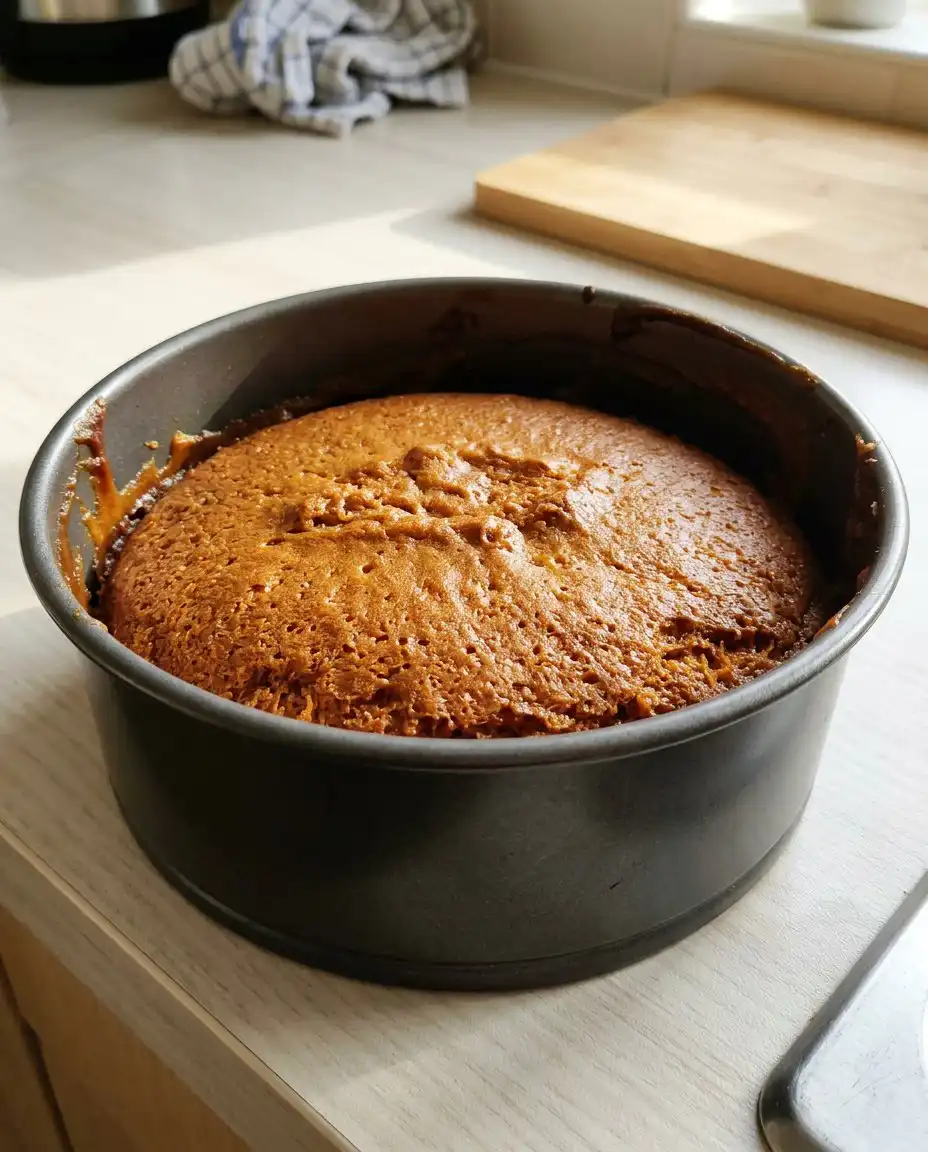
To achieve the most consistent results, always weigh your ingredients using a digital scale. Volume measurements can vary by up to 20%, which is the difference between a successful sponge and a dense failure. Another vital secret is the cleanliness of your equipment; any trace of fat or grease in the mixing bowl will prevent the eggs from reaching their full volume. For those looking to master other classic textures, my guide on the old-fashioned chocolate cake provides excellent contrast in crumb density. If you find your sponge is too dry, it is often a sign of over-baking. Check the internal temperature with a probe thermometer; it should reach exactly 205°F (96°C) for the perfect balance of moisture and set structure. You can find more technical insights on this light airy sponge cake for additional perspectives on foam stability.
Technical Tweaks
Once you have mastered the base sponge cake 2, you can adapt the formulation for different flavor profiles without compromising the structure. For a citrus version, add the zest of two lemons to the sugar before whipping the eggs; the oils in the zest will permeate the crumb beautifully. If you are preparing a dessert for a celebration, consider transforming this recipe into a fruit cake base by soaking the baked layers in a simple syrup infused with elderflower or berry liqueur. To create a chocolate version, replace 1/4 cup of the cake flour with high-quality Dutch-processed cocoa powder. Note that cocoa powder is acidic and can affect the rise, so you may need to increase the baking powder by an extra 1/4 teaspoon to maintain the structural height.
Presentation Precision
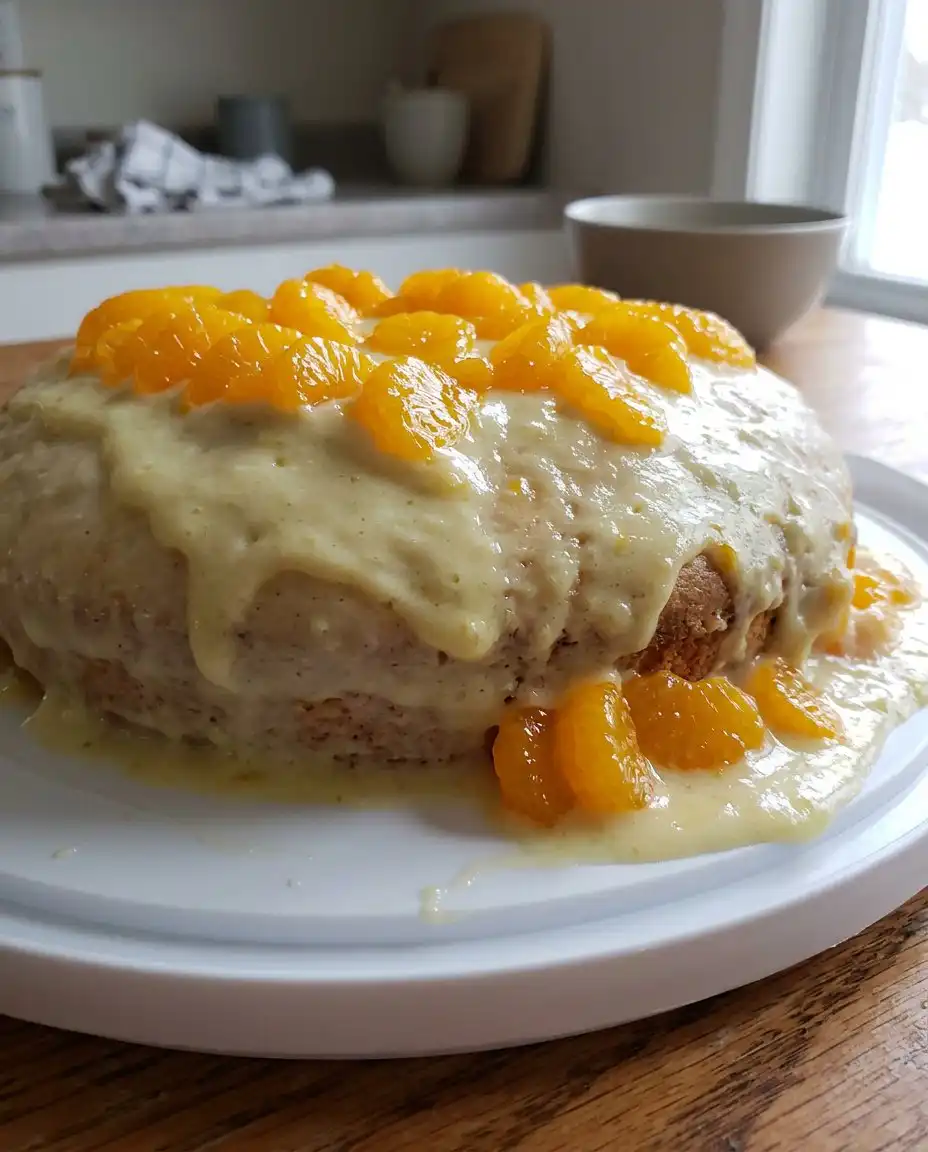
To showcase the beautiful crumb of this sponge cake 2, use a long, thin serrated knife for slicing. Use a gentle sawing motion rather than pressing down, which could compress the delicate air pockets. This cake is spectacular when paired with a light Chantilly cream and fresh macerated berries, as the acidity of the fruit balances the sweetness of the sponge. For more inspiration on how to categorize and present your bakes, examine our recipe index. If you are creating a multi-tiered cake, a thin layer of apricot glaze applied to the surface before frosting will trap any loose crumbs and provide a smooth finish for your decorative work.
Master the Craft
Mastering the sponge cake 2 is a significant milestone in any baker’s journey. It proves that you have the patience and the technical discipline to manage the delicate physics of egg foams and flour proteins. As you continue to refine your skills, I invite you to examine our velvet crumb collection for more recipes that celebrate textural perfection. Sharing your technical triumphs is part of the joy of baking. Connect with our community on Instagram, Facebook, and Pinterest to show us your beautiful creations and ask any further technical questions you may have.