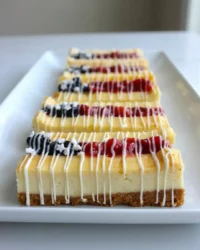
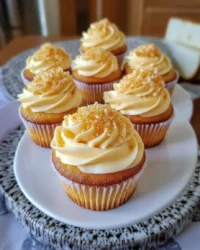
In my childhood home by the sea, colors were never just visual; they were a language of celebration and seasonal joy. I remember the vibrant stalls of the local spice markets where every hue told a story of flavor and tradition. This Lemon Rainbow Cake 3 captures that Mediterranean spirit, turning a simple gathering into a spectacular festival of light and citrus aroma.

This creation is more than just a beautiful centerpiece; it is a study in perfect moisture and tender crumb. By balancing the richness of creamed butter with the bright acidity of lemon and buttermilk, we achieve a texture that practically dissolves on the tongue. It is a dessert designed for those who appreciate the patience of layering and the reward of a perfectly soaked, zesty finish.
The Texture Magic of Lemon Rainbow Cake 3
There is a specific kind of magic that happens when you slice into a cake and reveal a hidden spectrum of color. But for me, the true wonder lies in the mouthfeel. This cake offers a dense yet remarkably soft crumb that feels like velvet. It is the kind of dessert where the fork should glide through like butter, meeting no resistance until it hits the plate.
The combination of fats—both butter and oil—is the secret to its longevity and suppleness. While butter provides that classic, nostalgic flavor we crave, the oil keeps the crumb moist even days after baking. When the tart lemon glaze seeps into the warm surface, it creates a subtle, sugary crust that contrasts beautifully with the tender interior. It is sweet without being cloying, and vibrant without being overwhelming.
Print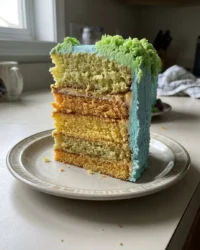
Lemon Rainbow Cake 3
- Total Time: 1 hour 45 mins
- Yield: 12 servings
- Diet: Vegetarian
Description
This vibrant Lemon Rainbow Cake 3 features a stunning spectrum of colors tucked inside a moist, citrus-infused Bundt. With a velvety crumb made from a blend of butter and buttermilk, it’s finished with a tart lemon glaze that ensures every bite is bright and refreshing.
Ingredients
- 3 cups all-purpose flour
- 2 teaspoons baking powder
- 1/2 teaspoon baking soda
- 1/2 teaspoon salt
- 2 cups granulated sugar
- 1 cup unsalted butter, room temperature
- 1/4 cup vegetable oil
- 4 large eggs, room temperature
- 1 tablespoon vanilla extract
- 1 cup buttermilk, room temperature
- Gel food coloring (red, orange, yellow, green, blue, and purple)
- 2 cups confectioners’ sugar
- 2 tablespoons lemon zest
- 3–4 tablespoons fresh lemon juice
Instructions
- Preheat your oven to 350℉ (175℃) and generously coat a 12-cup Bundt pan with non-stick baking spray.
- In a medium bowl, whisk together the all-purpose flour, baking powder, salt, and baking soda until well combined.
- In a stand mixer, beat the granulated sugar, room-temperature butter, and oil at medium speed for 4 minutes until the mixture is pale and fluffy.
- Add the eggs one at a time, allowing each to be absorbed, then pour in the vanilla extract and beat for another minute.
- With the mixer on low, add the flour mixture and buttermilk in alternating batches, beginning and ending with the flour mixture.
- Divide the batter into six equal bowls and stir in the gel colors until you have vibrant red, orange, yellow, green, blue, and purple batters.
- Spoon the batters into the pan in layers starting with red, followed by orange, yellow, green, blue, and purple, being careful not to swirl them.
- Bake for 50-65 minutes until the cake pulls away from the edges; let it rest in the pan for 10 minutes before inverting onto a wire rack.
- Whisk the confectioners’ sugar with lemon zest and juice, then pour the glaze over the cake while it is still slightly warm.
Notes
For the most vibrant and distinct layers, use highly concentrated gel food colors rather than liquid drops, as they provide intense pigment without thinning the batter. If your lemon glaze is too thick to pour, simply add extra lemon juice one teaspoon at a time until it reaches a consistency that drapes smoothly over the cake’s design.
- Prep Time: 40 mins
- Cook Time: 65 mins
- Category: Dessert
- Method: Baking
- Cuisine: Mediterranean-inspired
The Mediterranean Pantry Foundation
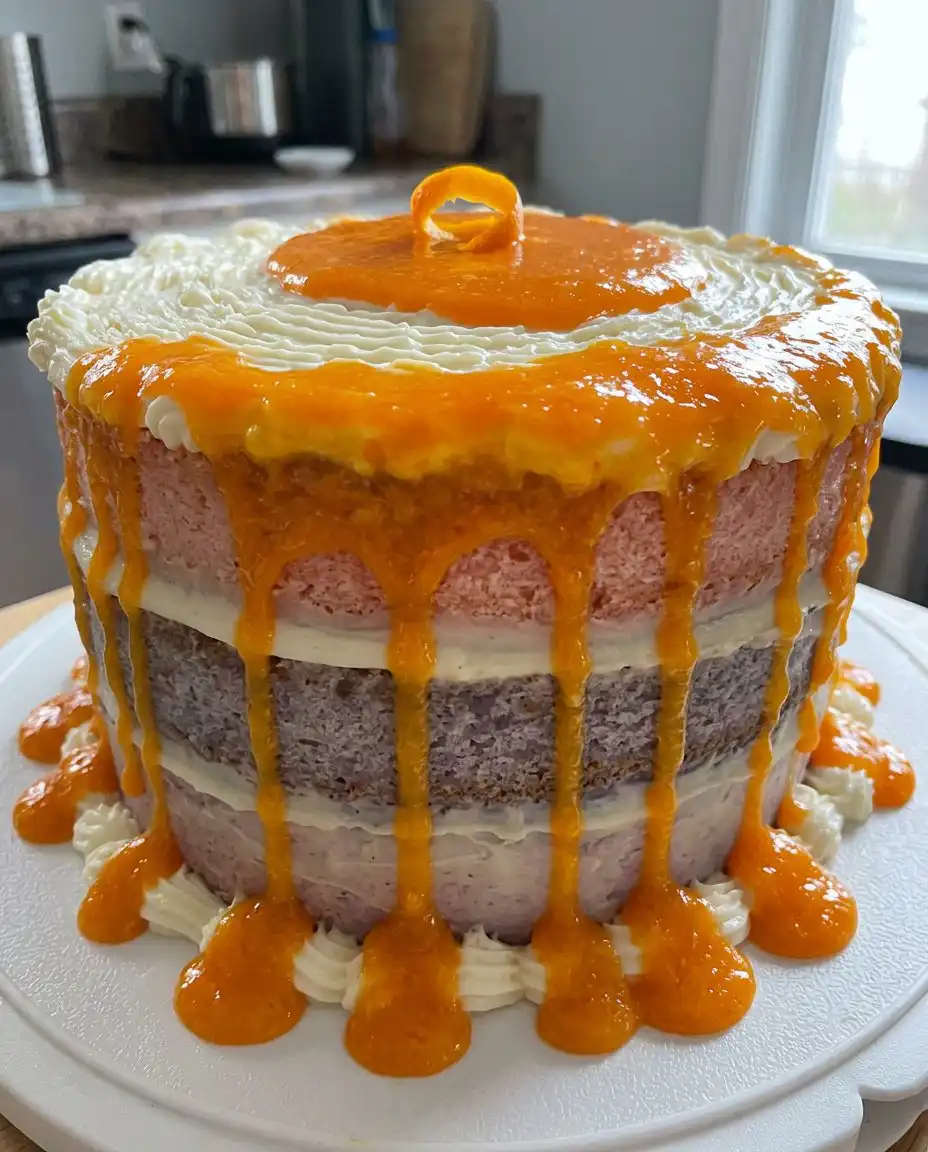
To achieve this level of softness, every ingredient must be selected with care. We start with a base of all-purpose flour, but it is the buttermilk that truly does the heavy lifting, tenderizing the gluten for that signature melt-in-your-mouth feel.
- Unsalted Butter: Always use room temperature butter to allow for proper aeration during the creaming process. This creates the tiny air pockets that lead to a light, airy sponge.
- Buttermilk: This is our secret weapon for a tangy, moist crumb that stays fresh. It works with the baking soda to create a beautiful rise.
- Lemon Zest and Juice: The soul of the cake. Use fresh lemons for the most vibrant, aromatic experience. The oils in the zest provide a deep citrus perfume that bottled juice simply cannot match.
- Gel Food Coloring: For those striking, bold layers, gel colors are superior to liquid. They provide intense pigment without altering the delicate moisture balance of the batter.
- Granulated Sugar: Beyond sweetness, sugar helps retain moisture and contributes to the golden, tender exterior of the bundt.
The Method of the Perfect Soak
Step 1: Prepare the Foundation
Preheat your oven to 350℉ (175℃). The oven must be fully stable before the cake enters. Generously coat a 12-cup Bundt pan with non-stick baking spray, making sure to hit every curve and crevice of the design.
Step 2: Whisk the Dry Elements
In a medium bowl, whisk together the all-purpose flour, baking powder, salt, and baking soda. This step isn’t just about mixing; it’s about aerating the flour and removing any lumps to maintain a consistent texture throughout the rainbow layers.
Step 3: Cream for Lightness
In your stand mixer, beat the sugar, room-temperature butter, and oil at medium speed for a full 4 minutes. You are looking for a transformation—the mixture should become pale, light, and incredibly fluffy. This step builds the structural integrity of your cake.
Step 4: Incorporate the Eggs and Vanilla
Add the eggs one at a time, allowing each to be fully absorbed before adding the next. Pour in the vanilla extract and beat at medium-high speed for another minute. This builds a strong emulsion that holds the layers together.
Step 5: The Alternating Mix
With the mixer on low, add the flour mixture and buttermilk in alternating batches. Start and end with the flour. This prevents the batter from breaking and ensures the gluten doesn’t overwork, keeping the cake tender.
Step 6: Create the Spectrum
Divide the batter into six small bowls. I find using a scale for this part ensures each layer is perfectly even. Add your gel colors—red, orange, yellow, green, blue, and purple—and stir gently until the color is deep and consistent.
Step 7: Layer with Care
Spoon the red batter into the bottom of the pan, spreading it smooth. Carefully layer the orange, then yellow, green, blue, and finally purple on top. Do not swirl them; let them rest naturally on one another for distinct bands of color.
Step 8: The Golden Bake
Bake for 50-65 minutes. Watch for the moment the cake pulls slightly away from the edges and a tester comes out clean. Let it rest in the pan for exactly 10 minutes—this allows the structure to set before you invert it onto a wire rack.
Step 9: The Zesty Glaze
Whisk the confectioners’ sugar with lemon zest and juice. Pour this glossy, tart mixture over the cake while it is still slightly warm so it can soak into the surface, creating that unforgettable citrus finish.
Mediterranean Texture Mastery
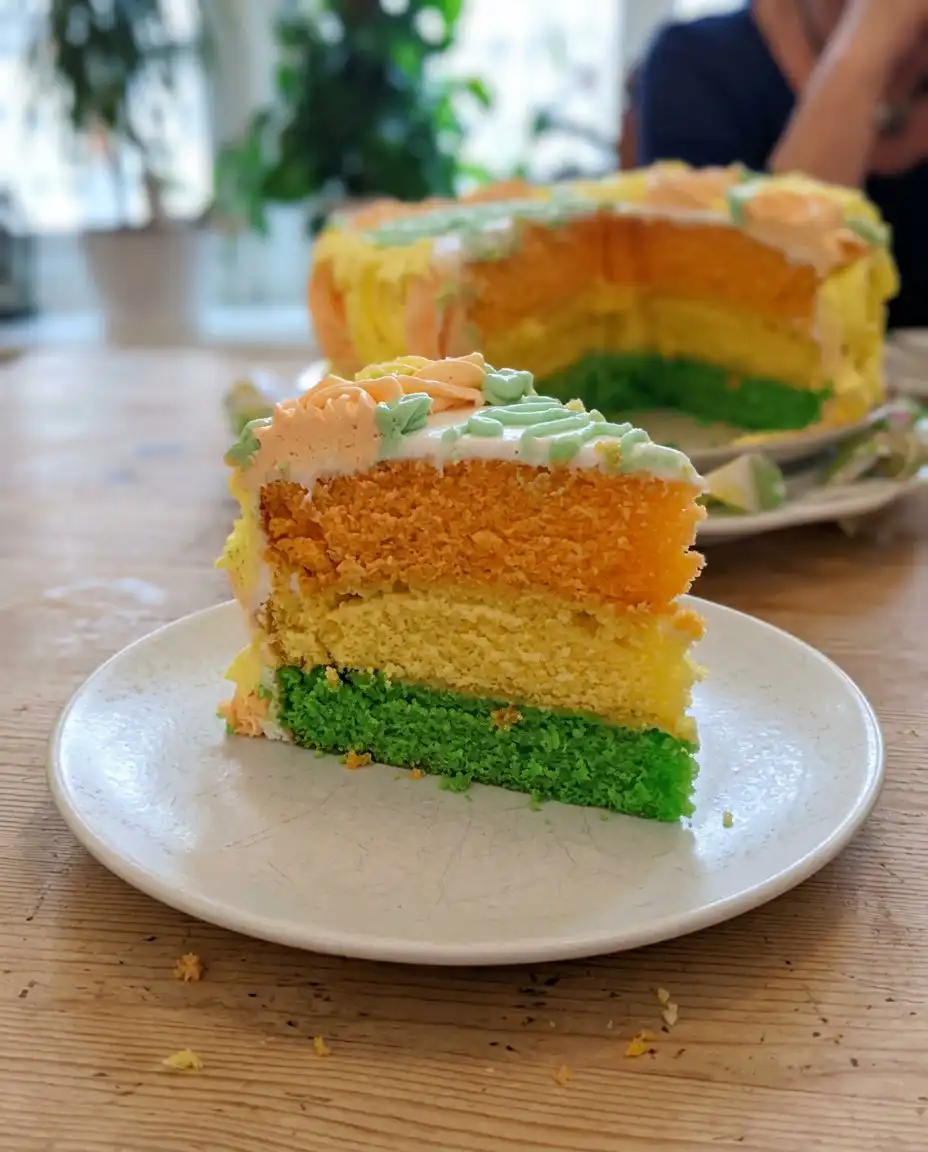
Patience is your greatest ally in the kitchen. When working with a citrus-forward recipe, the temperature of your ingredients is vital. Room temperature eggs and buttermilk will integrate into the butter much more smoothly, preventing the batter from curdling. If your batter curdles, the final texture will be uneven rather than velvety. For those who love the interplay of fruit and sponge, you might find inspiration in our guide to the classic fruit cake.
When applying the glaze, do it in stages. Pour a third of the glaze, let it sit for five minutes to soak into the pores of the cake, then pour the rest. This creates a layered flavor profile where the lemon permeates the crumb while still leaving a beautiful, opaque finish on the exterior. Always use a kitchen scale to divide your batter; even a slight difference in volume can cause the layers to bake at different rates, affecting the moisture level of the individual colors.
Regional Flavor Twists
While the lemon and vanilla combination is a classic, you can easily shift the flavor profile to reflect different Mediterranean traditions. In some regions, a splash of rose water or orange blossom water is added to the glaze to provide a floral top note that dances with the citrus. If you are looking for a different profile, consider how the techniques in our raspberry white chocolate cake could be adapted here, perhaps by adding white chocolate shavings to the batter for extra richness.
You can also experiment with the citrus. Blood orange provides a stunning, deep flavor and a naturally pinker glaze, while lime offers a sharper, more tropical edge. For a nuttier texture, replace half a cup of the flour with finely ground almond meal. This creates a slightly denser, more rustic crumb that is highly prized in seaside villas across the coast.
Mediterranean Traditions at the Table
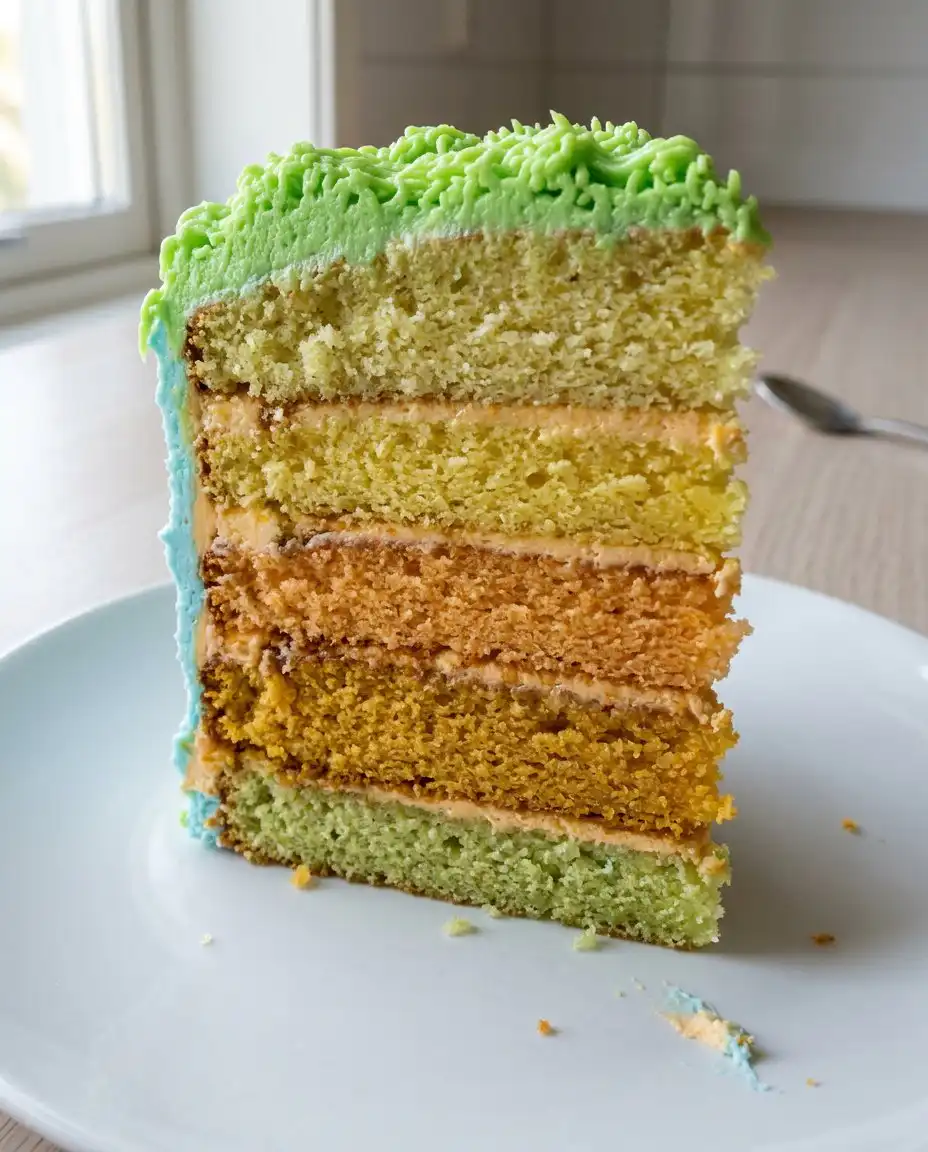
In the Mediterranean, we believe that how you serve a dessert is just as important as how you bake it. This Lemon Rainbow Cake 3 is best enjoyed in the late afternoon, accompanied by a small cup of strong, unsweetened coffee. The bitterness of the coffee provides a beautiful counterpoint to the sugary glaze and the bright lemon notes. If you want to lean into the fruit-forward nature of the dessert, try pairing it with a side of succulent fruit fusion to add even more vibrancy to the plate.
For a more formal presentation, serve each slice with a dollop of lightly whipped cream or a spoonful of thick Greek yogurt. A sprinkle of crushed pistachios or a few dried rose petals on top of the glaze can also add a touch of elegance and a subtle crunch that complements the soft crumb.
The Sweet Truth
There is a profound satisfaction in creating something that is as beautiful to look at as it is to eat. This Lemon Rainbow Cake 3 is a testament to the joy of patient baking and the rewards of citrus and syrup. I hope this recipe finds a permanent place in your kitchen, bringing a burst of color and a melt-in-your-mouth experience to your next gathering. For more citrus-inspired baking, don’t miss our original lemon rainbow cake for further ideas. Stay connected with us for more sensory baking adventures through our social channels: Pinterest, Instagram, and Facebook.