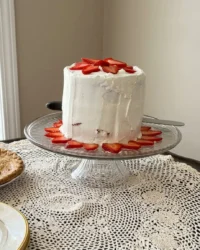
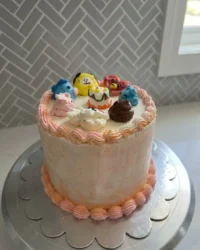
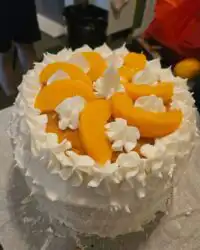
In my childhood home, celebrations were never about just the sweetness; they were about the gathering of souls under the warm Mediterranean sun. This Baptism Cake reminds me of the pure, white linens spread across long tables as the golden light dipped below the horizon in our village. It is a dessert that carries the weight of tradition while remaining as light as a whisper.

The secret to this specific cake lies in the balance between the richness of the butter and the ethereal lift of whipped egg whites. It is a crumb that feels like a soft cloud on the tongue, followed by the luxurious weight of a perfectly whipped buttercream. Every bite is a testament to the patience required to fold air into flour, creating a texture that truly melts away.
The Grace of a Cloud
You will love this cake because it defies the heavy density of modern bakes, offering a texture that is remarkably tender and airy. This Baptism Cake is more than just a centerpiece; it is a sensory experience that focuses on the purity of vanilla and the delicate architecture of a well-leavened sponge. The mouthfeel is soft and giving, much like the traditional sweets we share during the most sacred moments of our lives.
Beyond the flavor, there is a visual elegance to this cake that captures the spirit of new beginnings. The stark white interior, achieved by using only egg whites, creates a pristine look that is both sophisticated and inviting. It is sweet without being heavy, making it the perfect companion for a long afternoon of storytelling and laughter. This is the kind of cake that people remember not for its height, but for the way it felt as it dissolved on their palate.
Finally, the versatility of this recipe is a gift to any home baker. Whether you choose to keep it simple with a dusting of sugar or drape it in the silky, airy buttercream provided, the foundation remains steadfast. It holds its shape beautifully while maintaining a moisture level that is often lost in lighter cakes. It is a reliable, timeless classic that honors the tradition of patient baking.
Print
Baptism Cake
- Total Time: 1 hour 5 mins
- Yield: 12 servings
- Diet: Vegetarian
Description
This elegant Baptism Cake features a signature airy sponge achieved through whipped egg whites and a delicate balance of butter and oil. Topped with a cloud-like whipped buttercream, it provides a sophisticated, melt-in-your-mouth experience perfect for sacred celebrations.
Ingredients
- 600 g (3 cups) granulated sugar
- 528 g all-purpose flour
- 9 large egg whites
- 1 1/2 cups whole milk
- Unsalted butter (for cake)
- Vegetable oil
- Baking powder
- Salt
- Pure vanilla extract
- Salted butter (for buttercream)
- Powdered sugar
Instructions
- Preheat oven to 350°F (175°C) and grease and flour your cake pans.
- In a medium bowl, whisk together the flour, baking powder, and salt.
- In a stand mixer, beat the softened unsalted butter until creamy, then add the sugar and vegetable oil and beat until fluffy before adding vanilla.
- With the mixer on medium speed, add the dry ingredients and the milk in alternating turns, starting and ending with the flour.
- In a separate clean bowl, beat the 9 egg whites until they form stiff peaks.
- Gently fold one-third of the egg whites into the batter at a time using a light, circular motion until just combined.
- Divide the batter into the pans and bake for 35-40 minutes until a toothpick comes out clean.
- Allow cakes to rest in pans for 20 minutes before transferring to a cooling rack.
- For the buttercream, beat salted butter until fluffy, then add powdered sugar, vanilla, and milk, whipping for five minutes on medium-high.
- Layer the cooled cakes with buttercream and apply a crumb coat before finishing with decorative piping.
Notes
To ensure an even bake, rotate your pans halfway through the cooking time. If you find the cake browning too quickly, loosely tent the top with aluminum foil to protect the delicate vanilla sponge while the center finishes setting.
- Prep Time: 25 mins
- Cook Time: 40 mins
- Category: Dessert
- Method: Baking
- Cuisine: Mediterranean
The Mediterranean Pantry
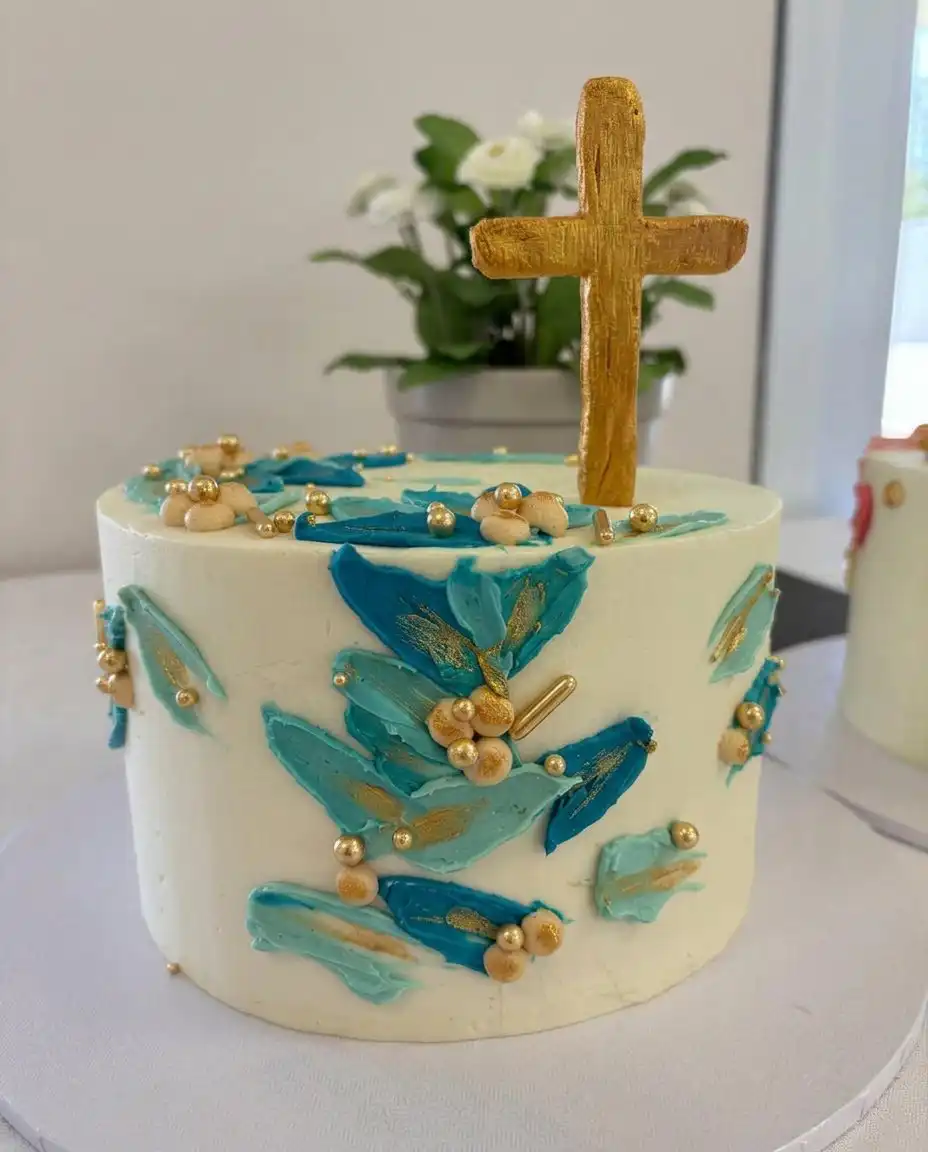
To achieve the perfect melt-in-your-mouth texture, the quality of your foundation is paramount. We start with unsalted butter and vegetable oil; the butter provides that nostalgic, rich flavor we crave, while the oil keeps the crumb moist even after it has cooled. This combination is a secret I learned early on—butter for the soul, oil for the texture.
- Granulated Sugar (600 g / 3 cups): This provides the necessary sweetness and helps stabilize the structure of the cake.
- All-Purpose Flour (528 g): A sturdy base that, when mixed correctly, provides a tender yet reliable crumb.
- Egg Whites (9 large): These are the lifeblood of the cake’s lift. By whipping them into stiff peaks, we incorporate millions of tiny air bubbles that expand in the heat of the oven.
- Whole Milk (1 1/2 cups): Adds a creamy richness to the batter, helping to hydrate the flour for a soft finish.
- Pure Vanilla Extract: Never settle for imitation. The floral, warm notes of real vanilla are essential for a cake this pure.
- Baking Powder and Salt: The hidden workers that provide the rise and balance the sweetness.
For the buttercream, we use salted butter to cut through the sugar, creating a balanced profile. The addition of whole milk and a long whip time creates a frosting that is more like a whipped mousse than a heavy sugar paste. This airy finish is what defines a true Melt Cake creation.
The Soaking Process of Preparation
Step 1: Prep Your Ingredients
Before you begin, make sure your oven is preheated to 350°F (175°C). The temperature must be precise to allow the cake to rise evenly. Grease your cake pans thoroughly and give them a light dusting of flour. In a medium bowl, whisk together the flour, baking powder, and salt. This aeration of the dry ingredients is the first step in creating that signature light crumb.
Step 2: Cream the Foundation
In your stand mixer, beat the softened butter for about two minutes until it looks pale and creamy. Add the sugar and vegetable oil, continuing to beat until the mixture is light and fluffy. This step is about building the initial structure; don’t rush it. Once it looks like soft silk, mix in the vanilla extract.
Step 3: The Alternating Rhythm
With the mixer on medium speed, add the dry ingredients and the milk in alternating turns. Start with the flour and end with the flour. This technique prevents the batter from breaking and keeps the gluten from developing too much, which would make the cake tough. Scrape the bowl to catch every bit of goodness.
Step 4: The Peak of Perfection
In a separate, perfectly clean bowl, beat the nine egg whites. Watch as they transform from clear liquid to a white, snowy foam. Continue until stiff peaks form—when you lift the whisk, the point should stand straight up without drooping. This is the air that will make your cake soar.
Step 5: The Gentle Fold
This is the most critical moment. Add one-third of the egg whites to your batter and fold them in with a spatula using a light, circular motion. Repeat with the remaining whites in two more batches. You must be patient and gentle; if you stir too hard, you will pop the bubbles you worked so hard to create. The batter should look voluminous and light.
Step 6: The Golden Bake
Divide the batter between your pans and slide them into the oven. Bake for 35-40 minutes. You will know it is ready when the center is springy to the touch and a toothpick comes out clean. Let the cakes rest in the pans for 20 minutes; this allows the structure to set before you move them to a cooling rack.
Step 7: Craft the Buttercream
While the cakes cool completely, beat the salted butter for two minutes until fluffy. Gradually add the powdered sugar, then the vanilla and milk. Increase the speed to medium-high and whip for a full five minutes. This long whip time incorporates air, turning the frosting into a light, cloud-like topping.
Step 8: Assembly and Decoration
Place your first layer on the plate and spread a generous layer of buttercream. Top with the second layer and apply a thin crumb coat. This seals in the moisture and creates a smooth surface. Finish with your piping of choice—I love using a star tip to create a textured, floral look that hides any imperfections.
Texture Mastery
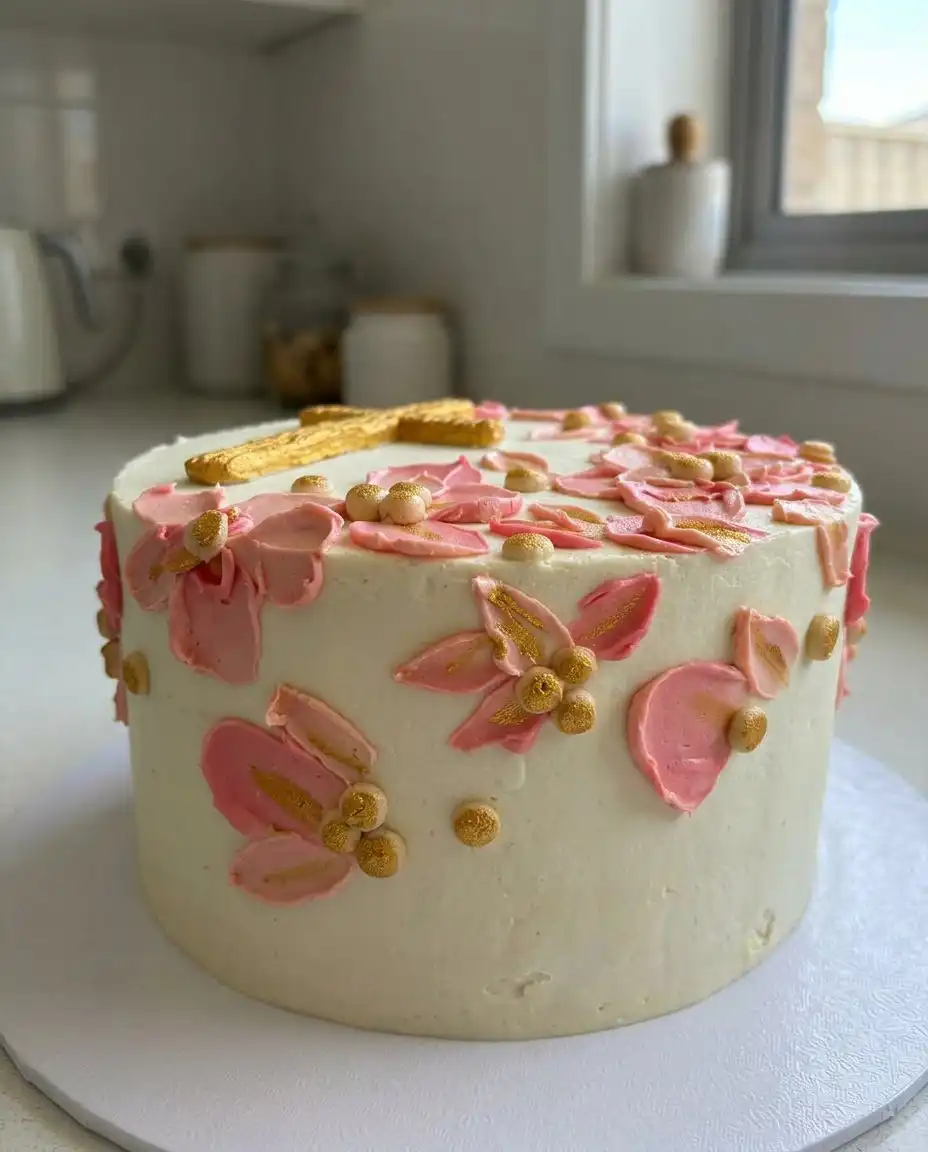
One of the most important secrets to a successful Baptism Cake is the temperature of your ingredients. Your egg whites will reach a much higher volume if they are at room temperature when you begin whipping them. Cold whites are stubborn and won’t trap as much air. Also, make sure your mixing bowl is completely free of any grease or yolk, as even a drop of fat can prevent the whites from stiffening. For more insights on achieving the perfect cake structure, take a look at our velvet crumb collection.
When folding the egg whites, imagine you are tucking a blanket around a sleeping child. Use a large rubber spatula and cut through the center, then sweep across the bottom and over the top. This technique preserves the aeration. If you notice your cake is too dense, it is likely that the folding was too aggressive. Remember, patience is the secret ingredient in Mediterranean baking; the more careful you are with the air, the more the cake will melt in the mouth.
Regional Variations and Twists
While the classic vanilla is traditional, you can easily adapt this recipe to suit different tastes. In some Mediterranean regions, a splash of rose water or orange blossom water is added to the batter to give it a floral soul that pairs beautifully with the vanilla. You might also consider filling the layers with a bright fruit preserve. For a vibrant alternative, you can see how we incorporate fruit in our raspberry white chocolate cake recipe.
If you prefer a citrus-forward profile, adding the zest of two lemons to the sugar before creaming will create a bright, uplifting aroma that permeates the entire house as it bakes. Some families also like to soak the sponge lightly with a simple honey syrup after baking, much like a traditional Revani, though this will change the texture from airy to succulent and moist. Both versions are deeply rooted in our celebration culture.
Mediterranean Traditions at the Table
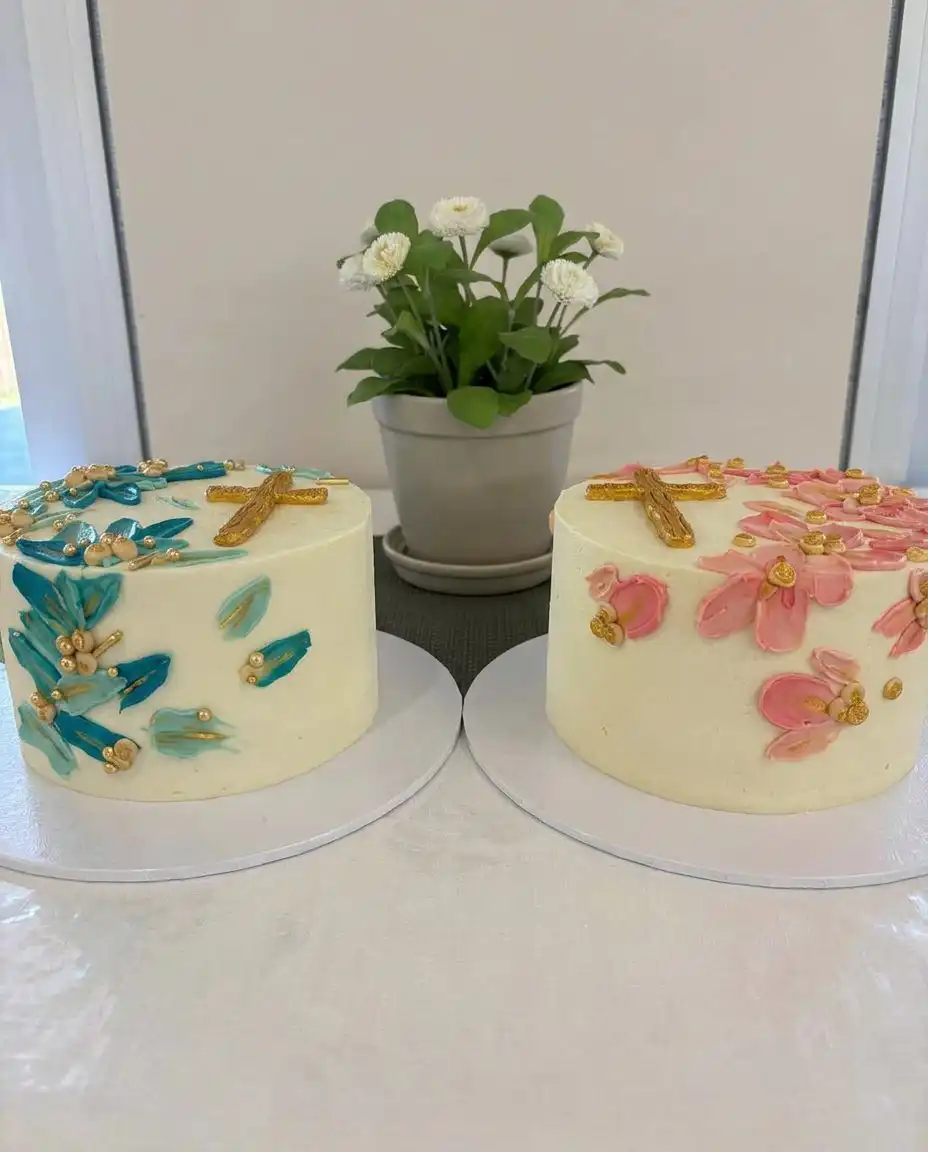
In our tradition, a cake like this is best served with a side of strong Turkish coffee or a fragrant herbal tea. The bitterness of the coffee provides a beautiful contrast to the sweet, airy buttercream. For a truly spectacular presentation, garnish the platter with fresh white flowers or a few sprigs of mint. If you are looking for more colorful inspiration for your dessert table, our lemon rainbow cake offers a wonderful visual guide.
Serve the cake at room temperature to ensure the butter in the sponge and the frosting is at its most supple. A cold cake can feel firm and lose that melt-away quality we strive for. Cut the slices with a long, thin knife dipped in hot water for the cleanest edges. This preserves the beautiful internal structure and makes every plate look like a work of art.
The Sweet Truth
Baking this Baptism Cake is a labor of love that rewards you with a texture unlike any other. It is a reminder that when we take the time to treat our ingredients with respect—whipping the air, folding with care, and waiting for the perfect soak of the buttercream—we create something that is truly timeless. If you enjoy desserts with deep seasonal roots, you might also find joy in our fruit cake. For more inspiration on traditional designs, you can look at these christening cakes from the Quality Cake Company. We would love to see your creations! Share your baking journey with us on Pinterest, Instagram, or Facebook. Keep baking with soul, and may your kitchen always be filled with the scent of vanilla and warmth.