During my early years in a demanding British pastry kitchen, we often viewed pre-packaged mixes with a certain level of skepticism, believing that true structural integrity only came from scratch-made ratios. However, a technical examination reveals that these mixes are actually marvels of food science, utilizing specific starch treatments to create a unique, tender crumb. Mastering the transition from a cake’s vertical rise to a cookie’s lateral spread requires a methodical approach to fat and hydration.

These cookies achieve a specific melt-in-the-mouth texture that is distinct from traditional shortbread or chewy chocolate chip varieties. By adjusting the lipid content and managing the egg proteins, we can produce a stable, uniform treat that maintains its soft-set center for days. The following method focuses on the physics of the bake, providing a reliable result every time.
The Science of the Perfect Soft-Set Crumb
The primary reason this recipe succeeds is the precise balance of leavening agents already present in the cake mix, which are designed for maximum lift but repurposed here for a controlled spread. Unlike traditional doughs that rely heavily on flour-water gluten development, this approach minimizes mechanical agitation to keep the crumb tender. You will appreciate the consistency that comes from a pre-calculated dry-to-wet ratio.
Technically, the addition of vegetable oil provides a 100% lipid coating for the flour particles, which inhibits gluten formation more effectively than butter, which contains roughly 15-20% water. This results in a cookie that is remarkably soft and does not become tough even after cooling completely. It is a victory of texture over traditional complexity, proving that structural beauty can be achieved through simplified means.
Finally, the versatility of the base allows for a wide range of flavor profiles without requiring a recalibration of the core recipe. Whether you are using a lemon base or a rich devil’s food mix, the fundamental mechanics of the bake remain identical. This reliability is the hallmark of a professional-grade shortcut that yields spectacular results with minimal variables.
Print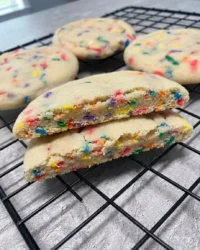
Cake Mix Cookies
- Total Time: 22 mins
- Yield: 24 cookies
- Diet: Vegetarian
Description
These incredibly soft cookies utilize the science of cake mix to create a tender, uniform crumb with minimal effort. Perfect for any occasion, they offer a reliable and versatile base that can be customized with your favorite mix-ins.
Ingredients
- 1 box (15.25-ounce) cake mix
- 1/2 cup vegetable oil
- 2 large eggs, room temperature
- 1/2 to 1 cup mix-ins (such as chocolate chips or sprinkles)
Instructions
- Preheat your oven to 350°F (177°C) and line two heavy-duty baking sheets with parchment paper.
- In a large mixing bowl, combine the cake mix, vegetable oil, and eggs with a spatula until no dry streaks of flour remain.
- Gently fold in your chosen mix-ins until they are evenly distributed throughout the dough.
- Scoop 2-tablespoon portions of dough onto the prepared sheets, spacing them at least 2 inches apart to allow for spread.
- Bake for 10 to 12 minutes until the edges are set and centers appear dry; let rest on the pan for 5 minutes before transferring to a wire rack.
Notes
To ensure a consistent and professional result, make sure your eggs are at room temperature so they emulsify properly with the oil. If the dough seems too soft to handle, chilling it for 30 minutes before scooping will help control the spread during baking and result in a thicker cookie.
- Prep Time: 10 mins
- Cook Time: 12 mins
- Category: Dessert
- Method: Baking
- Cuisine: American
The Foundation of Structural Success
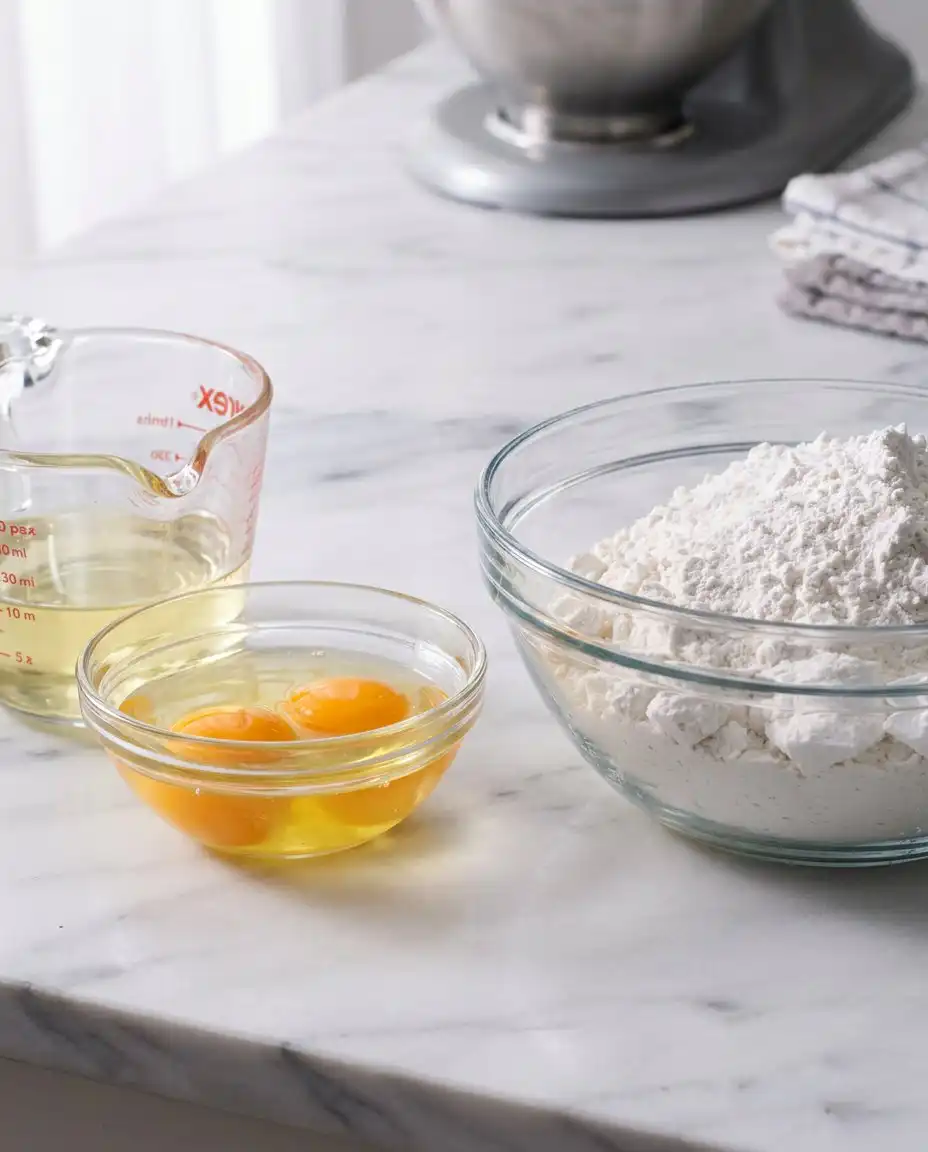
Success in this recipe depends on the interaction between the processed starches in the mix and the specific proteins in the eggs. Every component serves a technical purpose in maintaining the final shape.
- Cake Mix (15.25-ounce/432g): This provides the structural framework, including the finely milled flour and the pre-measured leavening agents. The modified corn starches found in most modern mixes contribute to the signature ‘melt’ texture.
- Vegetable Oil (1/2 cup): This acts as the primary tenderizer. It provides the necessary fat for a rich mouthfeel while preventing the cookies from drying out during the bake.
- Large Eggs (2): These are your primary binders and emulsifiers. The lecithin in the yolks helps the oil and the dry ingredients form a cohesive dough, while the white proteins provide the structure to hold the cookie together.
- Mix-ins (1/2 to 1 cup): These are optional but provide necessary textural contrast. Whether choosing chocolate chips for a firm snap or sprinkles for a slight crunch, these additions should be folded in gently to avoid over-working the base.
Temperature management is also vital. Starting with room temperature eggs guarantees that the emulsion forms quickly and evenly. Cold eggs can cause the oil to clump or separate, leading to an uneven bake and a less-than-perfect interior.
The Methodical Approach to Texture
Step 1: Pre-Bake Calibration
Begin by preheating your oven to 350°F (177°C). This temperature is the ideal thermal window for initiating the Maillard reaction on the surface while allowing the center to set without over-drying. Line two heavy-duty baking sheets with parchment paper to provide a non-stick surface that facilitates even heat distribution.
Step 2: The Emulsification Process
In a large mixing bowl, combine the cake mix, vegetable oil, and the two room-temperature eggs. Use a sturdy spatula to stir the mixture. The goal is to incorporate the dry particles into the wet lipids until no streaks of flour remain. Avoid high-speed mechanical mixing, as this can introduce too much air, which may cause the cookies to deflate or become cakey rather than chewy.
Step 3: Incorporating Textural Elements
Once the dough is cohesive and thick, gently fold in your chosen mix-ins. If you are aiming for a classic chocolate chip profile, distribute them evenly throughout the mass. The dough should feel heavy and slightly oily to the touch, which is a sign of a well-lubricated starch network ready for the oven.
Step 4: Geometric Uniformity
Scoop the dough into 2-tablespoon-sized spheres. For professional results, use a spring-loaded cookie scoop to guarantee every cookie has the same volume. Place them on the prepared sheets at least 2 inches apart. This spacing is critical to allow for proper airflow and to prevent the cookies from merging as they undergo lateral expansion.
Step 5: Thermal Execution and Cooling
Bake each sheet for 10 to 12 minutes. The visual cue for completion is when the centers appear dry and the edges are just set, though they should not be browned significantly. Allow the cookies to rest on the baking sheet for 5 minutes; this carry-over cooking is essential for the structure to stabilize. Transfer to a wire cooling rack to prevent bottom-side condensation.
Precision Secrets for a Superior Bake
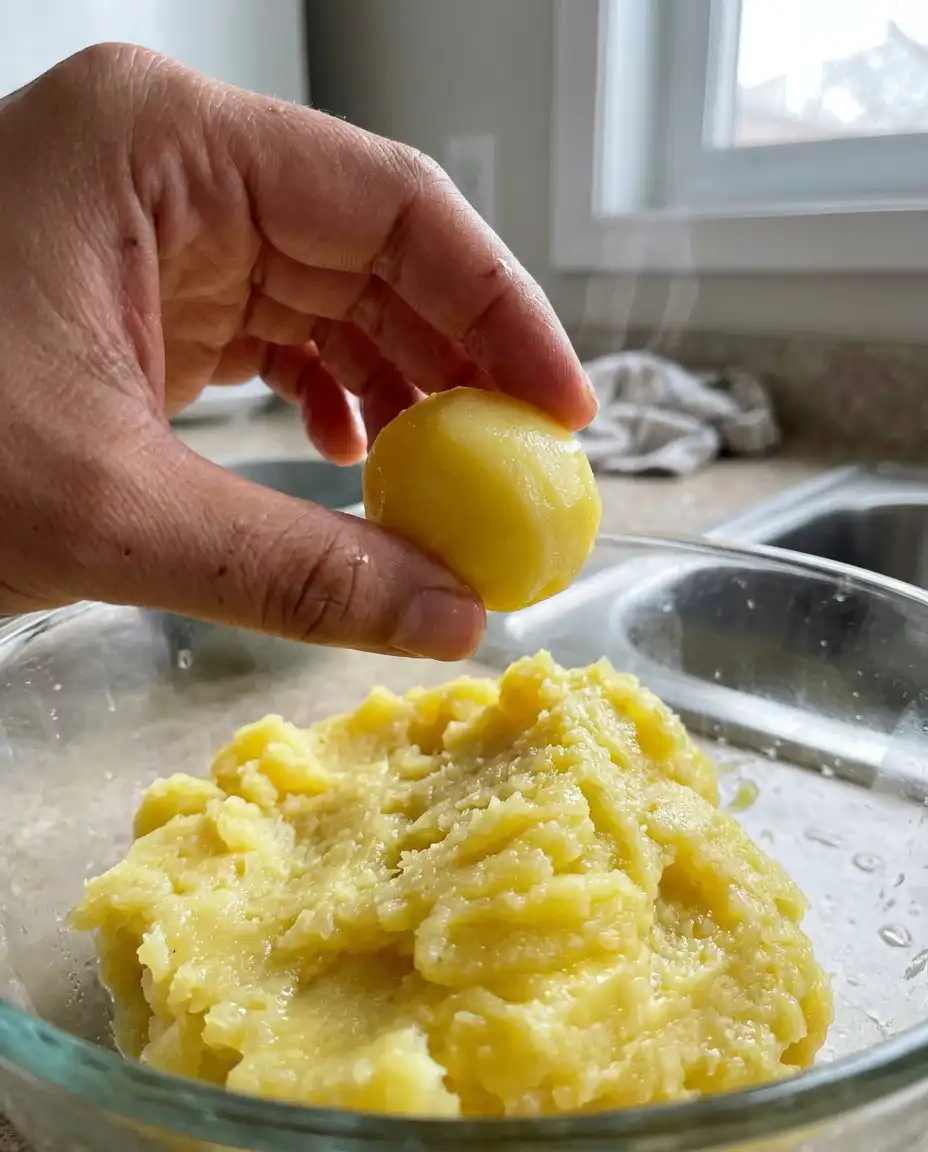
One of the most effective techniques for achieving bakery-level geometry is the ‘swirl’ method. While the cookies are still warm and soft on the tray, place a large circular biscuit cutter over each one and move it in a rapid circular motion. This rounds off any uneven edges and compacts the cookie slightly, resulting in a thicker, perfectly round shape. It is a simple mechanical adjustment that yields a beautiful aesthetic.
If you find your dough is too soft to handle, chill it for 30 minutes before scooping. Cold dough slows down the initial spread in the oven, leading to a loftier, more substantial bite. This is particularly helpful when working with raspberry-white-chocolate-cake style mixes that might have higher sugar content. Additionally, for detailed guidance on ingredient ratios, you can refer to the techniques used by experts at Preppy Kitchen.
Technical Variations for Advanced Texture
Adjusting the fat source can significantly alter the final mouthfeel. While vegetable oil provides a soft, consistent texture, substituting it with melted, cooled butter will offer a richer, more traditional flavor profile with slightly crisper edges. If you choose this path, be aware that the water content in butter may lead to more gluten development, so keep your mixing time to an absolute minimum.
For those working with confetti or sprinkle-heavy mixes, I recommend reducing the oil to 1/3 cup. These specific mixes often contain higher levels of emulsifiers and sugar, which can cause excessive spreading. A slight reduction in liquid helps maintain a thicker, more robust structure. You can apply these same logic-based adjustments when experimenting with our lemon-rainbow-cake variations to achieve the perfect balance of acidity and sweetness.
Presentation and Textural Balance
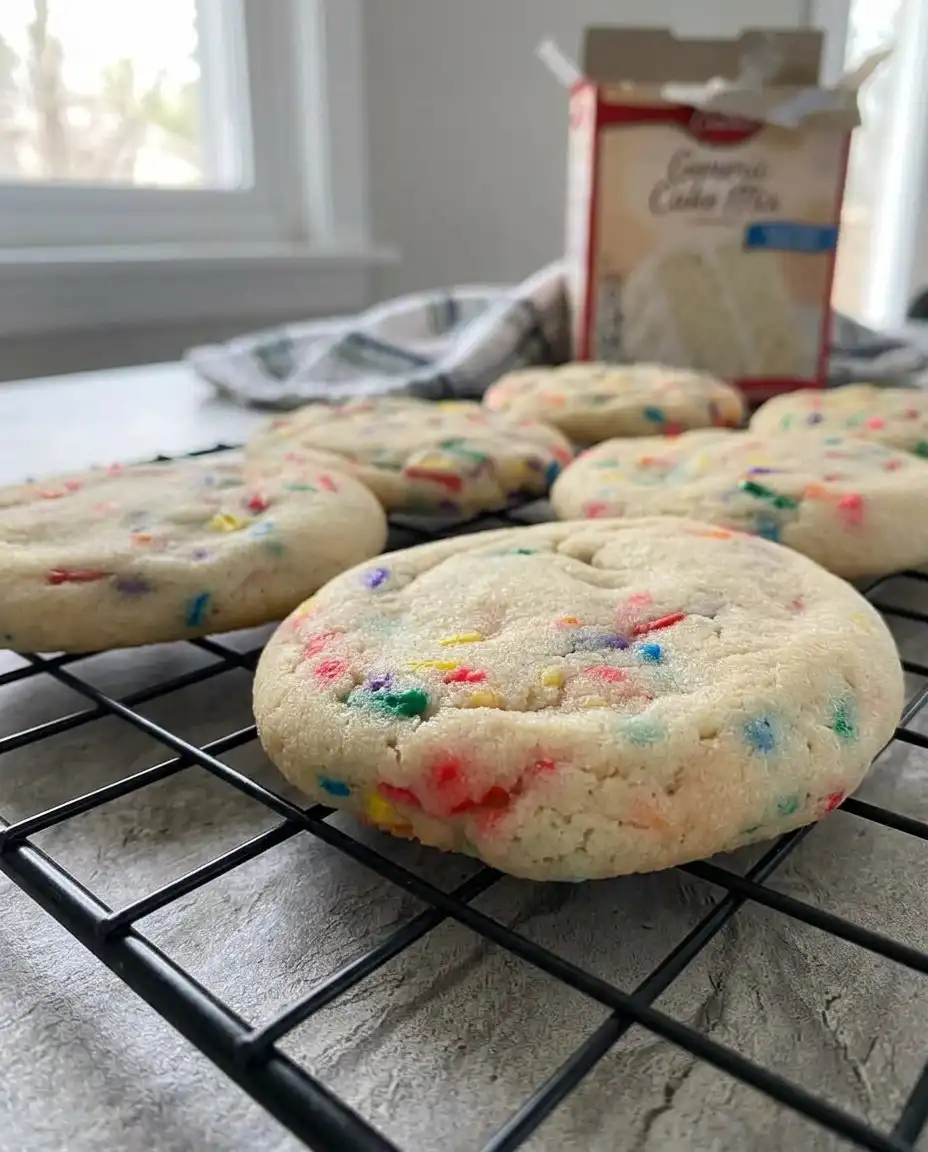
To highlight the delicate crumb of these cookies, serve them alongside a contrasting texture. A crisp, cold glass of whole milk provides a clean palate cleanser between bites of a rich chocolate version. For a more sophisticated presentation, stack the cookies vertically and dust lightly with powdered sugar to emphasize the surface topography.
If you are serving these at a gathering, they pair wonderfully with more structured desserts like our snickers-cake. The softness of the cookie complements the denser, multi-layered textures of a specialty cake. Always store these in an airtight container with a piece of parchment paper between layers to prevent them from sticking and to maintain their specific moisture level.
Mastering the Craft of Simple Perfection
These cookies prove that technical mastery does not always require starting from zero. By understanding the chemistry of the pre-mixed ingredients and controlling the variables of temperature and fat, you can produce a treat that is both structurally sound and texturally exquisite. I encourage you to apply these methodical principles to your next bake, perhaps even comparing the results with our old-fashioned-chocolate-cake to see how different starch ratios affect the final product. We would be proud to see your results, so please share your baking triumphs with us on Pinterest, Instagram, Facebook, or X.