During my early training in British pastry arts, I learned that the secret to a superior crumb often lies in the most unexpected chemical reactions. This 7 Up Cake 2 is a technical masterclass in how carbonation and acidity work together to create a structure that is both resilient and incredibly tender. By using the effervescence of citrus soda, we achieve a lightness that traditional leaveners cannot replicate on their own.

This particular version of the 7 Up Cake 2 balances the convenience of high-quality pre-mixed dry goods with the precision of specific ingredient temperatures. The addition of lemon pudding mix provides a soft, custard-like moisture that stays fresh for days. It is a reliable, structurally sound cake that finishes with a bright, zesty glaze.
The Science of Structural Moisture
This 7 Up Cake 2 is not merely a simple dessert; it is a triumph of textural engineering. The carbon dioxide in the 7 Up acts as a secondary leavening agent, creating tiny, uniform air pockets that make the crumb feel light despite its rich ingredient profile. Unlike standard sponge cakes that can sometimes dry out, the modified starches in the pudding mix trap moisture, creating a cake that melts on the tongue. You will appreciate how the precise balance of fats and sugars results in a golden exterior with a soft, velvet-like interior. It is a beautiful example of how a few technical tweaks can turn a humble recipe into a professional-grade masterpiece.
Print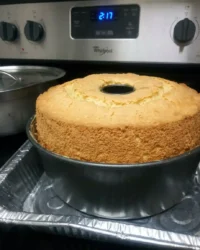
7 Up Cake
- Total Time: 1 hour 10 mins
- Yield: 12 servings
- Diet: Vegetarian
Description
This technical take on a classic 7 Up Cake utilizes the chemical reactions of carbonation and acidity to produce an incredibly light, resilient crumb. The addition of lemon pudding mix ensures a custard-like moisture that keeps the cake fresh and flavorful for days.
Ingredients
- 4 Large eggs (room temperature)
- 3/4 cup Vegetable oil
- 3/4 cup 7 Up (freshly opened, room temperature)
- 15.25 oz Yellow cake mix
- 4 oz Lemon pudding mix
- 1 cup Sifted powdered sugar
- 2 tbsp Fresh lemon juice
- 1 tbsp Milk
Instructions
- In a large mixing bowl, whisk together the eggs, vegetable oil, and 7 Up until the oil is fully emulsified and the mixture is smooth and pale yellow.
- Add the yellow cake mix and lemon pudding mix to the bowl and whisk until just incorporated, taking care not to overmix.
- Pour the batter into a greased and floured 10-inch Bundt pan and tap gently on the counter to release large air bubbles.
- Bake in a preheated oven at 325 degrees F (163 degrees C) for 45 to 55 minutes until a skewer inserted into the center comes out clean.
- Cool the cake completely in the pan before inverting onto a stand, then whisk the powdered sugar, lemon juice, and milk together and drizzle the glaze over the top.
Notes
To ensure a perfect release from the pan every time, consider using a mixture of melted shortening and flour rather than standard cooking spray. Additionally, always verify that your carbonated soda is freshly opened and at room temperature to ensure maximum lift and a smooth batter emulsion.
- Prep Time: 15 mins
- Cook Time: 55 mins
- Category: Dessert
- Method: Baking
- Cuisine: American
The Technical Foundation: Ingredient Precision
To achieve the perfect 7 Up Cake 2, every component must be at the correct temperature to maintain a stable emulsion.
- Large Eggs (Room Temperature): Essential for a smooth batter. Cold eggs will cause the oil to seize, ruining the uniform texture.
- 7 Up (Freshly Opened): The carbonation must be at its peak. Flat soda will result in a heavy, leaden cake without the signature lift.
- Yellow Cake Mix (15.25 oz): This provides the structural framework. If your box is smaller, use a digital scale to add the missing weight from a second box for a total of 432 grams.
- Lemon Pudding Mix: This is the secret to the cake’s longevity and moisture. It works as a humectant, keeping the crumb soft and tender.
- Vegetable Oil: Chosen for its ability to stay liquid at room temperature, providing a persistent sense of moisture that butter-based cakes often lose once cooled.
- Sifted Powdered Sugar: For the glaze, sifting is non-negotiable to prevent unsightly lumps and achieve a mirror-smooth finish.
The Method: A Precise Execution
Step 1: Establishing the Liquid Emulsion
In a large mixing bowl, combine your four room-temperature eggs, the three-quarter cup of vegetable oil, and the three-quarter cup of 7 Up. Use a whisk to mix these until the liquid is entirely smooth and the oil is fully emulsified into the aqueous components. This step is vital for a consistent crumb; you are looking for a uniform, pale yellow liquid with no visible oil streaks.
Step 2: Incorporating the Structural Components
Add the 15.25 oz box of yellow cake mix and the 4 oz box of lemon pudding mix to your wet base. Whisk the mixture until the dry ingredients are just incorporated. It is imperative that you do not overwork the batter here. Stop as soon as the last traces of flour disappear to prevent excessive gluten development, which would make the cake tough rather than tender.
Step 3: Mastering the Bundt Vessel
Prepare a 10-inch Bundt pan by greasing it generously with a high-quality baking spray or butter and a light dusting of flour. Bundt pans have complex geometry, and meticulous preparation is the only way to guarantee a clean release. Pour the batter into the pan, using a spatula to level the top and tapping it gently on the counter twice to remove any large trapped air bubbles that could disrupt the structural integrity.
Step 4: Precise Thermal Execution
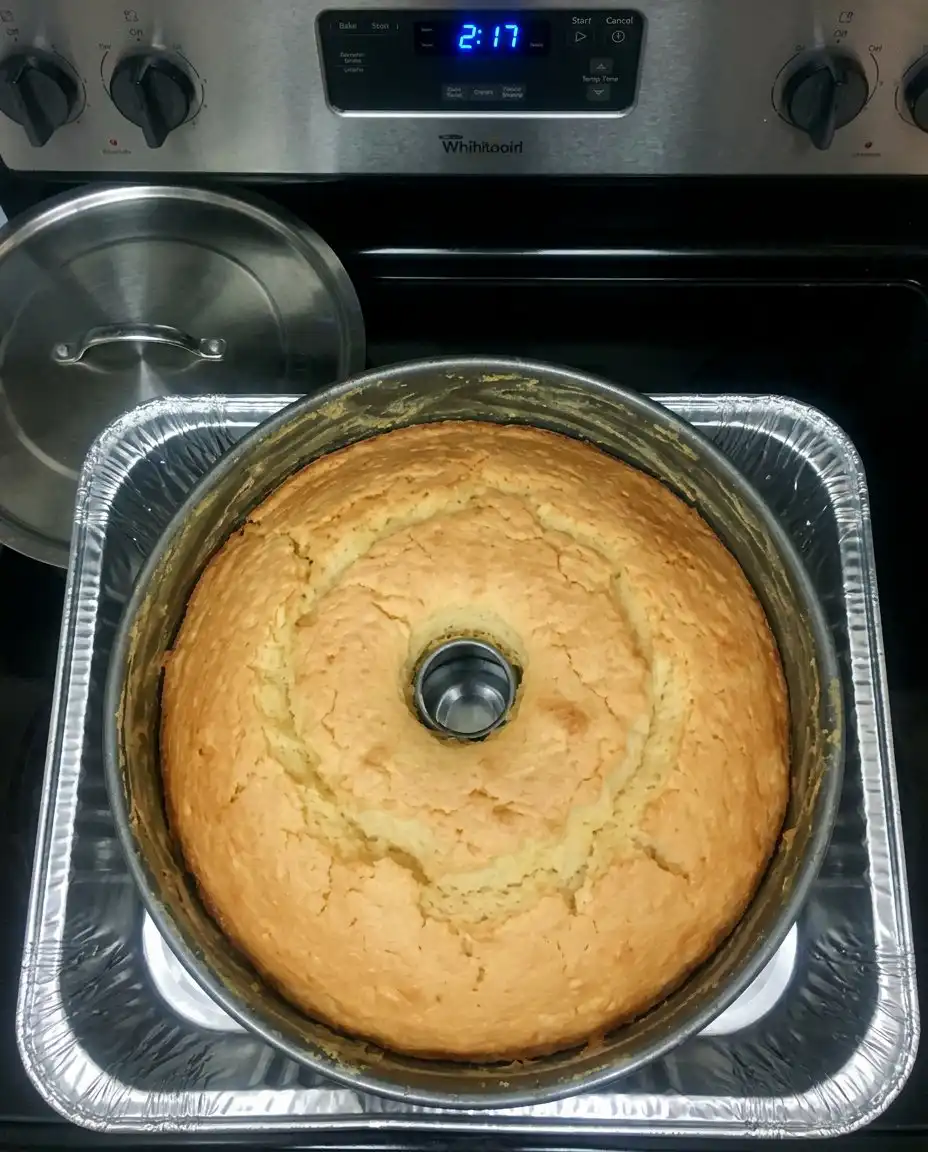
Place the pan in a preheated oven at 325 degrees F (163 degrees C). Bake for 45 to 55 minutes. This lower temperature allows the cake to rise evenly without cracking the surface prematurely. Use a wooden toothpick or a thin metal skewer to check the center; it should come out clean or with a few moist crumbs. The cake should feel springy to the touch, indicating the internal structure has set.
Step 5: Final Stabilization and Glazing
Remove the cake from the oven and let it cool completely in the pan before attempting to invert it. This cooling period allows the starches to stabilize. While the cake cools, prepare the glaze by whisking together the sifted powdered sugar, fresh lemon juice, and room-temperature milk. Once the cake is fully cool, place it on a presentation stand and drizzle the glaze over the top, allowing it to follow the natural curves of the Bundt shape.
Jordan’s Precision Secrets
To achieve the most consistent results with your 7 Up Cake 2, verify that your soda is at room temperature before mixing. Cold liquids can shock the fats in the batter, leading to a curdled appearance that prevents a fine crumb. If you find your cakes often stick to the pan, try a mixture of melted shortening and flour for a more reliable release. For those who appreciate the citrus profile of a lemon drizzle cake, consider adding a teaspoon of finely grated lemon zest to the batter. This adds essential oils that provide a deeper aromatic complexity to the final product. Always sift your dry pudding mix if it appears clumpy to avoid small gelatinous pockets in the finished crumb.
Technical Variations for Advanced Bakers
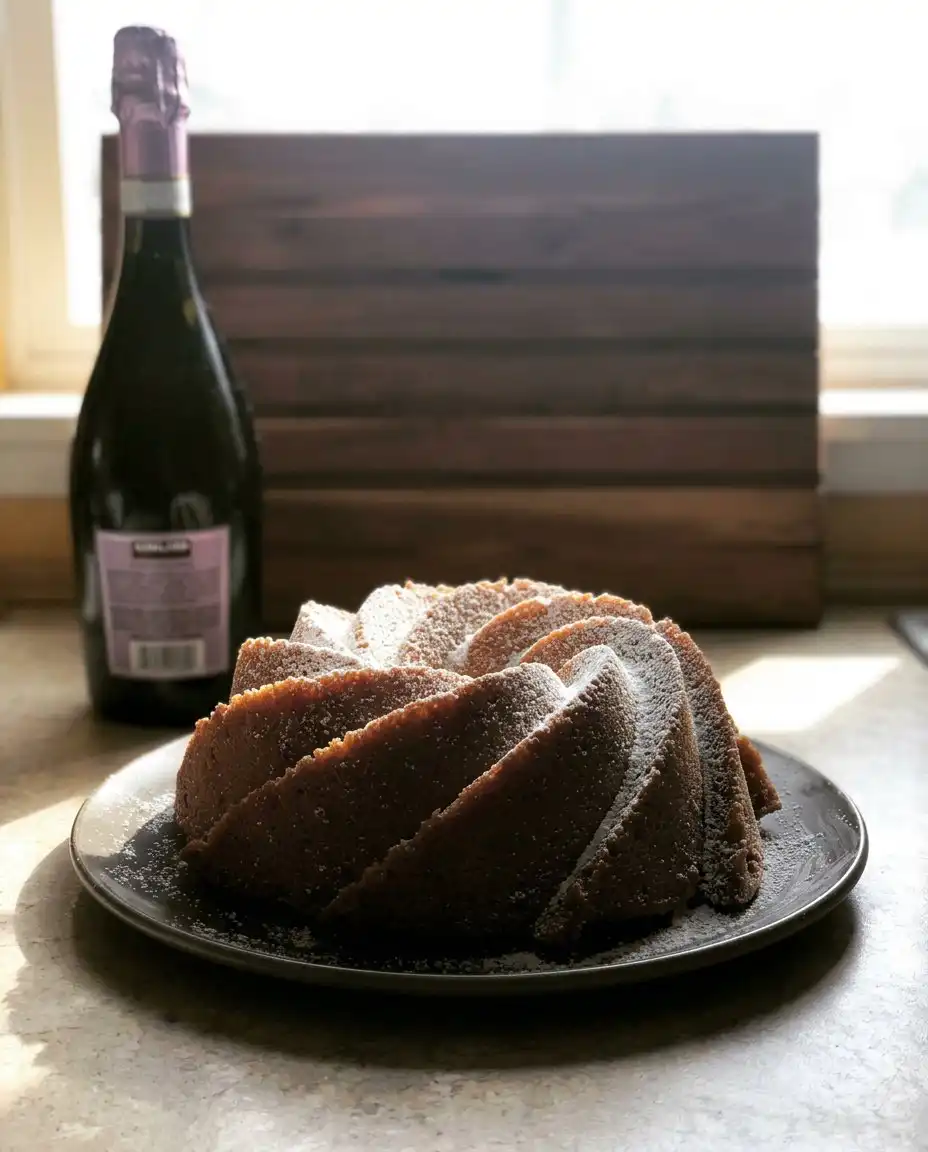
While the 7 Up Cake 2 is a classic, you can modify the flavor profile while maintaining the structural integrity. If you prefer a more sophisticated flavor, you can substitute the citrus soda with a sparkling wine or champagne, similar to the method used in a refined champagne cake. For a more intense citrus experience, use a lime-flavored pudding mix instead of lemon. You can also research the historical variations of this technique at this 7 Up cake guide to understand how different ratios of soda to sugar affect the final rise and density of the sponge.
Presentation Precision: Slicing for Texture
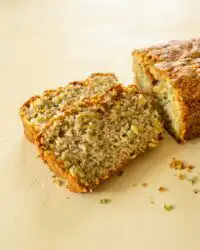
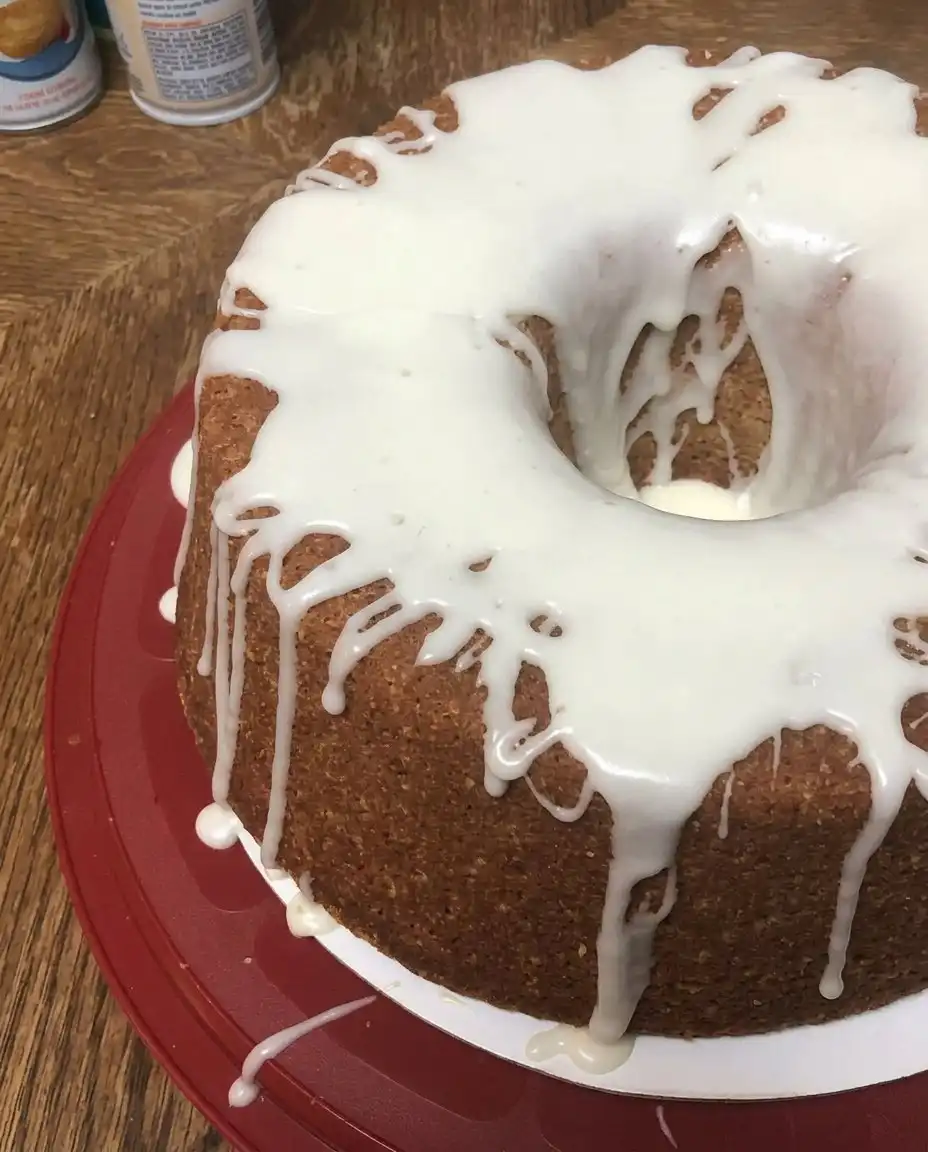
When presenting the 7 Up Cake 2, the visual contrast between the white glaze and the golden sponge is striking. To maintain the structural beauty of each slice, use a long serrated knife and a gentle sawing motion. This prevents the weight of the knife from compressing the delicate air pockets we worked so hard to create. Much like the careful assembly of a vibrant lemon rainbow cake, the goal is a clean, sharp edge. Serve each slice at room temperature to ensure the fats are at their most pliable, providing the best possible mouthfeel. A light dusting of extra lemon zest over the glaze just before serving can add a fresh, professional touch.
Master the Craft of Effervescent Baking
Mastering the 7 Up Cake 2 is a proud moment for any home baker who values the intersection of convenience and technical precision. By understanding the role of carbonation and temperature, you have created a dessert that is far superior to a standard box mix bake. If you enjoyed this citrus-forward project, you might find our strawberry prosecco cake to be an equally fascinating study in carbonated texture. We invite you to share your results and follow our journey into the science of pastry on Pinterest, Instagram, and Facebook. Precision truly is the path to the perfect melt.