During my early training in a London patisserie, I learned that the secret to a cake that supports a rich filling without collapsing lies in the precise aeration of the eggs. This Limoncello Mascarpone Cake is a demonstration of how a light sponge can maintain its structural integrity while absorbing a fragrant lemon soak. It represents the perfect marriage of British sponge discipline and the luxurious textures found in Mediterranean citrus desserts.

This particular recipe focuses on creating a crumb that is both sturdy and porous, designed specifically to hold the moisture of the limoncello syrup. By balancing the acidity of the lemon with the high fat content of the mascarpone, we achieve a mouthfeel that is remarkably smooth and refreshing. It is a technical triumph that results in a dessert that is as beautiful to look at as it is to eat.
Structure Meets Texture
You will find that this cake succeeds where others fail because of its calculated balance between density and lightness. Many lemon cakes are either too heavy, like a pound cake, or too delicate to survive a soaking syrup. Our method uses separated eggs to create a sponge that acts as a structural sponge, capable of holding significant moisture without turning into a soggy mess.
The mascarpone filling provides a sophisticated alternative to traditional American buttercream. While buttercream can often be overwhelmingly sweet and grainy, mascarpone offers a silky, stable medium that carries the bright notes of lemon and vanilla. This creates a superior eating experience where the fat from the cheese coats the palate, allowing the sharp citrus flavors to linger longer. It is the ultimate choice for those who appreciate the technical nuances of pastry arts.
Furthermore, the visual appeal of the two layers provides a clean, modern aesthetic. The pale yellow of the sponge against the bright white of the whipped mascarpone creates a stunning contrast that speaks to professional quality. Whether you are preparing this for a formal celebration or a refined afternoon tea, the precision of the layers will reflect your dedication to the craft of baking.
Print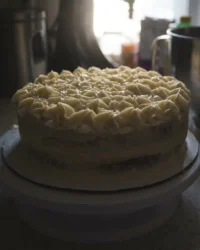
Limoncello Mascarpone Cake
- Total Time: 4 hours 55 mins
- Yield: 10 servings
- Diet: Vegetarian
Description
Experience the perfect harmony of airy citrus sponge and velvety mascarpone cream with this sophisticated Italian-inspired layer cake. Soaked in a fragrant limoncello syrup, it offers a refreshing and luxurious dessert experience suitable for any elegant occasion.
Ingredients
- 1 ¼ cups all-purpose flour
- 1 ½ teaspoons baking powder
- 4 large eggs, separated
- 1 cup granulated sugar
- 1 lemon, zested and juiced
- ¼ cup limoncello liqueur (for batter)
- 8 oz (225g) mascarpone cheese, slightly softened
- 1 cup heavy cream, chilled
- ½ cup powdered sugar
- 1 teaspoon vanilla extract
- ¼ cup water
- ¼ cup limoncello liqueur (for syrup)
- 2 tablespoons granulated sugar (for syrup)
Instructions
- Preheat your oven to 350°F (175°C) and grease two 8-inch round cake pans, lining the bottoms with parchment paper.
- Sift the all-purpose flour and baking powder together twice to ensure maximum aeration.
- Beat the egg whites in a clean, grease-free bowl until they form soft peaks.
- In a separate large bowl, beat the egg yolks and granulated sugar until the mixture reaches the ribbon stage, then stir in the lemon zest, juice, and limoncello.
- Gently fold the dry ingredients into the yolk mixture, then carefully fold in the egg whites in three additions using a figure-eight motion.
- Divide the batter between the pans and bake for 22–25 minutes; cool in the pans for 10 minutes before transferring to a wire rack.
- Create the soak by simmering water, ¼ cup limoncello, and 2 tablespoons of sugar in a saucepan until dissolved, then cool completely.
- Beat the mascarpone until smooth, then add the heavy cream, powdered sugar, and vanilla, whisking until the mixture holds firm peaks.
- Brush the cooled cake layers with the syrup, assemble with the mascarpone filling between the layers and on top, and refrigerate for 4 hours.
Notes
To ensure your mascarpone filling remains stable, avoid over-whisking once the heavy cream reaches stiff peaks, as the high fat content can quickly turn the mixture grainy. For the best flavor absorption, always ensure both the cake and the limoncello syrup have cooled to room temperature before assembly.
- Prep Time: 30 mins
- Cook Time: 25 mins
- Category: Dessert
- Method: Baking
- Cuisine: Italian-British Fusion
Ingredient Precision
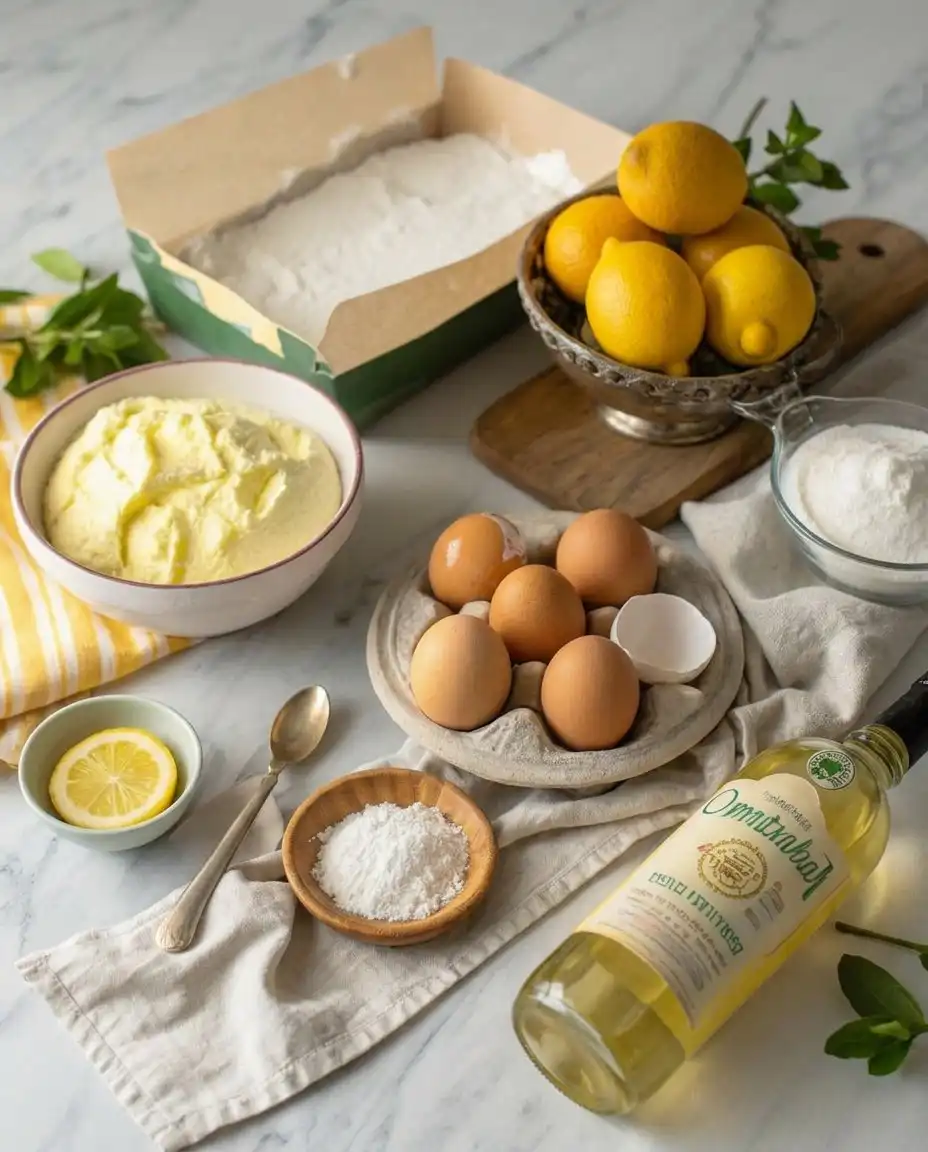
To achieve the perfect crumb and stable filling, every ingredient must be selected and prepared with specific technical outcomes in mind. The temperature and quality of your dairy and eggs are the foundation of this recipe.
- All-Purpose Flour (1 ¼ cups): We use all-purpose flour here to provide enough protein (roughly 10-11%) to build a gluten structure that supports the lift from the egg whites. Sifting is mandatory to remove clumps and help with even distribution of the leavening agent.
- Large Eggs (4, separated): The yolks provide fat and emulsification for the batter, while the whites are beaten into a foam to create the primary lift. They must be at room temperature (about 21°C or 70°F) to reach their maximum volume when whisked.
- Mascarpone Cheese (8 oz / 225g): This Italian cream cheese has a high fat content (around 60-75%), which is vital for a stable filling that doesn’t weep. Do not substitute with standard cream cheese, as the flavor profile and texture are fundamentally different.
- Limoncello Liqueur (¼ cup for cake, plus more for syrup): Use a high-quality liqueur. The alcohol helps carry the aromatic lemon oils into the crumb, while the sugar in the liqueur adds to the moistness of the final product.
- Heavy Cream (1 cup): This must be chilled thoroughly. When whipped with the mascarpone, the fat globules in the cream trap air, creating a light yet firm texture that holds its shape between the cake layers.
- Granulated and Powdered Sugars: We use granulated sugar for the sponge to help stabilize the egg foam and powdered sugar for the filling to achieve a smooth, grit-free finish.
- Fresh Lemon Zest and Juice: The zest contains the essential oils that provide the primary flavor, while the juice provides the necessary acidity to balance the sweetness.
The Technical Process
Step 1: Prepare the Equipment and Oven
Preheat your oven to 350°F (175°C). Grease two 8-inch (20cm) round cake pans and line the bottoms with parchment paper. This is a critical step; the parchment allows the delicate sponge to be removed without tearing the structural crust of the base.
Step 2: Sift the Dry Ingredients
Whisk the all-purpose flour and baking powder together in a medium bowl. Pass them through a fine-mesh sieve twice. This aeration helps the flour incorporate into the egg foam more easily later, reducing the amount of folding required and preserving the air bubbles.
Step 3: Achieve Soft Peaks with Egg Whites
Place the egg whites in a clean, grease-free bowl. Using an electric mixer, beat them on medium speed until they form soft peaks. A soft peak should curl over gently when the whisk is lifted. Over-beating to stiff peaks can make the whites difficult to fold in, leading to a dry or rubbery texture.
Step 4: Cream Yolks and Aromatics
In a separate large bowl, beat the egg yolks and granulated sugar until the mixture is pale and has reached the ribbon stage—where the batter falls off the whisk in a slow, thick trail. Add the lemon zest, lemon juice, and limoncello. The acidity will begin to react with the proteins in the yolk, creating a stable base for the cake.
Step 5: The Folding Technique
Gently fold the dry ingredients into the yolk mixture using a silicone spatula. Once mostly incorporated, add one-third of the egg whites to lighten the batter. Carefully fold in the remaining whites using a figure-eight motion. This technique preserves the delicate air cells you’ve worked hard to create.
Step 6: Bake and Monitor
Divide the batter evenly between the prepared pans. Bake for 22–25 minutes. The cakes are done when the edges pull away slightly from the sides and the center springs back when lightly pressed. Cool in the pans for 10 minutes before transferring to a wire rack to cool completely. Internal temperature should reach approximately 205°F (96°C).
Step 7: Create the Limoncello Soak
In a small saucepan, combine ¼ cup limoncello, ¼ cup water, and 2 tablespoons of sugar. Simmer over medium heat until the sugar is fully dissolved. Let this syrup cool entirely. Brushing warm syrup on a warm cake leads to a gummy texture; both must be at room temperature for optimal absorption.
Step 8: Prepare the Mascarpone Filling
Beat the mascarpone cheese until it is smooth and pliable. Gradually pour in the heavy cream, powdered sugar, and vanilla extract. Whisk on medium-high speed until the mixture is thick and holds firm peaks. Be careful not to over-beat, as the high fat content can cause the mixture to separate and turn into butter.
Step 9: Assemble the Layers
Brush the top of each cooled cake layer generously with the limoncello syrup. Place the first layer on a cake board. Spread half of the mascarpone filling over the top. Place the second layer on top and cover the top (and sides if desired) with the remaining filling. Refrigerate for at least 4 hours.
Jordan’s Precision Secrets
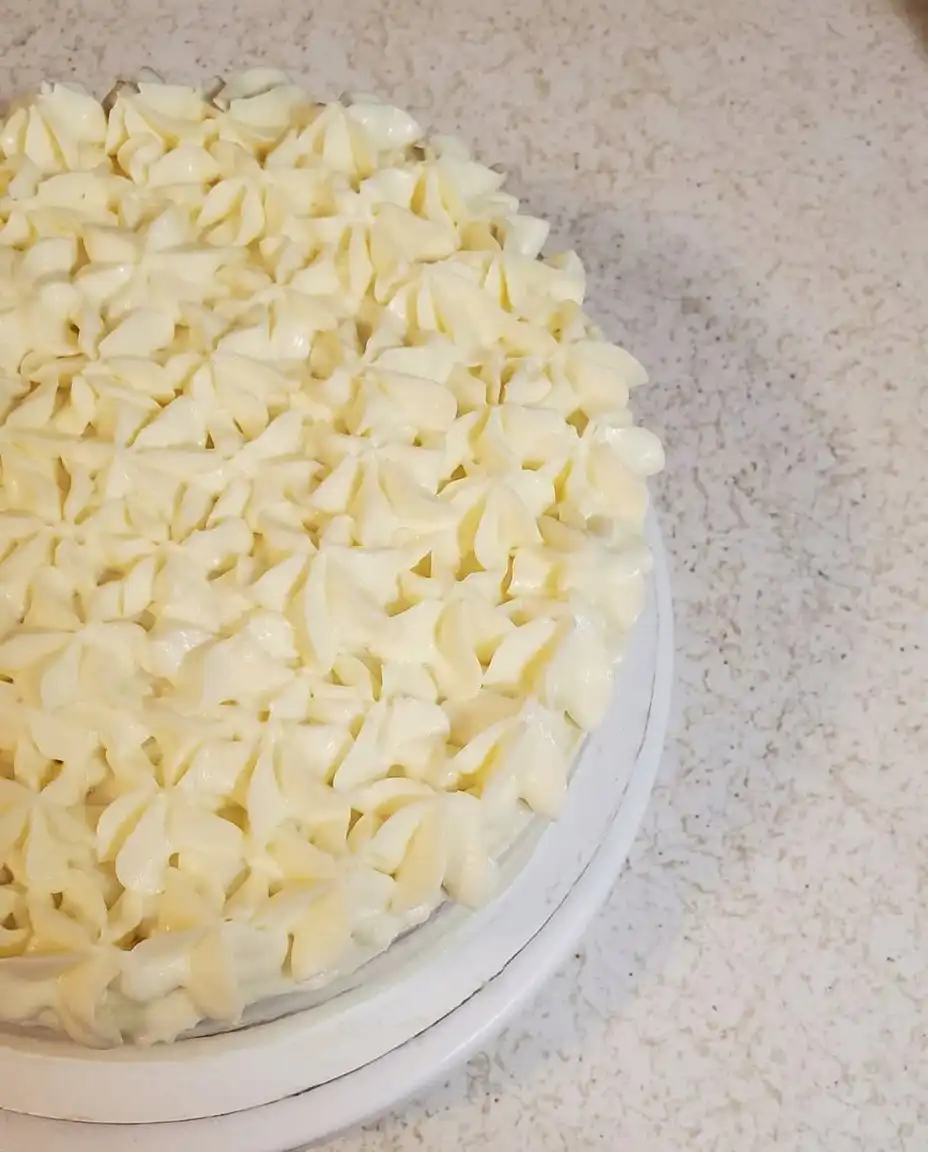
To master the texture of the mascarpone filling, always make certain your cheese is slightly softened but your heavy cream is ice cold. If the mascarpone is too cold, it will form small lumps that are impossible to whisk out once the cream is added. For a deeper understanding of citrus-based sponges, you might find our lemon-cake-3 recipe quite useful for comparing crumb densities. Another secret is to use a pastry brush for the syrup application rather than pouring it; this allows for a controlled, even distribution that prevents the center of the cake from becoming overly saturated. If you want a more intense flavor profile, consider this Limoncello Mascarpone Cake detail regarding syrup ratios. Always wipe your offset spatula with a warm, damp cloth between smoothing sections of the filling to achieve a professional, glass-like finish on the frosting.
Technical Variations
For those looking to adjust the structural profile, you can create a Three Layer Cake by increasing the recipe by 50% and using three 6-inch pans. This provides more height and a higher filling-to-sponge ratio. If you prefer a sharper citrus contrast, adding a thin layer of lemon curd between the sponge and the mascarpone will provide a burst of acidity. Those interested in how different fats affect cake stability should compare this to our lemon-cheesecake which uses a different structural method entirely. For a non-alcoholic version, replace the limoncello with a concentrated lemon simple syrup infused with extra zest, though the flavor will lack the floral complexity provided by the liqueur. You can also swap the lemon for orange or grapefruit for a different citrus profile, keeping the liquid ratios exactly the same.
Presentation Precision
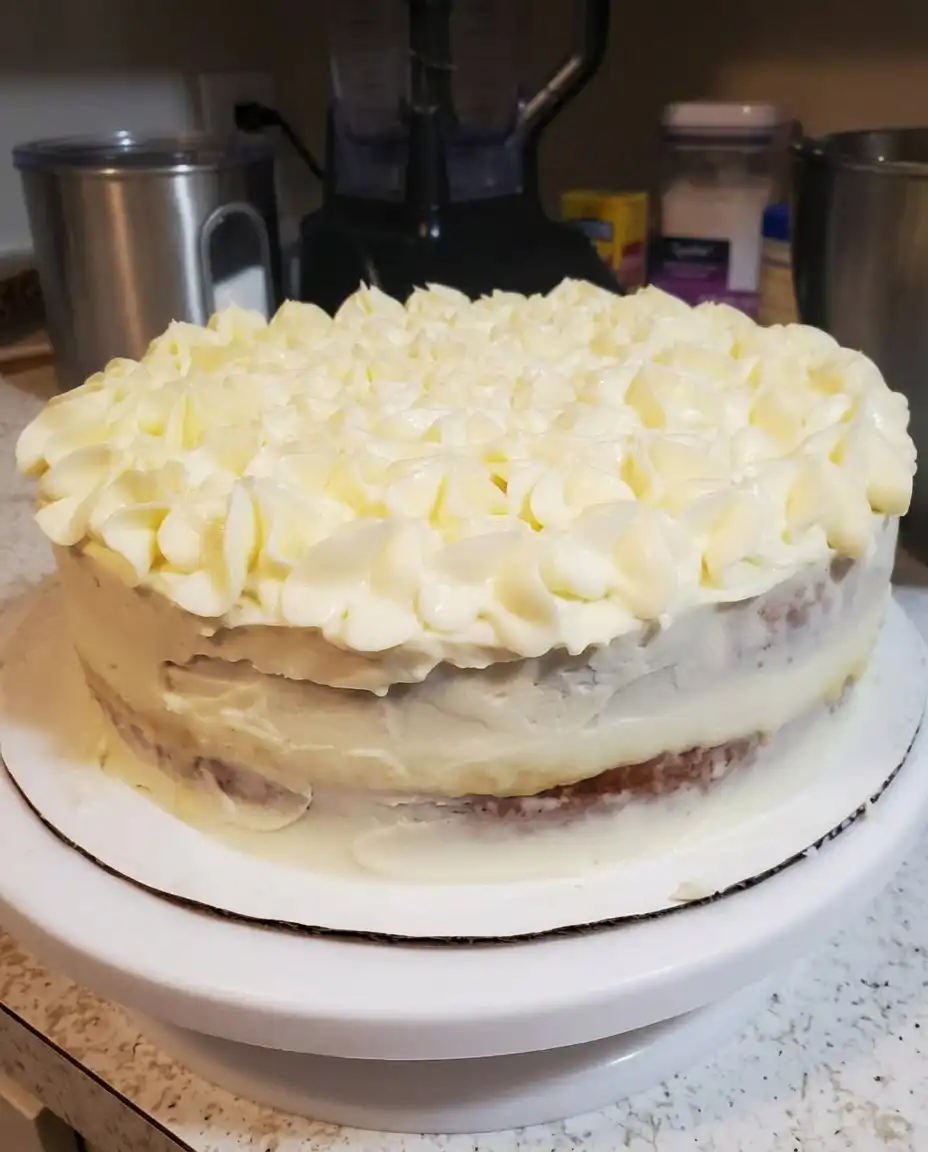
When serving a layered cake with a soft filling like mascarpone, temperature is your best friend. Chill the cake for at least 4 hours, or even overnight, before attempting to slice it. Use a long, thin serrated knife dipped in hot water and wiped dry between every single cut. This ensures that the mascarpone doesn’t smear across the yellow sponge, preserving the clean lines of your 2 layer cake design. For a more elaborate presentation, you might look at the plating techniques used for our tiramisu-cake, which also features a mascarpone base. Serve each slice with a few fresh raspberries or a sprig of mint to provide a visual and textural contrast to the creamy filling.
The Technical Truth
Mastering the Limoncello Mascarpone Cake is a rewarding challenge for any baker who values the intersection of structure and flavor. By following these precise steps and respecting the temperatures of your ingredients, you will create a dessert that stands far above the standard fare. If you enjoyed this technical journey into Italian-inspired desserts, you should also try our quick-italian-cream-cake for another lesson in textural balance. Please share your baking triumphs with our community and follow us for more pastry insights. Find us on Pinterest, Instagram, and Facebook.