In the Mediterranean, we believe a dessert should tell a story through its moisture. This Death by Chocolate Cake is a narrative of deep cocoa and silken ganache that binds every layer.

To achieve this level of richness, we use six thin layers, allowing the ganache to saturate the sponge. It is a slow process of assembly that rewards the patient baker with a melt-in-your-mouth experience.
The Texture Magic
There is a specific kind of joy that comes from a dessert that refuses to be airy. In my kitchen, we do not chase fluff; we chase the soul of the ingredient. This cake is heavy, purposeful, and deeply dark. It is the kind of treat that demands you slow down and savor the way the ganache clings to the tines of your fork.
What makes this recipe special is the sheer density of flavor. By slicing three layers into six, we create more surface area for the ganache to perform its magic. Each thin layer of sponge acts like a sponge for the cream and chocolate, soaking up the fat and moisture until the cake becomes almost truffle-like in its consistency. It is a chocolate lover’s dream, a monumental tower of sweetness that balanced by the slight bitterness of Dutch-processed cocoa.
You will love the way the ganache sets. It isn’t a stiff frosting that breaks away; it is a supple, glossy blanket that yields to the slightest pressure. The addition of espresso powder doesn’t make the cake taste like coffee, but rather acts as a ghost in the background, making the chocolate taste more like itself—purer, darker, and more resonant. This is the ultimate celebration cake for those who understand that texture is the heart of every great memory.
Print
Death by Chocolate Cake
- Total Time: 1 hour 10 mins
- Yield: 16 servings
Description
This intense chocolate cake is designed for ultimate moisture and richness, featuring six thin layers saturated with a luxurious, dark chocolate ganache. The recipe uses Dutch-processed cocoa and sour cream to ensure a dense, tender crumb that becomes almost truffle-like upon assembly, creating a monumental treat for true chocolate lovers.
Ingredients
- Flour
- White sugar
- Dutch-Processed Cocoa Powder
- Baking powder
- Baking soda
- Salt
- Milk
- Eggs
- Sour cream
- Vegetable oil
- Vanilla extract
- Espresso powder
- Hot water
- Heavy cream
- High-quality chocolate, chopped
Instructions
- Preheat your oven to 350°F (175°C). Grease three 8-inch pans and line them with parchment.
- In a large bowl, sift together the flour, white sugar, cocoa powder, baking powder, baking soda, and salt. Use a whisk to stir them until the color is uniform.
- In a separate vessel, whisk the milk, eggs, sour cream, oil, and vanilla. Pour this mixture into the dry ingredients. Whisk slowly until the batter is a smooth, heavy ribbon.
- Dissolve your espresso powder into the hot water. Pour this hot liquid into the batter.
- Divide the batter between your pans. Bake for 25 to 30 minutes, until a toothpick comes out with just a few moist crumbs. Let them cool in the pans for ten minutes to settle their structure, then move to wire racks.
- While the cakes cool, prepare the ganache. Heat heavy cream until it just begins to steam. Pour it over your chopped chocolate and let it sit for two minutes. Then, stir from the center outward until it transforms into a glossy, dark mirror.
- Once the cakes are completely cold, use a serrated knife to level the tops. Carefully slice each cake in half horizontally, resulting in six thin discs. Lay the first one down and spread a layer of ganache. Repeat this process for all six layers to complete the assembly.
Notes
Ensure all wet ingredients (milk, eggs, sour cream) are at room temperature before mixing, as this helps them emulsify properly and prevents the batter from becoming tough. If the ganache is too stiff for spreading, warm it gently over a double boiler for just a few seconds, stirring constantly. It is crucial that the cakes are completely cooled before slicing and layering, otherwise the heat will melt the ganache and cause structural collapse.
- Prep Time: 40 mins
- Cook Time: 30 mins
- Category: Dessert
- Method: Baking and Layering
- Cuisine: Mediterranean Inspired
The Foundation of Richness
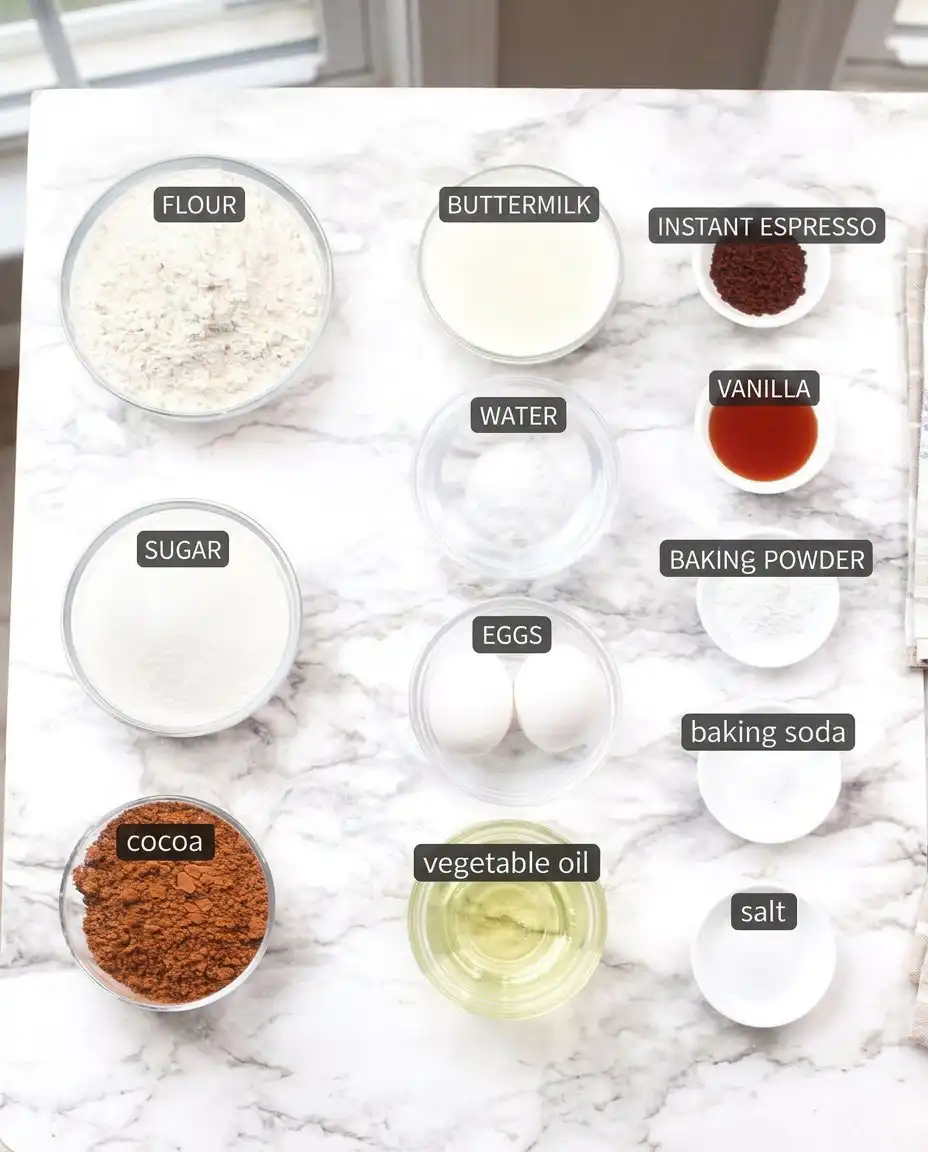
To create a cake this magnificent, every ingredient must play a specific role in the architecture of texture. We start with the Mediterranean approach to moisture—fats that stay liquid at room temperature and acids that tenderize the crumb.
- Dutch-Processed Cocoa Powder: Unlike natural cocoa, this is treated with alkali to neutralize its acidity. It results in a darker color and a smoother, more mellow chocolate flavor that is essential for that deep, midnight hue.
- Sour Cream: This is my secret for a tender give. The high fat content and acidity break down the gluten in the flour, making certain the cake is never tough.
- Vegetable Oil: While butter adds flavor, oil keeps a cake moist for days. In our tradition, a cake must be just as soft on day three as it was on day one.
- Espresso Powder and Hot Water: The heat from the water ‘blooms’ the cocoa, waking up the oils and aroma. The espresso adds a sophisticated depth that prevents the sugar from becoming cloying.
- Heavy Cream and High-Quality Chocolate: For the ganache, use the best you can find. The fat in the cream and the cocoa butter in the chocolate are what create that signature melt-in-your-mouth feel.
Preparation is a ritual. Sift your dry ingredients twice. This isn’t about air; it’s about removing every possible lump so the batter is as smooth as silk before it ever hits the oven heat.
The Soaking Process
Step 1: Prepare Your Sanctuary
Begin by preheating your oven to 350°F (175°C). The heat must be steady and reliable. Grease your three 8-inch pans and line them with parchment. This ensures the cake releases with its edges intact, ready to receive the ganache.
Step 2: The Dry Harmony
In a large bowl, sift together the flour, white sugar, cocoa powder, baking powder, baking soda, and salt. Use a whisk to stir them until the color is a uniform, dusty brown. This step is about integration, making sure no single bite is over-leavened or too salty.
Step 3: The Velvet Base
In a separate vessel, whisk the milk, eggs, sour cream, oil, and vanilla. It should look like a thick, pale yellow cream. Pour this into the dry ingredients. Whisk slowly. Watch as the flour disappears into the darkness of the cocoa. Do not rush; whisk until the batter is a smooth, heavy ribbon.
Step 4: The Espresso Bloom
Dissolve your espresso powder into the hot water. The scent will be intoxicating. Pour this hot liquid into the batter. The batter will become thin, almost like a soup. This is exactly what we want. This thinness allows for a fine, delicate crumb that will later soak up the ganache perfectly.
Step 5: The Gentle Bake
Divide the batter between your pans. Place them in the oven and wait. After 25 to 30 minutes, the kitchen will smell like a chocolate workshop. A toothpick should come out with just a few moist crumbs. Let them cool in the pans for ten minutes to settle their structure, then move to wire racks.
Step 6: The Ganache Silk
While the cakes cool, prepare the ganache. Heat your heavy cream until it just begins to steam. You should see tiny bubbles dancing at the edges. Pour it over your chopped chocolate and wait. Let the heat work its magic for two minutes. Then, stir from the center outward. Watch as the broken pieces transform into a glossy, dark mirror.
Step 7: The Six-Layer Assembly
Once the cakes are completely cold, use a serrated knife to level the tops. Then, carefully slice each cake in half horizontally. You now have six thin discs of chocolate. Lay the first one down and spread a layer of ganache. Repeat this six times. This stacking is the secret to the moisture—each thin layer is surrounded by ganache, creating a truly unified dessert.
Mehmet’s Secrets for Texture Mastery
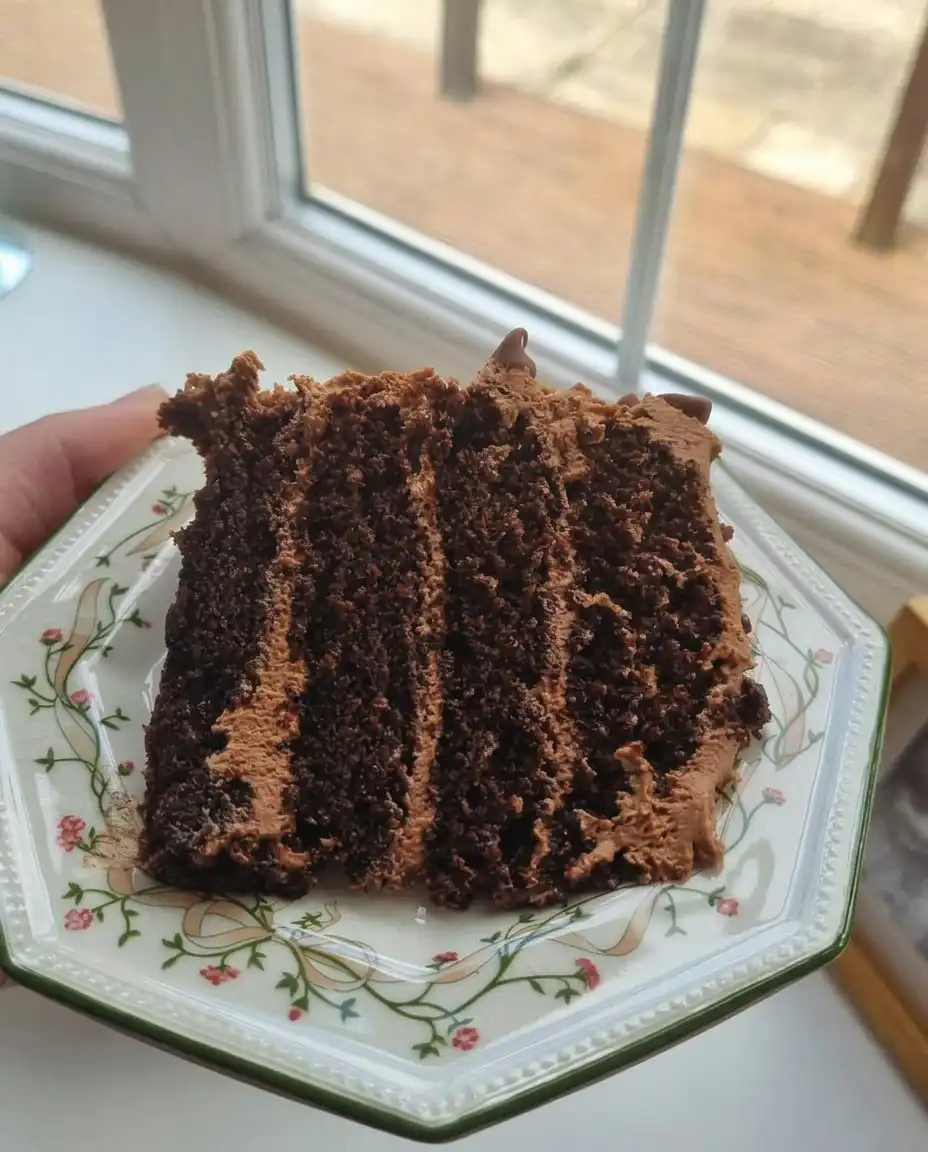
The temperature of your ganache is the most critical variable in this recipe. If it is too warm, it will run off the sides; if it is too cold, it will tear the delicate sponge. Wait for it to reach a consistency similar to peanut butter before you start spreading. This allows you to build those six beautiful layers without the cake sliding.
Patience is your best friend here. For the most authentic experience, let the assembled cake sit at room temperature for at least two hours before serving. This allows the ganache to slightly penetrate the sponge, creating a seamless transition between cake and cream. If you are looking for another texture-heavy masterpiece, you might also enjoy our chocolate-mousse-cake which focuses on a lighter, airier finish. Also, remember that a dash of hot water in your cocoa always improves the final mouthfeel, a technique often seen in this death by chocolate cake guide.
Regional Flavor Twists
While this recipe is a chocolate purist’s dream, the Mediterranean spirit is often about local infusions. You can transform this into a Turkish-inspired delight by adding two teaspoons of orange blossom water to the ganache. The citrus floral notes cut through the richness beautifully.
Another option is the nut-crusted variation. Press crushed pistachios or toasted hazelnuts into the sides of the ganache while it is still tacky. This adds a necessary crunch to the otherwise soft experience. If you prefer a lighter sponge that still carries the deep cocoa weight, our chocolate-layer-cake offers a different perspective on the classic multi-layer design. For those who love a bit of salt, a sprinkle of Maldon sea salt between the ganache layers can make the chocolate flavor pop with unexpected intensity.
At the Table: Mediterranean Traditions
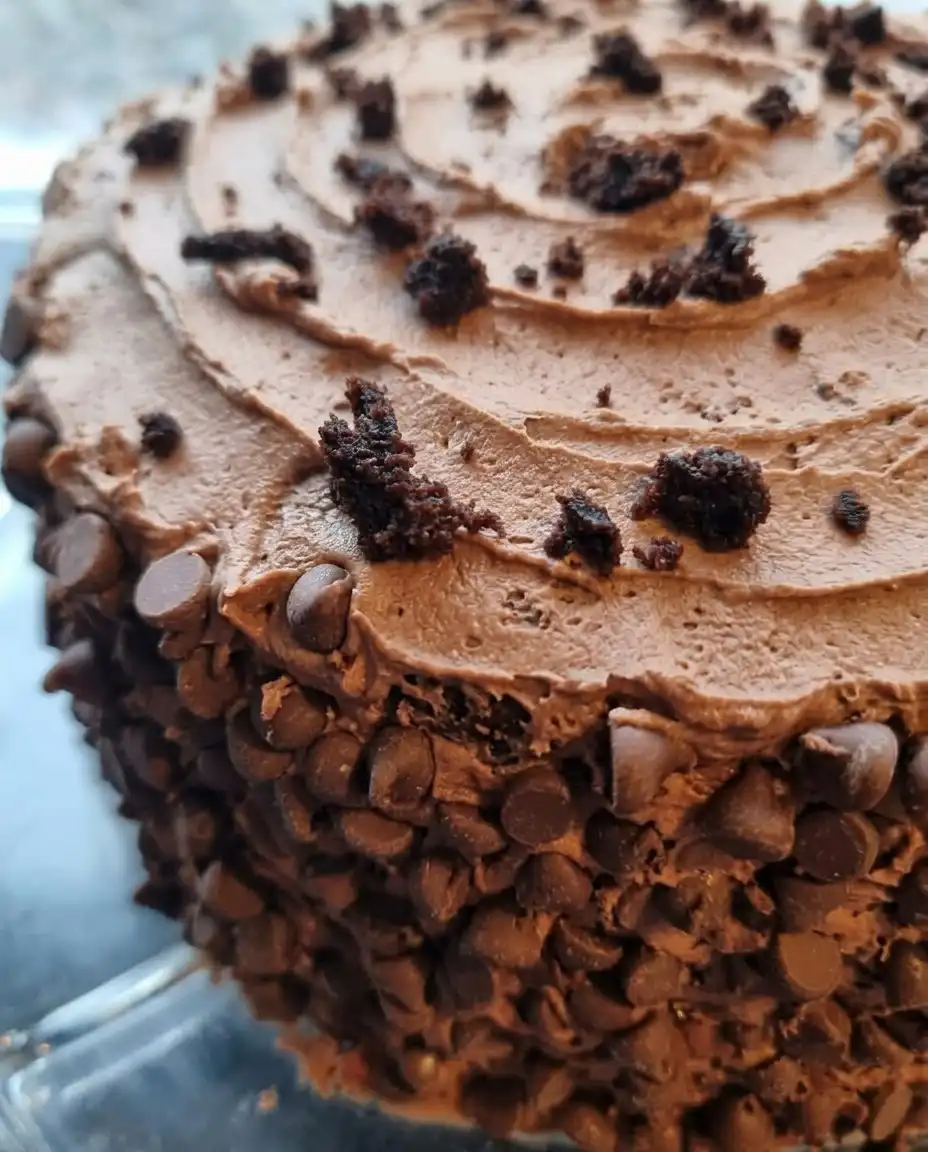
In my home, we never serve a cake like this alone. It is far too rich for a solitary experience. Serve it in thin slices alongside a small cup of bitter Turkish coffee or a strong espresso. The bitterness of the drink cleanses the palate between bites of the sweet, dark cake.
A dollop of unsweetened whipped cream or a spoonful of thick Greek yogurt on the side can also provide a refreshing contrast to the density of the chocolate. For a more formal gathering, consider the presentation of our devils-food-cake which shares many of these serving principles. Always serve at room temperature; cold ganache loses its ability to melt on the tongue, and we want every guest to experience that specific magic.
The Sweet Truth of Chocolate
Baking this Death by Chocolate Cake is an act of devotion. It is a reminder that the best things in life take time to soak and settle. When you finally take that first bite and feel the six layers of chocolate and cream dissolve, you will understand why we prioritize texture above all else. For more deep chocolate experiences, do not miss our chocolate-truffle-cake. Please share your baking journey with us on Pinterest, Instagram, or Facebook. We love seeing how these traditions live on in your kitchens.