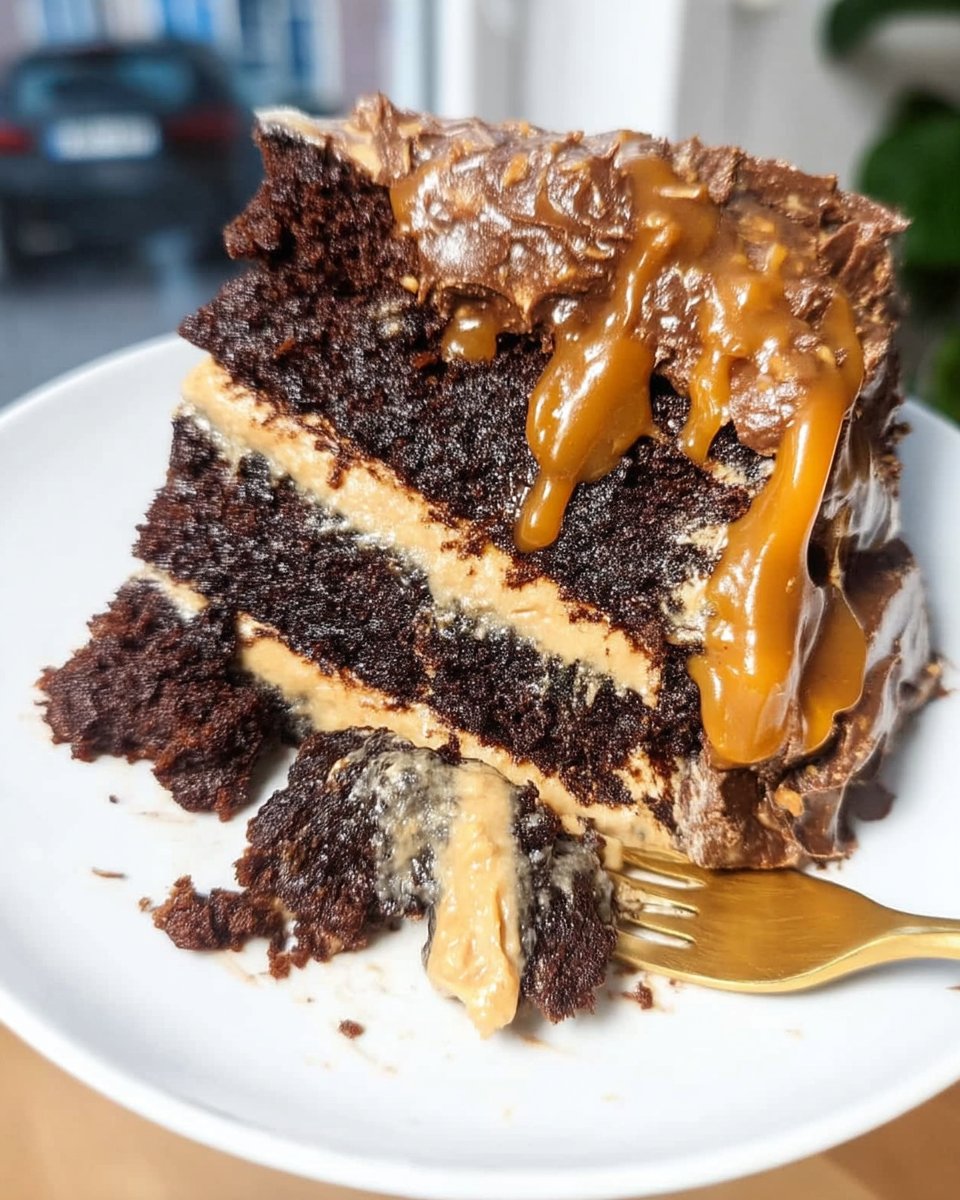
In the pastry arts, banana cake presents a unique structural challenge: balancing the heavy, dense moisture of fruit pulp with the need for a tender, aerated crumb. Many recipes rely solely on oil, resulting in a greasy mouthfeel, but this formula utilizes the creaming method with butter to build a robust gluten scaffold that traps air before the heavy fruit is introduced. The addition of buttermilk acts as a tenderizer, softening the gluten strands just enough to create a melt-in-your-mouth texture without compromising stability.

This cake is finished with a tangy cream cheese frosting, which provides the necessary acidity to cut through the high sugar content of the ripe fruit. The result is a texturally complex dessert—dense yet springy, moist but not wet—that stands up to slicing while dissolving pleasantly on the palate. Precision in temperature and mixing time is critical here to prevent a tough, rubbery outcome.
The Physics of Moisture and Crumb
Unlike a standard sponge, this recipe masters the hygroscopic properties of brown sugar and the enzymatic activity of ripe bananas. You will appreciate the technical balance achieved here; the acidity of the buttermilk reacts with the baking soda to create immediate lift, counteracting the weight of the fruit. This ensures the cake rises evenly rather than becoming a heavy pudding. Furthermore, the high ratio of bananas (345g) guarantees a shelf life that extends beyond typical butter cakes, as the fruit sugars continue to draw moisture from the air, keeping the crumb tender for days.
Print
Banana Cake
- Total Time: 1 hour 10 mins
- Yield: 12 servings
- Diet: Vegetarian
Description
This technically precise banana cake utilizes professional creaming methods to achieve a structural balance between dense fruit moisture and a light, aerated crumb. Finished with a tangy, silky cream cheese frosting, it offers a sophisticated texture and a long-lasting shelf life.
Ingredients
- 345g mashed ripe bananas (approx. 3 large)
- All-purpose flour
- Unsalted butter, room temperature (65°F)
- Buttermilk
- Granulated sugar
- Light brown sugar
- Large eggs
- Vanilla extract
- Baking powder
- Baking soda
- Ground cinnamon
- Salt
- Full-fat brick cream cheese
- Confectioners’ sugar
Instructions
- Preheat your oven to 350°F (177°C) and thoroughly grease a 9×13-inch baking pan.
- Mash the bananas until smooth and set aside; using a mixer can help break down stubborn fibers.
- Whisk the flour, baking powder, baking soda, cinnamon, and salt in a separate bowl to ensure even distribution of leavening agents.
- Using a stand mixer with a paddle attachment, beat the softened butter on high for 1 minute, then add both sugars and cream for exactly 2 minutes to build the foam structure.
- Incorporate the eggs and vanilla on medium-high, then mix in the mashed bananas until combined.
- Set the mixer to low and alternate adding the dry ingredients and buttermilk (beginning and ending with the dry mixture) until just incorporated.
- Spread the batter into the prepared pan and bake for 45–50 minutes, or until a toothpick inserted in the center comes out clean.
- Allow the cake to cool completely on a wire rack to ensure the starch structure sets properly.
- Prepare the frosting by beating the cream cheese and butter until smooth, then aerate with confectioners’ sugar, vanilla, and salt on high for 2 minutes.
- Frost the cooled cake and refrigerate for 30 minutes to set the frosting emulsion before slicing with a hot, clean knife.
Notes
To ensure the most consistent results, always measure your mashed bananas by weight rather than volume, as the density of fruit can vary significantly. For the cleanest slices and best mouthfeel, let the chilled cake sit at room temperature for 15 minutes before serving so the butter fats can soften slightly without losing their structural integrity.
- Prep Time: 25 mins
- Cook Time: 45 mins
- Category: Dessert
- Method: Baking
- Cuisine: American
Precision in the Pantry
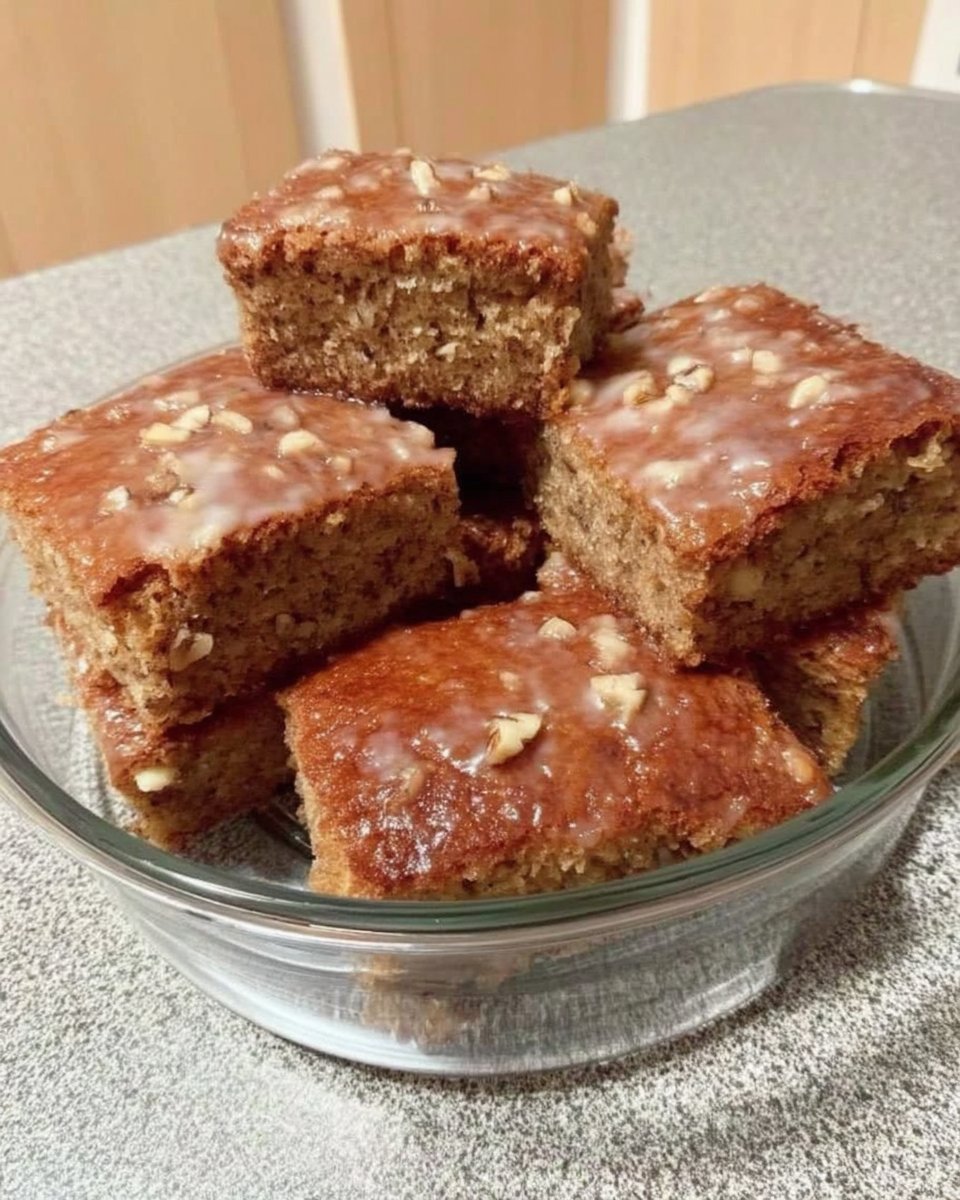
To achieve the correct specific gravity in your batter, the condition of your ingredients is non-negotiable.
- Bananas: You need exactly 345g of mashed fruit. The skins should be heavily spotted or nearly black, indicating that the starches have fully converted to simple sugars for maximum flavor and moisture.
- All-Purpose Flour: This provides the structural protein. Spoon and level your measurement to avoid packing, which leads to a dry cake.
- Unsalted Butter: Must be softened to exactly room temperature (around 65°F/18°C). If it is too warm/oily, it won’t hold the air bubbles during creaming; too cold, and it won’t emulsify.
- Buttermilk: This acid is crucial for tenderness. If you lack buttermilk, you can acidify whole milk with lemon juice, though the viscosity of real buttermilk supports the batter’s suspension better.
- Sugars: A blend of granulated (for crisp edges) and brown sugar (for moisture retention) creates the ideal textural contrast.
- Cream Cheese: Full-fat brick style is mandatory for the frosting. Tub varieties contain too much air and water, leading to a runny emulsion.
Methodical Mixing for Maximum Loft
Step 1: Temperature and Equipment Prep
Preheat your oven to 350°F (177°C). Precision in heating ensures the leavening agents react immediately upon entering the oven. Grease a 9×13-inch pan thoroughly. Mash your bananas until smooth; I prefer using the mixer for this to break down fibers effectively, then set them aside.
Step 2: Dry Ingredient Aeration
Whisk the flour, baking powder, baking soda, cinnamon, and salt together in a separate bowl. This step is not just about mixing; it distributes the leavening agents evenly so the cake rises uniformly without large air pockets or dense spots.
Step 3: The Creaming Phase
Using a paddle attachment, beat the softened butter on high speed for 1 minute until creamy. Add both sugars and beat on high speed for exactly 2 minutes. This mechanical action drives air into the fat, creating a foam that forms the cake’s structure. Scrape the bowl down—unmixed butter streaks will cause structural failure.
Step 4: Emulsification
Add the eggs and vanilla to the butter-sugar mixture. Beat on medium-high until fully combined. Then, mix in the mashed bananas. The mixture may look curdled; this is normal as the water content of the fruit fights the fat, but the flour will stabilize it shortly.
Step 5: Alternating Incorporation
With the mixer on low speed, add the dry ingredients in three parts and the buttermilk in two parts, beginning and ending with dry (Dry-Wet-Dry-Wet-Dry). Mix just until the flour disappears. Overworking the batter at this stage develops excess gluten, transforming a tender cake into a rubbery loaf. The batter should be thick and slightly lumpy.
Step 6: Baking and Cooling
Spread the batter into the prepared pan. Bake for 45–50 minutes. Test for doneness by inserting a toothpick in the center; it should come out clean. If the top browns too fast (Maillard reaction occurring too quickly), tent loosely with foil. Cool completely on a wire rack to allow the starch structure to set before frosting.
Step 7: The Frosting Emulsion
Beat the cream cheese and butter together until perfectly smooth. Gradually add confectioners’ sugar, vanilla, and salt. Beat on high for 2 minutes to aerate the mixture. Spread over the completely cooled cake and refrigerate for 30 minutes to set the fat structure for clean slicing.
Technique for Textural Perfection
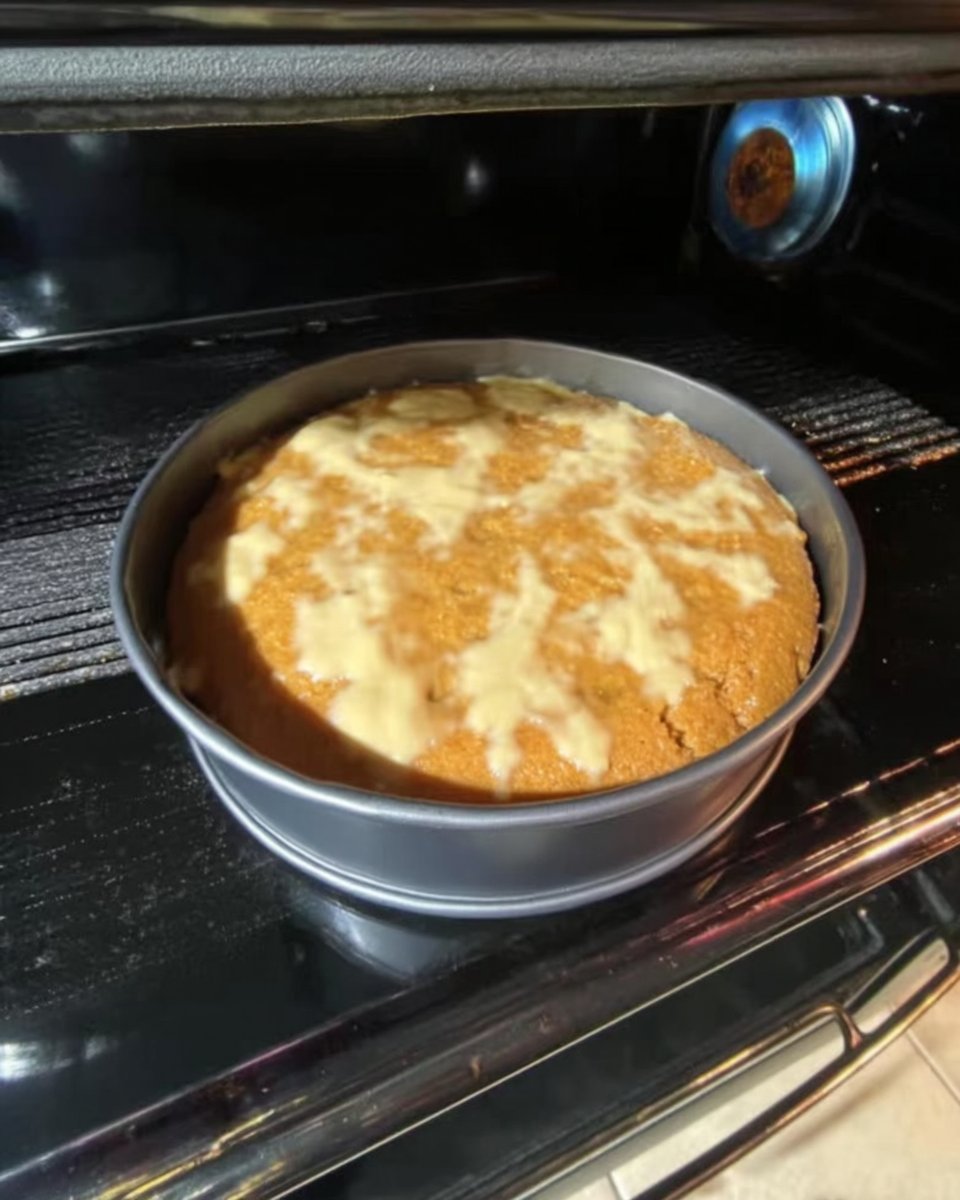
- Weigh Your Fruit: Bananas vary wildly in size. For consistent hydration, use a scale to get exactly 345g. Too much fruit creates a gummy layer at the bottom of the pan; too little results in a dry crumb.
- The Cooling Period: Never frost a warm cake. The residual heat will melt the butter in your frosting, breaking the emulsion and causing it to slide off. If you are accustomed to the density of a traditional fruit cake, you know that resting time also allows flavors to meld.
- Room Temperature Ingredients: Cold eggs mixed into room temperature butter will shock the fat, causing it to seize and curdle. This breaks your emulsion and results in an uneven bake. Take eggs and buttermilk out 1 hour before baking.
- Ripening Hack: If your bananas are yellow, roast them in their skins at 300°F for 15-20 minutes until black to simulate the enzymatic ripening process quickly.
Calculated Adjustments
- Texture Contrast: Fold in 1/2 cup of toasted walnuts or pecans with the last addition of flour. The tannins in the nuts cut the sweetness, and the crunch contrasts with the soft crumb.
- Spiced Variation: Increase the cinnamon to 1 teaspoon and add 1/4 teaspoon of cardamom for a more aromatic, floral profile that mimics chai.
- Hydration Adjustments: Some bakers, like those at Sally’s Baking Addiction, may favor different fat ratios. If you prefer a lighter, less rich crumb, you can substitute half the butter for a neutral oil, though you will lose some of the mechanical aeration provided by the creaming method.
- Tropical Fusion: For a different moisture profile, consider the principles used in our succulent fruit fusion, and swap the buttermilk for coconut milk with a teaspoon of vinegar added.
Plating and Presentation
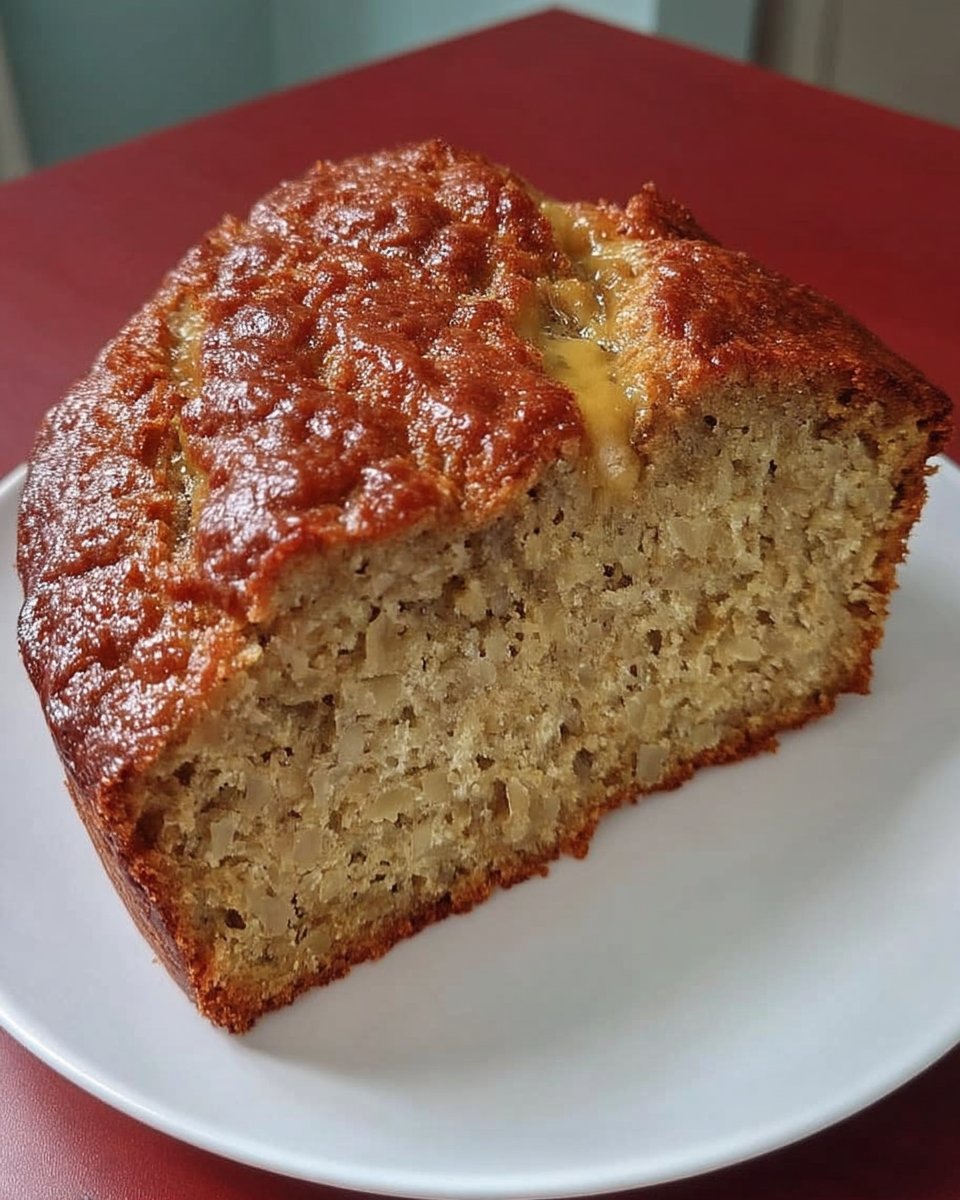
Because this cake contains butter, it firms up significantly when chilled. For the best mouthfeel, remove the cake from the refrigerator 20–30 minutes before serving to allow the butter in the crumb and frosting to soften. This restores the delicate, melt-in-your-mouth quality we worked so hard to achieve.
Use a sharp, hot knife (dipped in hot water and wiped dry) to slice the cake. This ensures clean lines through the frosting and crumb, preserving the visual structure. This technique is similar to how we treat the delicate crumb of our raspberry white chocolate cake to maintain layer integrity.
Mastering the Banoffee Balance
This recipe is a study in balance—between acid and sugar, structure and tenderness. By respecting the temperature of your ingredients and the timing of your mix, you achieve a banana cake that is technically superior to standard quick breads. It offers the density required to hold a rich frosting while maintaining a lightness that invites a second slice.
Once you have mastered this density, you might be ready to attempt the lighter aeration techniques found in our lemon rainbow cake. Precision yields results. Happy baking.
Share your structural triumphs with us on Pinterest and Instagram.