In the pastry kitchens of London, we learned that a Schwarzwälder Kirschtorte isn’t merely about chocolate and cherries; it represents the critical tension between a crumb’s structure and the filling’s moisture. This recipe masters that balance, using a coffee-infused batter to deepen the cocoa profile while ensuring the sponge remains porous enough to absorb the cherry liqueur without collapsing.

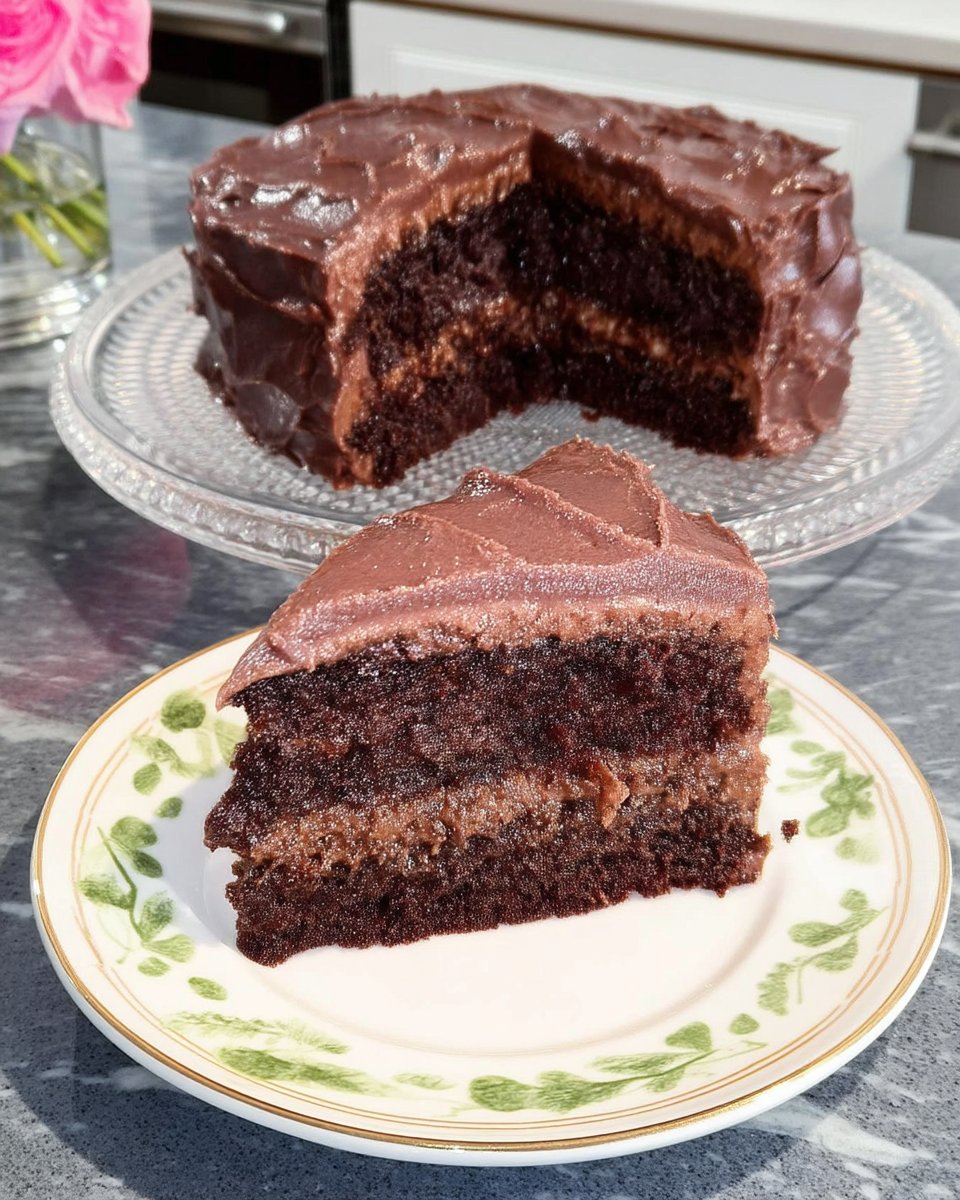
This specific iteration relies on a homemade buttermilk substitute to tenderize the gluten strands, creating a velvety crumb that defies the usual dryness of sponge cakes. We pair this robust chocolate foundation with a macerated cherry filling, allowing the liqueur to permeate the layers for a textural experience that is both structurally sound and meltingly soft.
Precision in Every Crumb
Structural Integrity: The decision to use oil rather than butter creates a tighter crumb that holds moisture significantly longer. This is essential for a cake designed to be in contact with high-moisture fruit fillings, preventing the dreaded dry mouthfeel.
Flavor Depth: Blooming the cocoa with hot coffee releases the volatile oils, intensifying the chocolate notes without introducing bitterness. This chemical reaction is the difference between flat sweetness and complex flavor.
Textural Contrast: The crisp exterior of the baked sponge protects the tender interior. Once the cherry liqueur is introduced, the crumb softens in a controlled manner, offering a bite that is distinct yet cohesive.
Print
Black Forest Cake
- Total Time: 50 mins
- Yield: 12 servings
Description
This sophisticated Black Forest Cake combines a moisture-rich cocoa sponge with a boozy cherry filling. By using a coffee-bloomed chocolate base and a precise maceration technique, this dessert achieves a professional-grade balance of deep flavors and velvety textures.
Ingredients
- 2 cups all-purpose flour
- 2 cups granulated sugar
- 3/4 cup unsweetened cocoa powder
- 2 teaspoons baking soda
- 1 teaspoon baking powder
- 1 teaspoon salt
- 2 large eggs
- 1/2 cup vegetable oil
- 1 cup cold strong brewed coffee
- 2 teaspoons vanilla extract
- 1 cup milk
- 1 tablespoon vinegar
- 21 ounces cherry pie filling
- 1/4 cup cherry liqueur (Kirschwasser)
Instructions
- Preheat oven to 350°F (175°C) and grease and flour two 8-inch cake pans, ideally lining the bottoms with parchment paper.
- Combine the milk and vinegar in a small bowl and let sit for 5 minutes to create sour milk.
- Sift the flour, sugar, cocoa powder, baking soda, baking powder, and salt into a large mixing bowl to ensure aeration.
- In a separate vessel, whisk together the eggs, oil, cold coffee, vanilla, and the prepared sour milk until the mixture is a homogenous emulsion.
- Gradually add the dry ingredients to the wet mixture, beating only until the flour streaks disappear to avoid over-mixing.
- Divide the batter evenly between the prepared pans and bake for 30 minutes, or until a toothpick inserted into the center comes out clean.
- Allow the cake layers to cool completely on a wire rack before attempting to assemble.
- Stir the cherry liqueur into the cherry pie filling and refrigerate until chilled, then spread between the cake layers for assembly.
Notes
To achieve the best results, ensure the brewed coffee is completely cold before mixing with the eggs to prevent premature coagulation. Brushing the cut sides of the cooled sponge with a little extra cherry liqueur before adding the filling will enhance the moisture and traditional flavor profile of the cake.
- Prep Time: 20 mins
- Cook Time: 30 mins
- Category: Dessert
- Method: Baking
- Cuisine: German-inspired
The Chemistry of Components
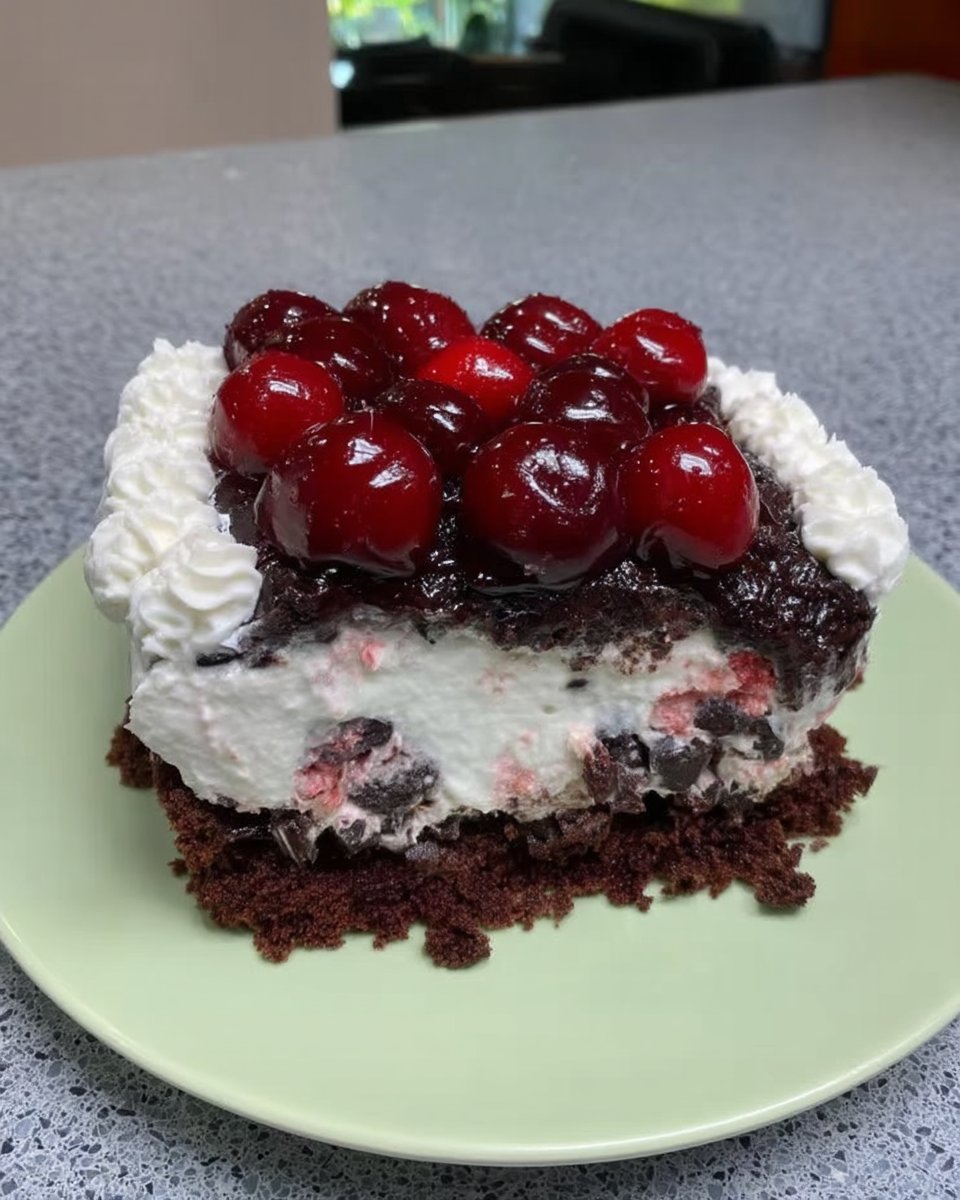
- All-Purpose Flour: We need the specific protein content here to build a scaffold that can support the heavy cherry filling without becoming tough.
- Strong Brewed Coffee: This isn’t just for flavor; the acidity helps tenderize the gluten, and the heat (if added warm) blooms the cocoa.
- Sour Milk (Milk + Vinegar): A quick buttermilk substitute. The acid reacts with the baking soda (sodium bicarbonate) to create carbon dioxide, giving us that essential lift and aeration.
- Cherry Liqueur: Traditional Kirschwasser cuts through the sugar and fat, cleansing the palate between bites. Its volatility allows the aroma to penetrate the cake layers.
- Unsweetened Cocoa Powder: Used for pure structure and flavor. Using unsweetened allows us to control the sugar content precisely.
- Cherry Pie Filling: A stabilized fruit component that provides consistent texture, unlike fresh cherries which can release unpredictable amounts of water.
Methodical Assembly
Step 1: Temperature and Chemical Setup
Preheat your oven to 350°F (175°C). Precision in temperature is non-negotiable for even rising. Grease and flour two 8-inch cake pans; I prefer using a parchment circle at the base to guarantee a clean release. Create your sour milk by combining the milk and vinegar, letting it sit for 5 minutes until it curdles—this acid is our leavening trigger.
Step 2: Sifting for Aeration
Sift the flour, sugar, cocoa powder, baking soda, baking powder, and salt into a bowl. Sifting does not just mix; it aerates the dry ingredients, preventing dense clumps that ruin the final mouthfeel. Set this mixture aside.
Step 3: The Emulsion
In a large vessel, whisk the eggs, oil, cold coffee, and vanilla. Introduce the sour milk. This liquid phase must be homogenous before meeting the dry ingredients to ensure the fat is evenly distributed throughout the batter.
Step 4: Controlled Mixing
Gradually introduce the flour mixture to the wet ingredients. Beat only until incorporated. Over-mixing develops gluten, turning a tender cake into a chewy bread. Stop the moment the flour streaks disappear to preserve tenderness.
Step 5: Baking for Structure
Pour the batter into the prepared pans. Bake for 30 minutes. Trust the tactile test: a toothpick inserted into the center should come out clean, and the cake should spring back slightly when pressed. Allow the layers to cool completely on a rack; filling a warm cake leads to structural failure.
Step 6: Maceration and Assembly
Combine the cherry pie filling with the cherry liqueur. Refrigerate this mixture until chilled. The cold temperature creates a viscosity difference against the room-temperature cake. Once chilled, fill between the cake layers.
Engineering the Perfect Crumb
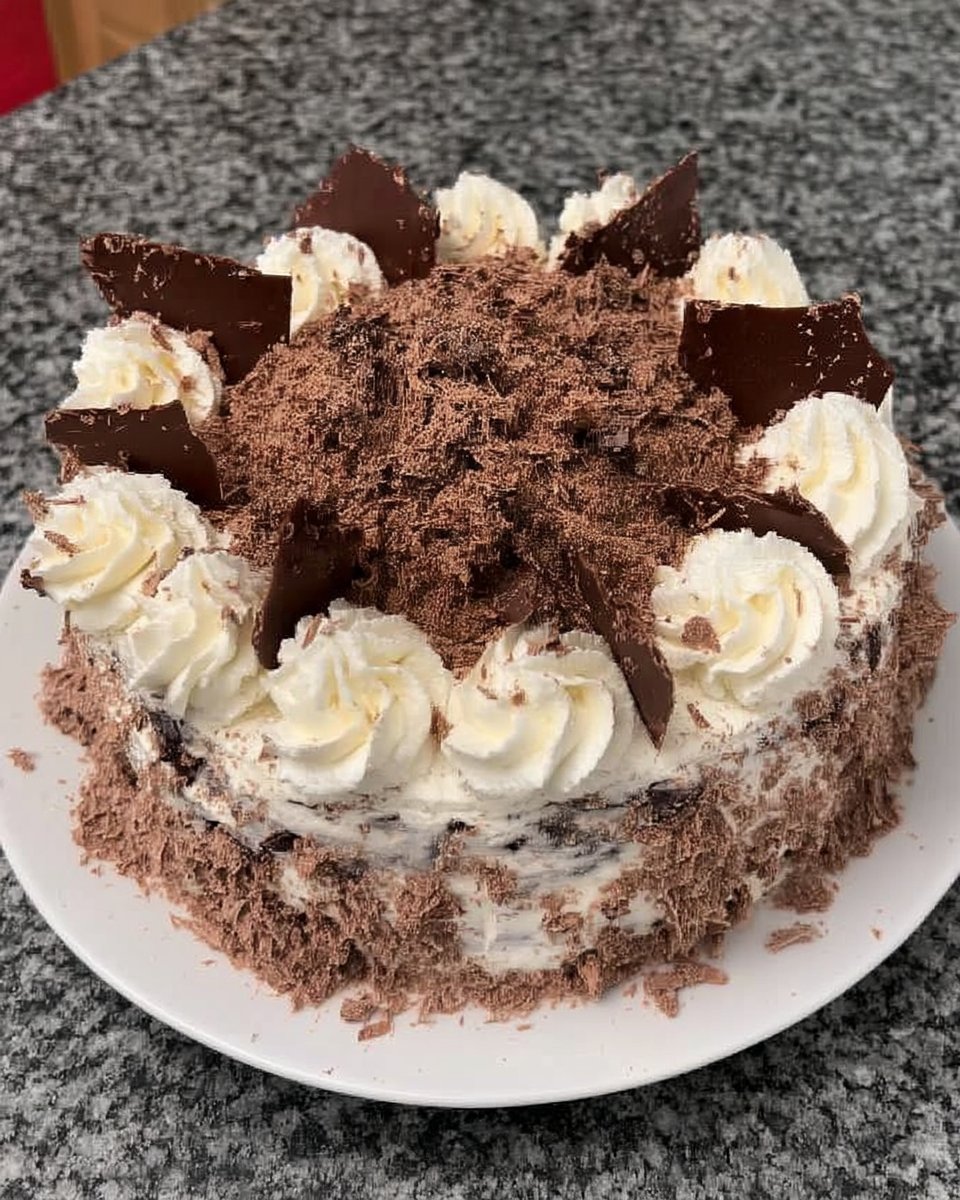
Temperature Matters
Ensure your coffee is cold before mixing with eggs to avoid coagulation. However, if you want to bloom the cocoa specifically, you can mix hot coffee with the cocoa powder first, let it cool, and then proceed. For this specific one-bowl method, follow the temperature cues precisely to maintain the emulsion.
The Soak
For a true professional finish, brush the cut sides of the cake layers with extra liqueur before adding the filling. This mimics the traditional soaking method used in patisserie to keep the crumb moist for days. If you enjoy experimenting with cocoa science, visit our cocoa-dream-lab for more detailed studies on chocolate interaction.
Storage for Texture
This cake’s texture actually improves after resting for 4 hours. This allows the moisture from the cherries and liqueur to redistribute through the crumb, softening the starch retrogradation that occurs after baking.
Technical Adjustments
Alcohol-Free Structure
Substitute the liqueur with cherry juice or a reduced cherry syrup. Note that sugar increases viscosity, so you may need to reduce the liquid volume slightly to maintain stability.
Cream Integration
While this recipe focuses on the cherry filling, stabilizing whipped cream with a teaspoon of gelatin (bloomed) creates a classic barrier against moisture migration if you choose to frost the exterior. You can see similar structural considerations in our fruit-cake.
Alternate Fillings
For a different perspective on assembly and filling ratios, you might observe the techniques used by Liv for Cake, though our method prioritizes the oil-based crumb for longevity.
Presentation and Textural Balance
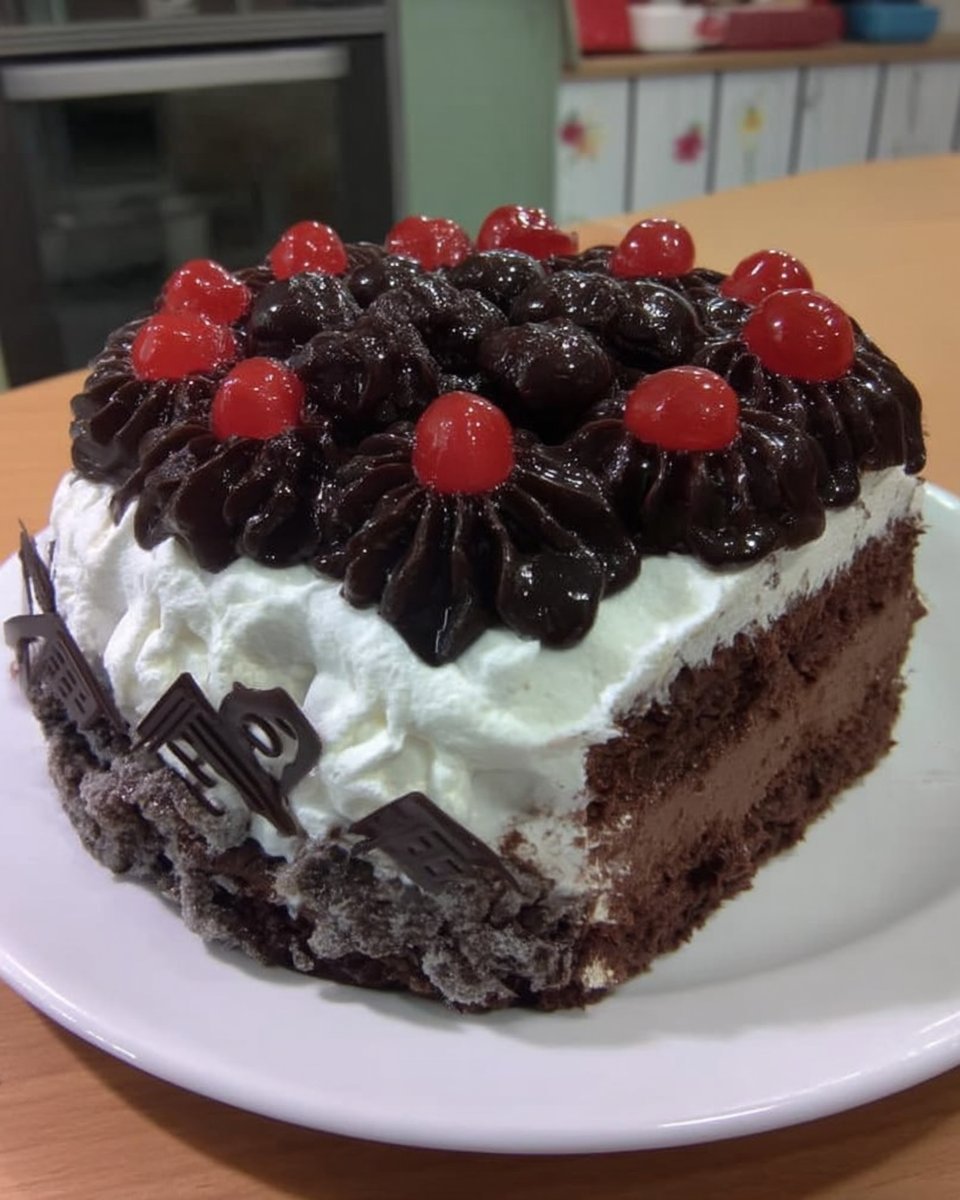
Temperature Control
Serve this cake slightly chilled to keep the filling set, but allow it to sit for 15 minutes before eating. This tempering period allows the fats in the cake to soften, ensuring optimal mouthfeel rather than a waxy texture.
Accompaniments
A dollop of unsweetened whipped cream provides a lipid balance to the acidic cherries. For those who appreciate contrasting textures, compare the crumb density here with our raspberry-white-chocolate-cake to understand how white chocolate affects aeration differently than cocoa powder.
Mastering the Melt
This Black Forest Cake is a study in contrasts—deep bitter cocoa against bright acidic cherries, and sturdy crumb against yielding filling. Precision in measuring your leavening agents guarantees the lift required to hold it all together. Once you have mastered this balance, you might wish to revisit the basics with our old-fashioned-chocolate-cake.
Share your structural triumphs with us on Pinterest, Facebook, or Instagram.