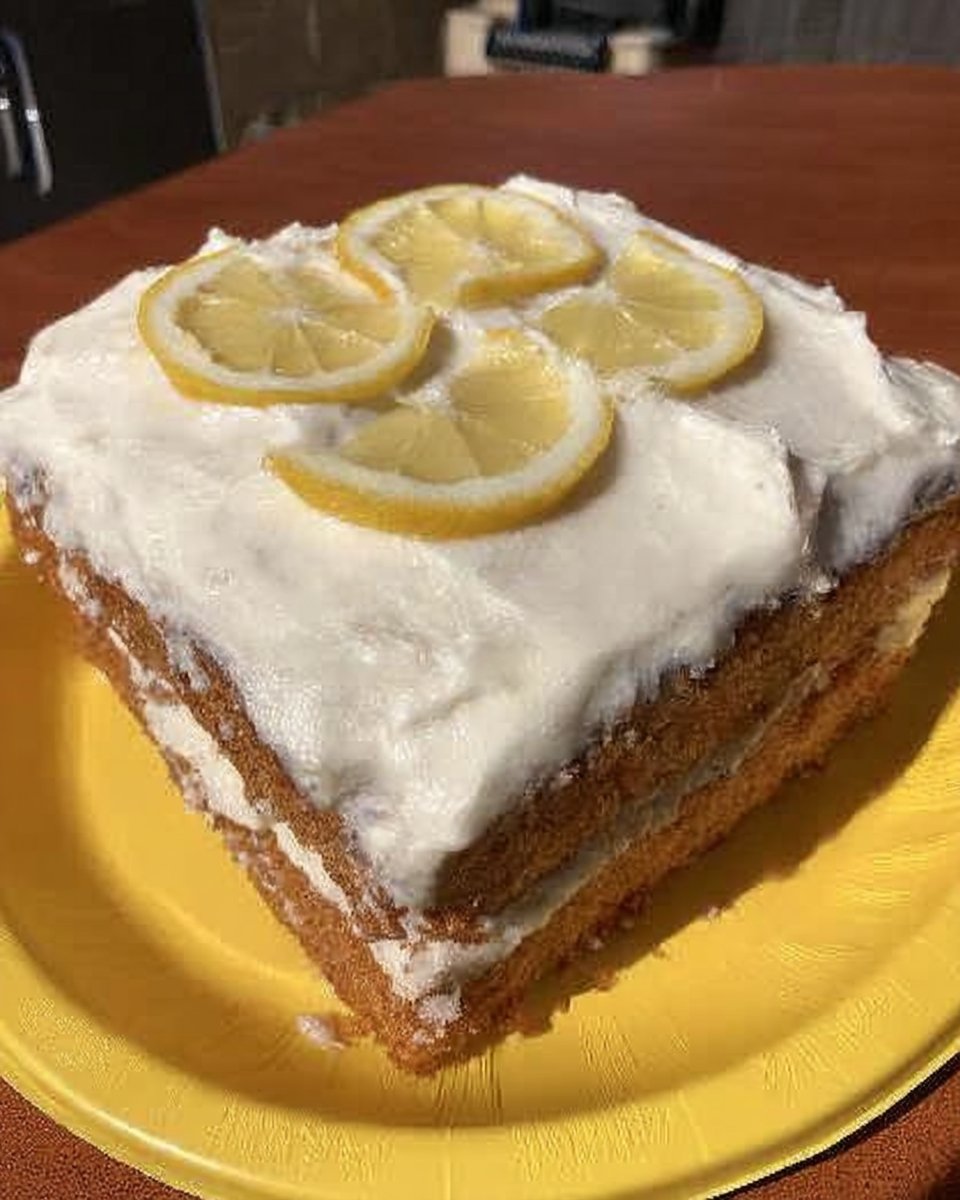
My early training in a London patisserie taught me that chocolate is a temperamental structural element that requires absolute respect. We were taught to balance the fat content of the butter against the protein in the flour to achieve a crumb that yields to the tooth without crumbling into dust. This Brownie Cake represents that specific pursuit of technical perfection where the interior remains in a state of perpetual softness.

This recipe bridges the gap between the fudge-like density of a traditional bar and the stable height of a classic cake. By monitoring your oven temperature and mixing speed with precision, you create a dessert that is as beautiful to slice as it is satisfying to experience on the palate. It is a study in moisture control and thermal timing that yields a superior result every single time.
The Architecture of a Perfect Melt
You will find that this Brownie Cake is not merely a sweet treat, but a masterclass in textural engineering. The low flour content—just 60 grams (1/2 cup)—prevents excessive gluten development, which would otherwise lead to a tough, bread-like consistency. Instead, we rely on a high ratio of chocolate and butter to create a structure that is solid at room temperature but begins to melt the moment it encounters the warmth of your tongue. This is what we call the ‘fondant’ stage in professional pastry circles.
Technically, the balance of three large eggs at room temperature provides the necessary leavening and protein structure to hold the cocoa solids in suspension. Without the heavy use of chemical leaveners like baking powder, the cake remains dense and rich, avoiding the airy ‘cakiness’ that often plagues home-baked brownies. The result is a sophisticated dessert with a sophisticated mouthfeel that commands attention. It is a victory of technique over simple sugar, proving that how you handle your ingredients is just as important as the ingredients themselves.
Furthermore, the inclusion of both melted chocolate and chocolate chips creates a multi-layered sensory experience. The melted chocolate provides a uniform, velvety base, while the chips offer concentrated pockets of cocoa intensity. This contrast is the hallmark of a professional-grade dessert. When you master the 15-minute bake time, you achieve a thin, crackling parchment-like crust on top that shatters perfectly when sliced. It is a stunning visual and tactile contrast to the dark, moist interior that awaits underneath.
Print
Brownie Cake
- Total Time: 30 mins
- Yield: 12 servings
- Diet: Vegetarian
Description
This elegant Brownie Cake delivers a sophisticated balance between a fudgy chocolate bar and a traditional crumb. By meticulously managing the ratios of high-quality dark chocolate and butter, it achieves a luxurious, fondant-like interior with a delicate, crackling crust.
Ingredients
- 150g (2/3 cup) unsalted butter (min. 82% fat)
- 140g (3/4 cup minus 1 tbsp) granulated sugar
- 3 large eggs, room temperature
- 60g (1/2 cup) all-purpose flour
- 250g (8.8 oz) dark chocolate (at least 60% cocoa solids)
- 200g (1.2 cups) semi-sweet chocolate chips, divided
- 1 teaspoon vanilla extract
- 1 pinch sea salt
Instructions
- Preheat your oven to 180°C (350°F) and line a 20x30cm (8×12 inch) rectangular baking tin with parchment paper, leaving an overhang on the sides.
- Melt the butter and the 250g of dark chocolate together until smooth, then whisk in the granulated sugar and allow the mixture to cool until it is barely warm to the touch.
- Add the vanilla extract and whisk in the eggs one at a time, beating the mixture thoroughly after each addition until it becomes glossy and smooth.
- Sift the flour and the sea salt into the batter and use a silicone spatula to gently fold the ingredients together just until no white streaks remain.
- Fold in 150g of the chocolate chips using a gentle “cut and turn” motion to maintain the batter’s delicate structure.
- Transfer the batter into the prepared tin, smoothing it into the corners, and scatter the remaining 50g of chocolate chips evenly across the surface.
- Bake for exactly 15 minutes for a soft fondant texture with a slight wobble in the center, or up to 25 minutes for a firmer, more cake-like consistency.
Notes
For the most professional results, use a digital scale for measurements and bake in a metal pan to ensure efficient heat conduction. Allow the cake to cool to room temperature and then chill in the refrigerator for two hours before slicing with a hot, clean knife to achieve perfectly sharp edges and a dense mouthfeel.
- Prep Time: 15 mins
- Cook Time: 15 mins
- Category: Dessert
- Method: Baking
- Cuisine: French-inspired
The Technical Foundation of Cocoa
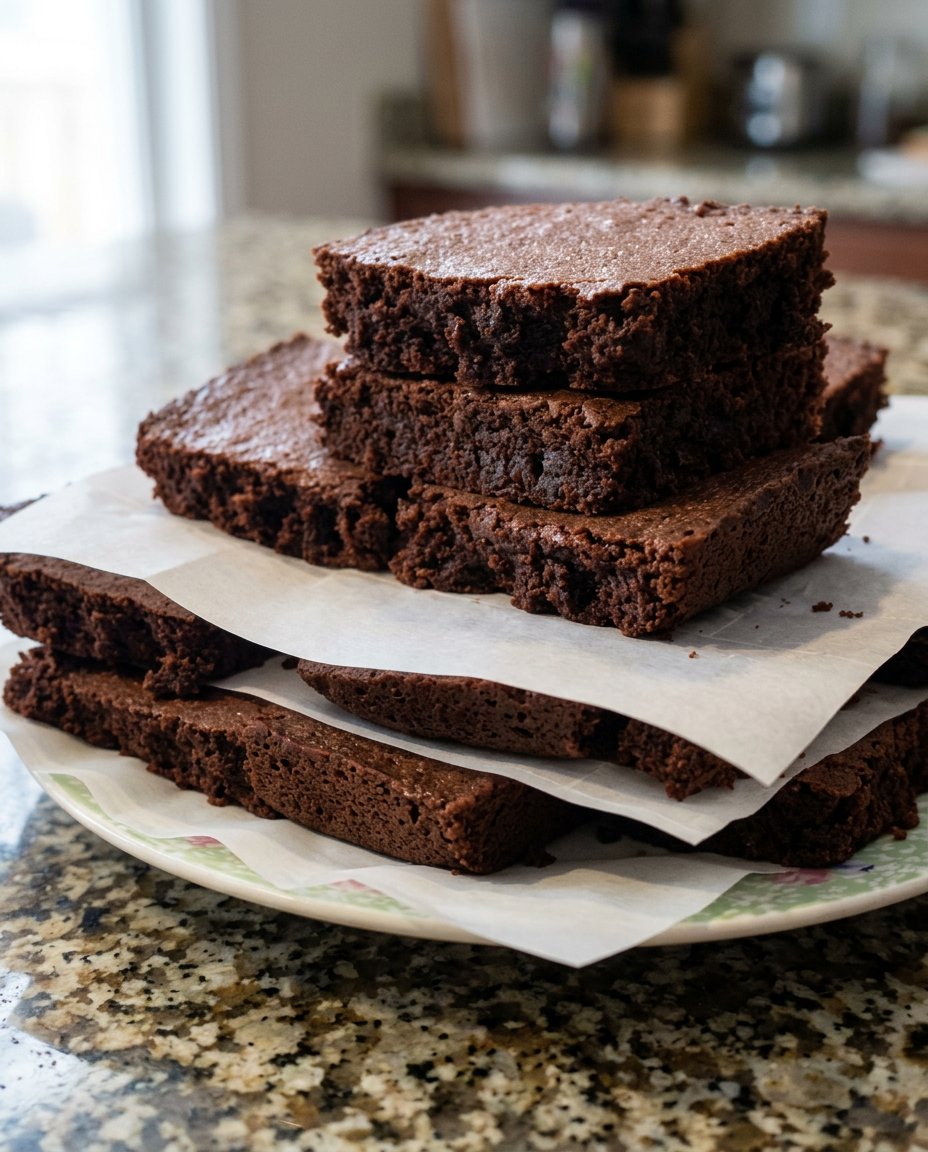
Precision begins with the quality of your raw materials, and in this recipe, the fat and protein ratios are paramount. Each component serves a specific structural purpose that contributes to the final integrity of the cake.
- Unsalted Butter (150g / 2/3 cup): I recommend a butter with at least 82% fat content. This provides the lubrication needed for the flour particles and contributes to the ‘melt’ factor. It must be melted and cooled to prevent cooking the eggs prematurely.
- Granulated Sugar (140g / 3/4 cup minus 1 tbsp): Beyond sweetness, sugar is a liquefier. As it melts in the oven, it interferes with gluten formation, keeping the crumb tender. It also aids in creating that coveted shiny top.
- Large Eggs (3 units): Use eggs at room temperature (around 21°C or 70°F). Cold eggs will seize the melted butter and chocolate, ruining the emulsion you worked so hard to build.
- All-Purpose Flour (60g / 1/2 cup): We use a minimal amount of flour to provide just enough starch to hold the cake together. Sift this to remove any lumps that would require over-mixing to dissolve.
- Dark Chocolate (250g / 8.8 oz): This is the backbone of the cake. Use a high-quality chocolate with at least 60% cocoa solids for the best structural results.
- Chocolate Chips (200g / 1.2 cups): These should be added at the very end. They act as ‘textural anchors’ within the soft batter.
- Vanilla Extract and Sea Salt: Vanilla provides aromatic depth, while a pinch of salt is necessary to sharpen the chocolate’s profile and balance the sucrose levels.
The Methodical Approach to Baking
Step 1: Thermal Calibration and Pan Prep
Begin by preheating your oven to 180°C (350°F). Precision in temperature is non-negotiable for the Maillard reaction and the proper setting of the chocolate. Line a rectangular baking tin (ideally 20x30cm or 8×12 inches) with parchment paper. Leave an overhang on the sides; this allows you to lift the cake out without disturbing the delicate crust once it has cooled.
Step 2: Creating the Fat-Sugar Emulsion
Melt the butter and the 250g of dark chocolate together using a bain-marie or short bursts in the microwave. Once smooth, whisk in the sugar. It is vital to let this mixture cool back toward room temperature. If the base is too hot, it will denature the egg proteins instantly, leading to a rubbery texture rather than a fudgy one. The mixture should feel barely warm to the touch.
Step 3: Incorporating the Aeration
Add the vanilla and then the eggs one at a time. Use a manual whisk to beat the mixture thoroughly after each addition. This step is where you develop the meringue-like top; the agitation of the egg whites and sugar creates a thin foam that rises to the surface during baking. You are looking for a glossy, smooth finish that looks like polished mahogany.
Step 4: The Sifting and Gentle Folding
In a separate bowl, sift your 60g of flour with the pinch of salt. This is a critical technical step to avoid ‘flour pockets’. Gently fold the flour into the chocolate mixture using a silicone spatula. Stop the moment no white streaks remain. Do not beat or whisk at this stage; over-working the batter will develop gluten and turn your fudgy masterpiece into a tough bread.
Step 5: Final Textural Additions
Fold in three-quarters of your chocolate chips (150g). The folding motion should be a ‘cut and turn’—slice through the center of the batter and lift from the bottom. This preserves the air you have carefully incorporated and distributes the chips evenly without deflating the mass.
Step 6: The Pour and Final Garnish
Transfer the batter into your prepared tin, smoothing it into the corners with your spatula. Scatter the remaining 50g of chocolate chips across the surface. This ensures that the top layer has a varied topography of melted and semi-firm chocolate, adding to the visual appeal and textural complexity of the finished Brownie Cake.
Step 7: The Critical Bake Time
Bake for exactly 15 minutes if you desire the classic ‘fondant’ texture. At this point, the edges should be set, but the center will still have a slight wobble. The top crust should be intact and thin. If you prefer a firmer, more cake-like structure, you may extend the baking time by an additional 10 minutes, but be aware that the carry-over cooking will continue to firm the center once removed from the heat.
Precision Secrets for the Master Baker
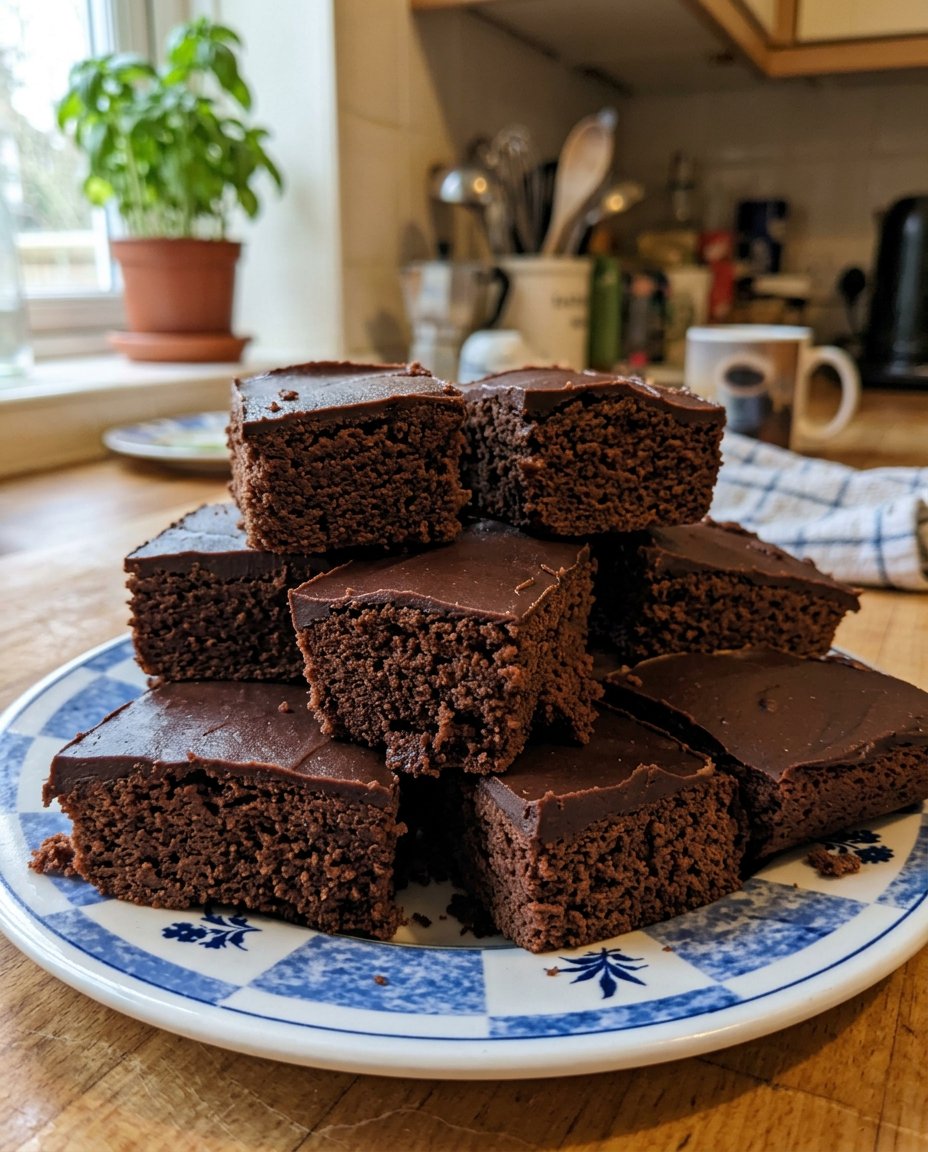
To achieve the perfect structural set, I recommend chilling the Brownie Cake in the refrigerator for at least two hours after it has reached room temperature. This allows the cocoa butter to re-crystallize, which creates a much cleaner slice and a denser mouthfeel. If you try to cut it while warm, the interior may run, losing the defined layers of the crumb. For those looking to master the chemistry of chocolate even further, our cocoa dream lab offers deep insights into how different cocoa percentages affect the final bake. Another secret is to use a metal baking pan rather than glass; metal conducts heat more efficiently, providing the sharp temperature spike needed to set the crust before the center overcooks. Always use a digital scale for your measurements, as even a 10-gram variance in flour can significantly alter the balance of structure and melt. For a truly professional finish, try the brownie fondant guide to see how moisture levels are maintained in high-end French patisseries.
Structural Variations and Flavor Tweaks
You can modify the technical profile of this cake by adjusting the inclusions without compromising the base structure. For a sharp acidity that cuts through the richness, consider adding freeze-dried raspberries to the batter. This addition provides a bright contrast to the dark chocolate, similar to the flavor profile found in our raspberry white chocolate cake. Another excellent variation is the inclusion of toasted walnuts or pecans; the tannins in the nuts provide a savory counterpoint to the sugar. If you prefer a more complex sweetness, swap half of the white sugar for muscovado sugar. The molasses content in muscovado adds a moisture-retaining property that makes the center even more decadent. You might also experiment with a layer of salted caramel swirled through the center before baking, which adds a chewy element to the otherwise soft interior.
Presentation and Textural Balance
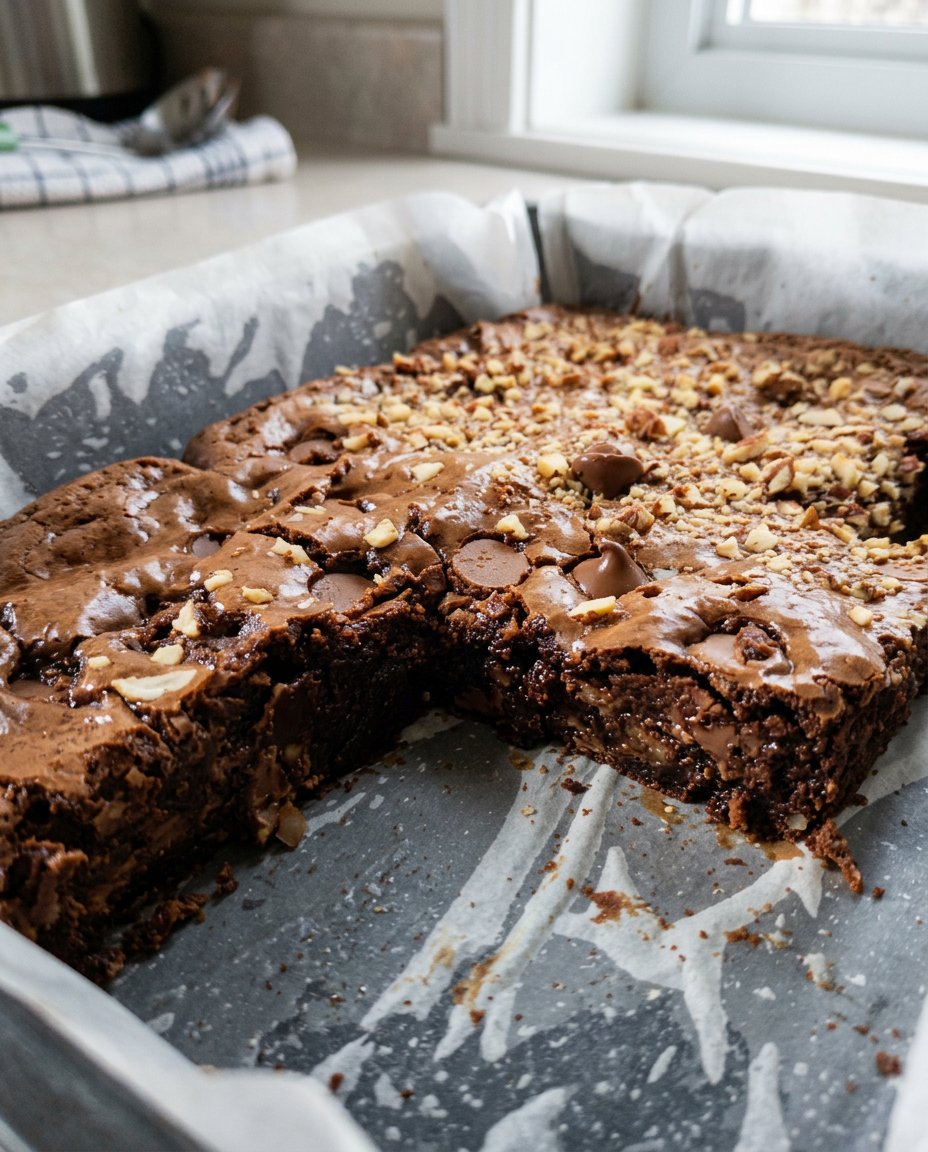
When serving this Brownie Cake, precision in slicing is key to maintaining its aesthetic integrity. Use a long, sharp knife dipped in hot water and wiped dry between every single cut. This prevents the fudgy center from sticking to the blade and tearing the delicate top crust. I find that a small dollop of unsweetened crème fraîche or a pour of cold heavy cream provides the perfect acidic balance to the intense chocolate. For those who enjoy a more layered dessert experience, serving a slice alongside a salted caramel element, perhaps inspired by our snickers cake, creates a spectacular interplay of flavors. Always serve at room temperature to ensure the fats have softened sufficiently to melt on the palate.
The Technical Truth of the Perfect Crumb
Mastering the Brownie Cake is a proud victory for any home baker. It proves that by following a methodical process and respecting the science of ingredients, you can produce a result that rivals any professional patisserie. This recipe is a foundational skill that will serve you well as you explore more complex chocolate work, such as our old-fashioned chocolate cake. Remember that baking is a discipline of patience and precision; when you take the time to temper your ingredients and time your bake perfectly, the reward is a beautiful, texturally superior dessert. I invite you to share your results with our community of devoted bakers.
Connect with us for more technical tips on Instagram, Pinterest, and Facebook.