During my early years training in a traditional London patisserie, the butterfly cake was often the very first test of a baker’s ability to manage aeration. It is a lesson in how mechanical force transforms dense fat and sugar into a light, structural sponge that seems to defy gravity. We focus on the exact moment the batter reaches its maximum volume, creating a crumb that holds its shape while maintaining a delicate, melt-in-the-mouth quality.

This recipe utilizes the classic creaming method to build a robust foundation, which we then carefully manipulate to create the iconic ‘winged’ aesthetic. By mastering the balance between protein structure and fat distribution, you will produce a cake that is as technically sound as it is visually charming. The secret lies in the temperature of your fats and the gentle hand used during the final integration of the flour.
Structure Meets Texture
There is a profound beauty in a cake that achieves a perfect vertical rise without losing its internal moisture. These butterfly cakes are a triumph of chemistry; they rely on the friction of sugar crystals against butter to create microscopic air pockets. When these pockets expand in the heat of the oven, they create a sponge that is resilient enough to be sliced and filled, yet tender enough to dissolve on the palate.
Technical mastery is what transforms a simple cupcake into a professional-grade treat. We are not merely mixing ingredients; we are building an emulsion. The addition of eggs at specific intervals prevents the batter from splitting, which helps the crumb remain uniform and tight. This structural integrity is vital because it allows the ‘wings’ of the cake to sit proudly atop the buttercream without crumbling or sinking. You will find that this method produces a superior mouthfeel that mass-produced sponges simply cannot replicate.
Print
Butterfly Cake
- Total Time: 40 mins
- Yield: 12 cakes
- Diet: Vegetarian
Description
Master the art of the classic British butterfly cake with this technically-focused recipe. These light, airy sponges feature a delicate crumb and iconic ‘winged’ buttercream tops, perfect for afternoon tea or special celebrations.
Ingredients
- 175g Salted Butter, softened
- 175g Caster Sugar
- 3 Large Eggs, room temperature
- 175g Self-Raising Flour, sifted
- 1 tsp Vanilla Extract
- 4 tbsp Whole Milk, divided
- 125g Salted Butter (for buttercream)
- 250g Icing Sugar (for buttercream)
Instructions
- Preheat your oven to 180°C (350°F) and line a 12-hole muffin tin with high-quality paper cases.
- Cream 175g of softened butter and 175g of caster sugar in a stand mixer for 5 to 7 minutes until the mixture is pale and doubled in volume.
- Add the eggs one at a time, beating for 60 seconds after each addition, then stir in 2 tablespoons of milk on low speed.
- Sift the self-raising flour over the batter and gently fold it in by hand using a metal spoon and a figure-eight motion until just combined.
- Divide the batter evenly into the 12 cases using an ice cream scoop and bake for 18 to 22 minutes until golden and springy.
- Cool the cakes in the tin for 5 minutes before transferring them to a wire rack to cool completely.
- Prepare the buttercream by beating 125g of butter, 250g of icing sugar, and 2 tablespoons of milk for 5 minutes until light and stable.
- Using a small knife, cut a circle from the top of each cake, slice it in half, pipe buttercream into the cavity, and press the ‘wings’ into the frosting.
Notes
For the most stable buttercream, ensure your butter is soft but not greasy before beating. If the environment is warm, chill the finished cakes briefly to help the wings set firmly in the frosting. Always sift your icing sugar to prevent small lumps that can clog piping tips.
- Prep Time: 20 mins
- Cook Time: 20 mins
- Category: Dessert
- Method: Baking
- Cuisine: British
The Technical Foundation
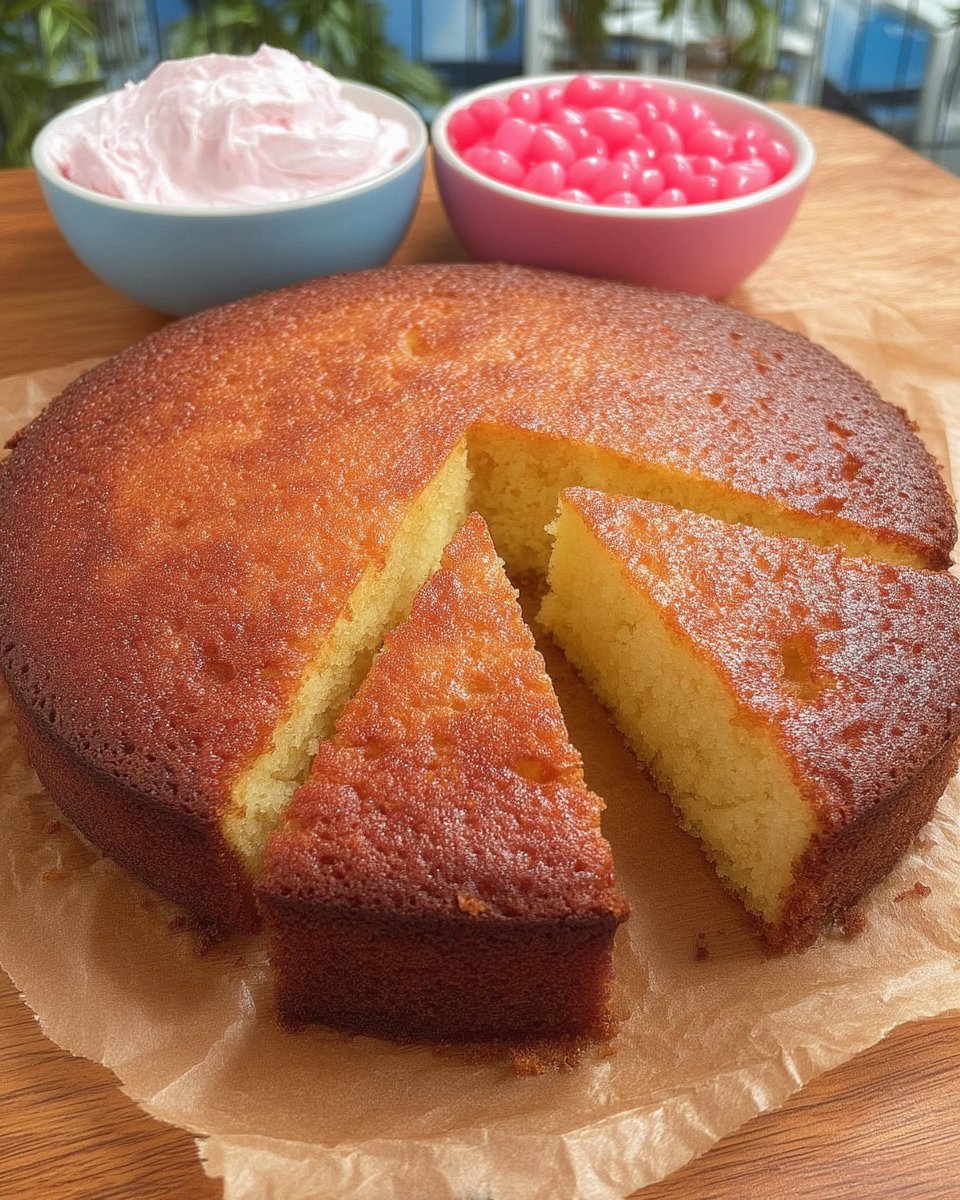
To achieve the specific texture required for a butterfly cake, each ingredient must be selected for its functional properties. We are looking for a specific balance of protein, fat, and leavening agents to create the ideal crumb.
- Salted Butter (300 g / 10.6 oz): We use butter with at least 82% fat content. The salt acts as a flavor stabilizer, while the fat provides the richness that coats the flour proteins, preventing excess gluten development. It must be at exactly 18-20°C (64-68°F) to cream effectively.
- Caster Sugar (175 g / 6.2 oz): Also known as superfine sugar, its smaller crystals create finer air pockets during the creaming stage than granulated sugar, leading to a tighter, more professional crumb structure.
- Large Eggs (3): Eggs provide the protein structure that sets the cake. At room temperature, they emulsify with the butter and sugar without shocking the fat, which would lead to a curdled batter.
- Self-Raising Flour (175 g / 6.2 oz): This flour contains a precise ratio of baking powder to soft wheat flour. The lower protein content (around 8-9%) is essential for a tender bite, while the pre-mixed leavening provides a reliable, uniform rise.
- Vanilla Extract (1 tsp): A high-quality extract adds depth. Avoid artificial flavorings which can leave a chemical aftertaste in such a delicate sponge.
- Whole Milk (4 tbsp): Milk adjusts the viscosity of the batter. Proper hydration is necessary to help the starch granules swell and gelatinize during the bake.
- Icing Sugar (250 g / 8.8 oz): Used for the buttercream and dusting, this sugar provides a smooth, grit-free finish that contrasts with the texture of the sponge.
The Method
Step 1: Thermal Calibration and Prep
Preheat your oven to 180°C (350°F). It is vital to use an oven thermometer to verify the internal temperature, as even a ten-degree variance can affect the rate of expansion and the final height of the sponge. Line a muffin tin with 12 high-quality paper cases. Using a muffin tin rather than a standard cupcake tray provides the vertical support needed for a superior rise.
Step 2: The Aeration Phase
Place 175g of the softened butter and 175g of caster sugar into a stand mixer bowl. Using the paddle attachment, cream the mixture on medium-high speed for 5 to 7 minutes. You are looking for a visual cue: the mixture should turn from a pale yellow to an almost white color and double in volume. This mechanical aeration is the most critical step for achieving a light texture.
Step 3: Emulsifying the Batter
Add the eggs one at a time, beating for at least 60 seconds after each addition. This allows the lecithin in the egg yolks to fully emulsify the fat and water components. If the mixture begins to look grainy, add a tablespoon of the measured flour to stabilize the emulsion. Once the eggs are fully integrated, stir in 2 tablespoons of the milk on a low speed to maintain the air bubbles.
Step 4: Delicate Flour Integration
Sift the self-raising flour over the wet ingredients and add the vanilla extract. Switch to a large metal spoon or a silicone spatula. Use a figure-eight motion to fold the flour in by hand. Do not use the electric mixer at this stage; we want to incorporate the flour just until no white streaks remain. Over-mixing will develop the gluten, resulting in a tough, bread-like texture rather than a delicate cake.
Step 5: Distribution and Baking
Divide the batter evenly among the 12 cases. A spring-loaded ice cream scoop is the best tool for this, as it ensures consistent weight, which leads to a uniform bake. Place the tin in the center of the preheated oven and bake for 18 to 22 minutes. The cakes are done when they have reached a golden hue and the surface springs back immediately when touched lightly with a fingertip.
Step 6: The Cooling Cycle
Remove the cakes from the oven and let them sit in the tin for 5 minutes. This allows the internal structure to set. Transfer them to a wire rack to cool completely. If you attempt to cut the cakes while they are still warm, the steam will cause the crumb to tear and clump, ruining the textural precision we have worked to achieve.
Step 7: Structural Buttercream Construction
While the cakes cool, prepare the topping. Beat the remaining 125g of butter until smooth, then gradually add the 250g of icing sugar and the remaining 2 tablespoons of milk. Beat on high speed for at least 5 minutes. This long beating time incorporates air, making the buttercream light and stable enough to support the sponge ‘wings.’
Jordan’s Precision Secrets
To achieve the ultimate butterfly cake, you must respect the science of the crumb. One of the most common errors is using cold eggs, which causes the creamed butter to seize. If you forget to take your eggs out of the fridge, place them in a bowl of warm water for ten minutes to reach the correct temperature. This simple step guarantees a smooth emulsion and a superior rise. If you are interested in how different fats affect cake stability, our guide on the car-cake provides a deeper look into structural baking. Additionally, verify that your baking powder hasn’t expired, as the chemical leavening in self-raising flour is the primary force behind that beautiful dome.
Technical Variations
Once you have mastered the basic sponge, you can experiment with flavor infusions while maintaining the same structural integrity. For a citrus-forward profile, add the zest of two lemons to the sugar before creaming; the sugar crystals will rub the oils out of the zest, intensifying the aroma. If you prefer a more colorful presentation, you might apply the techniques used in our lemon-rainbow-cake to create multi-colored sponges. You can also replace 25g of the flour with high-quality Dutch-processed cocoa powder to create a chocolate version, though you may need an extra tablespoon of milk to account for the cocoa’s absorption properties.
Presentation Precision
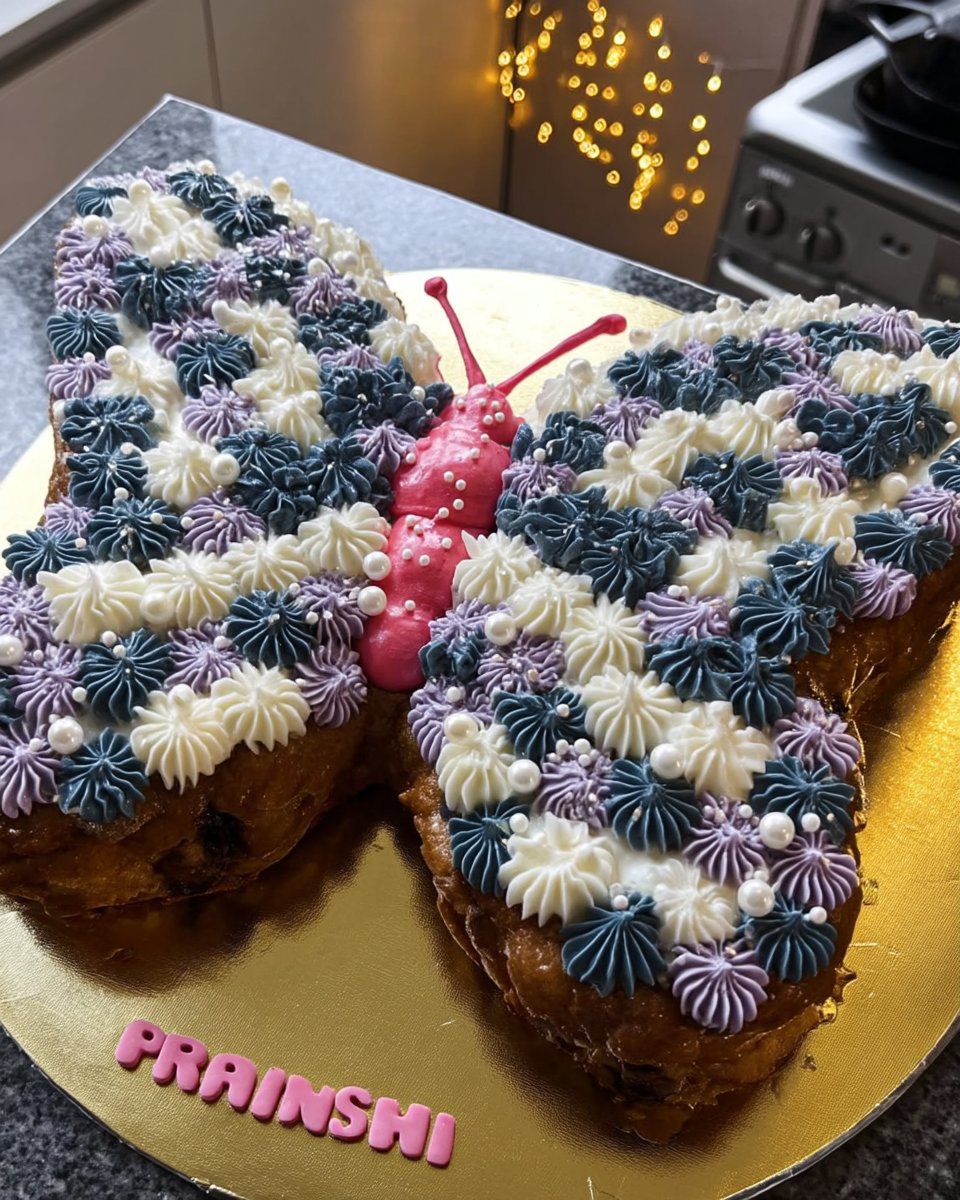
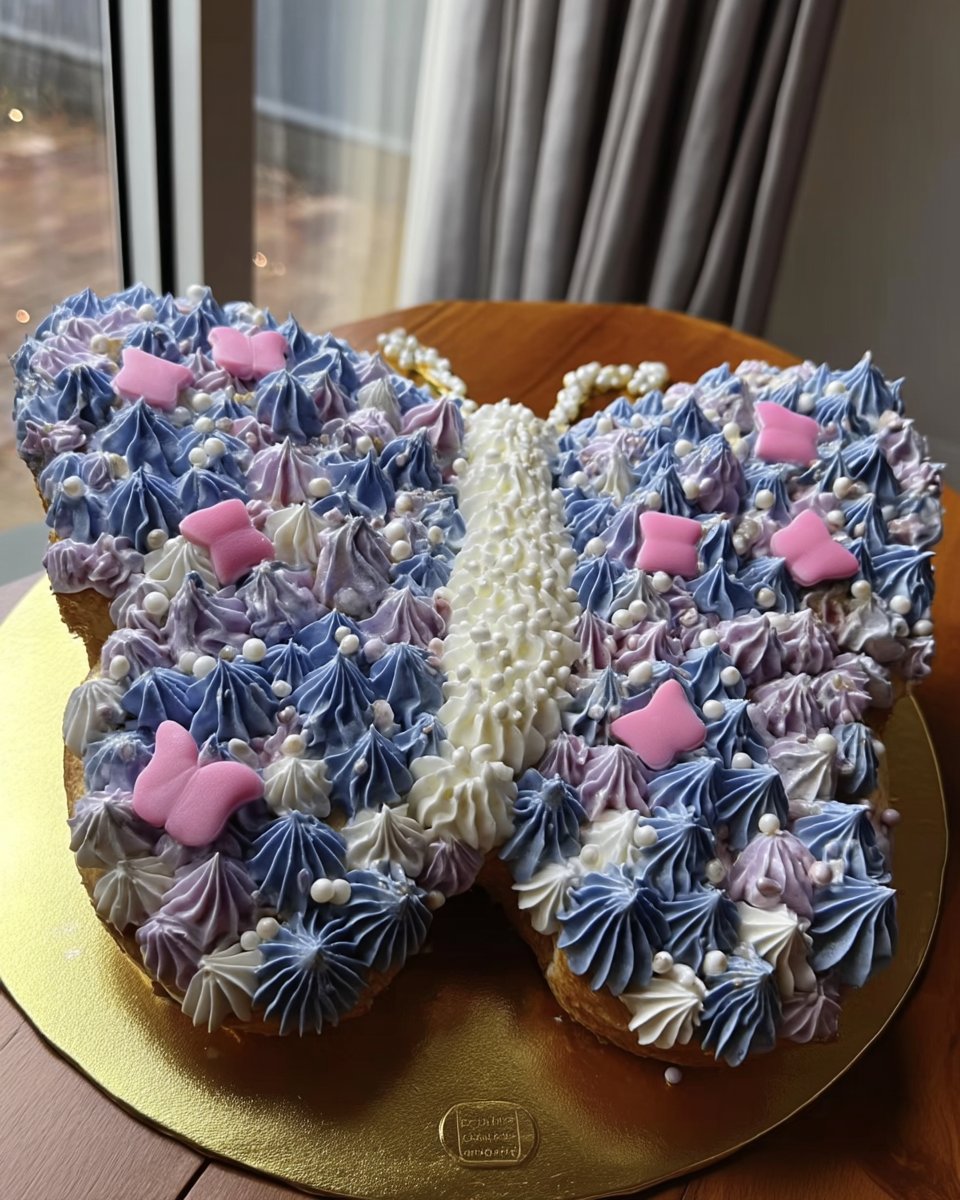
To serve, use a small serrated knife to cut a circle out of the top of each cooled cake, roughly 1 cm deep. Cut this circle in half to create your two wings. Pipe a generous dollop of buttercream into the cavity, then press the wings into the frosting at a 45-degree angle. This angle is crucial for the ‘butterfly’ effect; it should look like the wings are in mid-flight. For a professional finish, a light dusting of icing sugar through a fine-mesh sieve provides a beautiful contrast against the golden sponge. If you enjoy serving small, delicate treats, consider pairing these with our raspberry-white-chocolate-cake for a sophisticated dessert spread.
Master the Craft
Mastering the butterfly cake is a milestone for any serious home baker. It requires you to move beyond simply following a recipe and start understanding how air, fat, and protein work together to create a specific mouthfeel. When the structure is sound, the texture becomes a sensory experience that lingers. For those who want to continue their journey into the world of rich, structural sponges, I highly recommend our old-fashioned-chocolate-cake. You can also find further inspiration for decorative styles in this butterfly cake guide. Do not forget to share your baking triumphs with our community on Instagram, Facebook, and Pinterest. Precision is the path to perfection, and I look forward to seeing your results.