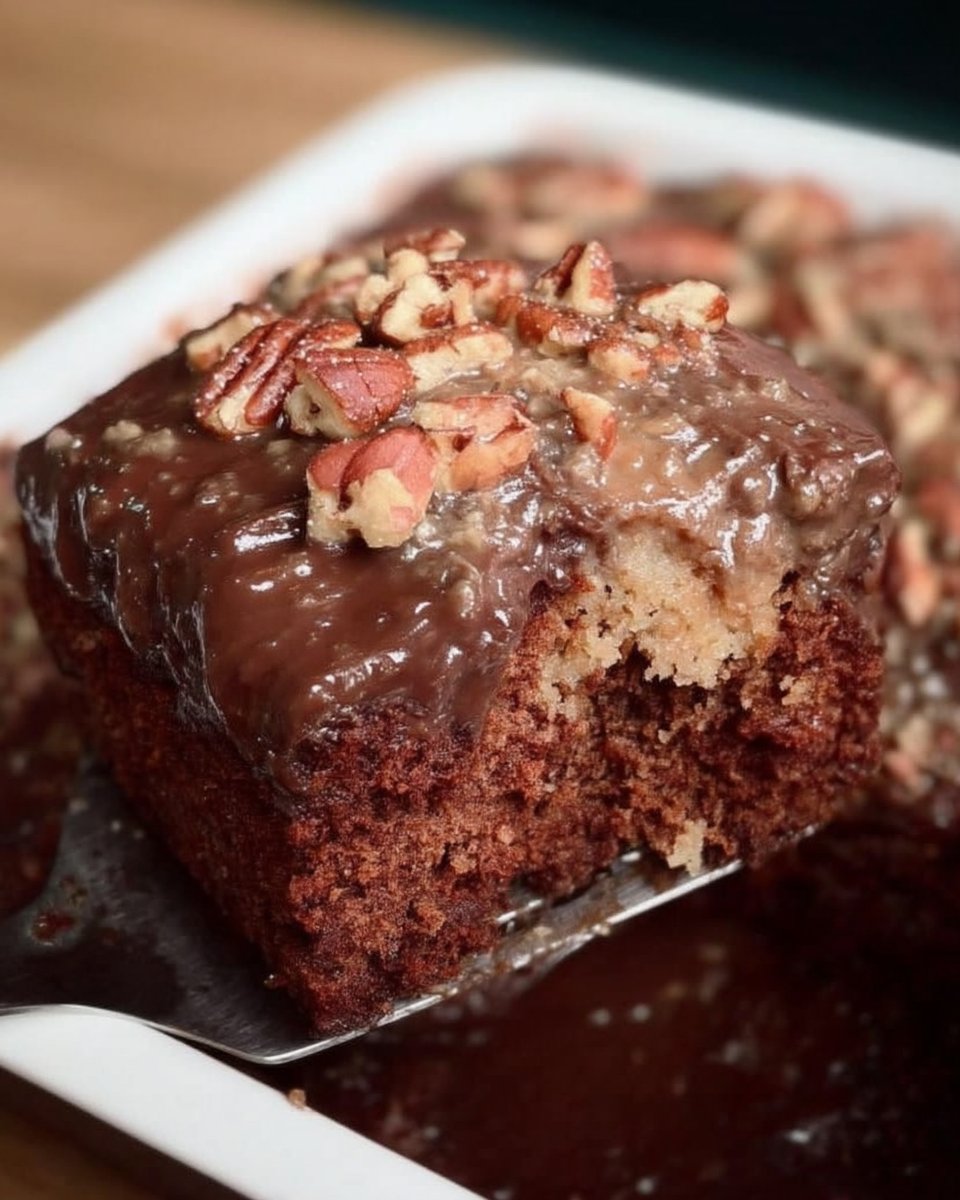
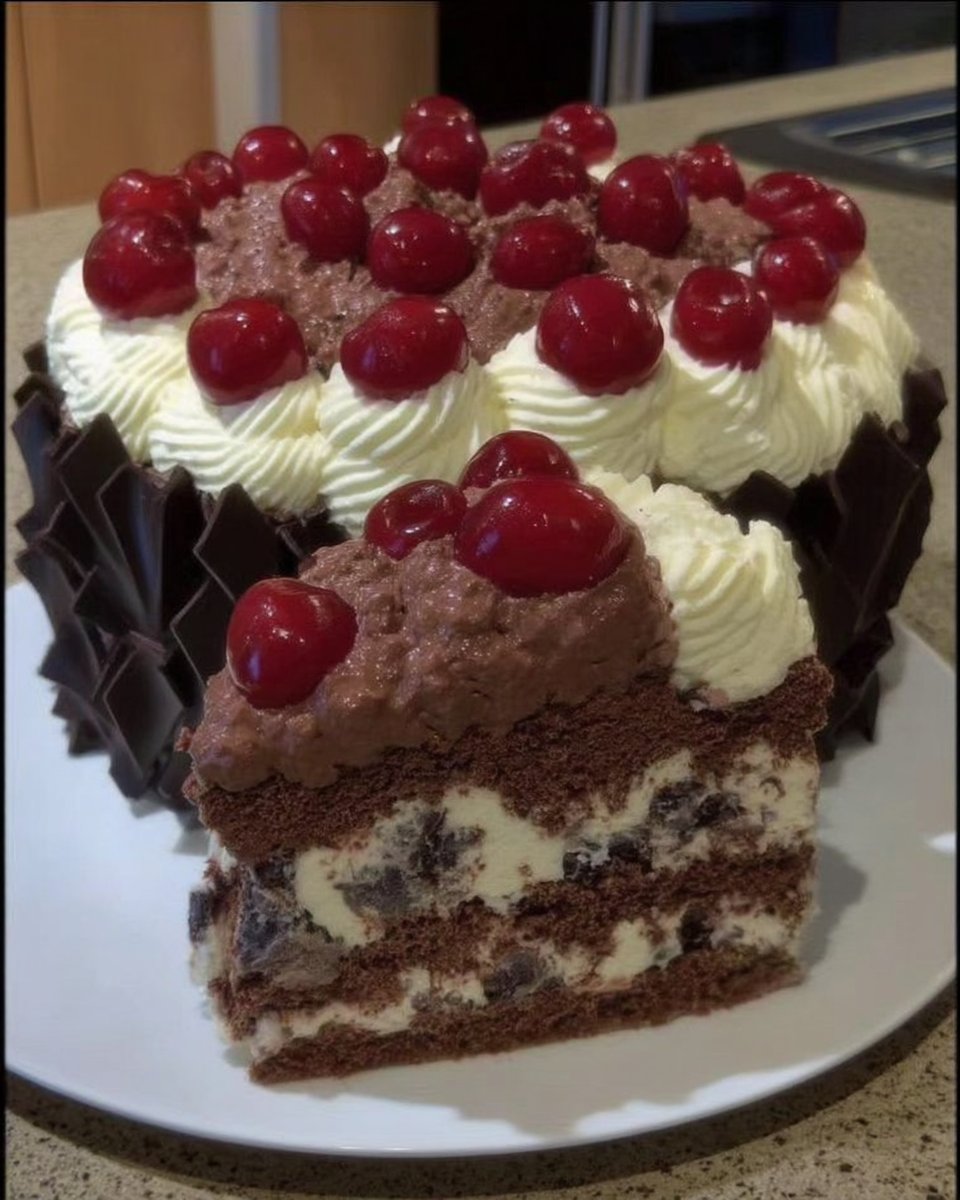
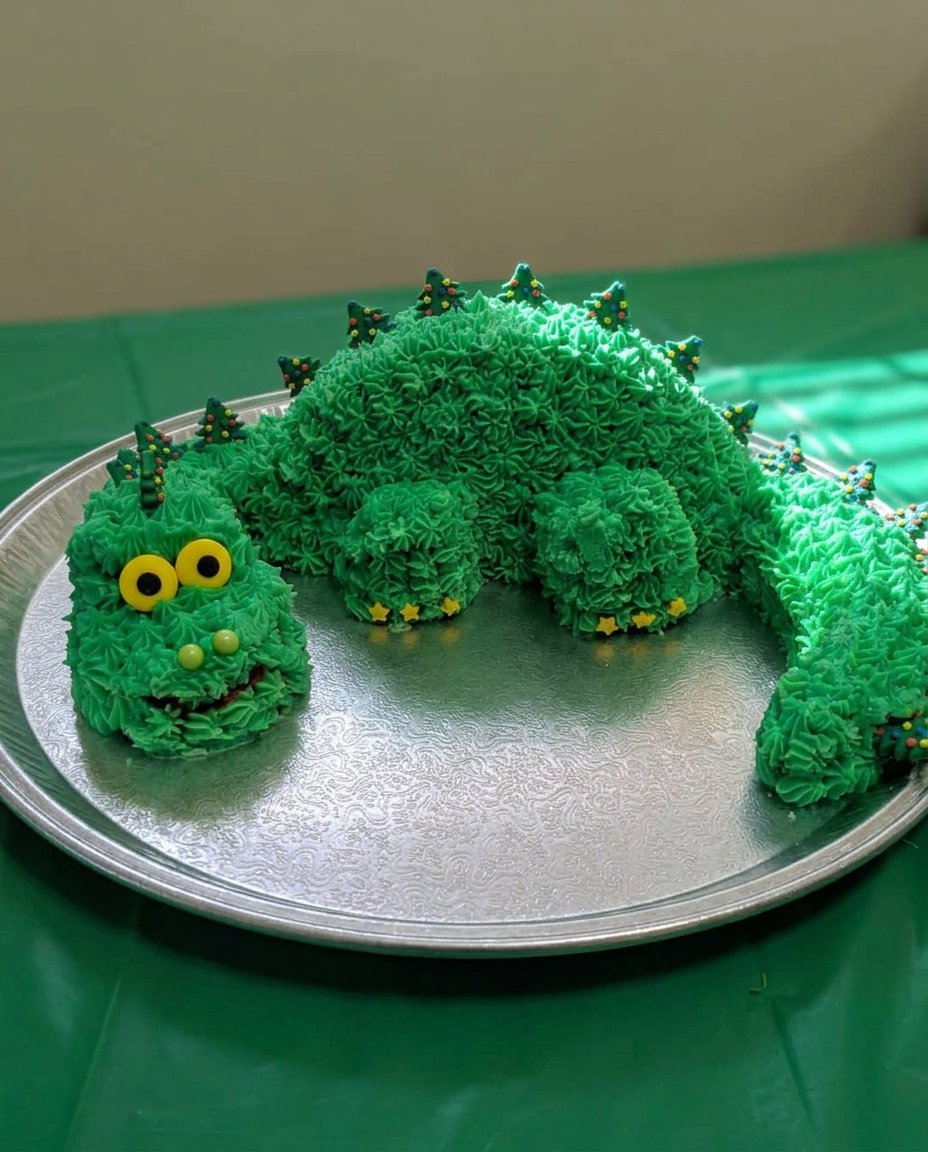
I remember the late afternoons in my grandfather’s kitchen in Istanbul, where the air smelled of roasting coffee and sugar. He taught me that a dessert is not finished until it wears a crown, a small token of beauty that tells the guest they are truly welcome. These handcrafted Cake Toppers are my way of bringing that tradition to your modern table, turning a simple sponge into a celebration of care and craft.

Working with melted wafers is a tactile joy, a moment where you become an artist with a piping bag as your brush. These edible decorations offer a satisfying snap and a smooth melt that complements any cake texture, from the densest chocolate to the lightest chiffon. It is about the quiet focus of the hand and the vibrant joy of the final reveal.
The Magic of Edible Artistry
There is a specific kind of wonder that happens when a guest realizes the beautiful decoration atop their slice is actually made of sweet, snapping chocolate. Unlike plastic or paper alternatives, these Cake Toppers merge perfectly with the soul of the dessert, adding a layer of texture that delights the palate before the first bite of cake even arrives. You will love this method because it transforms a simple kitchen task into a meditative craft.
Building these from scratch allows you to dictate the mood of your gathering. Whether you are piping delicate floral shapes or bold, geometric initials, the process is incredibly forgiving and deeply rewarding. The way the wafers melt into a glossy, liquid silk and then firm up into a sturdy, matte finish is a transformation that never fails to fascinate me. It is the ultimate secret for those who believe that the eyes should feast long before the fork touches the plate.
Print
Cake Toppers
- Total Time: 50 mins
- Yield: 12 toppers
- Diet: Vegetarian
Description
Elevate your desserts with these handcrafted edible cake toppers made from smooth melting wafers. This simple yet artistic technique allows you to create custom designs that add a satisfying snap and professional finish to any celebration cake.
Ingredients
- 1 cup high-quality melting wafers
- 2 tablespoons decorative sprinkles or sanding sugar
- 12 wooden skewers
- 1 sheet waxed paper
Instructions
- Place a paper template of your design on a flat surface and cover it with a piece of waxed paper.
- Melt the wafers in a heat-safe bowl using 30-second intervals at 50% power, stirring slowly until the mixture is glossy and smooth.
- Transfer the melted wafers into a piping bag and snip a very small hole at the tip to ensure maximum control.
- Trace the design outline onto the waxed paper using the template underneath as a guide, then fill in the center with wafer melt.
- Press a wooden skewer into the center of the wet design, pipe an extra line of wafer over the wood to anchor it, and immediately add sprinkles.
- Allow the toppers to rest at room temperature until they are completely firm and matte before gently peeling them away from the paper.
Notes
Ensure your wooden skewers are completely dry before assembly, as even a small drop of water can cause the melting wafers to seize and become grainy. For a smoother finish, lightly tap the workspace after piping to help the melted wafers settle evenly and eliminate any small air bubbles.
- Prep Time: 15 mins
- Cook Time: 5 mins
- Category: Dessert Decoration
- Method: Piping
- Cuisine: Mediterranean
The Mediterranean Pantry Foundation
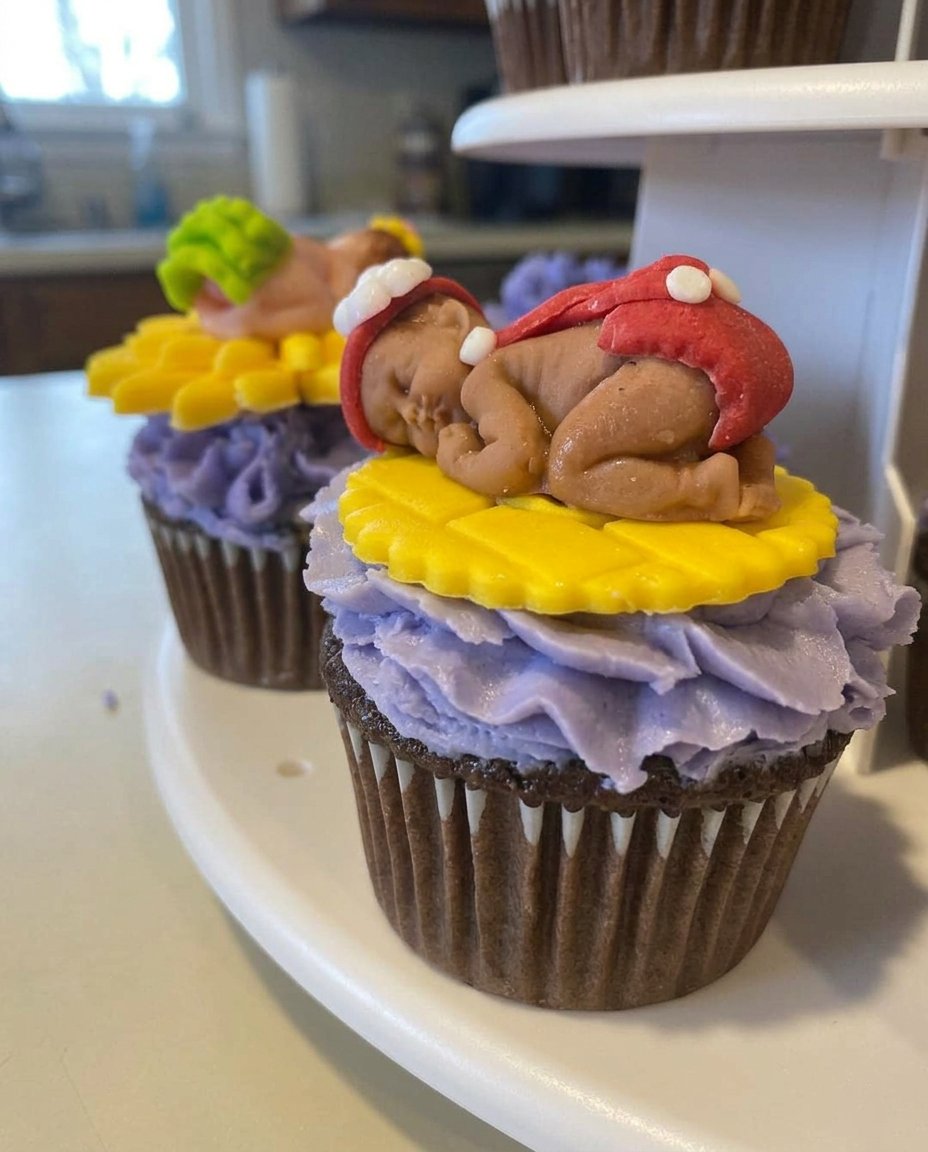
To create these little wonders, you only need a few high-quality components that prioritize texture and stability. In my kitchen, we look for ingredients that behave with consistency and grace under the heat of the microwave or the coolness of the counter.
- Melting Wafers: These are the heart of your creation. I prefer high-quality wafers because they contain the right balance of fats to ensure a smooth flow and a clean, sharp snap once set. They should feel heavy and smooth in your hand.
- Sprinkles: These are your gems and jewels. Choose varieties that add a crunch without being too hard, or use shimmering sanding sugars to catch the light like the Mediterranean sun on the water.
- Wooden Skewers: These provide the skeleton for your art. Ensure they are clean and smooth, long enough to anchor deep into the heart of your cake.
- Waxed Paper: This is your canvas. It provides the perfect non-stick surface that allows your finished Cake Toppers to release with a gentle touch, preserving every fine line you have piped.
The Method of the Patient Hand
Step 1: Design and Template
Draw or print your chosen design onto a piece of paper to use as a guide. This is where you decide the personality of your cake. Place this template on your workspace and cover it with a square of waxed paper. The transparency of the paper is your best friend here, allowing you to follow your lines with the precision of a master calligrapher.
Step 2: Gentle Melting
Place your melting wafers into a heat-safe bowl. This is a moment for patience. Microwave them at 50% power in short, 30-second bursts. Between each burst, stir them with a slow, rhythmic motion. You are looking for a consistency that resembles thick cream—glossy, heavy, and just-slightly thick. If it flows like water, it is too hot; let it rest and thicken until it feels substantial.
Step 3: Preparing the Piping Bag
Transfer your melted silk into a piping bag. Snip the very tip to create a tiny opening, no wider than a matchstick. This small exit point gives you the control needed to trace the intricate curves of your design. Feel the warmth of the bag in your palm; it should be comfortable, never scalding.
Step 4: The Art of Piping
Trace the outline of your design onto the waxed paper, following your template below. Once the borders are set, fill in the center with a steady flow of wafer. Work with a calm hand. If you make a mistake, do not worry—this medium is kind and can be wiped away and restarted while still warm.
Step 5: Anchoring and Embellishing
While the wafer is still wet and receptive, gently press a skewer into the center of the design. Ensure at least half an inch of the wood is submerged in the chocolate. Pipe a small additional ribbon of melted wafer over the skewer to seal it in place, creating a strong bond. Immediately scatter your sprinkles over the surface, letting them sink halfway into the liquid gold.
Step 6: The Long Wait
Allow your creations to sit undisturbed at room temperature. This is the hardest part for any baker—the waiting. As the wafers cool, they will transition from a liquid state to a firm, solid structure. Do not rush them into the fridge; the natural cooling process ensures a better shine and a more reliable snap. Once they are firm and cool to the touch, peel them away from the paper with the gentleness of a breeze.
Mehmet’s Secrets for Texture Mastery
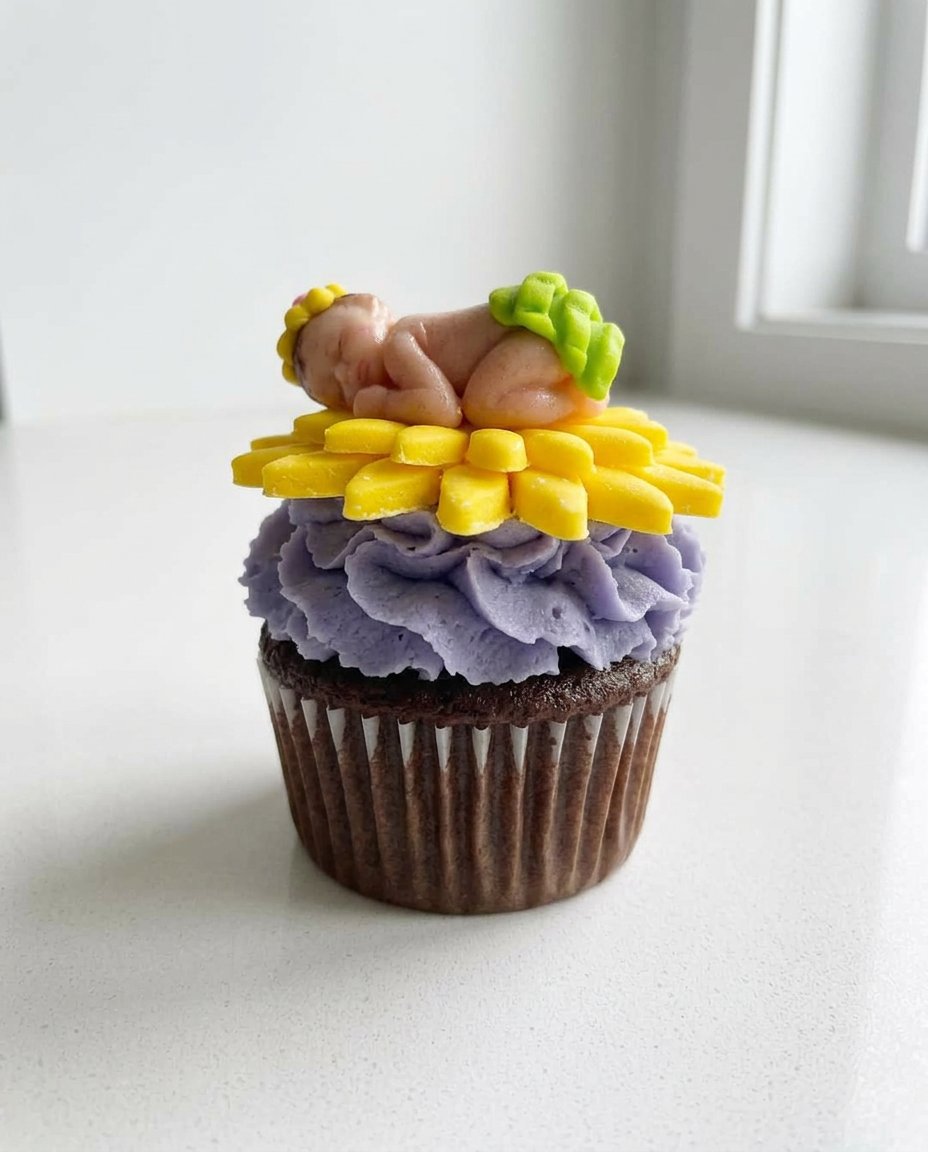
The secret to a professional finish lies in the temperature of your workspace. If your kitchen is too warm, the wafers will take far too long to set, potentially causing your design to bleed at the edges. Aim for a cool, still environment. If you find your wafers are becoming too runny to hold a shape, simply walk away for three minutes; the natural cooling will return them to that perfect, pipeable thickness that characterizes the best Cake Toppers.
When you are ready to place these on your dessert, make sure the cake has finished its own journey of setting. For a truly decadent pairing, these toppers look magnificent when standing tall atop a rich snickers cake, where the chocolate snap of the topper meets the gooey caramel of the layers. For more guidance on achieving the perfect consistency, you can check out this guide on edible cake toppers which mirrors many of the techniques we use in the Mediterranean tradition.
Regional Twists and Flavor Options
In the Mediterranean, we love to play with color and scent. You can easily adapt this recipe by adding a single drop of high-quality oil-based food coloring to white wafers to create pastel hues that mimic the houses along the coast. Consider adding a tiny pinch of finely ground sea salt or crushed pistachios into your sprinkle mix for a savory-sweet revelation that surprises the palate.
If you are feeling adventurous, you can pipe these toppers into the shapes of citrus slices or bright suns to adorn a lemon rainbow cake. Another beautiful variation is to use dark and white chocolate wafers together, marbling them with a toothpick while they are still wet on the waxed paper. This creates a stone-like, sophisticated texture that looks like polished marble from an old Istanbul palace.
Mediterranean Traditions at the Table

When the time comes to present your creation, do so with a bit of theater. I like to bring the cake to the table whole, the Cake Toppers standing tall and catching the light of the candles. This is the moment where the host’s effort is truly seen. Serve each slice with a small glass of strong coffee or a fragrant tea; the bitterness of the drink provides a perfect bridge to the sweetness of the wafer.
For a summer gathering, these toppers are the perfect crowning jewel for a chilled fruit cake, providing a crunchy textural contrast to the soft, macerated fruits. Always place the toppers at the very last moment before serving to ensure they remain crisp and upright, especially if your cake is topped with a moist cream or a syrup-heavy glaze.
The Soul of the Sweet Finish
In the end, baking is an act of love, and these Cake Toppers are the final punctuation mark on that message. They represent the patience to wait for the melt, the steady hand of the maker, and the joy of the guest. When you see the smile on a friend’s face as they snap off a piece of your handmade art, you will know that the time spent at the counter was a treasure well-spent.
I encourage you to experiment with shapes that mean something to your family—perhaps the outline of a vintage car for a car cake or the initials of a loved one. Please share your creations with our community of bakers who value texture and tradition above all else. You can find us on Pinterest, Instagram, and Facebook, where we celebrate the melt-in-your-mouth magic of every dessert we create. Remember, the secret is always in the soak and the snap.