During my early training in a professional British pastry kitchen, I learned that a cake’s success is dictated by its structural integrity just as much as its flavor profile. Constructing a Castle Cake is a technical feat that requires meticulous leveling and a firm understanding of weight distribution to prevent the turrets from shifting. It is a masterclass in edible engineering where the density of the crumb must support a grand architectural vision.

This specific method employs a sturdy yellow cake base, providing the necessary resilience to hold its shape under the weight of several frosting layers and decorative cones. By focusing on precise alignment and temperature control during assembly, we create a celebratory centerpiece that maintains a tender mouthfeel while standing tall. It is the perfect project for the baker who appreciates the intersection of geometry and sugar.
The Architecture of a Royal Celebration
There is a profound sense of accomplishment in building a dessert that stands as a literal monument to your baking skills. This Castle Cake offers a rewarding challenge because it moves beyond simple layering into the realm of three-dimensional construction. You will find that the technical precision required to level the cakes and secure the towers results in a professional-looking finish that is often missing from more casual bakes.
The balance of textures here is particularly pleasing; the crisp, sugar-dusted cones provide a sharp contrast to the soft, velvety frosting and the moist yellow cake. Every slice offers a predictable, high-quality crumb that melts away, proving that even a boxed foundation can achieve a superior texture when handled with professional care. It is a triumph of design that serves as the ultimate focal point for any grand occasion.
Print
Castle Cake
- Total Time: 1 hour 45 mins
- Yield: 24 servings
- Diet: Vegetarian
Description
This impressive Castle Cake combines meticulous architectural design with the sweet simplicity of yellow cake and shimmering turrets. It is a technical masterpiece that transforms basic ingredients into a majestic, three-dimensional fortress perfect for grand celebrations.
Ingredients
- 3 boxes yellow cake mix
- 4 containers stiff white frosting
- 9 flat-bottom ice cream cones
- 5 pointed sugar cones
- 1 package white fondant
- Pink sugar sprinkles
- 1 cup desiccated coconut
- Food coloring (pink, yellow, green)
Instructions
- Bake two 8-inch rounds and two 9×13 rectangular cakes according to the package instructions and allow them to cool completely.
- Use a cake leveler to remove the domes from all four cakes to ensure perfectly flat surfaces for stacking.
- Frost nine flat-bottom cones and five sugar cones, coat them in pink sprinkles, and refrigerate for 30 minutes to set.
- Stack the 9×13 cakes with a layer of frosting in between, then frost the exterior of the rectangular base.
- Stack the 8-inch rounds in the center of the base with frosting between them and frost the circular tier.
- Carve small arcs out of the four corners of the base and press the stacked turret cones into these notches for stability.
- Apply fondant windows and a door, pipe green frosting vines with candy flowers, and surround the base with green-dyed coconut grass.
Notes
For the best results, use a high-quality, dense cake mix which provides the structural integrity needed for the heavy tower assembly. If you are transporting the cake, consider using a few hidden wooden dowels through the center of the round tiers to keep the layers from shifting during movement.
- Prep Time: 1 hour
- Cook Time: 45 mins
- Category: Dessert
- Method: Baking
- Cuisine: British
The Components of Edible Engineering
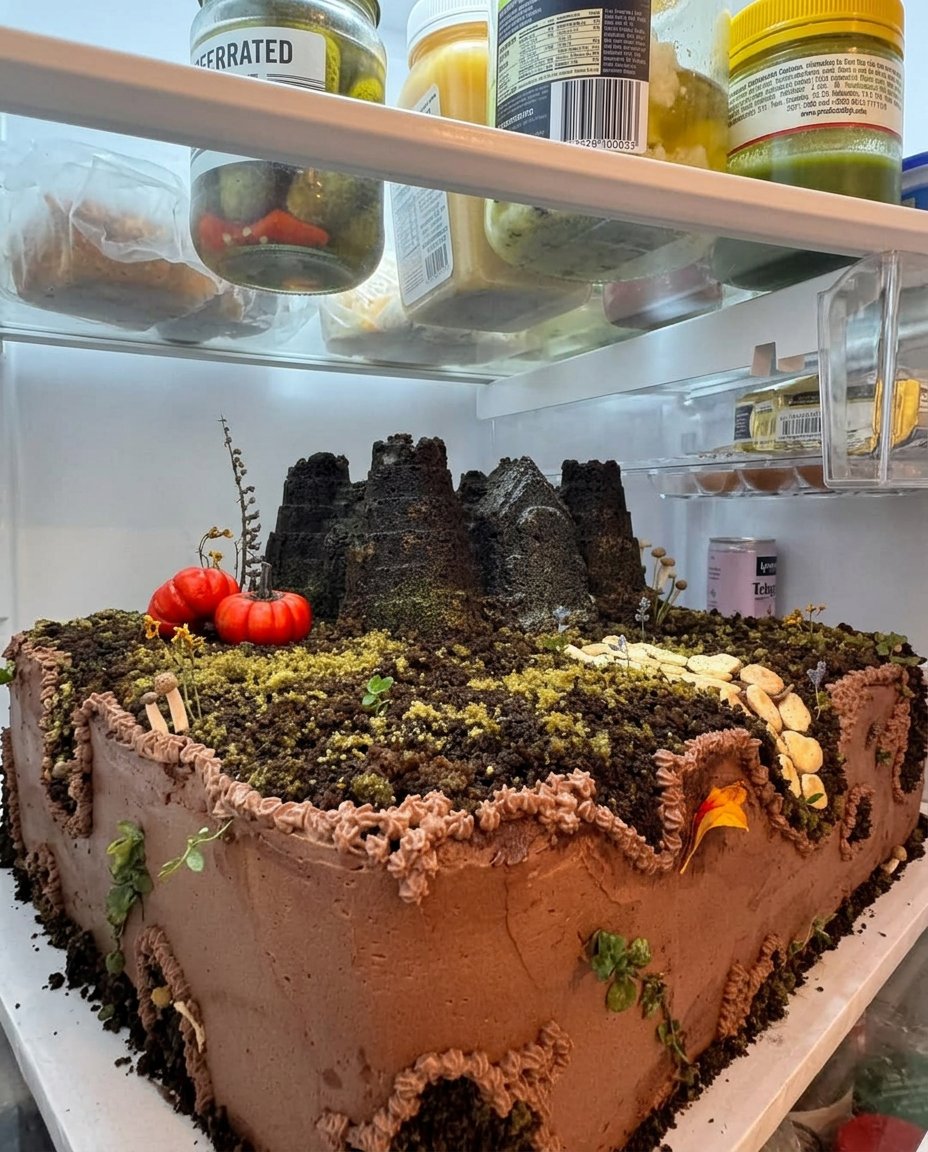
To achieve the necessary stability for a multi-tiered fortress, every ingredient must serve a structural purpose. We favor high-quality yellow cake mixes because they typically possess a specific protein content that results in a tighter, more reliable crumb compared to airier sponges.
- Yellow Cake Mix: Three boxes provide the volume needed for the 9×13 base and the 8-inch round upper tiers. The fats in these mixes help provide the ‘melt’ we desire in the final mouthfeel.
- White Frosting: Four containers of stiff, high-quality frosting act as the mortar for our castle. It must be firm enough to hold the weight of the cones without sliding.
- Ice Cream and Sugar Cones: These provide the iconic turret shape. The flat-bottom cones act as the base towers, while the pointed sugar cones create the spires.
- White Fondant: This is used for precision-cut windows and doors, allowing for a smooth surface that takes food coloring beautifully.
- Pink Sugar Sprinkles: These add a tactile, crystalline finish to the towers, catching the light and emphasizing the castle’s whimsical nature.
- Desiccated Coconut: When dyed green, this provides a textured ‘grass’ that grounds the structure visually.
The Method of Fortification
Step 1: Precision Baking and Leveling
Bake your four cakes—two 8-inch rounds and two 9×13 rectangles—following the timing on the boxes exactly. Once fully cooled to room temperature (about 70°F or 21°C), use a professional cake leveler to remove the domes from every cake. This step is non-negotiable; a flat surface is the only way to prevent the castle from leaning or collapsing under its own weight.
Step 2: Preparing the Turrets
Frost nine regular ice cream cones, leaving the bottom quarter-inch unfrosted to allow for better grip when handling. Frost five sugar cones as well. While the frosting is still wet, liberally coat them in pink sugar sprinkles. Transfer these to the refrigerator for at least 30 minutes to set the frosting into a firm, structural shell.
Step 3: Establishing the Foundation
Place your first 9×13 cake on a sturdy, level platter or a professional-grade cake board. Apply an even layer of frosting across the top, then place the second 9×13 cake directly over it, ensuring the edges are perfectly aligned. Frost the exterior of this base layer completely to lock in moisture and provide a tacky surface for the towers.
Step 4: Stacking the Upper Tier
Position your first 8-inch round cake in the absolute center of the rectangular base. Apply a layer of frosting, then add the second round cake. If you find the rounds are sliding, a single wooden dowel through the center can offer additional stability. Frost the entire circular tier, smoothing the sides with a bench scraper for a professional finish.
Step 5: Carving the Turret Slots
At each of the four corners of the rectangular base, use a sharp paring knife to cut away a small arc of cake. These notches should be slightly smaller than the diameter of your flat-bottom cones. This allows the towers to sit ‘inside’ the structure rather than just against it, which is vital for long-term stability.
Step 6: Assembling the Spires
Apply extra frosting to the carved corner notches and press a flat-bottom cone into each. Frost the top of that cone and stack a second flat-bottom cone on top. Finally, apply frosting to the interior rim of the top cone and nestle a pointed sugar cone inside. Repeat this for all four corners and the single tower on top of the round cakes.
Step 7: Final Architectural Details
Color your remaining frosting pink, yellow, and green. Roll out the fondant and cut out a large door and several arched windows. Use the green frosting to pipe vines trailing up the turrets, and attach candy flowers to these vines. Finish by scattering the green-dyed coconut around the base to simulate a lush royal garden.
Jordan’s Secrets for Structural Stability
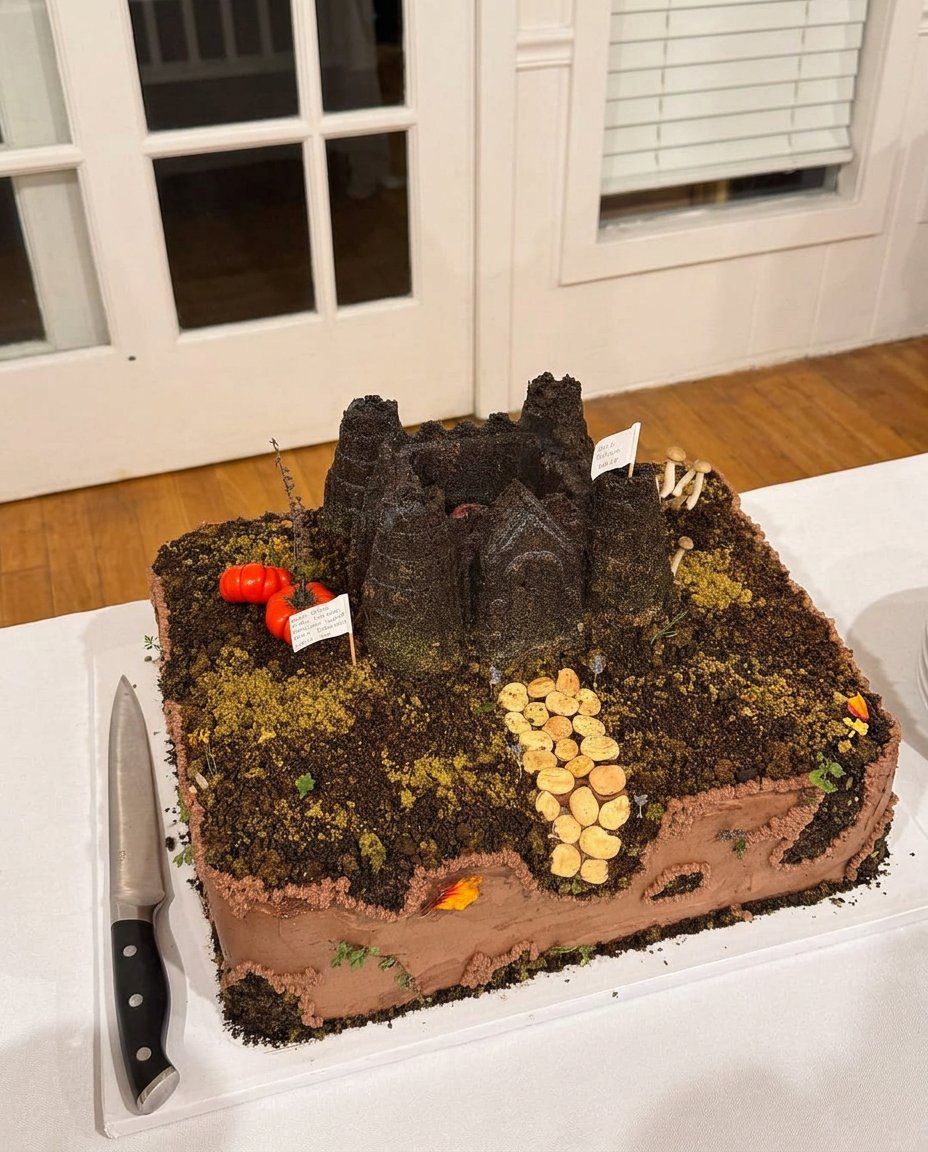
Precision in temperature is your greatest ally when building a tall structure. I recommend chilling your leveled cakes for 20 minutes before stacking; this firms up the crumb and prevents tearing when you apply the frosting. If your kitchen is warm, the frosting may lose its ‘grip,’ so work quickly or in a cooled environment to maintain the structural integrity of your turrets. For those looking to master other shaped desserts, our barbie-cake guide offers excellent insights into carving and stability.
Always use a crumb coat—a thin layer of frosting that seals in loose crumbs—before applying your final decorative layer. This ensures that your castle walls remain pristine and white. If you find the cones are too heavy, you can insert a bamboo skewer through the center of the stacked cones into the cake base for a permanent anchor. For more helpful construction techniques, you can visit this guide on making a castle cake.
Technical Tweak and Aesthetic Options
You can modify the visual theme of the fortress by adjusting the color palette or the structural layout. For a more rugged appearance, consider a ‘Stone Keep’ version where you mix a small amount of black food coloring into white frosting to create a marbleized gray, then use a small spatula to indent ‘brick’ patterns into the surface. If you are interested in a more block-based construction, you might find inspiration in our minecraft-cake which focuses on cubic precision.
Another technical variation involves the syrup. Instead of a standard yellow cake, you can brush the layers with a simple sugar syrup infused with vanilla or almond to add moisture without compromising the cake’s ability to hold weight. For a winter-themed castle, swap the pink sprinkles for iridescent white sanding sugar and use blue food coloring for the vines and fondant details.
Presenting the Royal Fortress
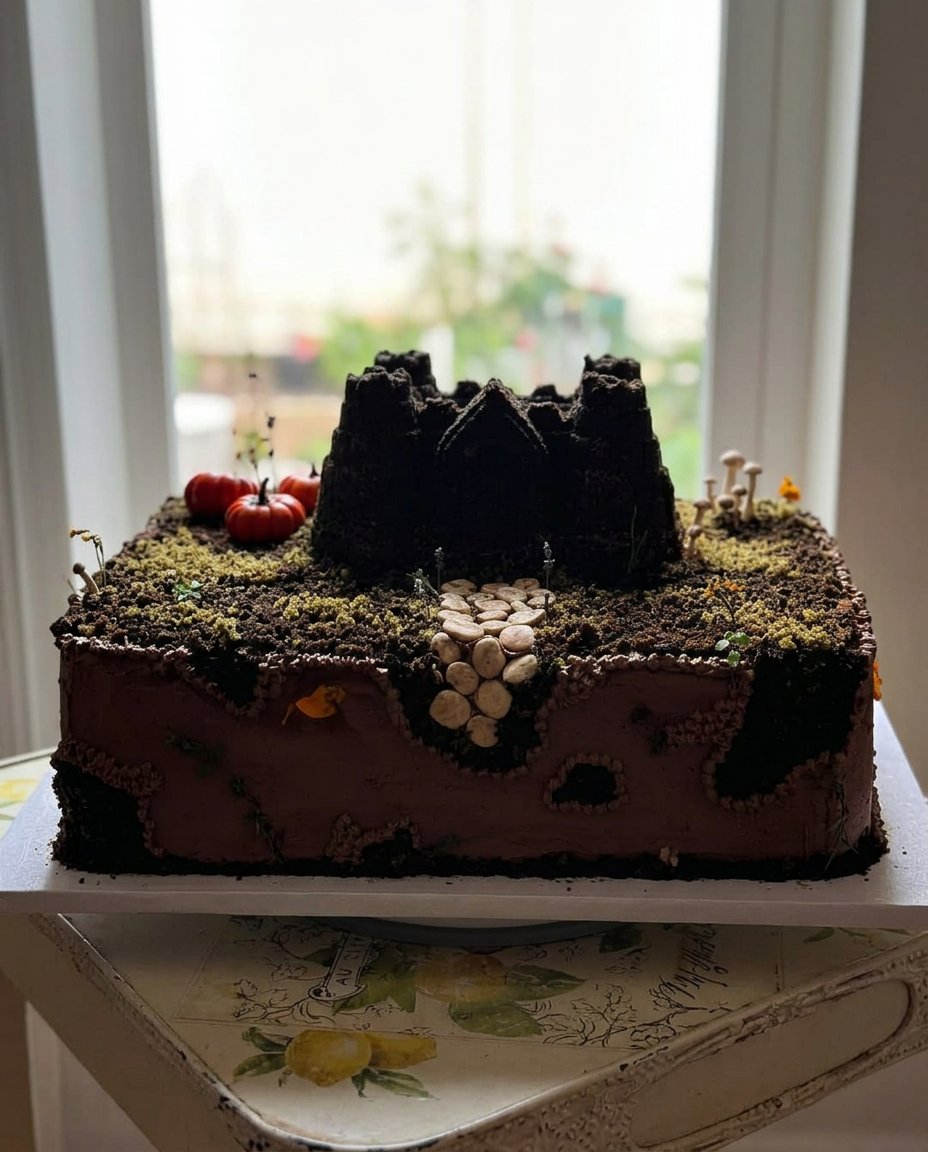
When it comes time to serve, precision in cutting is paramount to maintain the visual appeal for all guests. I suggest removing the turrets first; they can be served as individual ‘treats’ for younger guests who enjoy the crunch of the sugar cones. Use a long, thin serrated knife dipped in warm water and wiped dry between each cut to ensure the frosting layers remain distinct and the yellow cake doesn’t compress. For more tips on serving themed cakes at parties, check out our guide on the moana-cake.
Presentation is improved by placing the cake on a rotating cake stand during the initial viewing, allowing guests to see the vines and windows on all sides. Pair a slice with a dollop of lightly whipped unsweetened cream to balance the sweetness of the sugar-dusted turrets and the dense frosting. The contrast between the cool cream and the room-temperature cake creates a superior textural experience.
Mastering the Craft of Celebration
Building a Castle Cake is more than just a baking task; it is an exercise in patience and structural discipline. By following these methodical steps and focusing on the precision of your leveling and stacking, you create a dessert that is as stable as it is beautiful. If you enjoyed this technical challenge, you should try your hand at our king-cake, which offers a different but equally rewarding look at festive pastry traditions. We would love to see your architectural triumphs! Share your castle creations with us on Instagram, Pinterest, or Facebook.