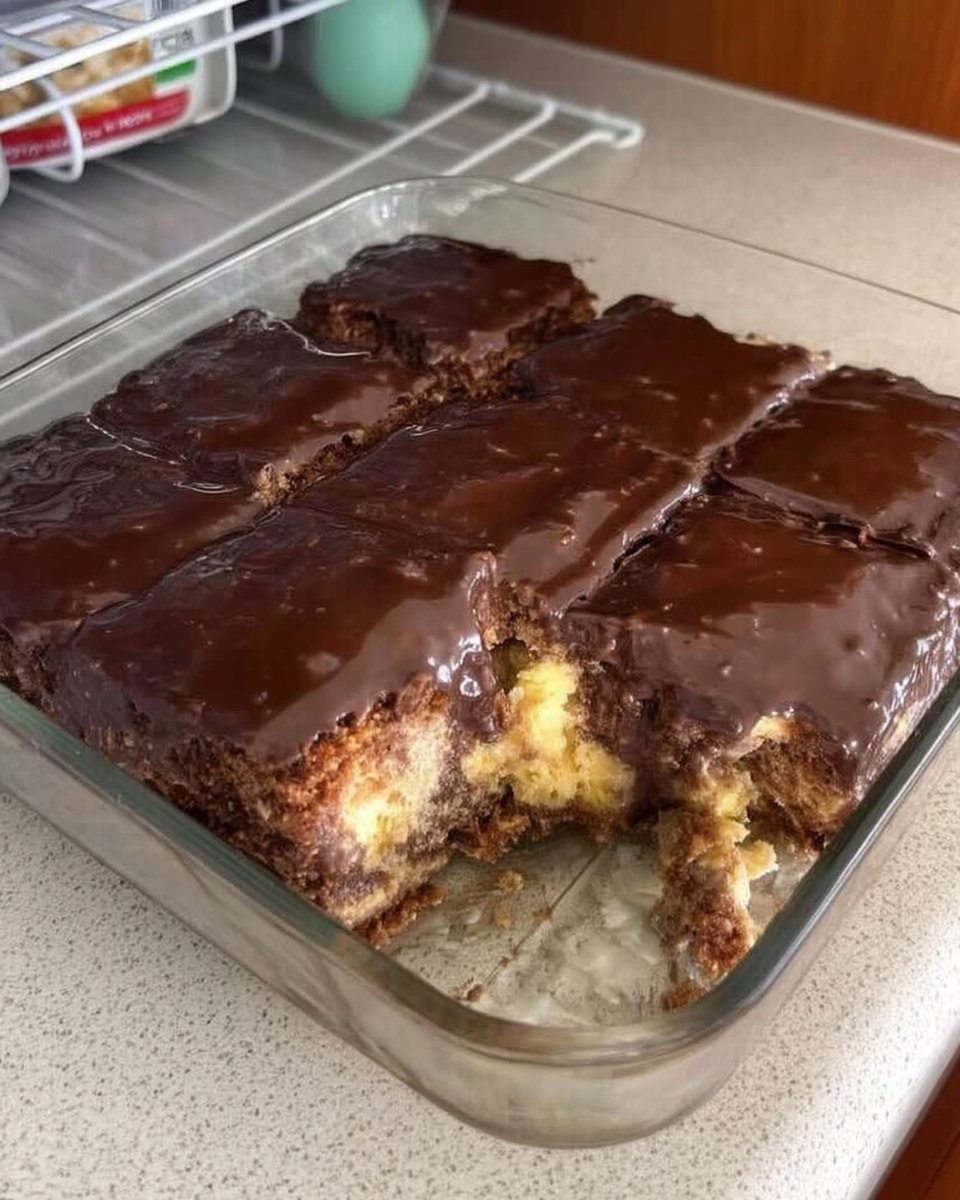
During my early years training in a boutique patisserie in London, I discovered that the most successful desserts rely on a calculated marriage of engineering and chemistry. The Chocolate Lava Cake 2 represents the pinnacle of this philosophy, moving away from the unreliable ‘underbaked’ method toward a structured, two-part assembly. This precision creates a predictable, silky core every single time you bake.

This particular Chocolate Lava Cake 2 relies on a frozen ganache insert, a technique that guarantees a flowing center while the outer cake achieves a stable, tender crumb. By controlling the temperature of the core independently from the batter, we remove the guesswork and produce a result that is both technically superior and texturally magnificent.
A Masterclass in Structural Contrast
What makes the Chocolate Lava Cake 2 a triumph of pastry arts is the deliberate contrast between the sponge walls and the molten interior. In standard molten cakes, you often fight a battle between a raw, gooey center and a cake that is too fragile to stand. This method provides a sturdy architectural shell that effectively contains the ganache until the moment your spoon breaks the surface.
You will find that the mouthfeel here is significantly more refined than traditional versions. Because we use a dedicated ganache made of heavy cream and dark chocolate, the center is richer, smoother, and stays liquid longer as it cools. This prevents the ‘setting’ effect that often turns inferior lava cakes into solid fudge before the guest can finish the first bite.
Furthermore, the technical reliability of this process means you can prepare the elements well in advance. Having the ganache spheres ready in the freezer and the moulds prepared allows for a professional service rhythm in a home kitchen. It is about removing the stress of the ‘guessing game’ and replacing it with the confidence of a proven method.
Finally, this recipe celebrates the deep, resonant notes of high-quality cocoa without the distraction of excessive sugar. The structural integrity of the cake relies on the protein in the eggs and the minimal flour content, which creates a melt-in-your-mouth experience that is the hallmark of professional-grade pastry. It is a dessert that looks stunning and performs with mechanical precision.
Print
Chocolate Lava Cake 2
- Total Time: 3 hours 40 mins
- Yield: 4 servings
- Diet: Vegetarian
Description
This refined Chocolate Lava Cake 2 utilizes a chilled ganache core to guarantee a perfectly molten center every time. The structural contrast between the stable sponge and the silky interior creates a professional-grade dessert that removes all the guesswork from traditional baking.
Ingredients
- Dark chocolate (max 50% cocoa solids)
- Unsalted butter, cubed into 1cm pieces
- Large eggs, room temperature
- Egg yolks, room temperature
- Caster sugar
- Heavy cream (at least 35% fat)
- Plain flour
- Cocoa powder for dusting moulds
Instructions
- Combine chocolate and heavy cream in a bowl and melt in 20-second microwave bursts until smooth; chill for 3 hours and then scoop into small spheres.
- Preheat your oven to 200°C (390°F) or 180°C for fan-forced ovens.
- Butter four 170ml dariole moulds and dust them thoroughly with cocoa powder, tapping out any excess.
- Melt the butter and chocolate together in the microwave, stirring until a uniform liquid forms, and allow it to cool for five minutes.
- Whisk the eggs, additional yolks, and caster sugar together in a clean bowl until the mixture is light and frothy.
- Fold the melted chocolate mixture into the egg base using a silicone spatula with gentle ‘over and under’ motions.
- Sift the flour over the batter and fold it in with minimal strokes until no white streaks remain.
- Fill the prepared moulds one-third of the way with batter, place a chilled ganache sphere in the center, and cover with remaining batter.
- Bake on a tray for exactly 20 minutes until the tops are springy, then rest for two minutes before inverting onto plates.
Notes
For the most reliable results, use a digital thermometer to ensure your melted chocolate has cooled enough so it does not scramble the eggs during the folding process. If you are preparing these for a dinner party, the moulds can be filled and refrigerated earlier in the day, though you may need to add 1-2 minutes to the final baking time.
- Prep Time: 20 mins
- Cook Time: 20 mins
- Category: Dessert
- Method: Baking
- Cuisine: French
The Foundation of Molten Success
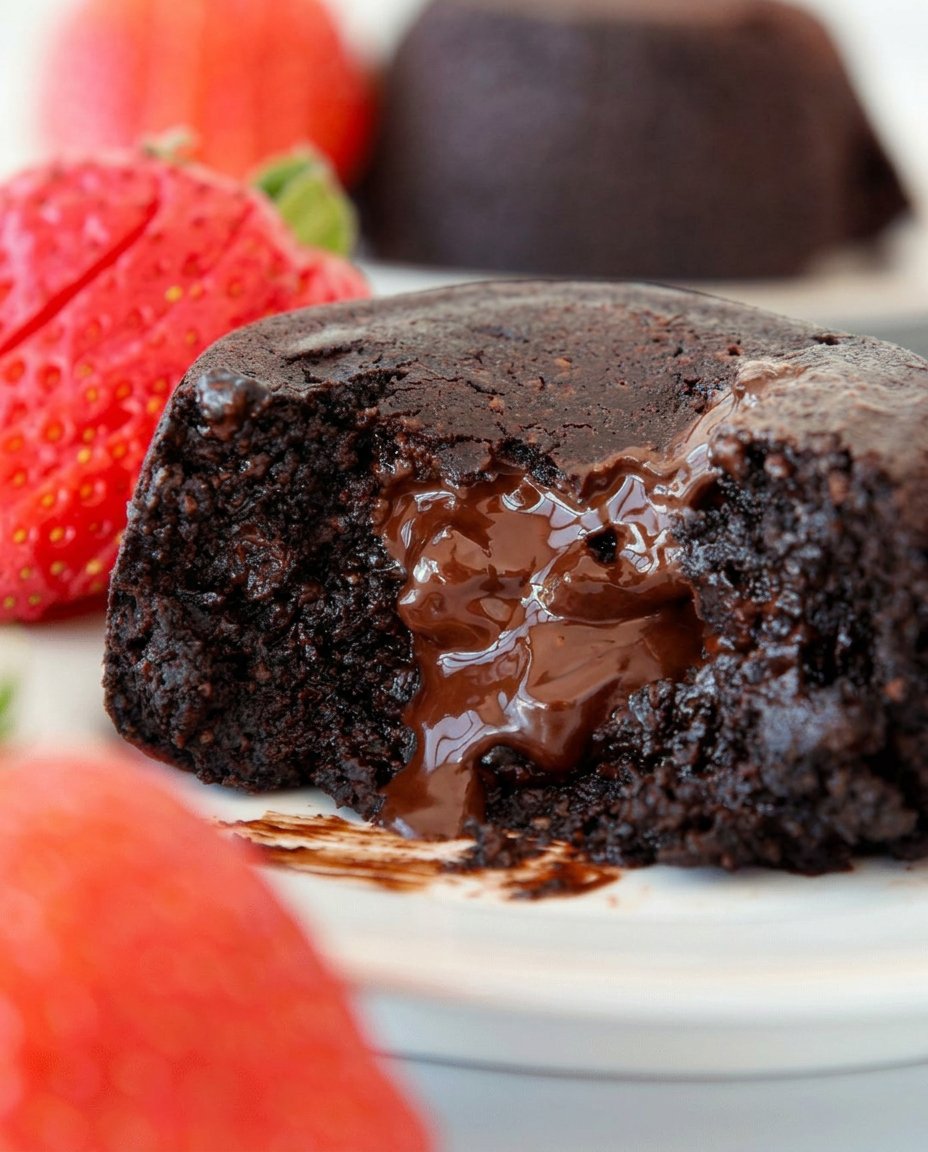
Success in the pastry kitchen begins with an understanding of your raw materials. For the Chocolate Lava Cake 2, every ingredient serves a specific structural purpose. Using the correct fat content and protein levels makes the difference between a cake that collapses and one that stands proud.
- Dark Chocolate (50% Cocoa Max): The cocoa solids act as a structural agent. If you go above 50%, the high cocoa butter content will cause the ganache to seize and the cake to become overly firm. For the best flow, stick to semi-sweet varieties.
- Unsalted Butter: This provides the necessary lipids for a tender crumb. I recommend cutting it into 1cm cubes to allow for even melting, which prevents the fat from separating from the solids during the heating process.
- Large Eggs and Yolks: At room temperature, eggs emulsify more effectively. The additional yolks add lecithin, which creates a smoother, more stable batter and a richer mouthfeel.
- Caster Sugar: Also known as superfine sugar, its smaller crystals dissolve quickly into the egg proteins, creating a stable foam that supports the cake’s height.
- Heavy Cream: With at least 35% fat, this is the liquid phase of our ganache. It keeps the chocolate center in a fluid state even as the temperature drops slightly after baking.
- Plain Flour: We use a minimal amount here just to bind the fats and liquids. It provides just enough gluten to hold the shape without making the cake bready.
- Cocoa Powder: Used for dusting the moulds, it creates a non-stick barrier that doesn’t leave the unsightly white streaks that flour often does.
The Method of Precision
Step 1: Create the Ganache Core
Begin by combining your chocolate and heavy cream in a microwave-safe bowl. Use 20-second bursts of heat, stirring thoroughly between each interval, until the mixture is perfectly smooth and glossy. This emulsion is the heart of your Chocolate Lava Cake 2. Let it sit at room temperature for 10 minutes to stabilize before placing it in the refrigerator for at least 3 hours. Once firm, scoop into small spheres; do not freeze them to speed up the process as it can cause the emulsion to break.
Step 2: Prepare the Moulding Architecture
Preheat your oven to 200°C / 390°F. If using a fan-forced oven, drop the temperature to 180°C. Take four 170ml dariole moulds and coat the interiors thoroughly with softened butter. Dust with cocoa powder, tapping out any excess. This step is vital for a clean release; the cocoa powder acts as a microscopic lubricant between the cake and the metal.
Step 3: Melt the Structural Base
Place your chocolate and cubed butter in a bowl and melt them together using 30-second microwave bursts. Stir until the mixture is a uniform liquid with no visible fat streaks. Allow this to cool for precisely five minutes. If the mixture is too hot, it will cook the eggs prematurely; if too cold, it will not incorporate smoothly.
Step 4: Whisk for Aeration and Stability
In a separate clean bowl, whisk the eggs, additional yolks, and caster sugar. You are looking for a light, slightly frothy consistency. While we aren’t looking for a full ribbon stage here, the goal is to fully dissolve the sugar and incorporate air that will expand in the heat of the oven to lift the cake.
Step 5: Emulsify the Batter
Slowly pour the melted chocolate and butter mixture into the egg base. Fold them together using a silicone spatula. Use a gentle ‘over and under’ motion to maintain the air you have just whisked in. The batter should look dark, rich, and consistent in color.
Step 6: Incorporate the Binder
Sift the flour over the batter and fold it in with minimal strokes. Over-mixing at this stage will develop the gluten, leading to a tough, chewy texture rather than the desired ‘melt’ consistency. Stop as soon as no white streaks remain.
Step 7: The Strategic Filling
Fill your prepared moulds about one-third of the way up with batter. Place a chilled ganache sphere directly in the center. Cover with the remaining batter until you are approximately 1.5cm from the rim. This positioning makes certain the lava is perfectly encased and won’t leak through the base.
Step 8: The Thermal Transformation
Place the moulds on a sturdy baking tray and bake for exactly 20 minutes. The tops should feel springy and resilient to a light touch. This timing allows the cake to set around the ganache while the core melts into a liquid state.
Step 9: The Final Release
Allow the cakes to stand for two minutes after removing them from the oven. This brief rest allows the internal steam to settle, making the structure more stable for unmolding. Place a plate over the top of each mould, invert, and tap the base firmly. Lift the mould away to reveal the finished masterpiece.
Precision Secrets for the Perfect Melt
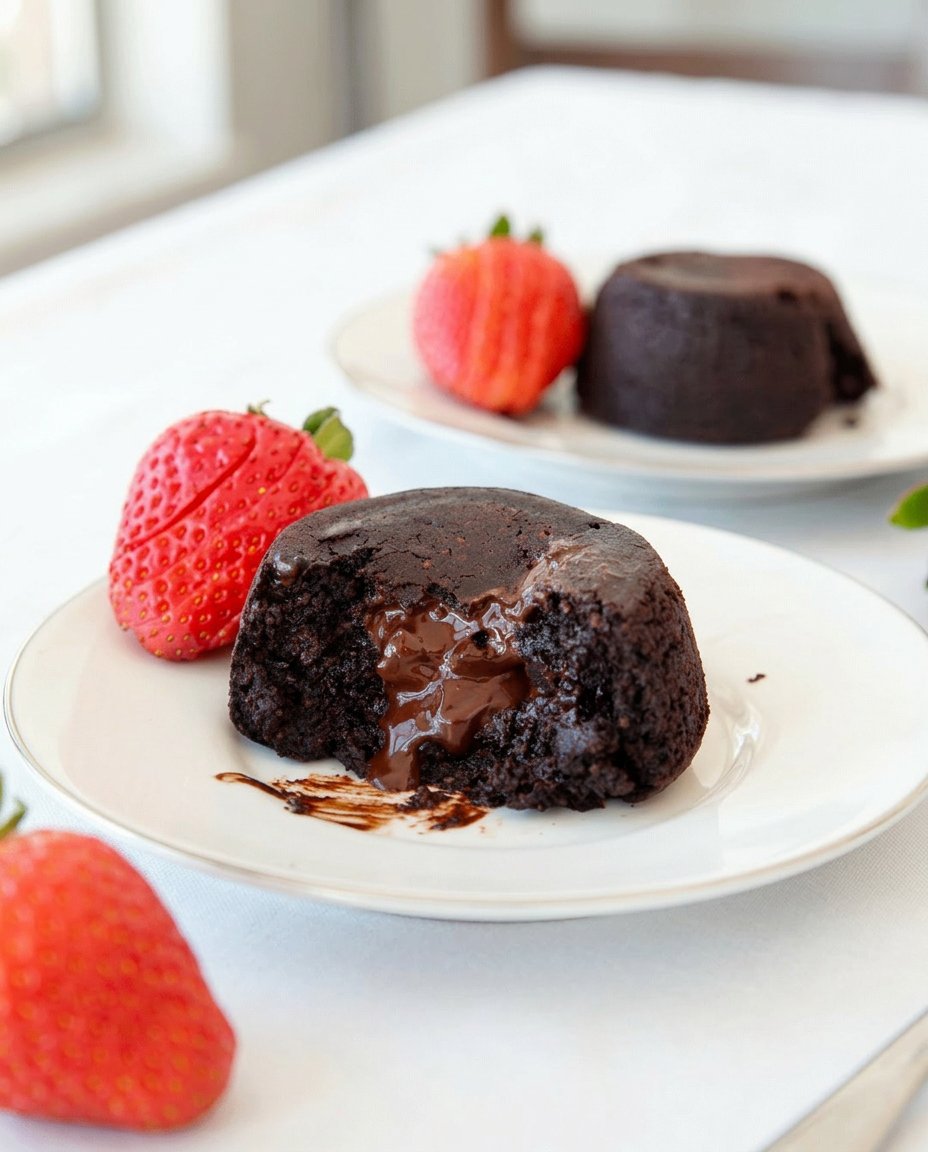
The secret to a flawless Chocolate Lava Cake 2 lies in the temperature of your ingredients. Always ensure your eggs are at room temperature before whisking; cold eggs can cause the melted butter in the batter to seize, resulting in a grainy texture. For more insights on mastering chocolate textures, visit our Cocoa Dream Lab. If you find your ganache is too soft to scoop, use a shallow dish for chilling to increase the surface area and speed up the cooling process naturally. I often look to the techniques at RecipeTin Eats for inspiration on how consistent heat distribution affects the final ooze. Always sift your cocoa powder into the moulds to avoid lumps that can cause the cake to stick to the sides.
Technical Tweaks for Advanced Bakers
While the classic dark chocolate profile is timeless, you can adjust the structural elements for different flavors. For a Salted Caramel variation, replace the ganache core with a frozen disc of high-quality salted caramel. If you prefer a more delicate crumb, you can replace the plain flour with almond meal, though this will result in a more fragile structure. For those interested in smaller, bite-sized versions, check out our Petite Indulgences guide. You might also consider infusing the cream for the ganache with orange zest or espresso beans to add a layer of complexity to the liquid center. Be careful with additions to the cake batter itself, as heavy mix-ins like nuts can sink and compromise the structural walls.
Presentation Precision and Textural Balance
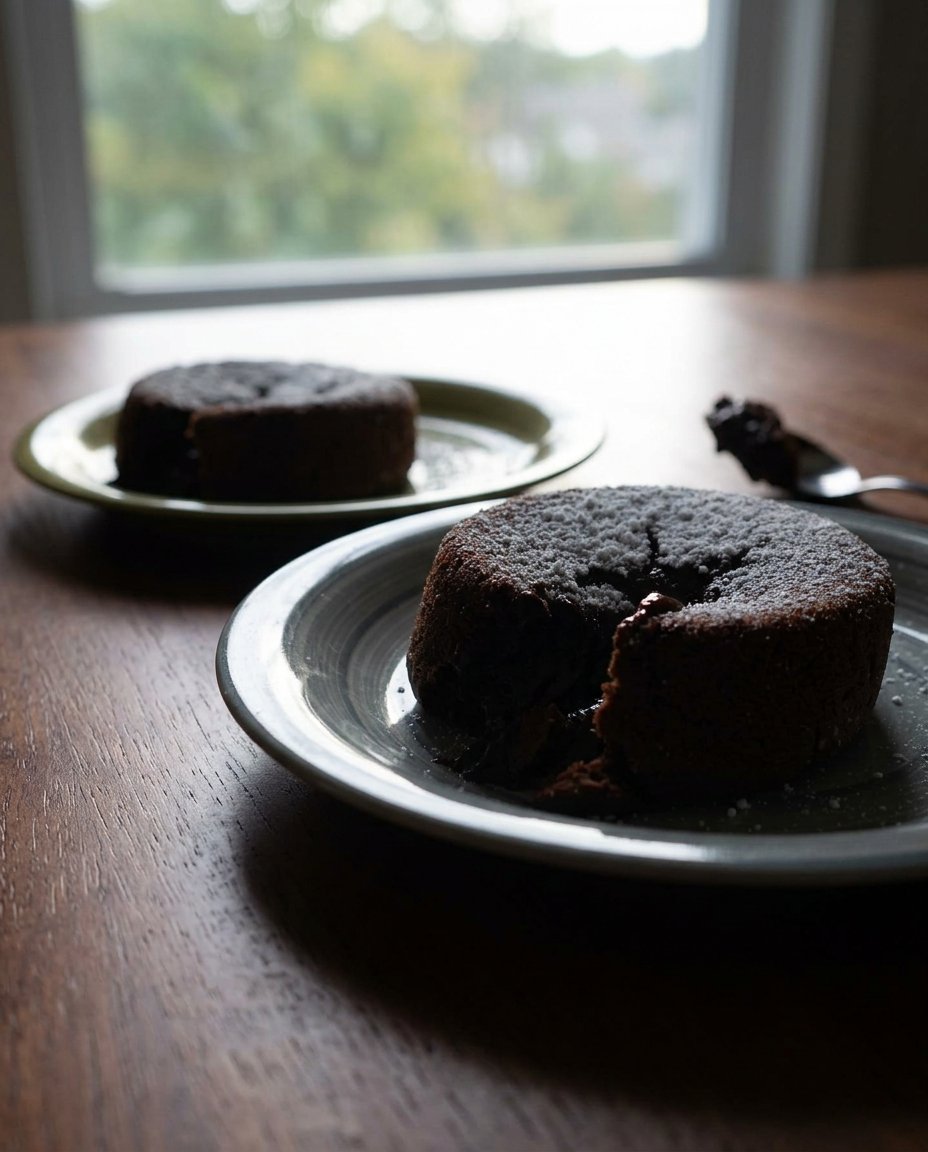
To truly appreciate the Chocolate Lava Cake 2, you must serve it immediately after unmolding. The contrast between the hot, flowing center and a cold accompaniment is essential. A quenelle of high-quality vanilla bean ice cream or a dollop of unsweetened double cream provides a refreshing counterpoint to the intensity of the chocolate. For more elegant presentation ideas, visit Decadent Occasions. A light dusting of cocoa powder or icing sugar adds a professional finish, while fresh raspberries provide a necessary acidity to cut through the richness. Always use a sharp, warmed knife to make the first cut, allowing the ‘lava’ to flow naturally across the plate.
Master the Craft of the Molten Core
Achieving the perfect Chocolate Lava Cake 2 is a testament to your commitment to precision and technique. By respecting the science of the ganache insert and the temperature of your ingredients, you have created a dessert that rivals any professional patisserie. Continue to hone your skills by exploring our Velvet Crumb Collection. If you found this technical guide helpful, I would be proud to see your results. Share your baking victories with our community on Instagram, Facebook, or Pinterest. Precision truly is the shortest path to perfection in the pastry arts.