In my early years of British pastry training, the mastery of a true ganache was the definitive test of a chef’s patience. We were taught that the relationship between cocoa solids and dairy fat determines the structural success of any layered dessert. This recipe represents that exact intersection where a disciplined, moist sponge provides the base for a whipped, aerated truffle layer that dissolves instantly upon the palate.

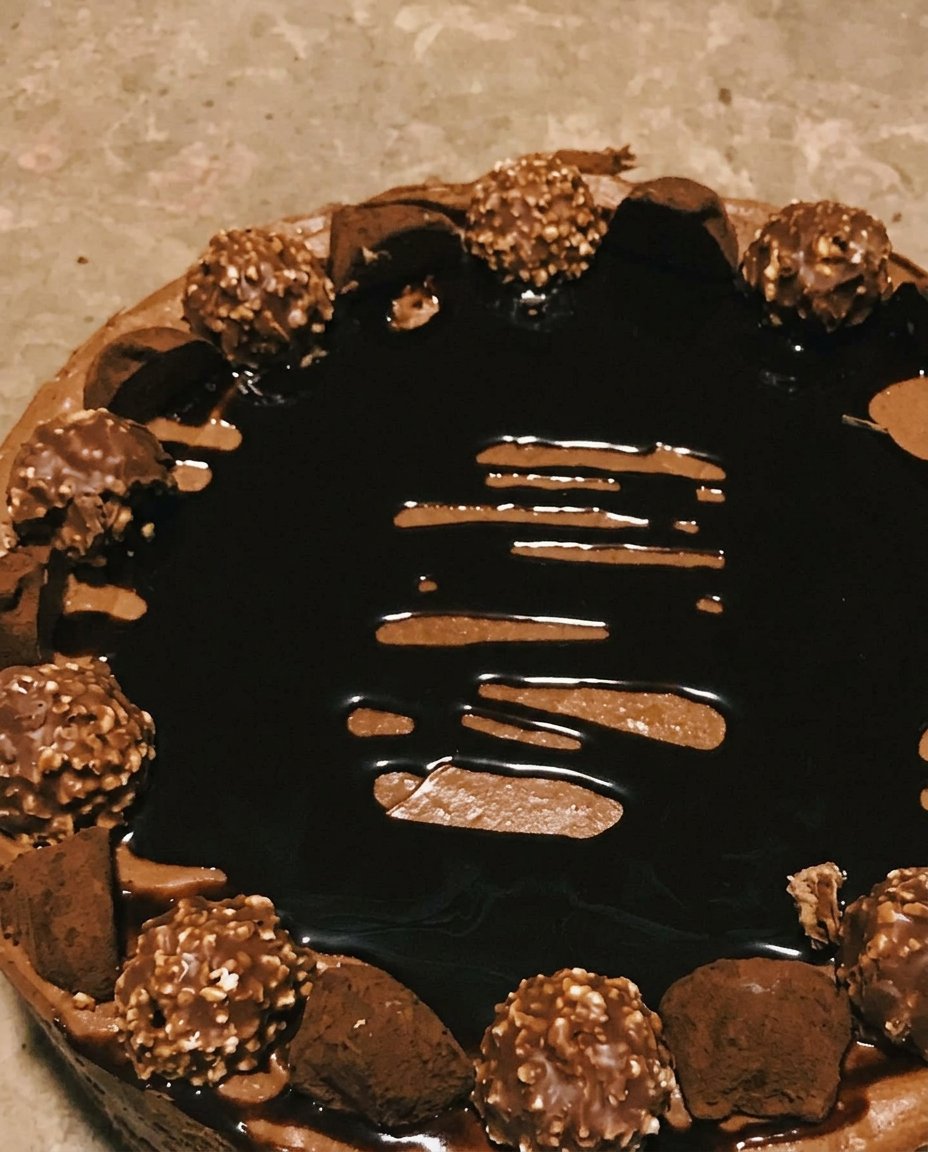
This Chocolate Truffle Cake is a sophisticated study in textural contrast, moving from a dense, cocoa-rich crumb to a light-as-air whipped ganache. Finished with a high-shine glaze, it provides the home baker with a professional-grade result that respects the science of chocolate temper and moisture control. It is a dessert designed for those who appreciate the quiet victory of a perfectly leveled layer and a flawless emulsion.
A Masterclass in Structural Balance and Texture
This Chocolate Truffle Cake stands apart because it rejects the cloying sweetness of standard frostings in favor of a sophisticated cocoa depth. The foundation is a moist, oil-based sponge that remains tender even when refrigerated, a technical necessity for cakes featuring ganache. By using sour cream, we introduce a subtle acidity that balances the richness of the 55% cocoa solids, creating a profile that is intense without being overwhelming.
The whipped truffle layer is the structural heart of the dessert. Unlike a heavy buttercream, this component is an aerated emulsion that provides height and stability while maintaining a melt-in-the-mouth quality. The final chocolate glaze serves as a protective barrier, sealing in moisture and providing a stunning aesthetic finish. This cake is a triumph for any baker who values the precision of British pastry standards and the sensory joy of high-quality dark chocolate.
Print
Chocolate Truffle Cake
- Total Time: 4 hours
- Yield: 12 servings
- Diet: Vegetarian
Description
Experience a sophisticated multi-layered chocolate dessert featuring a moist, cocoa-rich sponge topped with an airy whipped truffle ganache. Finished with a professional high-shine glaze, this cake is a technical masterpiece designed for true dark chocolate enthusiasts.
Ingredients
- 1 1/2 cups all-purpose flour
- 3/4 cup Dutch-processed cocoa powder
- 1 teaspoon baking powder
- 1 teaspoon baking soda
- 1 cup granulated sugar
- 1/2 teaspoon salt
- 2 large eggs
- 1/2 cup vegetable oil
- 1/2 cup full-fat sour cream
- 1 teaspoon vanilla extract
- 1/2 cup hot water
- 11 ounces dark chocolate (55-60% cocoa), chopped and divided
- 2 cups heavy whipping cream (35% fat), divided
- 3 tablespoons honey or light corn syrup, divided
- 1 tablespoon cocoa powder
Instructions
- Preheat your oven to 350°F (175°C) and line the base of a 9-inch springform pan with parchment paper, greasing the sides with butter.
- Sift the flour, 3/4 cup cocoa powder, baking powder, and baking soda into a bowl; whisk in the sugar and salt until combined.
- In a separate bowl, whisk the eggs, oil, sour cream, and vanilla, then stir into the dry ingredients to form a thick paste.
- Pour in the hot water and whisk until the batter is thin and glossy, then pour into the prepared pan and bake for 20-25 minutes.
- Allow the cake to cool completely on a wire rack, then level the top with a serrated knife and place back into the springform pan lined with fresh parchment.
- Make the ganache base by pouring 1/2 cup of simmered cream and 1 tablespoon honey over 7 ounces of chopped chocolate; let sit for two minutes before whisking into a smooth emulsion.
- Whip 1 cup of cream with 1 tablespoon of cocoa powder to soft peaks, then gently fold into the cooled, room-temperature ganache in stages.
- Spoon the whipped truffle mixture over the leveled cake, smooth the top with an offset spatula, and refrigerate for at least two hours to set.
- Prepare the final glaze by melting 4 ounces of chocolate with the remaining cream and honey, then pour it over the chilled cake.
- Return the cake to the refrigerator for one final hour before slicing and serving.
Notes
To ensure a perfectly smooth finish, always use an offset spatula when spreading the truffle layer and the glaze. For the best flavor profile, select a high-quality dark chocolate with a cocoa percentage between 55% and 60%, as higher concentrations may lead to a grainy texture during the emulsion process.
- Prep Time: 45 mins
- Cook Time: 25 mins
- Category: Dessert
- Method: Baking
- Cuisine: British
The Technical Foundation: Ingredient Precision
Building a cake with this much structural integrity requires a deep understanding of your components. Every gram of flour and milliliter of cream plays a specific role in the final mouthfeel.
- Dutch-Processed Cocoa Powder: This is vital for the dark color and smooth flavor profile. Because it is neutralized, it behaves differently with leavening agents than natural cocoa. I recommend a high-quality brand with at least 22% cocoa butter for a richer texture.
- 55-60% Dark Chocolate: This percentage provides the ideal balance of fat and sugar for the truffle layer. Using chocolate with a higher cocoa percentage may cause the ganache to seize or become too brittle when chilled.
- Full-Fat Sour Cream: The fat content (ideally 14-18%) is essential for a tight, moist crumb. It provides the necessary fat without thinning the batter excessively, ensuring the cake doesn’t crumble when sliced.
- Hot Water (Just off the boil): This “blooms” the cocoa powder, releasing the aromatic oils and deepening the chocolate flavor within the batter. It also helps dissolve the sugar quickly for a smoother texture.
- 35% Heavy Whipping Cream: The fat content here is non-negotiable for the truffle layer. We need this specific percentage to achieve stable peaks that hold the weight of the chocolate ganache once folded together.
- Corn Syrup or Honey: These act as invert sugars, which prevent the glaze from becoming too dull or cracking. They provide that professional high-shine finish and a slight elasticity to the chocolate.
The Method: A Technical Process
Step 1: Preparing the Structural Base
Preheat your oven to 350°F (175°C). For a clean release, line the base of a 9-inch springform pan with parchment paper and lightly grease the sides with room-temperature butter. Precision in pan preparation prevents the delicate edges of the sponge from tearing during extraction.
Step 2: Mixing the Dry and Wet Phases
Sift the all-purpose flour, cocoa powder, baking powder, and baking soda into a medium bowl. Sifting is mandatory here to remove lumps and aerate the dry ingredients for a lighter crumb. Add the sugar and salt, whisking until the mixture is a uniform gray color. In a separate vessel, whisk the eggs, oil, sour cream, and vanilla. Combine the two, stirring gently until a thick paste forms.
Step 3: Blooming the Cocoa
Pour the hot water over the thick batter and whisk steadily. You will see the batter transform into a thin, glossy liquid. This step is crucial for the hydration of the flour and the activation of the cocoa. Pour the batter into the prepared pan and bake for 20-25 minutes. A skewer should come out clean, and the center should feel resilient to a light touch.
Step 4: Leveling for Precision
Once the cake has cooled completely on a wire rack, use a long serrated knife to remove the domed top. A flat surface is the secret to a professional appearance. Place the leveled cake back into the springform pan. For the most precise sides, line the interior of the pan with a strip of parchment paper that stands higher than the rim.
Step 5: Creating the Ganache Base
Place your chopped 7 oz of chocolate in a heat-proof bowl. Heat 1/2 cup of cream and honey until it just begins to simmer. Pour this over the chocolate and cover the bowl for two minutes. This trapped steam helps melt the cocoa solids evenly. Whisk gently from the center outward until a glossy, dark emulsion forms. Let this cool until it reaches room temperature but remains fluid.
Step 6: Whipping and Folding the Truffle
Combine the remaining 1 cup of cream with a tablespoon of cocoa powder. Whip this to soft peaks—look for the point where the cream holds its shape but the tips fold over when the whisk is lifted. Gently fold one-third of this cream into the cooled ganache to lighten the density. Carefully fold in the rest, preserving as much air as possible for that characteristic melt-in-the-mouth texture.
Step 7: Chilling the Assembly
Spoon the whipped truffle mixture over the leveled cake in the pan. Use an offset spatula to smooth the top into a perfectly level plane. This layer needs at least two hours in the refrigerator to set firmly. This chilling period allows the cocoa butter to crystallize, providing the cake with its structural strength.
Step 8: The Finishing Glaze
Prepare the final glaze by melting the 4 oz of chocolate with the remaining cream and honey. Once smooth and cooled for 15 minutes to a lukewarm temperature, pour it over the chilled cake. Tilt the pan to allow the glaze to flow naturally to the edges. Return the cake to the fridge for one final hour before serving.
Precision Secrets for the Perfect Melt
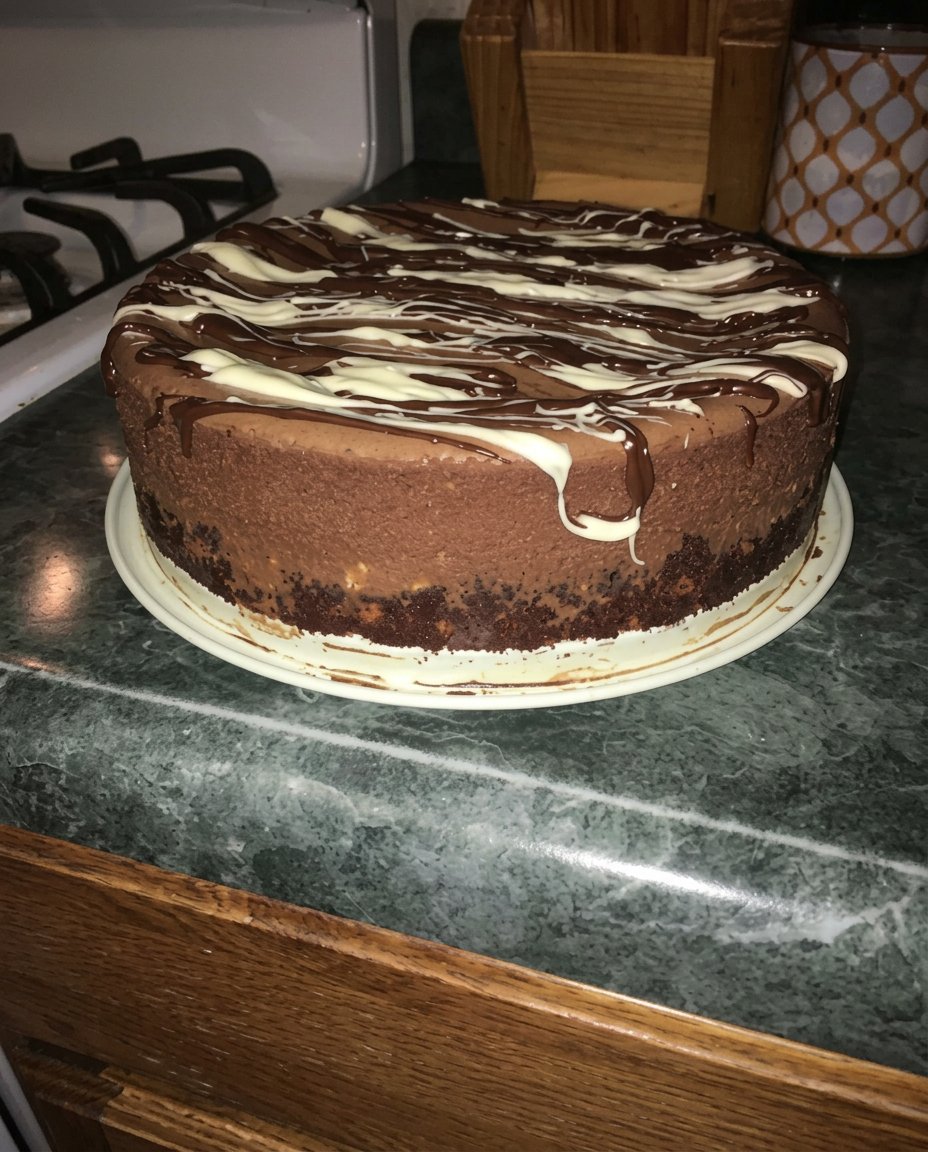
Temperature control is the difference between a grainy truffle and a silky one. When you are folding the whipped cream into the chocolate ganache, the chocolate must be at room temperature—roughly 70°F (21°C). If the chocolate is too warm, it will melt the air bubbles in your cream, resulting in a dense, heavy layer. If it is too cold, the chocolate will seize into tiny hard bits when it hits the cold cream. For more on managing moisture in heavy batters, read our guide on old-fashioned-chocolate-cake where we discuss the role of fats in crumb structure. Additionally, always use a hot, dry knife when slicing. Dip your blade in boiling water, wipe it completely dry, and make one clean cut for that sharp, professional look.
Technical Tweaks and Advanced Options
For those looking to adjust the flavor profile while maintaining structural integrity, consider a fruit-acid balance. You can spread a thin layer of high-quality raspberry preserves over the sponge before adding the truffle layer. This creates a sharp contrast to the deep cocoa. Our chocolate-raspberry-cake tutorial provides more details on using fruit coulis in layered desserts. Another advanced option is to infuse the cream for the truffle layer with espresso beans or Earl Grey tea. Simply steep the aromatics in the hot cream for 10 minutes, then strain and re-measure the liquid before proceeding with the ganache. This adds a sophisticated aromatic layer without changing the fundamental chemistry of the emulsion.
Presentation Precision and Textural Balance
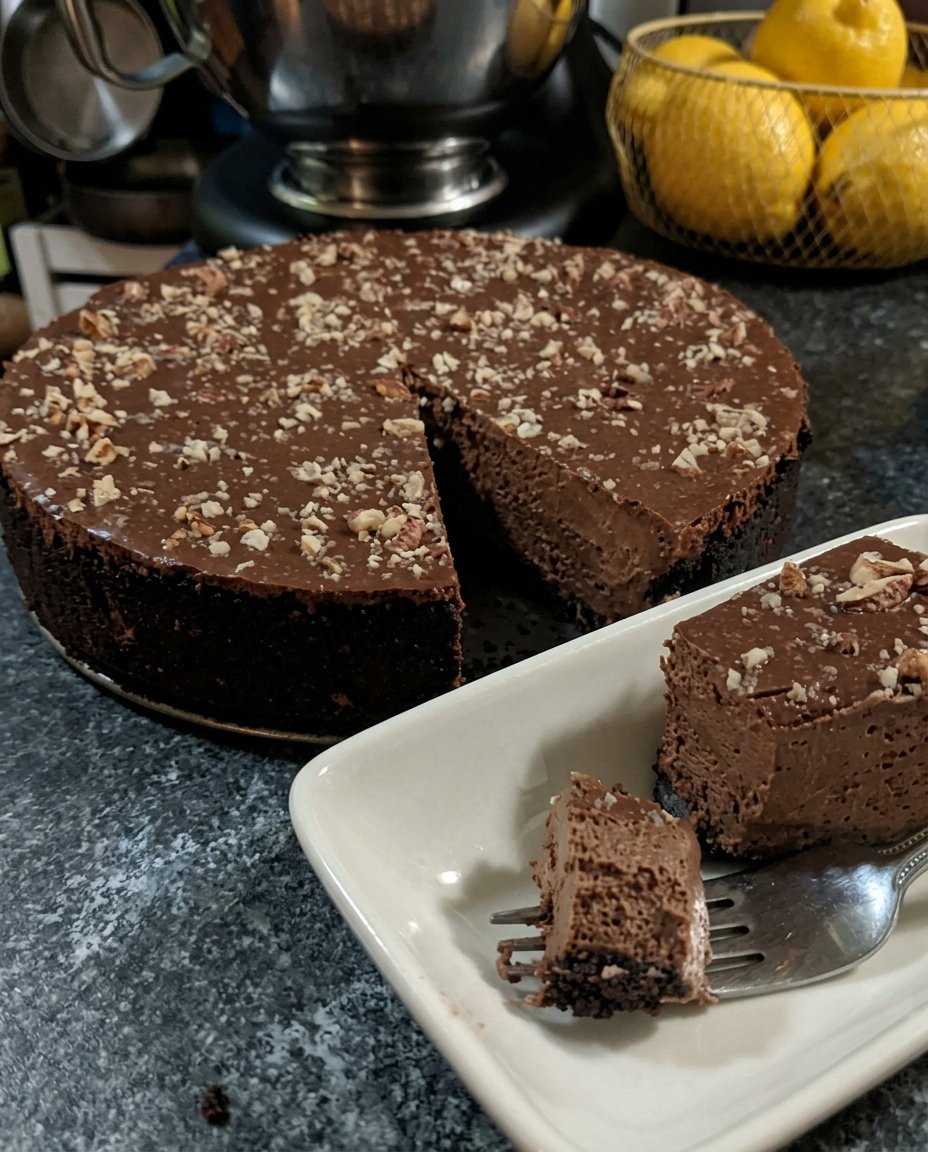
To honor the work put into the layers, this cake should be served with minimal but high-quality accompaniments. A dollop of unsweetened crème fraîche provides a tangy counterpoint to the richness of the dark chocolate. If you prefer a more classic approach, a light dusting of cocoa powder or a few fresh blackberries can add visual interest without distracting from the cake’s structure. For those who enjoy a more traditional American style, you might look at our devils-food-cake for inspiration on serving chocolate cakes with various cream-based toppings. Always serve on a chilled plate to prevent the delicate truffle layer from softening too quickly during the meal.
Master the Craft of Chocolate Emulsions
Successfully creating this Chocolate Truffle Cake is a victory for any baker focused on technical mastery. By respecting the temperatures of your ingredients and the timing of your folds, you create a dessert that is as structurally sound as it is beautiful. If you are eager to continue your journey through cocoa-based textures, take a look at our other cake-ideas-chocolate-cake for more inspiration. Mastering the art of the ganache is a skill that will serve you in every facet of pastry arts. Please share your results with our community of precision-focused bakers on Instagram, Facebook, or Pinterest. We look forward to seeing your perfectly leveled creations.