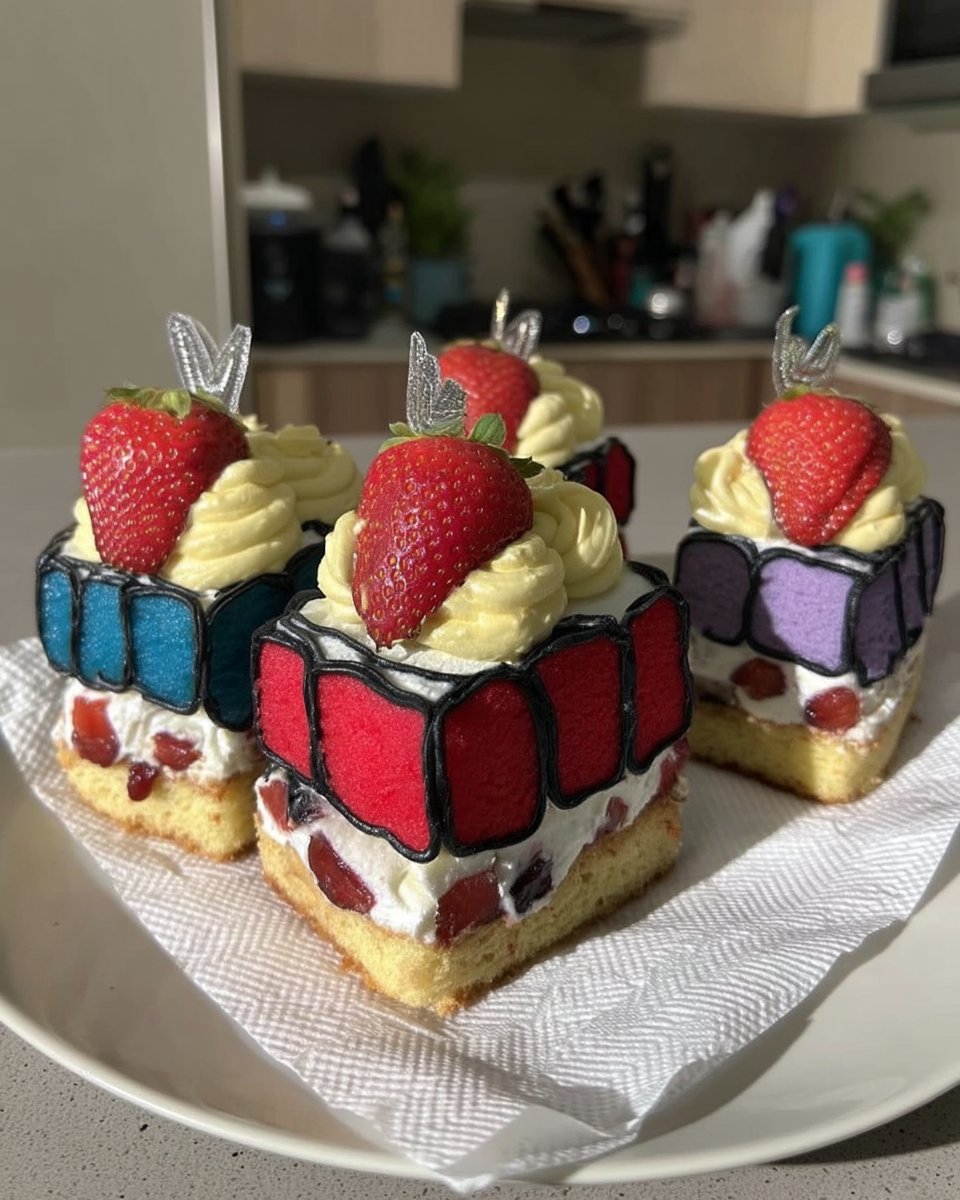
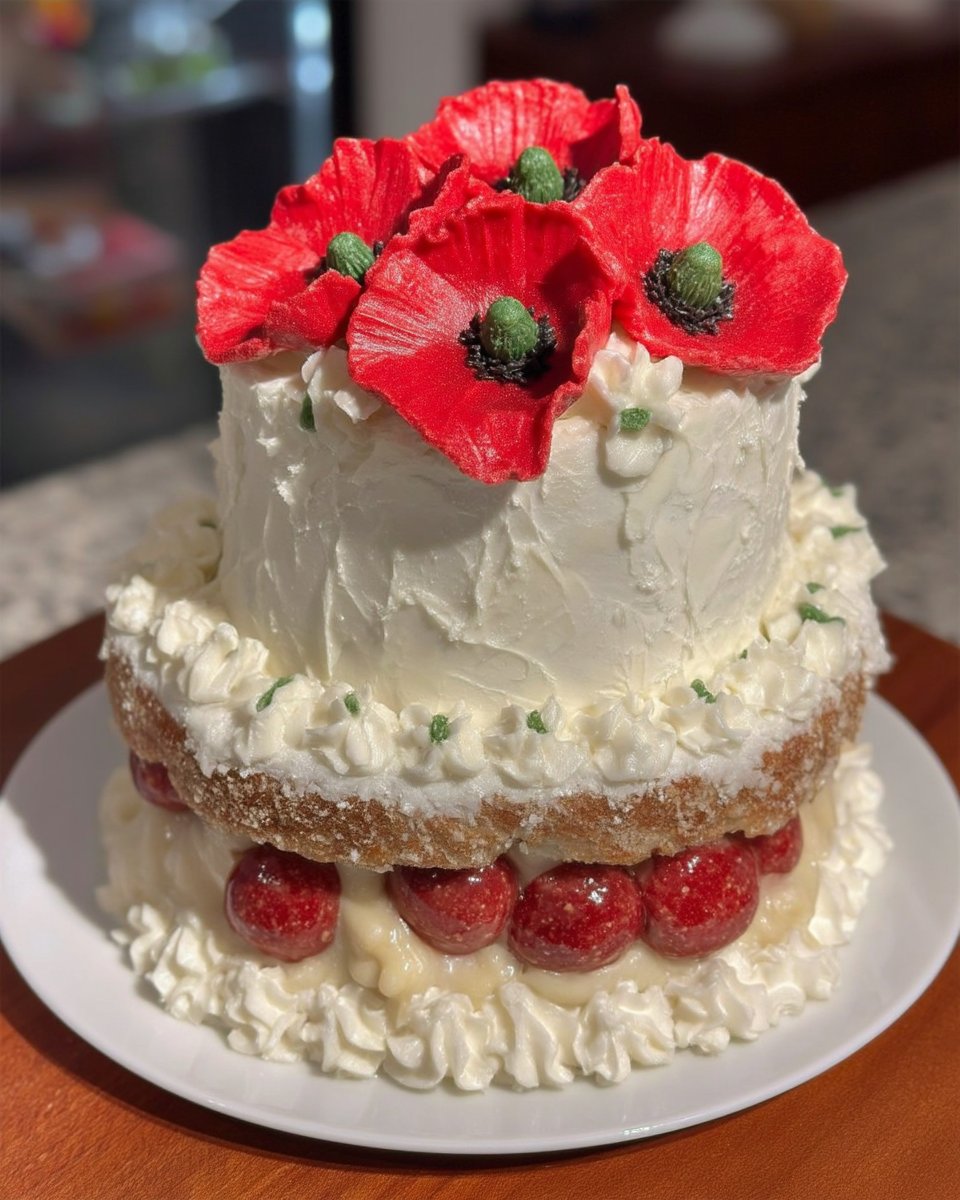
In the pastry kitchens of London, I learned that the simplest recipes are often the most unforgiving; there is no heavy ganache or spiced fruit to hide a dry crumb or a tough gluten network. A truly perfect vanilla cake requires a precise understanding of the balance between structure—provided by the protein in the flour and eggs—and the tenderizing ‘melt’ created by the fats and sugars. This recipe is a study in that equilibrium, offering a crumb that supports intricate layering while dissolving effortlessly on the palate.

What sets this particular formula apart from other cake recipes is the calculated hybrid of fats: butter for that unmistakable lactic flavor and crystalline structure, and oil to ensure the crumb remains moist and tender even after days of storage. By employing the creaming method with precise temperature control, we create a batter that acts as a stable emulsion, resulting in a bake that is technically flawless and texturally superior.
Why This Stands Out Among Cake Recipes
The Science of the Hybrid Fat System
Most home bakers feel forced to choose between the rich flavor of an all-butter cake and the moist texture of an oil-based sponge. In my testing, I have found that a 50/50 split provides the ultimate mouthfeel. The butter, when creamed with sugar, creates jagged air pockets (mechanical leavening) that give the cake its lift and fine crumb structure. The oil, which remains liquid at room temperature, coats the flour proteins, preventing excessive gluten formation and ensuring the cake stays tender for days.
Precision Textural Balance
This recipe is engineered for what I call “structural melt.” Often, cake recipes yield sponges that are either too dense (leaning towards a pound cake) or too airy and flimsy (like a chiffon). This formula hits the sweet spot: substantial enough to be tortured into layers and stacked without collapsing, yet possessing a delicate, velvety crumb that yields instantly when eaten. It is the blank canvas of the pastry world, executed with technical rigor.
Print
Classic Vanilla Cake
- Total Time: 50 mins
- Yield: 12 servings
- Diet: Vegetarian
Description
This technically-driven vanilla cake uses a hybrid fat system of butter and oil to create a crumb that is both flavorful and exceptionally moist. Engineered for structural integrity and a delicate melt-in-your-mouth texture, it serves as the perfect foundation for any tiered celebration.
Ingredients
- 375g (approx. 3 cups) All-purpose flour
- 1 tablespoon Baking powder
- 1 teaspoon Salt
- 1/2 cup (113g) Unsalted butter, softened to 65-68°F
- 1/2 cup Neutral oil (avocado or canola)
- 1 3/4 cups Granulated sugar
- 4 Large eggs, room temperature
- 2 teaspoons Vanilla extract
- 1 cup Buttermilk, room temperature
Instructions
- Preheat oven to 350°F (177°C) and prepare two deep 8-inch round cake pans by lining the bottoms with parchment paper and lightly greasing the sides.
- In a stand mixer fitted with the paddle attachment, combine the softened butter, oil, and granulated sugar and beat on medium-high speed for 3-5 minutes until pale and voluminous.
- Reduce the mixer speed to medium-low and add the eggs one at a time, beating well after each addition; stir in the vanilla extract until incorporated.
- In a separate medium bowl, whisk together the flour, baking powder, and salt.
- With the mixer on the lowest setting, add the dry ingredients in three parts and the buttermilk in two parts, alternating between them (Dry-Wet-Dry-Wet-Dry), mixing only until the last streak of flour disappears.
- Divide the batter evenly between the prepared pans and bake for 30-35 minutes until the surface springs back and a toothpick comes out with a few moist crumbs.
- Cool the cakes in their pans for 10-15 minutes before inverting them onto a wire rack to cool completely.
Notes
To achieve the best results, ensure all refrigerated ingredients are at room temperature to maintain a stable emulsion. For the most accurate crumb structure, use a kitchen scale to measure the flour at exactly 375 grams rather than relying on volume measurements.
- Prep Time: 20 mins
- Cook Time: 30 mins
- Category: Dessert
- Method: Creaming
- Cuisine: American
The Technical Foundation
Unsalted Butter (Room Temperature)
Precision begins here. We use unsalted butter to control the sodium content exactly. The butter must be softened to approximately 65°F-68°F (18°C-20°C). At this temperature, it is plastic enough to expand and hold air bubbles during creaming but cool enough not to melt into an oily puddle. This aeration is the backbone of your cake’s structure.
Neutral Oil (Avocado or Canola)
While butter provides structure and flavor, oil provides pure sensation. Because it does not solidify at room temperature, it ensures the cake does not dry out. I prefer avocado oil for its clean profile, but canola or vegetable oil works perfectly. Do not substitute with olive oil, as its viscosity and flavor profile will disrupt the delicate balance we are achieving.
Cake Flour vs. All-Purpose Flour
This recipe calls for All-Purpose flour (approx. 10-12% protein), which provides enough gluten structure to support the rise. However, for an even finer, tighter crumb, you can substitute Cake Flour (approx. 7-9% protein). If using cake flour, increase the volume to 3 ⅓ cups (375g) to account for the difference in density and absorption.
Buttermilk (Room Temperature)
The acidity in buttermilk is crucial—it tenderizes the gluten strands, leading to a softer crumb, and reacts with the baking powder to assist in the rise. It must be at room temperature to maintain the emulsion of the batter; cold liquid will shock the butter, causing the batter to curdle and break.
The Method: Precision Mixing
Step 1: Temperature Synchronization and Prep
Begin by preheating your oven to 350°F (177°C). Precision in baking starts with mis-en-place. Ensure your eggs, butter, and buttermilk are all at room temperature (approx 70°F/21°C). This allows them to emulsify into a smooth, homogeneous batter rather than separating. Prepare two deep 8″ round cake pans by lining the bottoms with parchment paper and lightly greasing the sides. Do not rely on grease alone; the paper is insurance for a clean release.
Step 2: The Creaming Phase
In the bowl of a stand mixer fitted with the paddle attachment (or a large bowl with an electric hand mixer), combine the softened butter, oil, and granulated sugar. Beat on medium-high speed for 3-5 full minutes. You are looking for a physical change: the mixture should turn pale yellow/white and increase in volume. This process forces sugar crystals into the fat, carving out millions of microscopic air pockets that will expand in the oven.
Step 3: Emulsification
Reduce the mixer speed to medium-low. Add the eggs one at a time, beating well after each addition until fully incorporated. This allows the water content of the whites to emulsify with the fat base. If the batter looks curdled, you may have added them too quickly or they were too cold. Stir in the vanilla extract last.
Step 4: The Alternating Addition
In a separate medium bowl, whisk together the flour, baking powder, and salt to aerate and distribute the leavener. Switch to a spatula or the lowest mixer setting. Add the dry ingredients in three parts and the buttermilk in two parts, alternating between them (Dry-Wet-Dry-Wet-Dry).
Critical Technique: Stop mixing the moment the last streak of flour disappears. Over-mixing at this stage activates the gluten in the flour, transforming your tender cake into a tough, rubbery puck. The batter may have small lumps; ignore them.
Step 5: Baking and Cooling
Divide the batter evenly between the prepared pans (use a scale for absolute precision). Bake at 350°F (177°C) for 30-35 minutes. The cake is done when the surface springs back gently when pressed, and a toothpick inserted into the center comes out with a few moist crumbs—not wet batter, but not bone dry either. Cool in pans for 10-15 minutes to allow the structure to set before inverting onto a wire rack.
Jordan’s Precision Secrets
The Art of Measurement
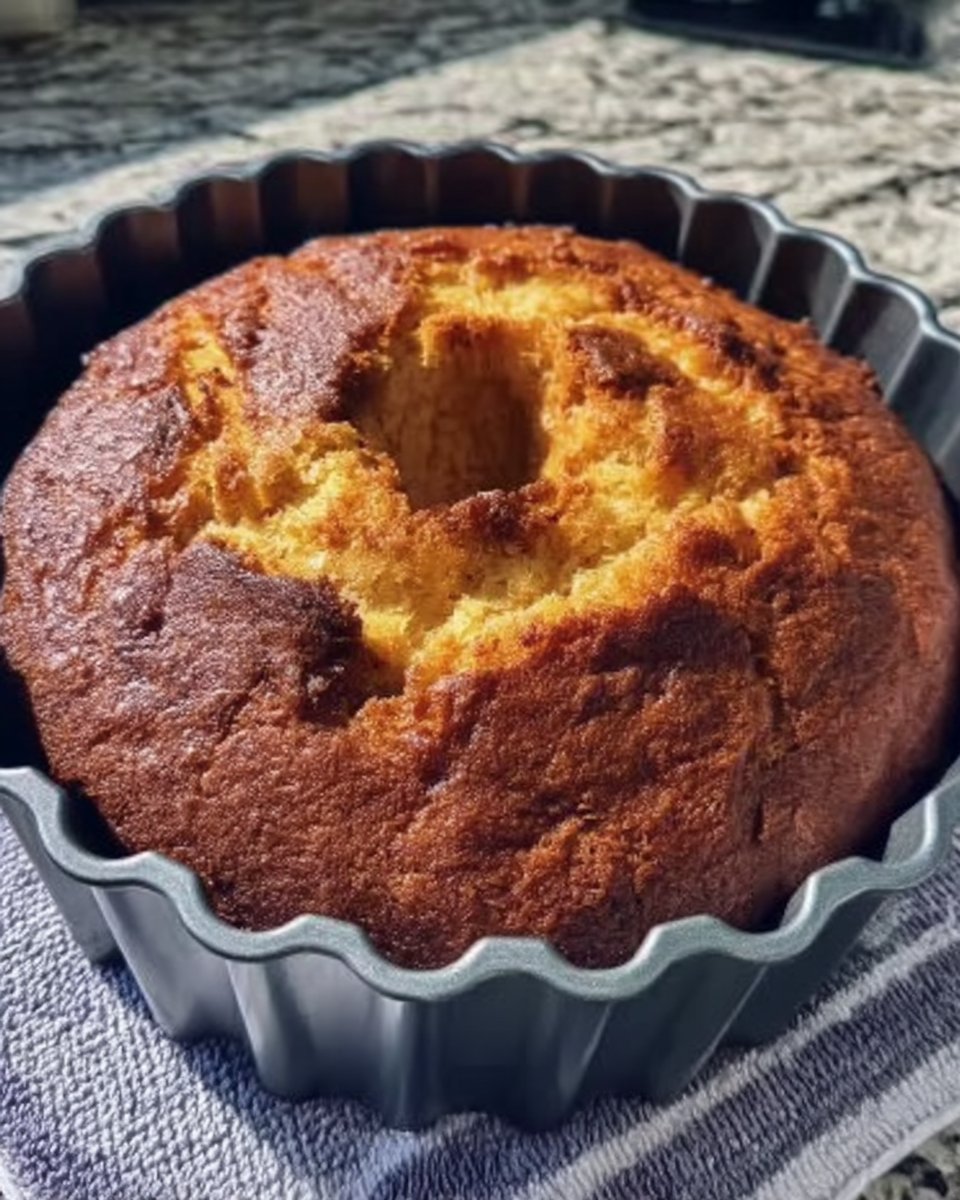
In the pastry arts, volume is an approximation; weight is a fact. Using a kitchen scale to measure your flour (375g) ensures you don’t inadvertently add 20% more flour than intended, which is the leading cause of dry cakes. If you must use cups, use the “spoon and level” method—never scoop directly from the bag, which compresses the flour.
Troubleshooting the Crumb
If your cake sinks in the middle, it is often a sign that the oven door was opened too early (collapsing the air bubbles before the structure set) or the leavening agents were expired. Conversely, if the cake domes significantly, your oven may be running hot. An oven thermometer is an essential tool for the serious home baker.
Flavor Infusions
While vanilla is the standard, this sturdy batter accepts other profiles well. For a deeper, richer alternative, you might look at the technique used in our old-fashioned-chocolate-cake, which relies on blooming cocoa powder to intensify the flavor profile—a method that contrasts interestingly with the emulsion technique used here.
Technical Variations
Cupcake Conversion
This batter translates perfectly to smaller vessels. It will yield approximately 24 cupcakes. Fill liners ¾ full to allow for the dome. Reduce baking time to 17-18 minutes at 350°F (177°C). The smaller mass requires less time to set, so vigilance is required to prevent drying out.
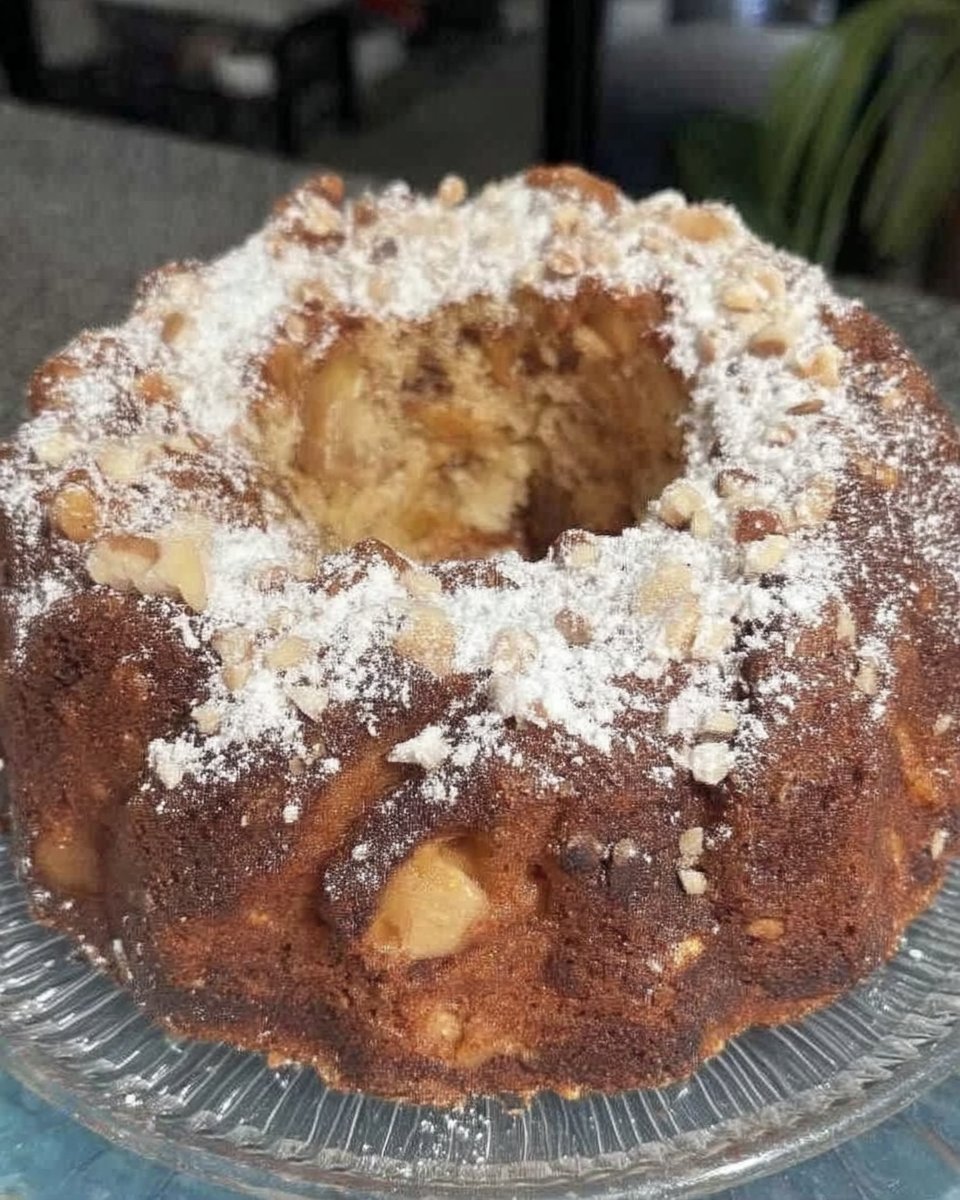
High-Density Variation (Bundt)
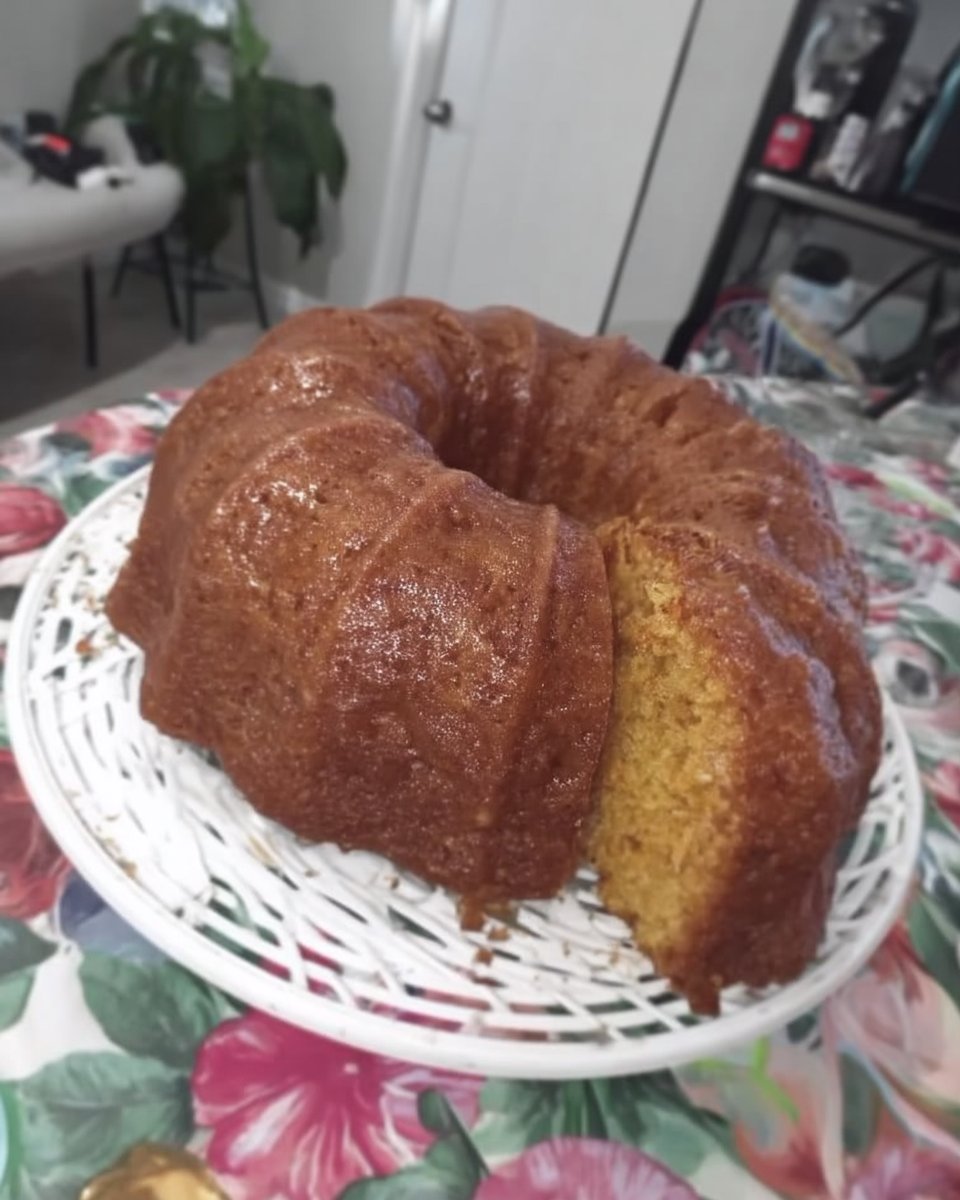
The structure of this cake is robust enough for a Bundt pan, which relies on contact heat for a crustier exterior. Grease the pan aggressively. Bake for 40-45 minutes. The texture will be slightly denser due to the depth of the batter. If you enjoy denser, fruit-laden bakes, you might appreciate the structural requirements of a classic fruit-cake, which demands a very different hydration ratio.
Wedding Cake Tiering
Because of the butter content, this cake chills firm, making it excellent for stacking and carving. If using for a tiered wedding cake, ensure you chill the layers thoroughly before applying a crumb coat. This prevents the delicate crumb from tearing under the spatula.
Presentation Precision
Frosting Pairings
The neutrality of vanilla allows for bold pairings. While a classic American Buttercream is traditional, I find the sweetness can be overwhelming. A Swiss Meringue Buttercream offers a silkier mouthfeel that mirrors the texture of the cake itself. For a tart contrast, the components of our raspberry-white-chocolate-cake can be adapted here, using fresh fruit acids to cut through the richness of the butter and oil crumb.
Cutting Technique
To serve this cake without crushing the delicate layers, use a long, serrated knife or a chef’s knife dipped in hot water and wiped dry. The heat melts the butter in the frosting and the crumb instantaneously, allowing the blade to glide through rather than compress the structure. This preserves the visual integrity of your layers.
The Technical Truth
Mastering this classic vanilla cake is a milestone for any baker. It proves that when you respect the chemistry of your ingredients—temperature, aeration, and hydration—you achieve a result that is superior to any bakery mix. It is not just about sweetness; it is about the architecture of the crumb and the sensation of the melt. For more studies in texture and technique, you can browse our full recipe-index to find your next challenge. For a broader look at how other chefs approach these standards, resources like RecipeTin Eats also offer excellent perspectives on global baking styles.
We love seeing your structural triumphs. Share your precision bakes with us on Pinterest, Facebook, or Instagram.