During my early training in a London patisserie, I learned that the most humble bakes often require the most rigid discipline to achieve perfection. This cookie cake represents that philosophy, where the precise aeration of semi-salted butter determines whether the result is a heavy, dense slab or a melt-in-the-mouth masterpiece. We are not merely mixing ingredients; we are constructing a delicate framework that must support both a crisp exterior and a tender, yielding core.

This recipe produces a magnificent dessert that bridges the gap between a traditional biscuit and a structured cake. By utilizing high-quality dark chocolate and specific creaming techniques, we create a profile that is sophisticated enough for a dinner party yet deeply nostalgic. It is the definitive answer for those who demand the bite of a cookie with the communal joy of a sliced cake.
Structure Meets Texture
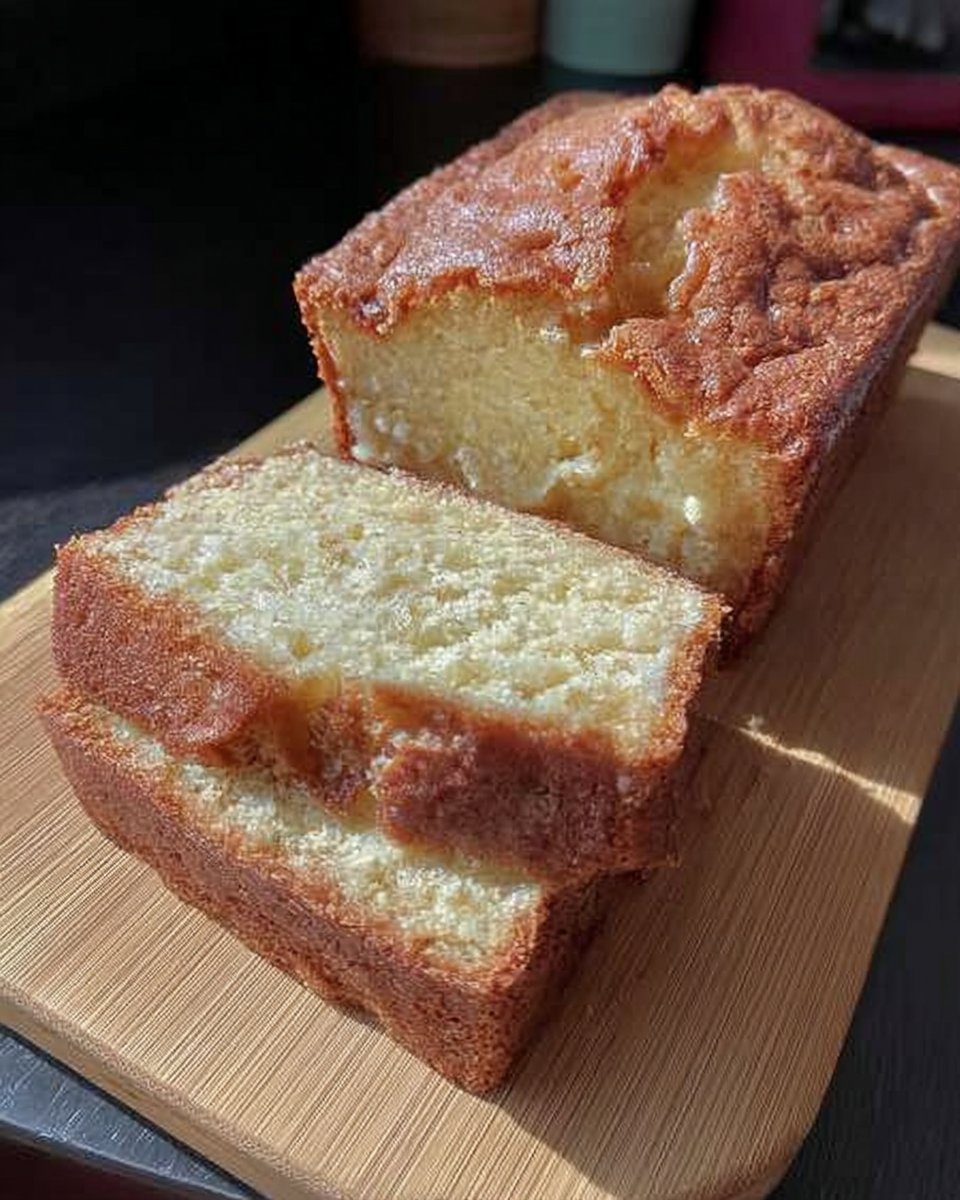
The brilliance of this specific bake lies in its dual identity. Unlike individual cookies that can often become brittle or overly thin, a cookie cake maintains a significant vertical dimension. This height allows for a gradient of textures that is impossible to achieve in a smaller format. The base and edges undergo a beautiful caramelization, providing a firm structural wall, while the interior remains protected and soft.
Precision in the sugar ratio is why this recipe succeeds. We use a combination of brown sugar and vanilla sugar to achieve a specific moisture level. The molasses in the brown sugar provides a chewy resistance, while the granulated sugars help create that essential crisp crust. This is not just a treat; it is a study in how heat interacts with fat and sugar to create a sensory triumph. When you cut into this, you will notice the chocolate has not just melted; it has integrated into the crumb, creating pockets of richness that contrast with the crunch of the toasted pecans.
Print
Cookie Cake
- Total Time: 45 mins
- Yield: 8 servings
- Diet: Vegetarian
Description
This sophisticated cookie cake blends the crisp, caramelized edges of a classic biscuit with the tender, indulgent core of a professional patisserie dessert. Studded with hand-chopped dark chocolate and toasted pecans, it offers a perfect balance of textures and rich, deep flavors.
Ingredients
- 150g semi-salted butter, softened (18-20°C)
- 115g brown sugar
- 1 sachet vanilla sugar
- 1 large egg, room temperature
- 200g all-purpose flour
- 1 tsp baking powder
- 150g dark pastry chocolate (70% cocoa), hand-chopped
- 50g pecans
Instructions
- Preheat oven to 170°C (340°F).
- Whisk softened semi-salted butter with brown sugar and vanilla sugar in a large bowl until pale and aerated.
- Add the egg and whisk vigorously until the mixture is glossy and unified.
- Sift in the flour and baking powder, then fold with a spatula until no white streaks remain.
- Coarsely chop the dark chocolate, reserving 1/4 for the top; fold the rest into the dough.
- Grease a 22cm (9-inch) pan and press the dough evenly into it.
- Press the reserved chocolate and pecans into the surface.
- Bake on the middle rack for 25 to 30 minutes until edges are golden and the center has a slight wobble.
- Remove from oven and cool in the pan for at least 20 minutes to allow the structure to stabilize.
Notes
For the most precise results, always weigh your ingredients using a digital scale as volume measurements can vary significantly. If the center of the cake still appears slightly soft when the timer goes off, avoid over-baking; the residual heat from the pan will finish the cooking process during the resting phase.
- Prep Time: 15 mins
- Cook Time: 30 mins
- Category: Dessert
- Method: Baking
- Cuisine: American
The Technical Foundation
Success in the pastry kitchen begins with the quality of your raw materials. Each component here has been selected for its contribution to the final structural integrity and mouthfeel.
- Semi-Salted Butter (150g): This must be softened to approximately 18-20°C (64-68°F). The salt content is vital as it sharpens the flavor of the cocoa and balances the sweetness of the sugars. Avoid using unsalted butter here, as the mineral quality of the salt is essential for the depth of the dough.
- Brown Sugar (115g): This provides the hygroscopic properties needed to keep the center moist. It also contributes a hint of caramel that pairs perfectly with dark chocolate.
- Vanilla Sugar (1 sachet): This offers a clean, aromatic lift that permeates the entire crumb without adding excess liquid.
- Large Egg (1): Your primary emulsifier. It must be at room temperature to properly bond with the creamed butter and sugar without causing the mixture to split.
- All-Purpose Flour (200g): This provides the protein structure. We use a moderate amount to keep the bake tender while still being strong enough to hold the weight of the chocolate chunks.
- Baking Powder (1 tsp): Our leavening agent that creates the tiny air pockets responsible for the ‘melt’ factor.
- Dark Pastry Chocolate (150g): Seek out a chocolate with at least 70% cocoa solids. Hand-chopping this into irregular shards is better than using chips, as the varying sizes create a more complex melting profile.
- Pecans (50g): These add a fatty, woody crunch that interrupts the sweetness and provides a necessary textural contrast.
The Method
Step 1: Thermal Preparation
Preheat your oven to 170°C (340°F). This temperature is specific; it is high enough to trigger the Maillard reaction on the surface but low enough to allow the thick center to cook through without becoming dry or hard.
Step 2: The Creaming Phase
In a large glass bowl, whisk the softened semi-salted butter with the brown sugar and vanilla sugar. You are looking for a pale, slightly aerated texture. This step is not just about mixing; it is about trapping microscopic air bubbles that will expand in the oven to create a light crumb.
Step 3: Emulsification
Add the whole egg to the butter mixture. Continue whisking vigorously until the mixture is glossy and completely unified. If the egg is too cold, the butter may clump; if this happens, simply keep whisking until the friction warms the fat back into a smooth state.
Step 4: Dry Integration
Sift the flour and baking powder into the bowl. Switch to a flexible spatula and fold the ingredients together. Stop the moment you no longer see streaks of white flour. Over-working the dough at this stage will develop the gluten, leading to a tough, bread-like texture rather than a tender cake.
Step 5: Chocolate Sculpting
Using a heavy chef’s knife, coarsely chop the dark chocolate. You want a mix of fine dust and large chunks. Reserve about a quarter of these for the topping. Fold the remaining three-quarters into the dough, ensuring even distribution of the larger pieces.
Step 6: Molding and Shaping
Grease a 22cm (approx. 9-inch) springform or loose-bottomed pan. Transfer the dough into the center and use your spatula or clean fingers to press it toward the edges. The surface should be flat and even to guarantee a uniform bake.
Step 7: Final Textural Additions
Press the reserved chocolate chunks into the surface along with the pecans. This creates a visually stunning finish and ensures that every slice has a prominent ‘top layer’ of texture.
Step 8: The Precision Bake
Place the pan on the middle rack and bake for 25 to 30 minutes. The edges should be a deep golden brown and firm to the touch, while the center should still have a slight, delicate wobble when the pan is gently shaken.
Step 9: Stabilization
Remove from the oven and allow the cake to cool in the pan for at least 20 minutes. This rest period is mandatory. The internal structure needs time to set as the residual heat finishes the cooking process. Sprinkle with fleur de sel or a drizzle of praliné if you desire an extra layer of decadence.
Precision Secrets
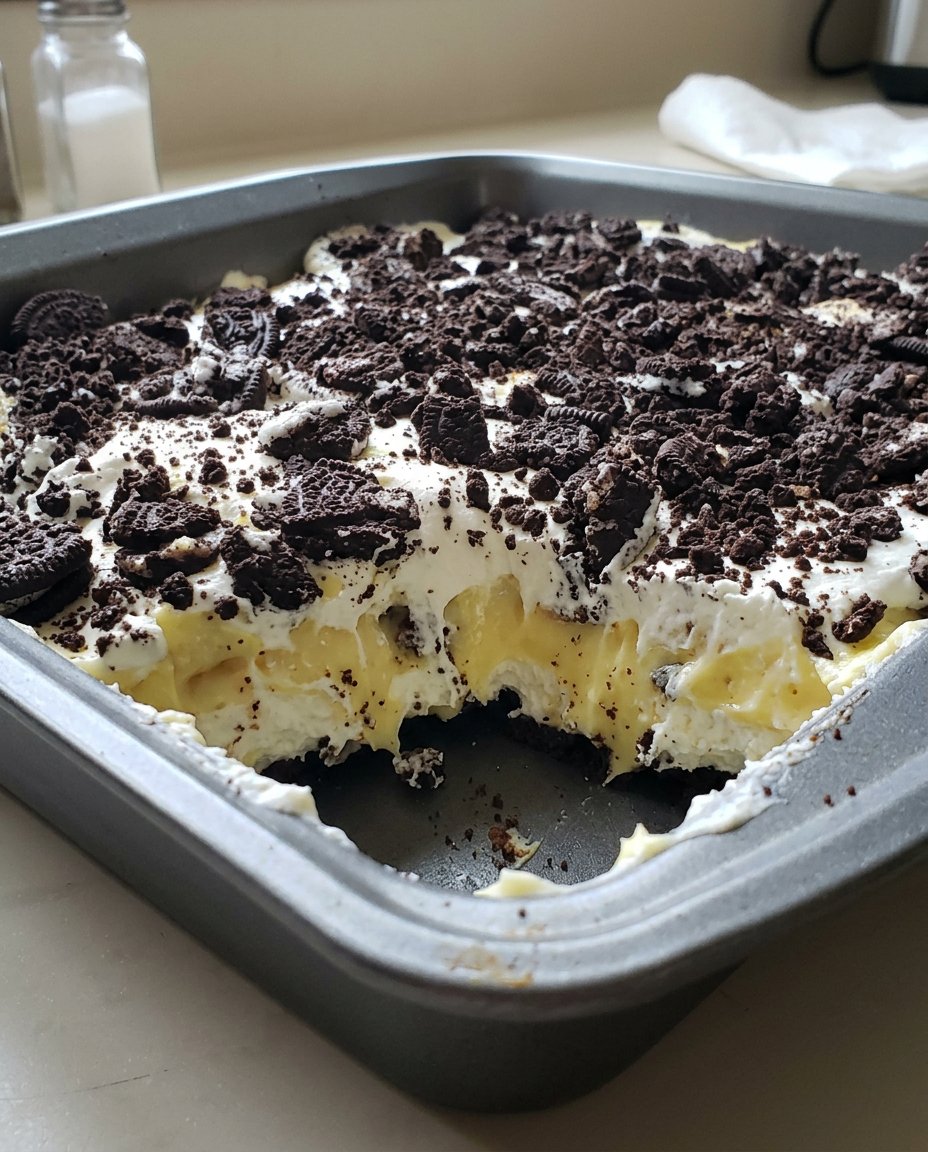
To achieve the perfect mouthfeel, you must respect the temperature of your ingredients. If your butter is too melted, the cake will be greasy and flat; if too hard, it will not aerate. I recommend using a digital thermometer to confirm your butter is at 19°C. For those looking to master the art of temperature control across all their bakes, our recipe-index offers a wealth of technical guidance on fat management in pastry.
Another secret involves the chocolate. By hand-chopping your bars rather than using pre-made chips, you create ‘chocolate lace’—tiny shavings that dissolve into the dough, seasoning the entire crumb with cocoa. This technique is often discussed in professional circles, including resources like Tangerine Zest, which highlights the importance of chocolate quality in large-format bakes. Finally, always weigh your flour. A ‘cup’ can vary by 20%, but grams never lie.
Technical Tweaks
Once you have mastered the base structure, you can experiment with the flavor profile while maintaining the structural integrity. For a more delicate, fruity version, you might consider swapping the dark chocolate for white chocolate and adding freeze-dried berries. This approach is similar to the flavor balancing we use in our raspberry-white-chocolate-cake, where the acidity of the fruit cuts through the richness of the cocoa butter.
Alternatively, you can create a ‘Stuffed Cookie Cake’ by layering half the dough, adding a thin layer of hazelnut spread or homemade praliné in the center, and topping it with the remaining dough. If you choose this route, increase the baking time by 5 minutes to account for the extra moisture in the middle. You could also replace pecans with walnuts or macadamias, though I find pecans offer the best structural snap after roasting.
Presentation Precision
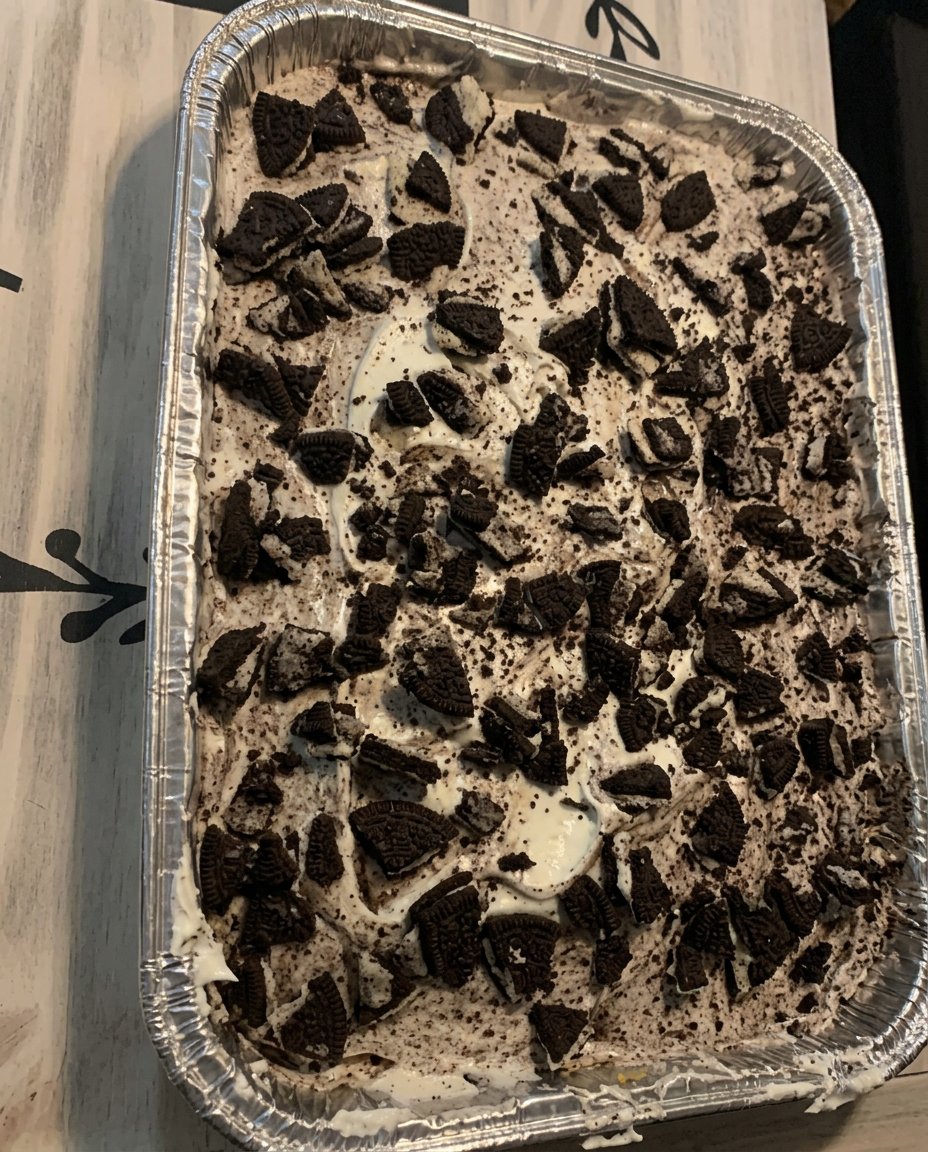
Serving a cookie cake requires a different approach than a standard sponge. For the cleanest slices, use a sharp serrated knife and wipe the blade between each cut. This prevents the melted chocolate chunks from smearing across the crumb, preserving the visual contrast of the interior. If you are aiming for a traditional look, cut the cake into thin wedges, similar to a tart.
For a truly spectacular textural balance, serve a warm slice alongside a scoop of high-quality vanilla bean gelato or a dollop of unsweetened crème fraîche. The cold cream provides a beautiful counterpoint to the warm, dense crumb. If you enjoy the combination of salt and chocolate, you might find inspiration in our old-fashioned-chocolate-cake, which also focuses on that perfect balance of richness and restraint. Always serve on a warmed plate to keep the chocolate in its most luscious, melted state.
Master the Craft
Precision in baking is the difference between a simple snack and a professional-grade dessert. By focusing on the temperature of your fats and the timing of your bake, you have created a cookie cake that stands as a testament to technical mastery. This balance of a caramelized crust and a tender, chocolate-rich interior is the hallmark of a skilled pastry chef. If you enjoyed the marriage of nuts and rich chocolate in this bake, you should certainly try our snickers-cake for your next project.
I would love to see your results and the beautiful crumb structure you achieve. Please share your triumphs with our community on Instagram, Facebook, and Pinterest. Happy baking!