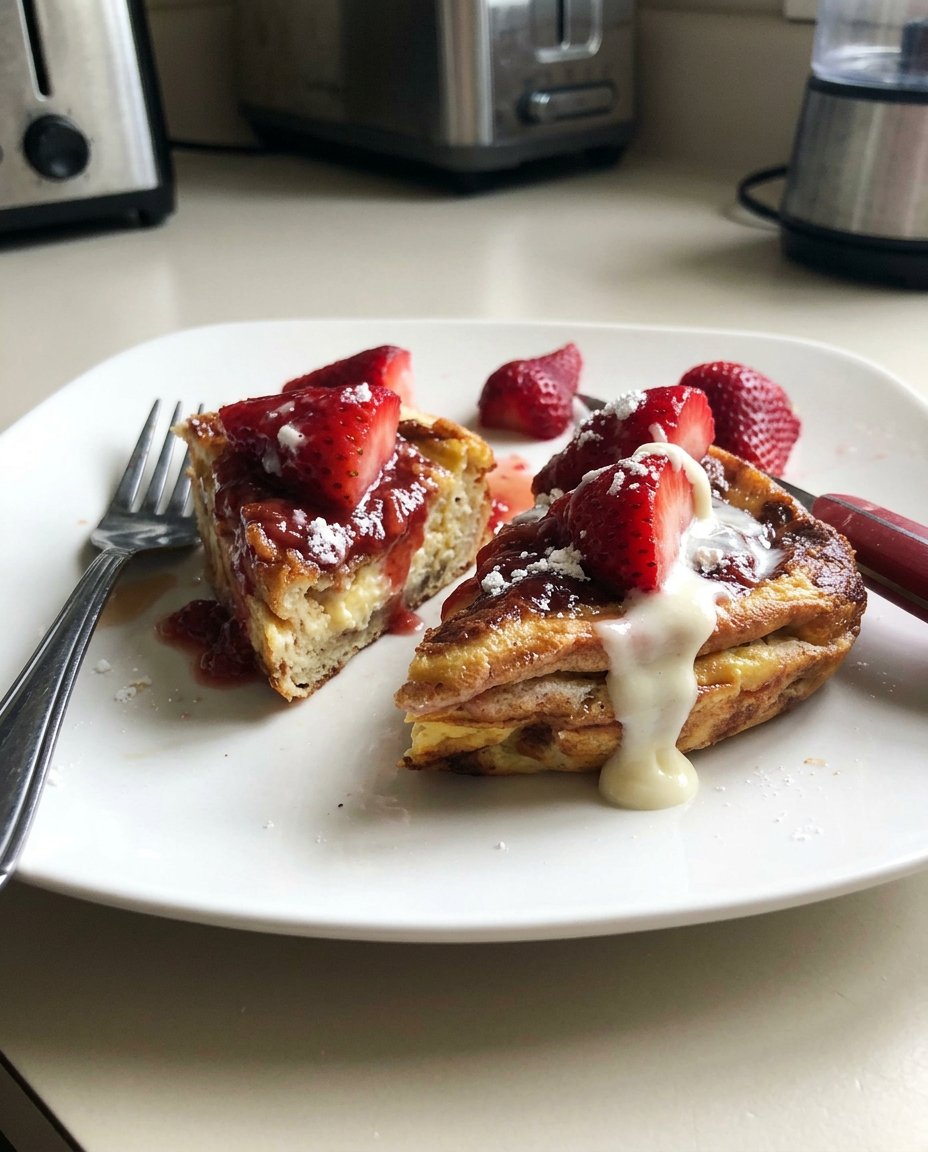
My early training in a classic British pastry kitchen taught me that the most humble forms often require the most rigorous technique. This donut cake is a testament to that principle, demanding a precise balance of structural integrity and a melt-in-your-mouth crumb. We achieve this specific mouthfeel by carefully managing the aeration during the creaming stage and controlling the hydration of the cocoa solids.

This recipe captures the nostalgic essence of a rich chocolate cake donut while providing the sophisticated moisture of a professional Bundt. By utilizing both buttermilk and sour cream, we create a complex acidic environment that interacts with our leaveners to produce a tender yet stable cake. It is a technical triumph that proves precision in the kitchen leads to a superior sensory experience.
The Architecture of a Perfect Crumb
You will appreciate this recipe because it solves the common technical challenge of the “dry Bundt.” Most large-format cakes suffer from an uneven moisture distribution, but this method uses a high-fat ratio from both unsalted butter and full-fat sour cream to maintain a silky texture for days. The addition of hot water at the final stage of mixing serves a dual purpose: it blooms the cocoa powder for a deeper flavor profile and lowers the batter’s viscosity, allowing it to fill every detail of the decorative pan without air pockets.
Furthermore, the structural beauty of this cake is matched by its textural contrast. The exterior develops a slight crust during the 50-minute bake, which provides a satisfying resistance before revealing the soft, cocoa-rich interior. When you apply the vanilla glaze, it seeps slightly into the warm surface, creating a semi-permeable layer that mimics the classic glazed donuts of a high-end bakery. This is not just a cake; it is a study in how fat, acid, and temperature work together to create a stunning result.
Print
Donut Cake
- Total Time: 1 hour 10 mins
- Yield: 12 servings
- Diet: Vegetarian
Description
This sophisticated chocolate Bundt cake captures the nostalgic flavor of an old-fashioned glazed donut through a precise blend of buttermilk, sour cream, and warm spices. It features a rich, tender crumb and a perfectly textured exterior that elevates a simple classic into a gourmet dessert experience.
Ingredients
- 226g unsalted butter, room temperature
- 300g granulated sugar
- 3 large eggs
- 1 teaspoon vanilla extract
- 2.5 cups all-purpose flour
- 75g Dutch-process cocoa powder
- 1 teaspoon baking powder
- 1/2 teaspoon baking soda
- 1/2 teaspoon salt
- 1/2 teaspoon ground nutmeg
- 1/4 teaspoon ground cardamom
- 118ml buttermilk, room temperature
- 118ml full-fat sour cream, room temperature
- 118ml hot water
Instructions
- Preheat your oven to 350°F (175°C) and generously spray a 10-12 cup Bundt pan with non-stick baking spray.
- In a stand mixer fitted with the paddle attachment, cream the butter and sugar on medium-high speed for 2 to 3 minutes until light and fluffy.
- Incorporate the eggs one at a time, ensuring each is fully blended before adding the next, then mix in the vanilla extract.
- In a separate bowl, sift together the flour, cocoa powder, baking powder, baking soda, salt, nutmeg, and cardamom.
- With the mixer on the lowest setting, add the dry ingredients in three parts, alternating with the buttermilk and sour cream, mixing until just combined.
- Stir the hot water into the batter by hand using a rubber spatula until the mixture is smooth and the cocoa is fully bloomed.
- Transfer the batter to the prepared pan, tap firmly to release air bubbles, and bake for 45-50 minutes or until the internal temperature reaches 210°F.
- Allow the cake to cool in the pan for exactly 10 minutes before inverting onto a wire rack to cool completely.
Notes
To ensure the most successful release from your Bundt pan, strictly adhere to the 10-minute cooling window before inversion; timing is critical as the sugar structure sets. For a deeper flavor profile, try replacing the hot water with hot brewed espresso to further intensify the Dutch-process cocoa notes.
- Prep Time: 20 mins
- Cook Time: 50 mins
- Category: Dessert
- Method: Baking
- Cuisine: American
The Technical Foundation of Flavor
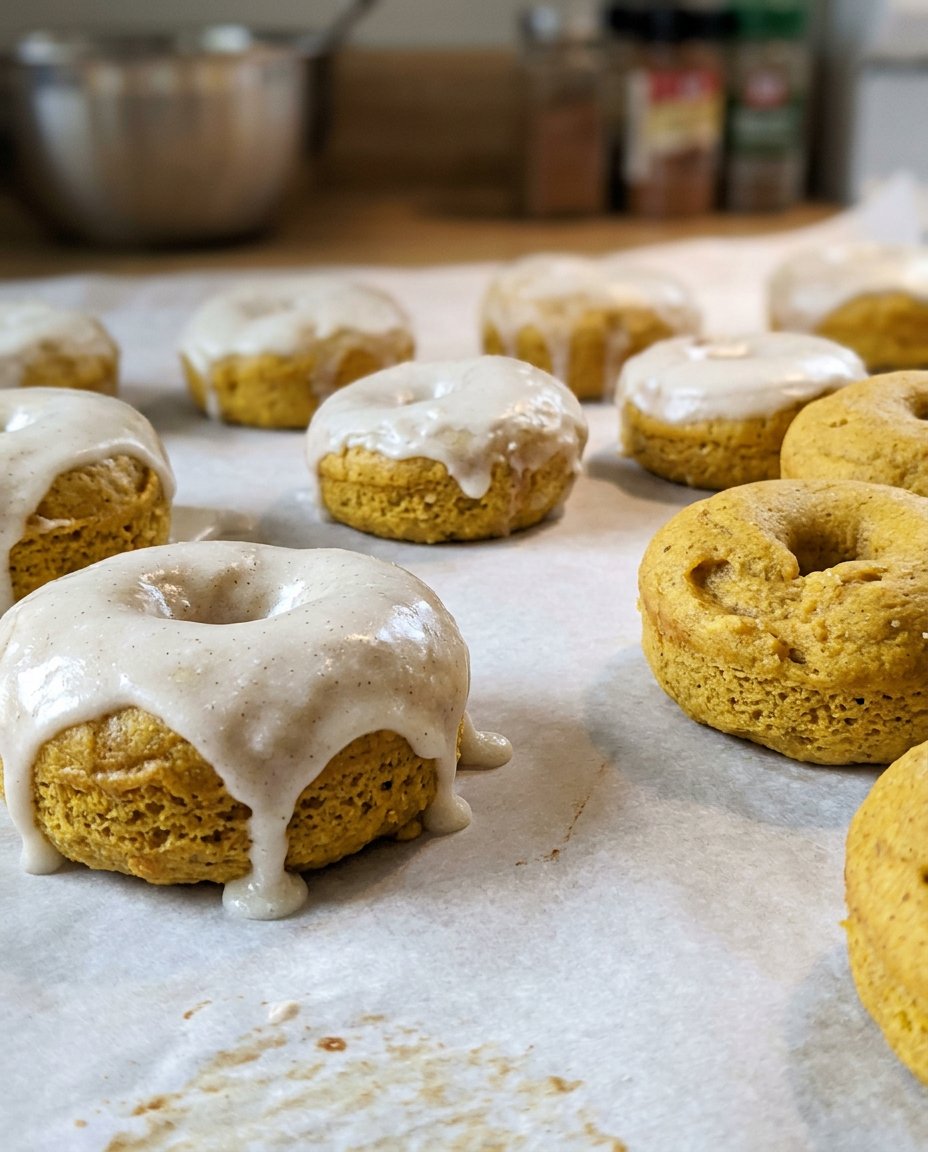
Precision in your mise en place is the first step toward a successful bake. Every ingredient in this list serves a specific chemical function to support the cake’s height and moisture.
- Unsalted Butter (226g): This provides the primary fat source for the creaming method. It must be at room temperature to properly entrap air bubbles within its crystalline structure.
- Dutch Process Cocoa Powder (75g): We use Dutch-process because it has been alkalized, which softens the flavor and allows it to react predictably with baking powder.
- Buttermilk and Sour Cream (118ml each): These provide the acidity necessary to activate the baking soda and tenderize the gluten strands in the all-purpose flour.
- Granulated Sugar (300g): Beyond sweetness, sugar is hygroscopic, meaning it holds onto water molecules to keep the cake moist.
- Nutmeg and Cardamom: These are the “secret” structural aromatics. Nutmeg is the classic flavor found in old-fashioned donuts, while cardamom provides a subtle, sophisticated lift.
- Hot Water (118ml): This ingredient is added last to dissolve any remaining cocoa clumps and trigger the final chemical reactions before the batter enters the oven heat.
A Methodical Approach to Baking
Step 1: Prepare the Vessel
Preheat your oven to 350°F (175°C). Precise heat management starts here; use an oven thermometer to verify the accuracy of your appliance. Spray a 10-12 cup Bundt pan generously with a high-quality non-stick baking spray, making sure to coat every flute and the center tube to prevent structural failure during inversion.
Step 2: Aeration and Creaming
In the bowl of a stand mixer fitted with the paddle attachment, combine the room-temperature butter and sugar. Beat on medium-high speed for exactly 2 to 3 minutes. You are looking for a light, fluffy texture that indicates a successful mechanical aeration. Scrape the bowl thoroughly to include all fat molecules in this process.
Step 3: Emulsification of Eggs
Add the three eggs one at a time. This is a critical stage for the cake’s integrity. Each egg must be fully incorporated before adding the next to create a stable emulsion. If the batter looks curdled, the eggs were likely too cold; continue mixing until smooth before adding the vanilla extract.
Step 4: Dry Ingredient Integration
In a separate medium bowl, sift together the flour, cocoa powder, baking powder, baking soda, salt, and spices. Sifting is non-negotiable here as it aerates the cocoa and prevents clumps. With the mixer on its lowest setting, add the dry mixture in three parts, alternating with the buttermilk and sour cream. Stop as soon as you see only a few streaks of flour; over-mixing at this stage will develop excess gluten, leading to a tough, rubbery texture.
Step 5: Blooming the Cocoa
Remove the bowl from the mixer and pour in the hot water. Use a rubber spatula to stir the water into the batter by hand. This gentle method allows you to verify that the bottom of the bowl is fully incorporated while the heat from the water releases the essential oils in the cocoa solids. The batter will be thinner than a standard sponge batter, which is correct.
Step 6: Thermal Processing
Transfer the batter into the prepared pan. Tap the pan firmly on a flat surface three times to force air bubbles to the top. Bake for 45-50 minutes. At the 40-minute mark, check for browning. If the crust is darkening too quickly, tent the pan with aluminum foil. The cake is finished when a digital probe thermometer reads 210°F (99°C) or a toothpick comes out with just a few moist crumbs.
Step 7: The Cooling Window
Remove the cake from the oven and set it on a wire rack for exactly 10 minutes. This timing is vital; if you invert too soon, the sugar structure is too weak and the cake will collapse. If you wait too long, the cooling sugars will act like glue and stick to the pan. After 10 minutes, invert onto a cooling rack. Flip it once more so the flat side is down, allowing the rounded, textured side to cool completely before glazing.
Mastering the Structural Details
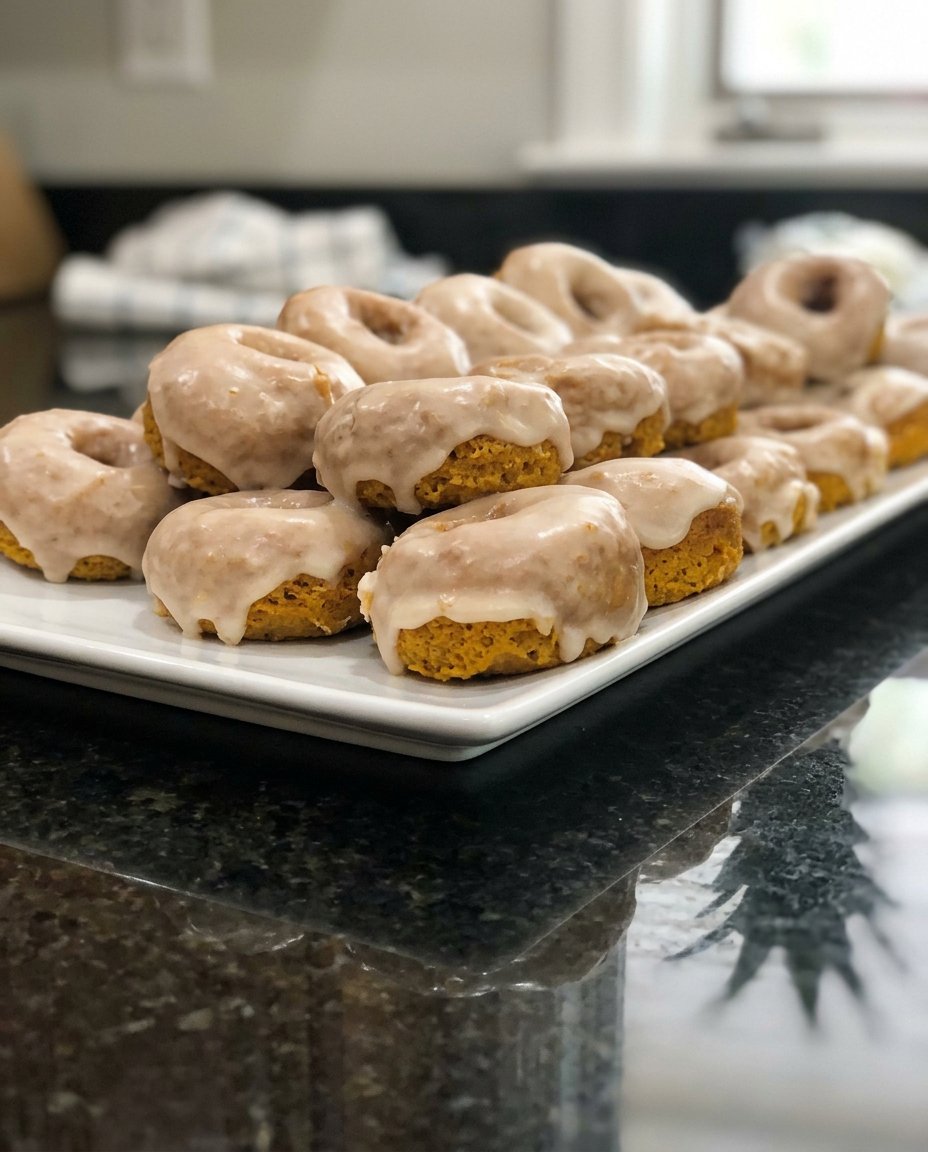
Temperature control is the most overlooked aspect of home baking. Always verify that your buttermilk and sour cream are at room temperature to avoid shocking the fat in the butter, which can cause the batter to break. If you find your cakes often stick to the pan, consider using a professional-grade baking spray that contains flour. Understanding the science behind the old-fashioned chocolate cake method helps in mastering this recipe, as both rely on a stable emulsion to support a high cocoa content. Finally, use a kitchen scale for your measurements; the difference between tender and tough is often just 20 grams of excess flour.
Technical Tweaks for Modern Bakers
For a different flavor profile, you can replace the hot water with hot brewed espresso. This does not make the cake taste like coffee but instead heightens the chocolate notes by interacting with the alkaloids in the Dutch-process cocoa. If you prefer a nut-based texture, look at the layering techniques used in our snickers cake for inspiration on adding a crushed peanut or hazelnut brittle to the center of the batter. You can also experiment with a browned butter glaze for a deeper, nuttier finish that complements the nutmeg and cardamom aromatics perfectly.
Presentation and Textural Balance
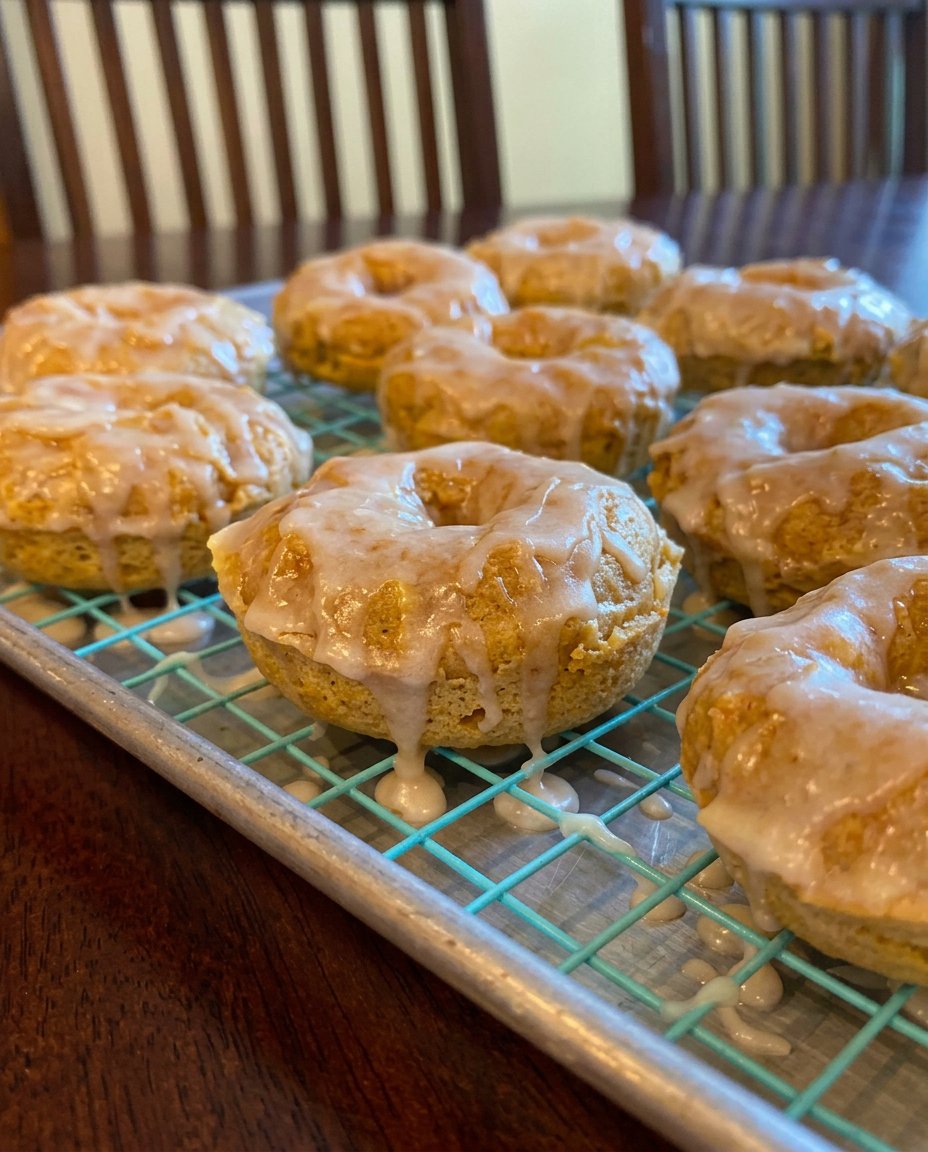
For the best visual and textural results, apply the glaze while it is thick but still pourable. Drench the top of the cake and allow the excess to drip naturally down the fluted sides, creating that iconic donut aesthetic. For more presentation ideas, browse our recipe index. This cake is best served at room temperature with a side of unsweetened whipped cream to balance the sweetness of the glaze. For an alternative take on this style, check out this chocolate donut cake to see how different glaze viscosities can change the final look.
The Final Technical Truth
Mastering the donut cake requires patience and a respect for the chemistry of baking. By following these precise steps, you have created a dessert that balances structural integrity with a remarkably tender crumb. While this cake is dark and rich, you might also enjoy the lighter profile of our lemon rainbow cake for your next technical challenge. Please share your results with our community of ambitious bakers. You can find us on Pinterest, Instagram, and Facebook.