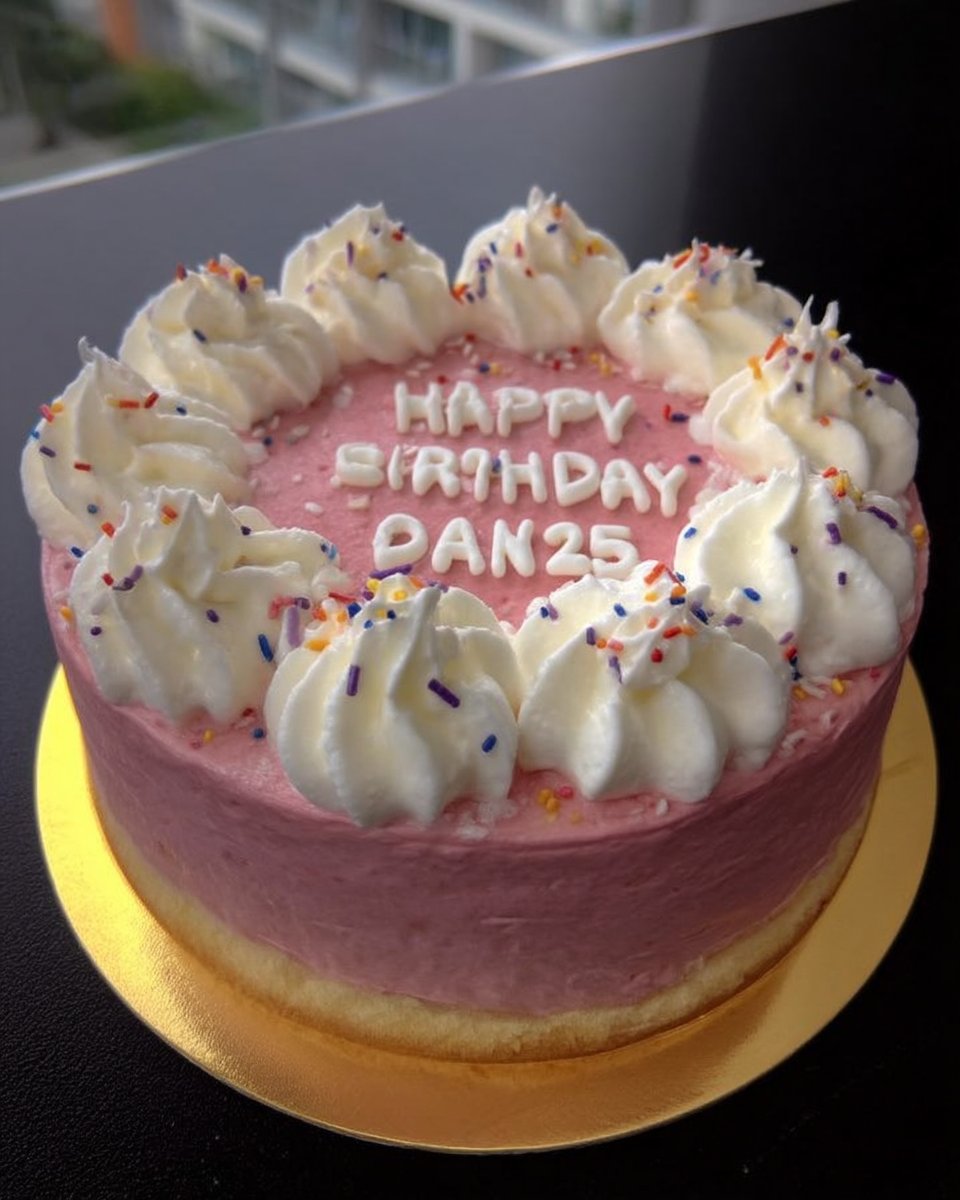
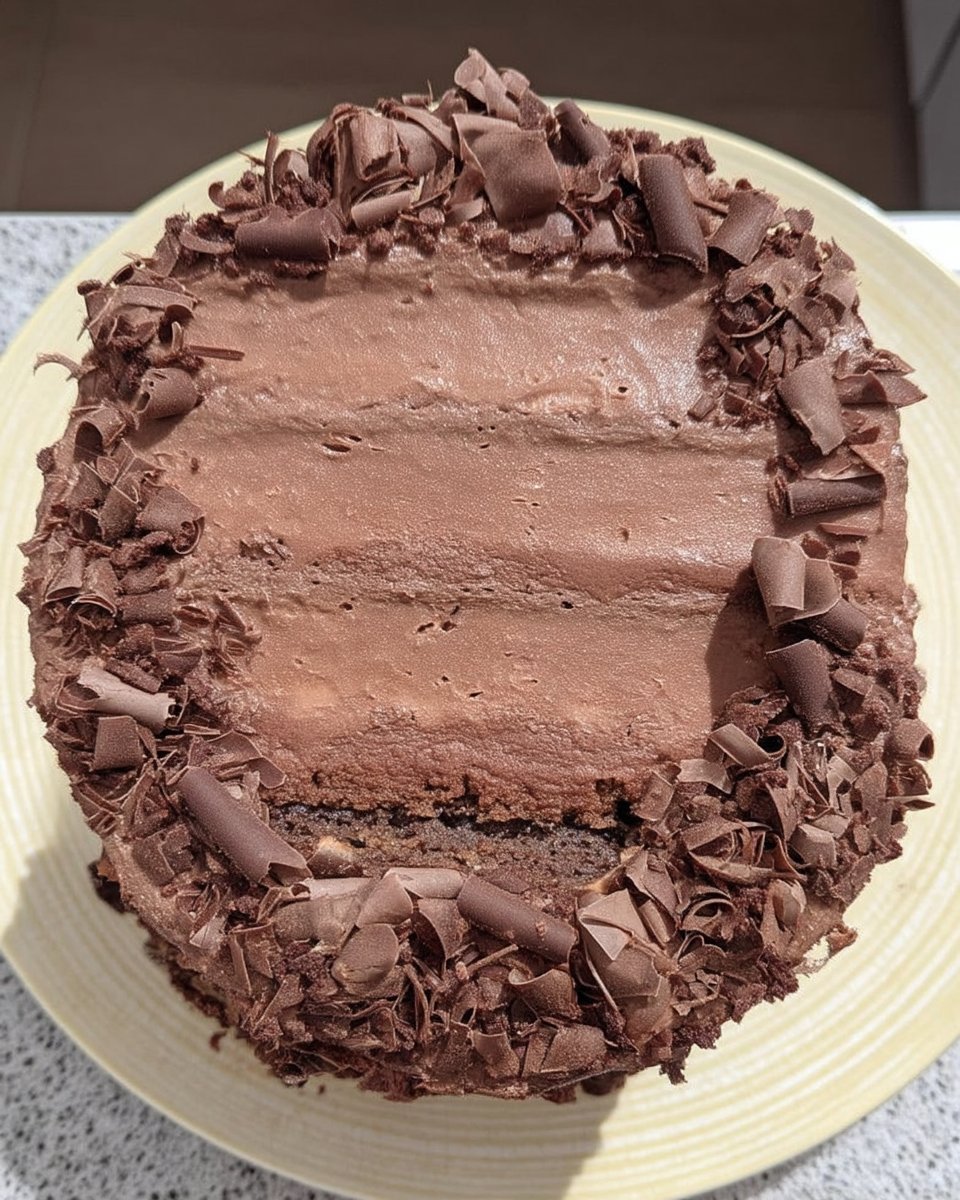
In the winding alleys of the old markets in Istanbul, I often found beauty in the weathered stone walls where a sudden crack revealed a hidden garden of moss or vibrant flowers. This philosophy of hidden treasures is what drew me to the artistry of the Fault Line Cake, a dessert that celebrates the beauty found within a rupture. It is a visual poem that speaks of layers, secrets, and the patient hand of a baker who knows that the most exquisite details are often those tucked away behind a smooth surface.

This particular version marries a tender, golden yellow cake with the sophisticated silkiness of a Nutella-infused Swiss meringue buttercream. We aren’t just building a dessert; we are constructing a textural masterpiece where the moist, buttery crumb meets a frosting so smooth it feels like a ribbon of velvet on the tongue. By following the Mediterranean tradition of precision and patience, you will create a centerpiece that looks like a geological wonder and tastes like a dream.
The Magic of the Golden Reveal
You will fall in love with this cake because it challenges the notion that perfection must be perfectly smooth. The Fault Line Cake is a conversation starter, a structural marvel that allows you to showcase a ‘fault’ filled with hidden textures or colors. Beyond the striking appearance, the yellow cake provides a sturdy yet impossibly soft foundation that carries the weight of the decorations without losing its delicate, melt-in-your-mouth quality. The Nutella Swiss meringue buttercream offers a nutty, cocoa-rich depth that balances the sweetness of the sugar, creating a profile that is rich without being cloying. It is a testament to the idea that a cake should be as much a tactile experience as it is a visual one, inviting every guest to pause and admire the craftsmanship before the first forkful glides through the layers.
Print
Fault Line Cake
- Total Time: 1 hour 30 mins
- Yield: 12 servings
- Diet: Vegetarian
Description
This exquisite Fault Line Cake combines tender, golden yellow layers with a luxurious Nutella-infused Swiss meringue buttercream. Designed to look like a geological wonder, it features a unique recessed ‘fault’ that reveals hidden textures, making it as much a conversation piece as it is a delicious dessert.
Ingredients
- 340g (12oz) cake flour
- 1 tablespoon baking powder
- 1 teaspoon kosher salt
- 1 cup unsalted butter, room temperature
- 1 cup granulated sugar
- 1/2 cup light brown sugar
- 4 large eggs
- 1/4 cup canola oil
- 227g (8oz) buttermilk
- 2 teaspoons vanilla extract
- 5 large egg whites
- 1 1/4 cups granulated sugar (for buttercream)
- Pinch of salt
- 1/2 teaspoon cream of tartar
- 1 1/2 cups unsalted butter, cubed and room temperature
- 1/2 cup Nutella
- Assorted sprinkles or gold leaf
Instructions
- Preheat your oven to 350°F (175°C) and prepare three 8-inch cake pans with cooking spray and parchment paper circles.
- Whisk together the cake flour, baking powder, and kosher salt in a medium bowl to aerate the mixture.
- In a stand mixer with a paddle attachment, cream the butter, granulated sugar, and brown sugar on medium speed for 3-4 minutes until light and fluffy.
- Reduce mixer speed and add eggs one at a time, followed by the canola oil, buttermilk, and vanilla, beating until the mixture is smooth and glossy.
- Gradually add the dry ingredients to the wet mixture, mixing until just combined, then divide the batter evenly among the three pans.
- Bake for 40 to 45 minutes until the tops bounce back and a skewer comes out clean; cool completely before frosting.
- Prepare the buttercream base by whisking egg whites, sugar, salt, and cream of tartar over a water bath until the sugar dissolves and it reaches 160°F (71°C).
- Whip the egg mixture on high speed for 8 to 10 minutes until stiff, glossy peaks form and the bowl feels cool to the touch.
- Switch to a paddle attachment and add the cubed butter and Nutella, beating on medium-high until the frosting is silky and creamy.
- Stack the cakes with frosting layers, apply a crumb coat, and create the ‘fault’ by applying a thick band of decorations in the center followed by thicker outer frosting layers smoothed with a bench scraper.
Notes
When constructing the fault line, ensure your cake is well-chilled before applying the final outer layers of frosting; this prevents the decorative center from being smudged by the bench scraper. Additionally, using a high-quality metal scraper dipped in hot water will yield the smoothest, most professional finish on the buttercream’s surface.
- Prep Time: 45 mins
- Cook Time: 45 mins
- Category: Dessert
- Method: Baking
- Cuisine: Mediterranean Fusion
The Foundation of Mediterranean Texture
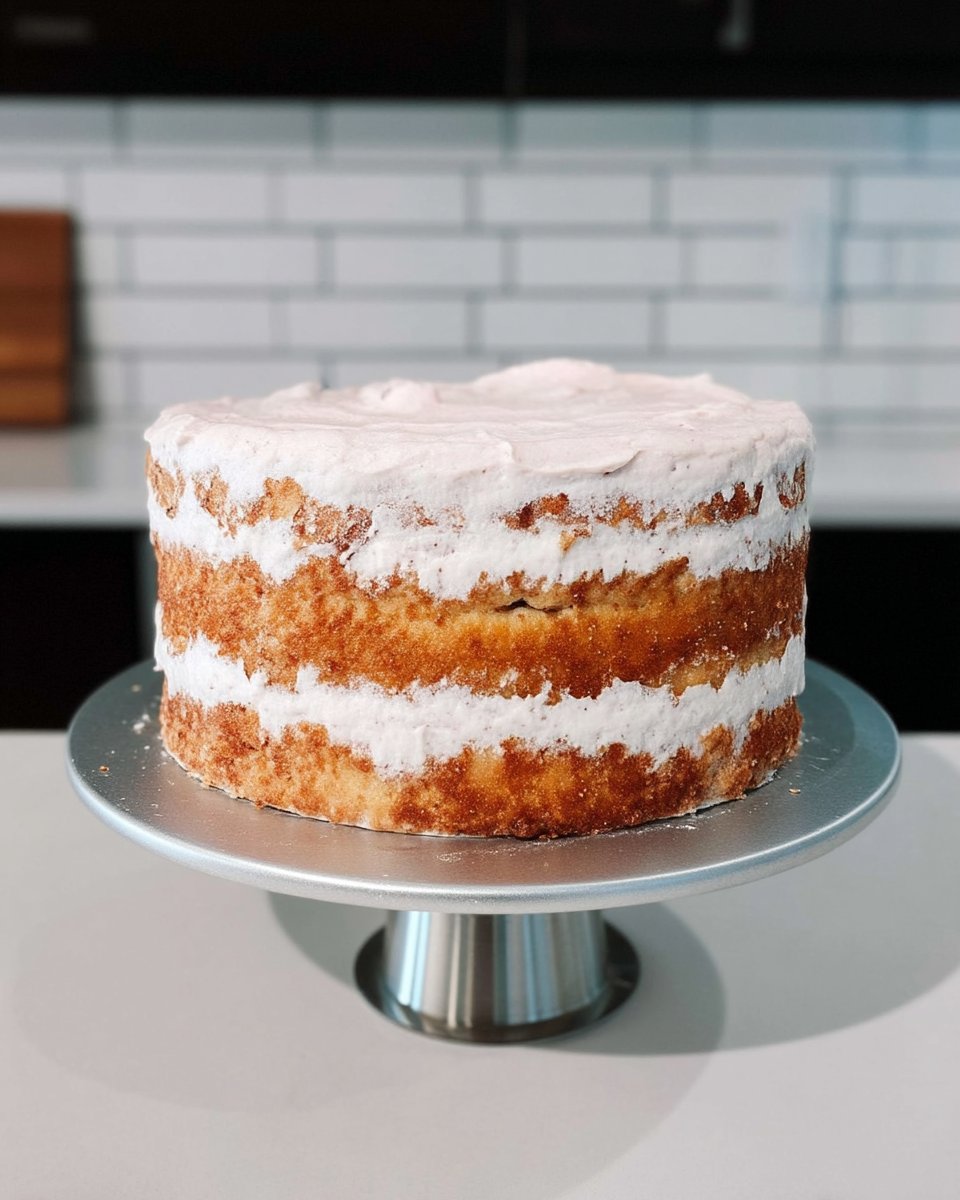
To achieve the perfect crumb and a frosting that holds its shape like a sculpture, we must look to high-quality staples that define our Mediterranean pantry. Each ingredient plays a vital role in the final mouthfeel of the dessert.
- Cake Flour (340g / 12oz): This is essential for a fine, tight crumb that remains tender. It provides the structure needed for the fault line technique while keeping the bite light.
- Unsalted Butter: At room temperature, it creams into the sugars to create tiny air pockets, which are the secret to a fluffy, cloud-like cake.
- Buttermilk (227g / 8oz): The acidity in buttermilk breaks down gluten strands, resulting in a cake that is remarkably moist and tender.
- Nutella: This adds both the iconic hazelnut-chocolate flavor and a specific fat content that makes the Swiss meringue buttercream exceptionally creamy.
- Egg Whites: For the meringue, these must be pristine. They provide the volume and the airy, stable base for our silky frosting.
- Granulated and Light Brown Sugar: The combination of these two ensures a deep, rounded sweetness and contributes to the golden color of the baked layers.
The Method of the Master Baker
Step 1: Preparing the Workspace
Position your oven rack in the center and preheat the oven to 350°F (175°C). Generously spray three 8-inch cake pans with cooking spray and line the bottoms with parchment paper circles. Spray the parchment as well to make sure the release is effortless. This step is about setting the stage for a cake that remains intact and beautiful.
Step 2: Combining the Dry Ingredients
In a medium-sized bowl, whisk together the cake flour, baking powder, and kosher salt. Sifting or whisking thoroughly removes any clumps and aerates the flour, which is the first step in achieving that signature Mediterranean lightness in the final crumb.
Step 3: Creaming for Volume
In the bowl of a stand mixer with the paddle attachment, combine the butter and both sugars. Beat on medium speed for 3 to 4 minutes until the mixture is light, fluffy, and has doubled in volume. Use a spatula to scrape the sides, making sure every crystal of sugar is integrated into the fat for a uniform texture.
Step 4: Emulsifying the Liquids
Reduce the mixer speed to low and add the eggs one at a time. This patience prevents the batter from breaking. Slowly pour in the canola oil, followed by the buttermilk and vanilla. Beat for another 3 to 4 minutes until the mixture looks smooth and glossy. The oil adds a lingering moisture that butter alone cannot provide.
Step 5: The Gentle Fold
Gradually add your dry ingredients to the wet mixture, beating until just combined. Over-mixing at this stage will toughen the cake. Divide the batter evenly between your three pans. If you use a scale, aim for about 22.15 ounces per pan. Bake for 40 to 45 minutes until the tops bounce back when touched and a skewer comes out with just a few moist crumbs.
Step 6: The Swiss Meringue Base
While the cakes cool, create your frosting. Whisk egg whites, sugar, salt, and cream of tartar in a heatproof bowl over a pan of simmering water. Whisk until the sugar is dissolved and the temperature reaches 160°F (71°C). This process cooks the eggs safely and creates the foundation for a stable, heat-resistant buttercream.
Step 7: Whipping the Peak
Transfer the mixture to a stand mixer with the whisk attachment. Beat on high for 8 to 10 minutes until stiff, glossy peaks form and the bowl is cool to the touch. This cooling period is critical; adding butter to a hot meringue will result in a soup rather than a silk ribbon.
Step 8: Incorporating the Butter and Nutella
Switch to the paddle attachment and add the cubed butter a few pieces at a time on low speed. Once the butter is incorporated and the frosting is smooth, add the Nutella. Beat on medium-high for 2 to 3 minutes until the frosting is incredibly creamy and ready for the fault line assembly.
Step 9: Creating the Fault Line
Once your cakes are cool, stack them with a layer of frosting in between. Apply a thin crumb coat. For the ‘fault,’ apply a thick band of Nutella or extra frosting around the center of the cake. Place your ‘treasures’ like sprinkles or gold leaf here. Then, apply a much thicker layer of frosting above and below this middle band. Use a bench scraper to smooth the top and bottom layers, leaving the middle ‘recessed’ to create the stunning fault line effect.
Secrets for a Flawless Finish
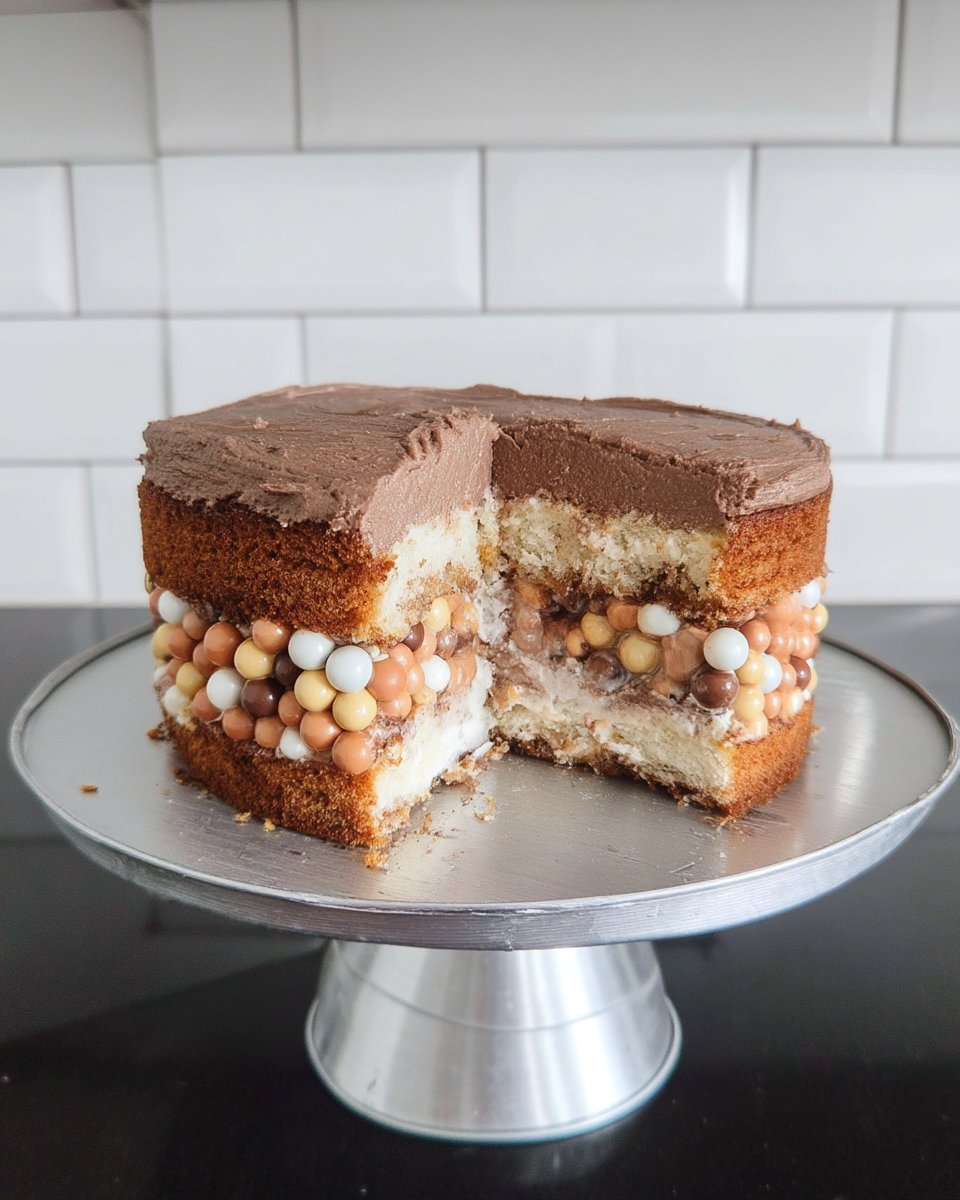
The secret to a sharp, professional fault line is temperature control. If your buttercream becomes too soft while you are smoothing it, the edges of the fault will look muddy rather than crisp. Chill the cake for 20 minutes before performing the final scrape with your bench scraper. Also, when working with Nutella, make sure it is at a workable room temperature before adding it to the meringue. For those who enjoy a deeper chocolate profile, you might find inspiration in our old-fashioned-chocolate-cake which uses similar cooling techniques to maintain a glossy finish. Always wipe your bench scraper clean between every rotation to keep the colors from bleeding into the ‘fault’ area.
Regional Twists and Creative Textures
You can adapt this Mediterranean-inspired method to suit various flavor profiles. Instead of Nutella, try using a pistachio praline paste for a more traditional Turkish flavor profile, which pairs beautifully with the yellow cake. Another popular option is to fill the fault line with crushed honeycomb or edible flower petals for a more rustic, garden-like appearance. If you are looking for a bolder, candy-inspired version, consider the techniques used in our snickers-cake to incorporate caramel and peanuts into the center of the fault. You can also swap the buttermilk for a Greek yogurt mixture to add a slight tang that offsets the richness of the Swiss meringue.
Mediterranean Traditions at Your Table
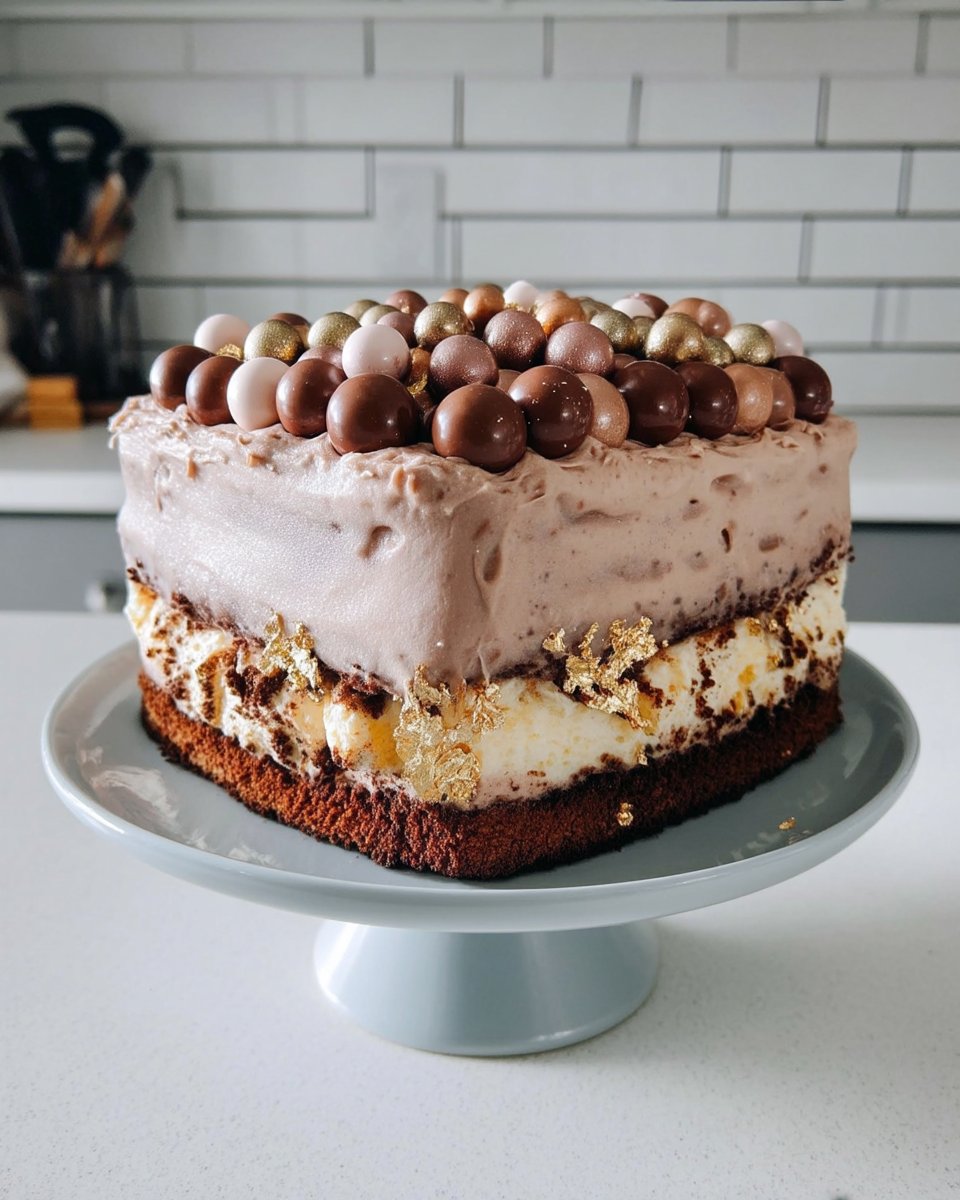
To truly honor the textures of this cake, serve it at room temperature. This allows the butter in the cake and the frosting to soften, providing that characteristic melt-in-your-mouth experience. In our tradition, a sweet treat like this is often accompanied by a small cup of strong, unsweetened Turkish coffee or a glass of aromatic tea. The bitterness of the coffee acts as a perfect foil to the rich Nutella notes. If you want to expand your dessert table with bright, citrusy notes to cleanse the palate, try our lemon-rainbow-cake as a secondary option. When slicing, use a sharp knife dipped in hot water and wiped dry between each cut to keep the fault line looking pristine on every plate.
The Sweetest Crack in the World
Creating a Fault Line Cake is a journey in patience and a celebration of sensory details. From the hiss of the whisk in the meringue to the golden glow of the freshly baked layers, every step is an opportunity to appreciate the soul of Mediterranean baking. Remember that the beauty of this cake lies in its intentional imperfection. For more structured cake designs that tell a story, look into our guide on the car-cake or follow a professional tutorial for advanced piping techniques. We would love to see your hidden treasures; please share your creations with us and join our community of devoted bakers. Follow us on Pinterest, Instagram, Facebook, and X for more sweet inspiration.