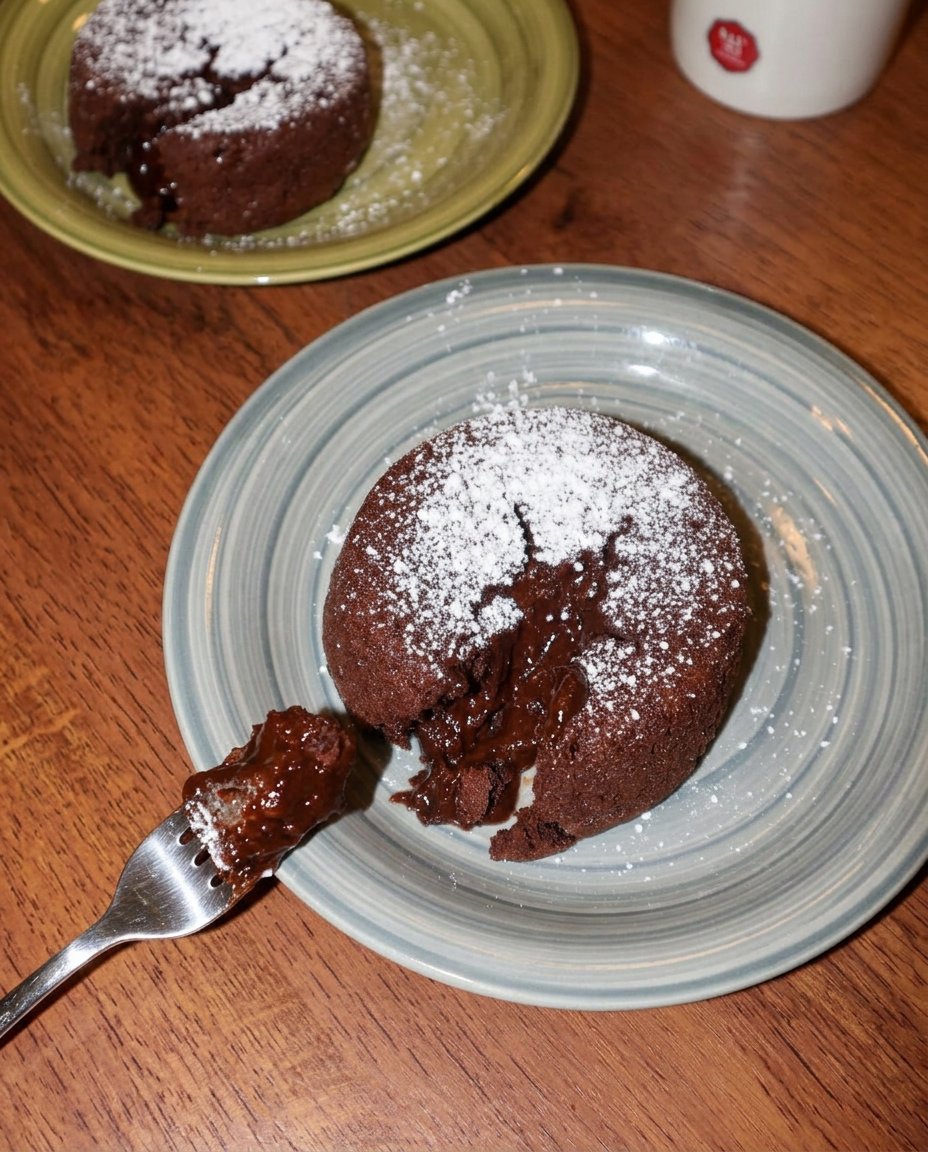
During my early years in a London patisserie, I learned that even the most whimsical desserts require a foundation of structural integrity. We spent weeks mastering the emulsion of fats and sugars to achieve a crumb that remains tender under the weight of decorative layering. This approach to the jar cake 2 technique transforms a simple confection into a study of precision and mouthfeel.

This particular recipe focuses on a delicate sponge that maintains its moisture when sealed, paired with a buttercream that provides structural support without feeling heavy. By following these exact measurements and temperatures, you will create a dessert that balances a soft, melting texture with the practical benefits of a portable format.
The Architecture of a Perfect Portable Dessert
There is a specific triumph in creating a dessert that looks as beautiful through glass as it tastes on the spoon. Most home bakers struggle with cakes that become compressed and dense when placed in jars, but this method uses a specific ratio of cornstarch to all-purpose flour to keep the crumb airy. We are seeking a balance between a sturdy base and a luxurious, velvety finish.
Technically, the addition of oil alongside butter provides a dual-textured success: the butter contributes that classic, rich flavor and structural body, while the oil guarantees the cake remains moist even when refrigerated. This jar cake 2 method is not just about convenience; it is a refined way to control portioning while maintaining the precise hydration levels required for high-end pastry.
Furthermore, the visual appeal of the clean, distinct layers demonstrates a level of mastery that rustic cakes often lack. When you pipe the frosting with a steady hand and use a template for the cake rounds, the result is a professional-grade presentation that showcases your dedication to the craft of baking.
Print
Jar Cake
- Total Time: 35 mins
- Yield: 12 servings
- Diet: Vegetarian
Description
This sophisticated jar cake combines a delicate vanilla sponge with a stable, airy buttercream for a perfectly portable dessert. The unique blend of butter and oil ensures a moist crumb that stays tender even when chilled, making it ideal for beautiful layered presentations.
Ingredients
- All-purpose flour
- Cornstarch
- Baking powder
- Salt
- Unsalted butter, room temperature
- Granulated sugar
- Egg whites
- Canola oil
- Vanilla extract
- Whole milk, room temperature
- Rainbow sprinkles
- Powdered sugar
- Shortening (for pan preparation)
Instructions
- Preheat your oven to 350°F (177°C) and prepare a 9×13 inch jelly roll pan by greasing with shortening and lining with parchment paper.
- In a medium bowl, whisk together the flour, cornstarch, baking powder, and salt to aerate the mixture.
- Using a stand mixer with a paddle attachment, cream the butter and sugar for 3 to 4 minutes until pale and fluffy.
- Add the egg whites one at a time until fully incorporated, then stream in the oil and vanilla on medium-low speed.
- Reduce mixer speed to low and add dry ingredients in three stages, alternating with the milk in two stages, beginning and ending with the flour.
- Gently fold in the rainbow sprinkles using a silicone spatula to preserve the aerated structure.
- Pour batter into the prepared pan and bake for 8 to 12 minutes until a toothpick comes out clean; cool completely in the pan.
- Whip the frosting butter for 4 minutes, add powdered sugar and vanilla, then beat on high until light and stable, adjusting consistency with milk as needed.
Notes
When assembling your jars, use a sharp metal cutter to create clean rounds and press straight down to avoid sealing the edges of the sponge. For the best texture, remove the jars from the refrigerator 30 minutes before serving to allow the fats in the buttercream and cake to soften.
- Prep Time: 25 mins
- Cook Time: 10 mins
- Category: Dessert
- Method: Baking
- Cuisine: American
The Technical Foundation: Ingredient Precision
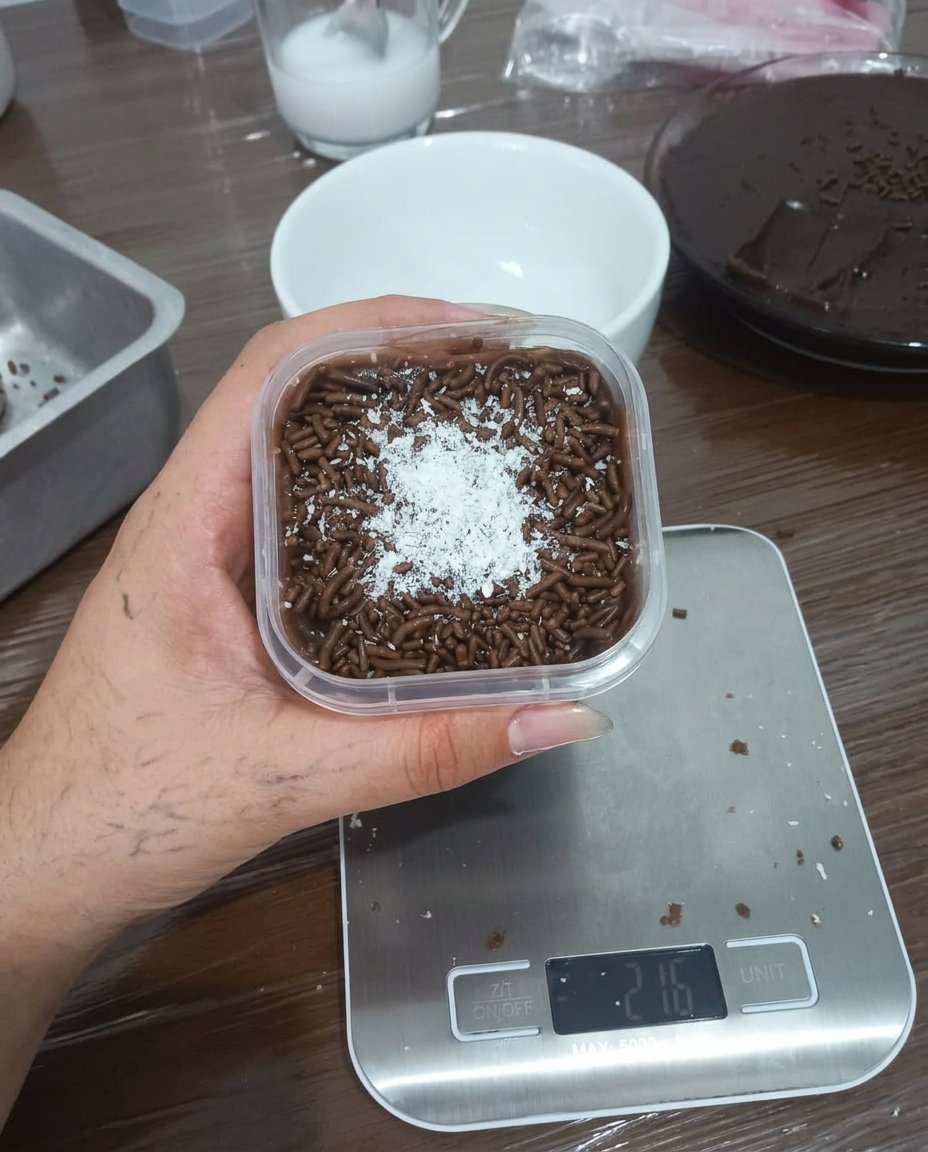
To achieve the desired melt-in-your-mouth quality, every ingredient must be at the correct temperature to form a stable emulsion. This prevents the batter from splitting, which would lead to a coarse, oily texture.
- All-Purpose Flour and Cornstarch: This combination creates a DIY cake flour. The cornstarch inhibits excessive gluten development, resulting in a tender crumb that yields easily to a spoon.
- Unsalted Butter (Room Temperature): The butter should be approximately 65°F (18°C). At this temperature, it holds air bubbles effectively during the creaming process, which is vital for the cake’s lift.
- Egg Whites: By using only the whites, we maintain a bright, clean color and a lighter structure compared to whole eggs, allowing the vanilla and almond notes to shine.
- Canola Oil: This liquid fat stays fluid at lower temperatures, ensuring the cake does not turn into a brick when chilled in the jar.
- Whole Milk: This provides the necessary hydration and a hint of protein for structure. It must be room temperature to avoid shocking the butter-sugar emulsion.
- Rainbow Sprinkles: These are for visual texture; use high-quality jimmies that won’t bleed their colors into the batter during the folding process.
The Technical Process: Step-by-Step Mastery
Step 1: Thermal Calibration and Pan Preparation
Preheat your oven to 350°F (177°C). Precision starts with the environment. Prepare a 9×13 inch (23×33 cm) jelly roll pan by greasing it with shortening and lining it with parchment paper. This shallow pan allows for a quick, even bake, which prevents the edges from drying out before the center is set. Flour the parchment lightly to provide a non-stick surface that releases the thin cake perfectly.
Step 2: Aerating the Dry Components
In a medium bowl, whisk together the flour, cornstarch, baking powder, and salt. This is not merely for mixing; it aerates the flour and removes any clumps. Distributing the baking powder evenly is critical for a uniform rise across the flat pan.
Step 3: Mastering the Creaming Method
Using a stand mixer with the paddle attachment, cream the butter and sugar for a full 3 to 4 minutes. You are looking for the mixture to become pale yellow and significantly increased in volume. This step creates the air pockets that the baking powder will later expand. If the mixture looks like wet sand, your butter was too cold; if it looks oily, it was too warm.
Step 4: Building the Emulsion
Add the egg whites one at a time. Do not rush this process. Each white must be fully incorporated before the next is added to maintain the integrity of the fat-protein bond. Once the whites are in, stream in the oil and vanilla while the mixer is on medium-low speed. This creates a stable base for the dry ingredients.
Step 5: Incorporating Solids and Liquids
Reduce the mixer to its lowest setting. Add the dry ingredients in three stages, alternating with the milk in two stages. Start and end with the flour. This technique prevents the flour from over-developing gluten. Mix only until the last streaks of flour disappear. Over-mixing at this stage will create a tough, rubbery texture that is difficult to eat from a jar.
Step 6: The Folding Technique
Using a wide silicone spatula, gently fold in the sprinkles. Use a ‘cut and fold’ motion—cut through the center, scrape the bottom, and fold over. This preserves the air you worked so hard to incorporate during the creaming stage. Pour the batter into the prepared pan, smoothing the top with an offset spatula for an even thickness.
Step 7: The Controlled Bake
Bake for 8 to 12 minutes. Because the cake is thin, the margin for error is small. Test with a toothpick at the 8-minute mark. It should come out clean with perhaps one or two moist crumbs. The surface should spring back when lightly touched. Let the cake cool completely in the pan to allow the structure to set before cutting.
Step 8: Stabilizing the Buttercream
Whip the butter for the frosting for 3 to 4 minutes until it is nearly white. Add the powdered sugar and vanilla on low speed to avoid a sugar cloud, then increase the speed to high for another 3 to 4 minutes. This mechanical aeration creates a frosting that is light as air but stable enough to support multiple layers. Adjust the consistency with a teaspoon of milk until it is supple enough to pipe without effort.
Precision Secrets for Structural Wisdom
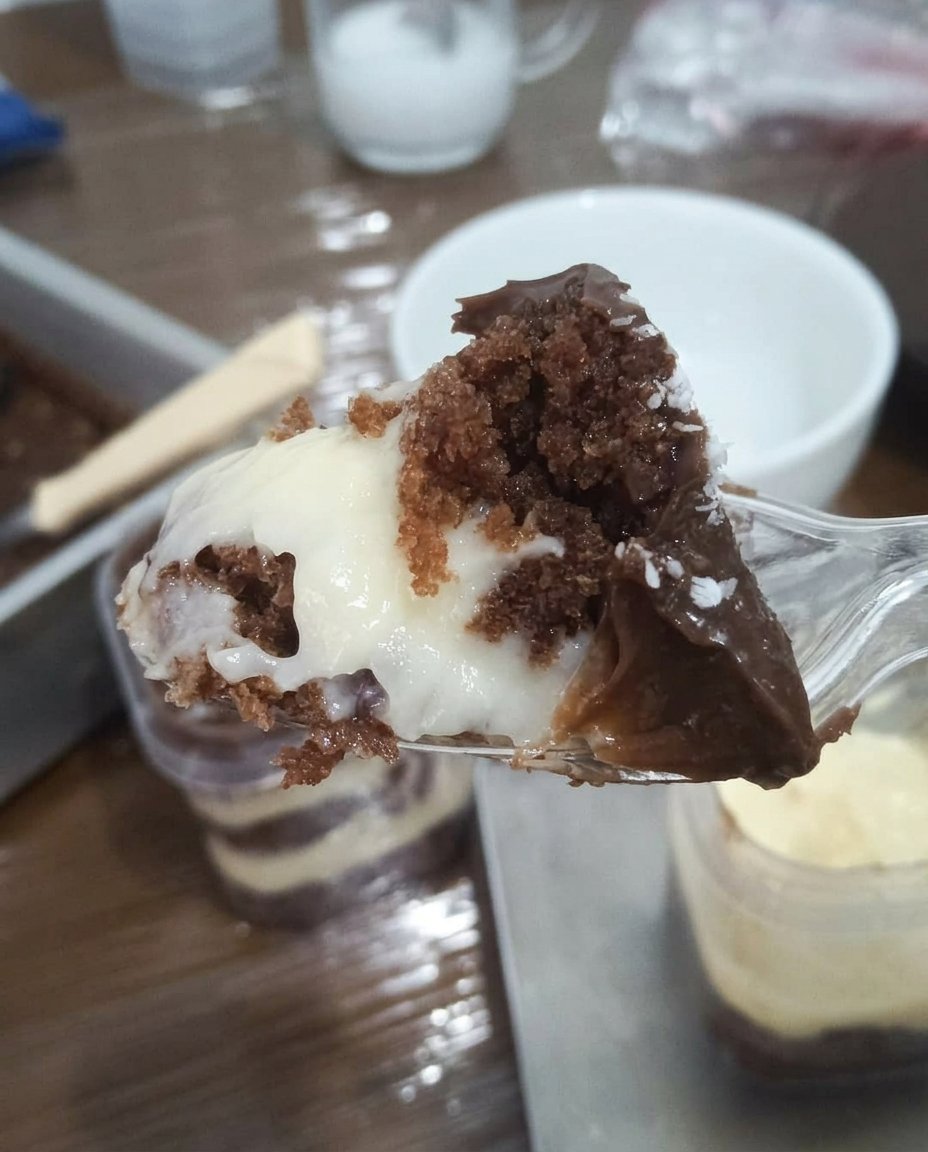
To achieve the most professional results with this jar cake 2 recipe, you must pay attention to the moisture migration within the jar. If you are preparing these a day in advance, a very light brush of simple syrup on each cake round can prevent the crumb from drawing moisture out of the frosting. This keeps the cake tender and the frosting creamy.
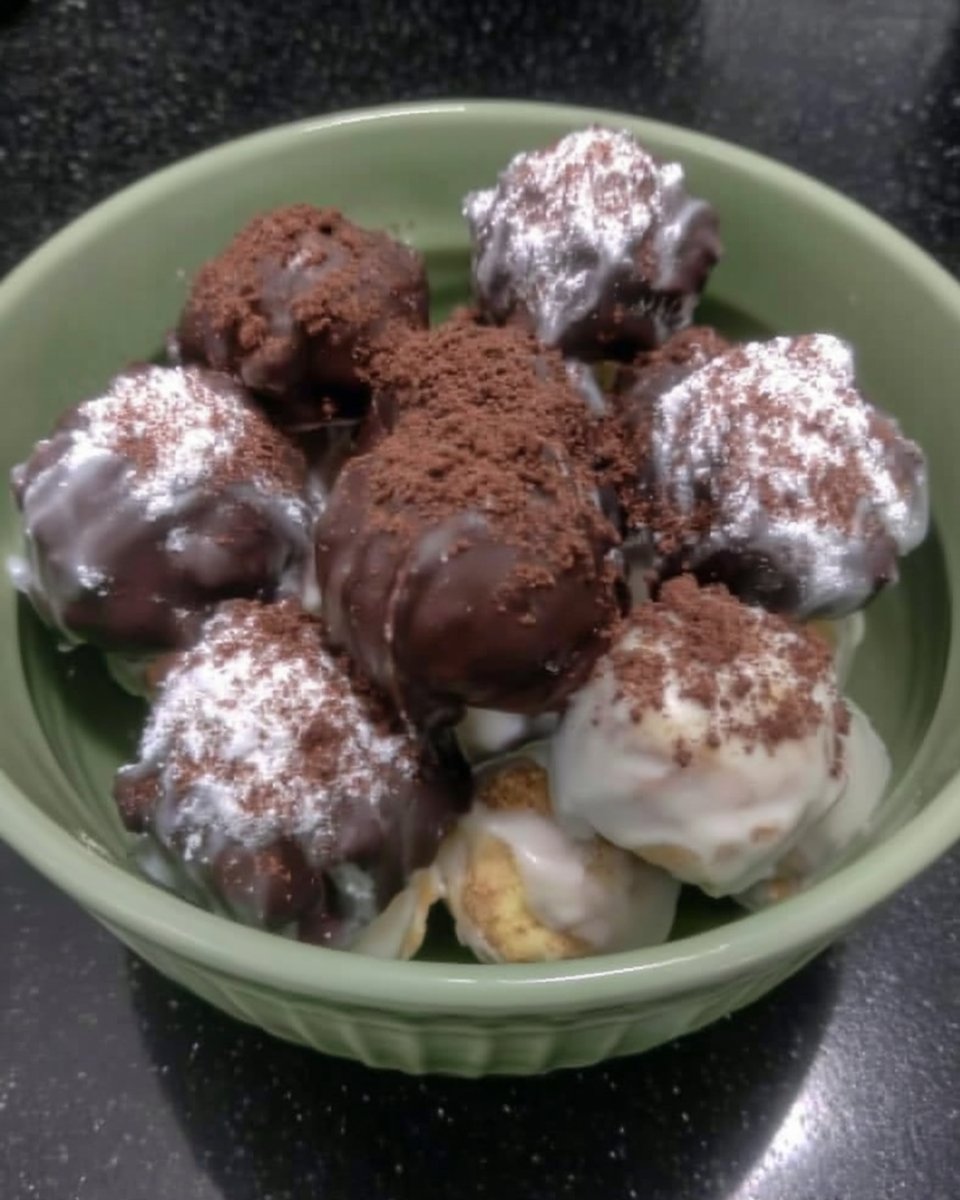
When cutting your cake rounds, always use a sharp metal cutter and press straight down. Twisting the cutter can seal the edges of the sponge, which prevents it from soaking up any flavors from the filling layers. For those who enjoy the science of miniature desserts, you might find that the techniques used here are very similar to those required for making perfect cake-balls or other portion-controlled treats. Additionally, refer to professional guides like this original jar cake inspiration for further ideas on decorative layering techniques that maintain structural integrity.
Technical Variations for Advanced Bakers
Once you have mastered the basic funfetti structure, you can modify the flavor profile while maintaining the same physical properties. Replacing the vanilla with almond extract and adding finely ground toasted pistachios provides a sophisticated Mediterranean profile. If you choose to add fruit, ensure it is macerated and drained to prevent excess liquid from compromising the cake’s density.
For a different textural experience, you can adapt this layering logic to other formats. The principles of the jar cake 2—specifically the balance of a stable crumb and airy frosting—work exceptionally well when applied to push-pop-cakes, which offer a similar vertical presentation but with a different mechanical delivery. You can also experiment with chocolate-based sponges, but be aware that cocoa powder dries out a batter, so you may need to increase the oil content by 10% to keep the melt-in-your-mouth feel.
Presentation Precision and Textural Balance
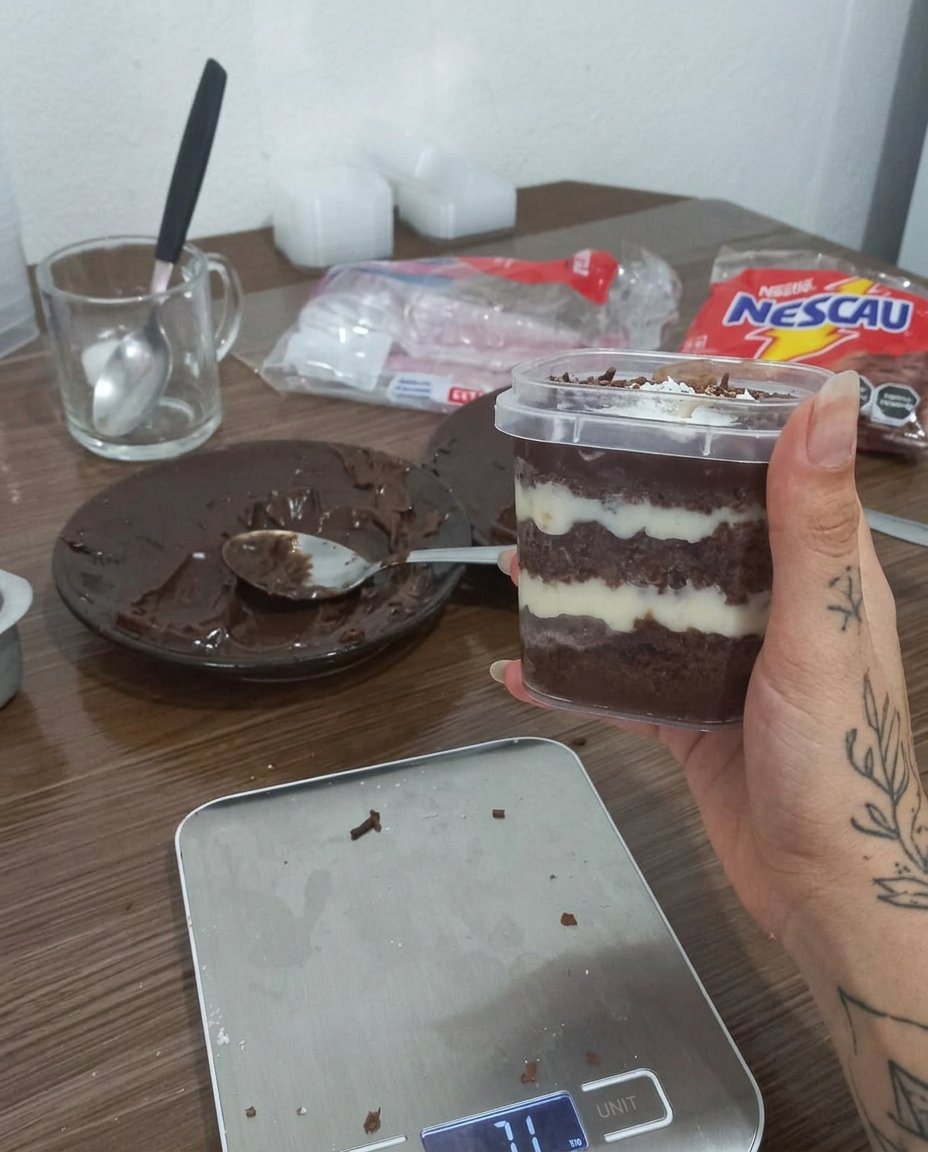
When serving these jar cakes, temperature is your most important variable. I recommend removing them from the refrigerator approximately 30 minutes before serving. This allows the butter in the cake and frosting to soften slightly, restoring the intended melt-away texture. Serving a cake jar too cold will result in a firm, waxy mouthfeel that masks the delicate vanilla notes.
For a truly spectacular presentation, top each jar with a final flourish that provides a textural contrast, such as a crisp tuile or a cluster of fresh berries. If you are looking for a simpler, more rustic approach to quick desserts, you might also enjoy our 3-ingredient-dump-cake, though it lacks the architectural precision of the jar cake 2. Always provide a long-handled spoon to ensure your guests can reach the bottom layer without difficulty, allowing them to enjoy the perfect ratio of cake to frosting in every bite.
Master the Craft of Precision Baking
Creating a jar cake 2 is an exercise in both discipline and creativity. By focusing on the structural integrity of the sponge and the stability of the buttercream, you produce a dessert that is as technically sound as it is delicious. This method proves that even the most playful formats benefit from a professional, methodical approach. For another variation of high-moisture cake techniques, investigate our chocolate-cherry-dump-cake to see how different fats affect the final crumb.
If you have found success with this precise method, please share your technical triumphs with our community. You can find more structural baking tips and join the conversation on our social channels. We look forward to seeing your exquisite creations.