There is a specific quality to the light in the Mediterranean afternoon that calls for something bright, something golden, and something that sings of citrus. I remember sitting in my grandmother’s kitchen, the air heavy with the scent of zested lemons and brewing coffee, waiting for that perfect slice of cake that was neither too heavy nor too light. This recipe captures that sensory memory—a dessert that balances the sharp perfume of fresh zest with a crumb so tender it feels like a sigh of relief.

This Lemon Cake 2 is my ode to the perfect crumb, achieving a melt-in-your-mouth texture that many bakers chase but rarely find. By marrying the richness of butter with the moisture of oil and the tenderness of cornstarch, we create a sponge that stays impossibly soft for days. It is a patient recipe, one that asks you to respect the temperature of your ingredients, rewarding you with a slice of sunshine.
A Texture That Melts
My friends, the secret to a truly memorable dessert is never just the sugar; it is the mouthfeel, the way the crumb yields to the fork. You will love this recipe because it masters the balance of fats—butter for that undeniable rich flavor, and oil to keep the crumb humid and tender long after baking.
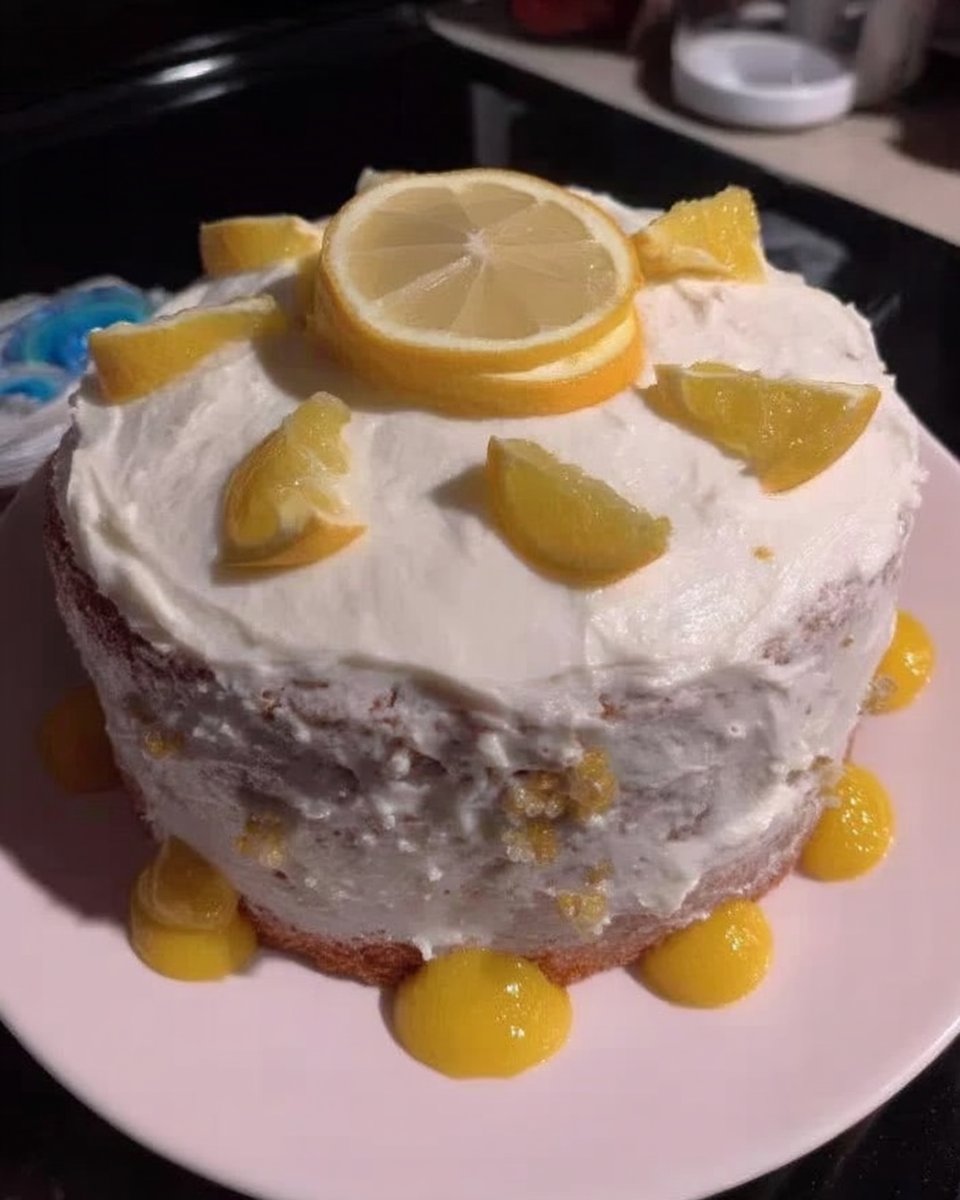
The addition of Greek yoghurt and cornstarch transforms the texture into something velvety and plush, reminiscent of the finest bakery offerings. It is sweet without being cloying, with the lemon curd adding a sharp, glossy interruption to the soft sponge. This is the cake we serve when we want to show love without saying a word.
Print
Lemon Cake 2
- Total Time: 53 mins
- Yield: 12 servings
- Diet: Vegetarian
Description
Experience the bright, citrusy essence of the Mediterranean with this incredibly soft Lemon Cake. Combining the richness of butter with the moisture of Greek yogurt and oil, it delivers a velvety crumb that stays perfectly tender for days.
Ingredients
- 2 cups all-purpose flour
- 1/4 cup cornstarch
- 2 teaspoons baking powder
- 1/2 teaspoon salt
- 1/2 cup unsalted butter, room temperature
- 1/2 cup vegetable oil
- 1 1/2 cups granulated sugar
- Zest of 2 large lemons
- 1/4 cup fresh lemon juice
- 1/2 cup Greek yoghurt
- 4 large eggs, room temperature
- 1/2 cup milk
Instructions
- Preheat your oven to 180°C (350°F) and grease two 8-inch cake tins, lining the bottoms with parchment paper.
- In a medium bowl, sift and whisk together the flour, cornstarch, baking powder, and salt.
- In a large bowl, cream the room temperature butter, oil, sugar, and lemon zest for about 2 minutes until pale and fragrant.
- Beat in the eggs one at a time, ensuring each is fully incorporated before adding the next.
- Mix in the milk, yoghurt, and lemon juice until well combined.
- Gently fold the dry ingredients into the wet mixture using a spatula until just combined.
- Divide the batter between the tins and bake for 33 minutes, or until a toothpick comes out clean.
- Cool in the tins for 20 minutes before transferring to a wire rack to cool completely.
Notes
To ensure the most vibrant citrus flavor, try using Meyer lemons if available, as they offer a sweeter, more floral aroma. Always weigh your flour using a kitchen scale to avoid a dry cake, and remember that over-mixing the batter after adding the dry ingredients will result in a tougher texture rather than the desired soft crumb.
- Prep Time: 20 mins
- Cook Time: 33 mins
- Category: Dessert
- Method: Baking
- Cuisine: Mediterranean
The Mediterranean Pantry
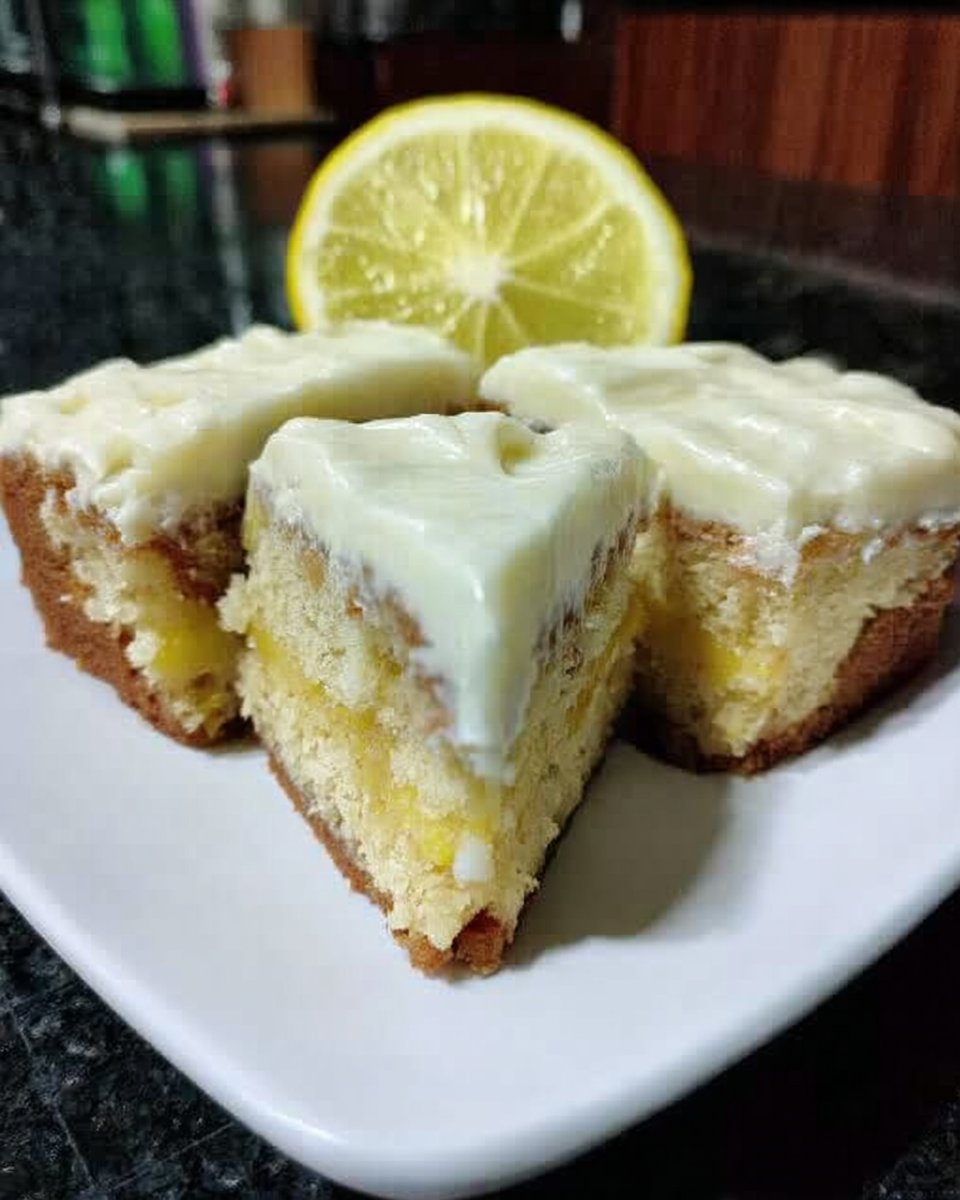
To achieve this level of tenderness, we must choose our ingredients with care. Each component plays a specific role in the structure and moisture of the final cake.
- Flour & Cornstarch: We use a blend of all-purpose flour and cornstarch. This combination mimics cake flour, lowering the protein content to ensure the crumb is soft rather than chewy.
- Fats (Butter & Oil): We use unsalted butter at room temperature for flavor and aeration, mixed with unflavored vegetable oil (like canola) which ensures the cake remains moist even when cool.
- Lemon Zest & Juice: You will need fresh lemons. The zest contains the essential oils for perfume, while the juice reacts with the baking powder and yoghurt to lift the batter.
- Greek Yoghurt: This adds acidity and fat, tenderizing the gluten strands and contributing to that melt-in-your-mouth quality.
- Eggs: Room temperature eggs are non-negotiable here; they must emulsify perfectly with the creamed butter.
- Sugar: White granulated sugar does more than sweeten; it cuts through the butter to create air pockets during creaming.
The Method
Step 1: Prepare the Foundation
Preheat your oven to 180°C (350°F). Patience begins here—ensure your oven is fully at temperature before the batter enters. Grease two 8-inch cake tins generously and line the bottoms with parchment paper to ensure a seamless release later.
Step 2: Sift the Dry Ingredients
In a medium bowl, sift together the flour, cornstarch, baking powder, and salt. Whisk them gently to distribute the leavening agents evenly. This aeration is crucial for a light crumb.
Step 3: Release the Citrus Oils
In a large mixing bowl, combine the room temperature butter, vegetable oil, sugar, and lemon zest. Beat on medium speed for about 2 minutes. We are looking for a pale, creamy texture where the sugar has begun to dissolve and the zest has released its fragrant oils into the fat.
Step 4: Emulsify the Eggs
Add the eggs one by one, beating well after each addition. This slow introduction allows the liquid of the eggs to suspend within the fat, creating a stable emulsion that will trap air and rise beautifully.
Step 5: Incorporate the Liquids
Pour in the milk, yoghurt, and fresh lemon juice. Mix until well combined. Do not panic if the batter looks slightly curdled at this stage; the acidity of the lemon and yoghurt often causes this, but the flour will bring it back together.
Step 6: The Final Fold
Switch to a spatula and add the sifted dry ingredients to the wet mixture. Fold gently—overmixing is the enemy of tenderness. Stop as soon as the flour streaks disappear to keep the cake soft.
Step 7: Bake to Golden Perfection
Divide the batter evenly between the prepared tins. Bake for 33 minutes, or until a toothpick inserted into the center comes out clean or with just a few moist crumbs attached. Avoid opening the oven door too early, as the steam needs to do its work.
Step 8: Cool and Assemble
Let the cakes cool in their tins for 15-20 minutes—they are fragile when hot. Turn them out onto a wire rack to cool completely before assembling with your lemon curd and cream cheese frosting.
Mehmet’s Secrets for Success
- Temperature Matters: I cannot stress this enough—your butter, eggs, milk, and yoghurt must be at room temperature. If they are cold, the batter will seize and the texture will be heavy rather than fluffy.
- Rub the Zest: For a deeper aroma, use your fingers to rub the lemon zest into the sugar before creaming it with the butter. This friction releases more oil than the mixer alone can achieve.
- Don’t Fear the Curdle: When you add the lemon juice and yoghurt, the batter may look separated. This is normal. Trust the process; the flour will smooth it out.
- Inspiration: I often look to other textures for inspiration, much like the techniques found in this soft lemon cake, but I have adjusted the ratios here to suit a more Mediterranean palate.
- Storage: Because this cake relies on oil and yoghurt, it stays moist for days. Store it in an airtight container at room temperature for up to 3 days, or refrigerate if using the cream cheese frosting.
- Texture Check: If you enjoy this moisture-forward style, you must try our succulent fruit fusion, which uses similar principles of hydration.
Flavor Twists
- The Citrus Swap: While lemon is classic, this batter loves orange or blood orange. Simply swap the zest and juice for an equal amount of orange for a sweeter, more floral profile.
- Nutty Texture: In the Mediterranean, we love texture. Fold in 1/2 cup of finely chopped pistachios or walnuts into the batter for a crunch that contrasts with the soft crumb.
- Syrup Soak: To make this a true “Revani” style dessert, poke holes in the warm cake and pour a simple honey-lemon syrup over it before frosting. It transforms the crumb into something closer to a pudding.
- Berry Burst: If you want a pop of color and tartness, fold in fresh raspberries. For a similar flavor profile, see our lemon rainbow cake which plays with these vibrant combinations.
At the Table
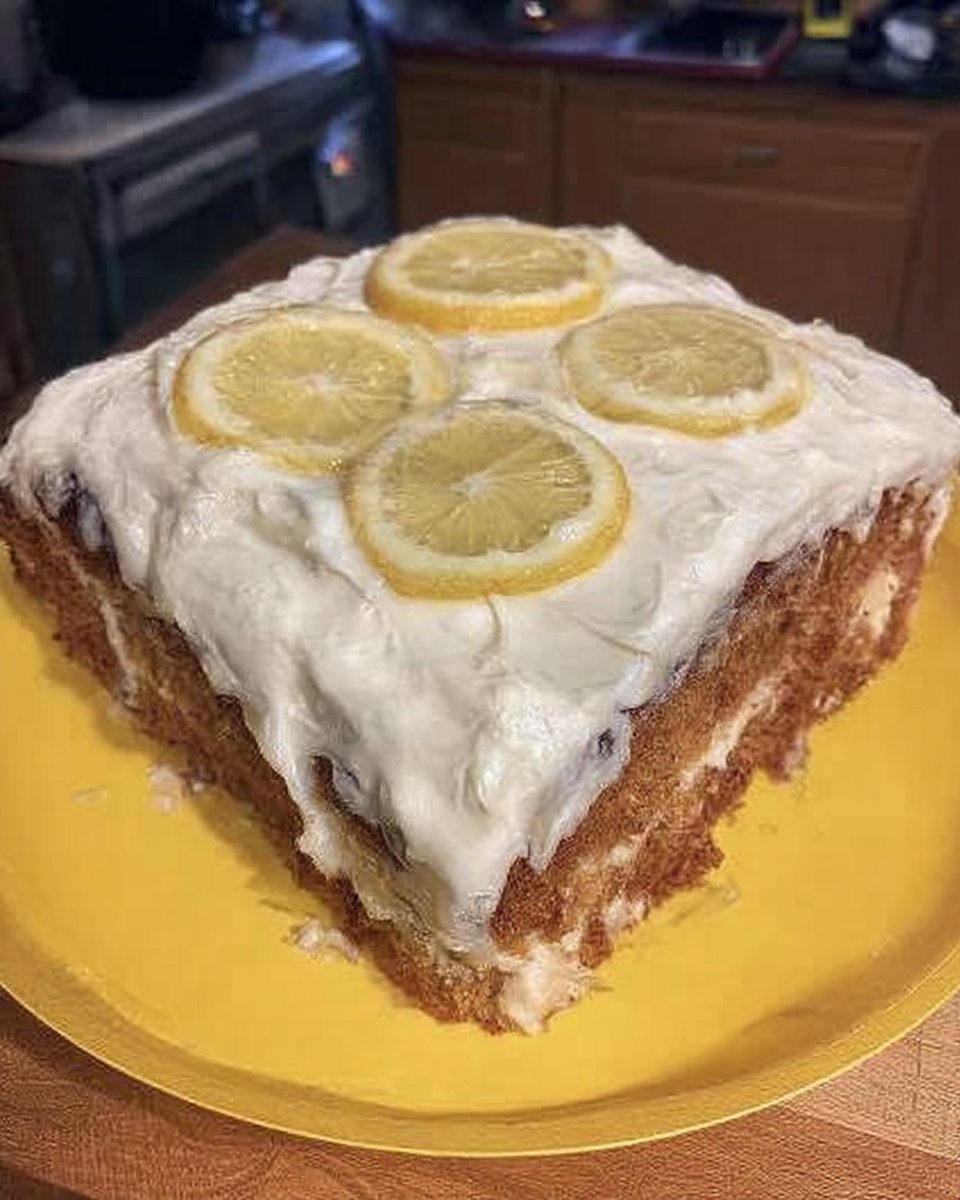
In my family, we serve cake not as a quick snack, but as an event. This lemon cake shines when paired with strong, dark Turkish coffee or a fragrant Earl Grey tea. The tannins in the tea cleanse the palate, preparing you for the next sweet bite.
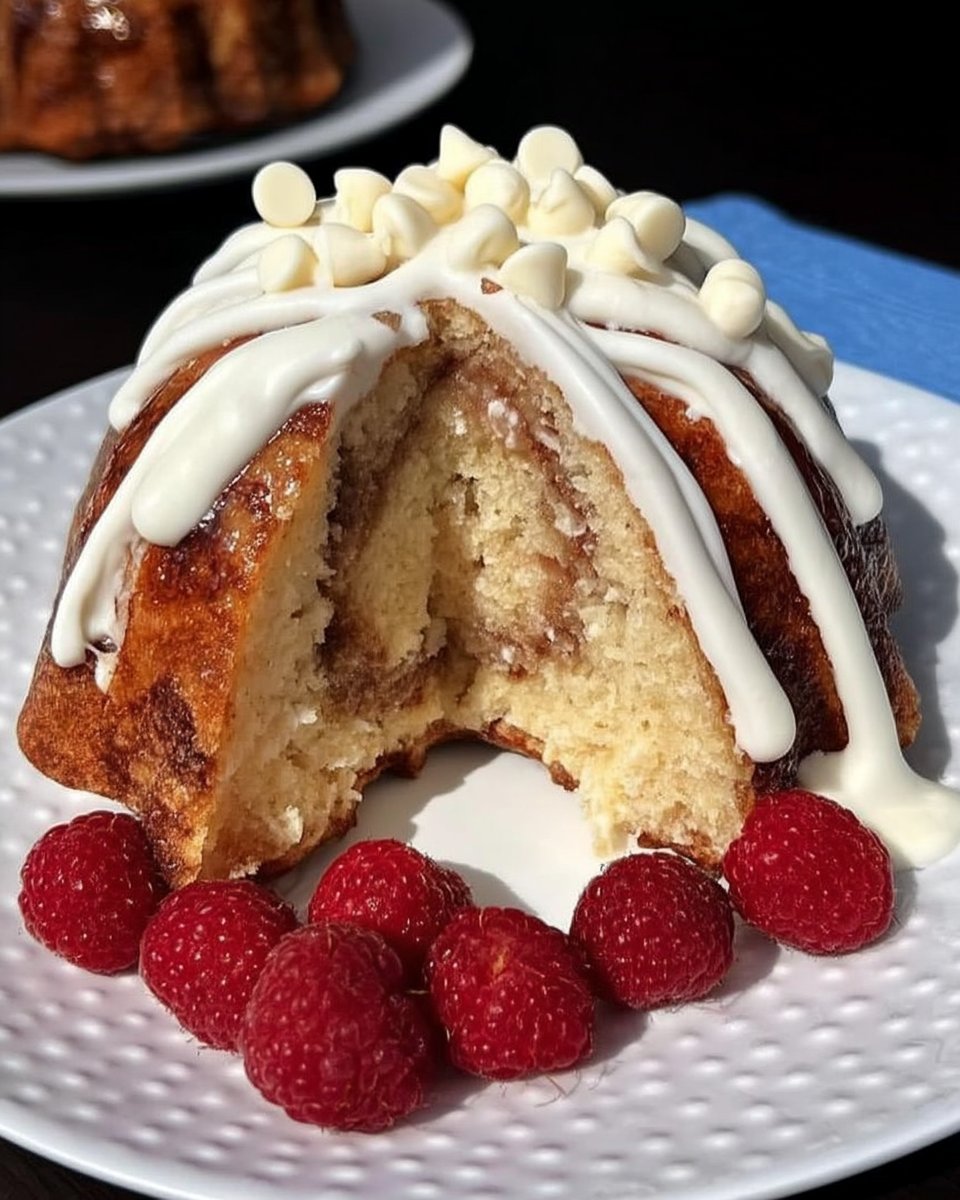
For a summer presentation, garnish the frosted cake with thin slices of candied lemon and a sprig of fresh mint from the garden. If you want to offer a variety of textures on your dessert table, consider serving this alongside our raspberry white chocolate cake for a beautiful contrast of white and yellow hues.
The Sweet Truth
Baking is an act of patience and generosity. When you pull this cake from the oven, smelling of warm butter and bright citrus, you are creating a memory for everyone at your table. Let it cool, frost it with care, and enjoy the silence that falls when everyone takes that first, melting bite.
For another dessert that celebrates the natural sweetness of the harvest, do not forget to explore our fruit cake recipe. Until next time, let your syrup be hot and your cake be sweet.
Share your creation with us on Pinterest, Instagram, or Facebook.