Growing up near the citrus groves of Bodrum, the scent of bruised lemon leaves always signaled the arrival of something sweet and patient. My grandmother would say that a lemon’s true soul only reveals itself when met with enough butter and the gentle heat of a copper pot. This Lemon Cake 3 isn’t just a dessert; it is a fragrant memory of golden afternoons where time slowed down enough to let the zest sing.

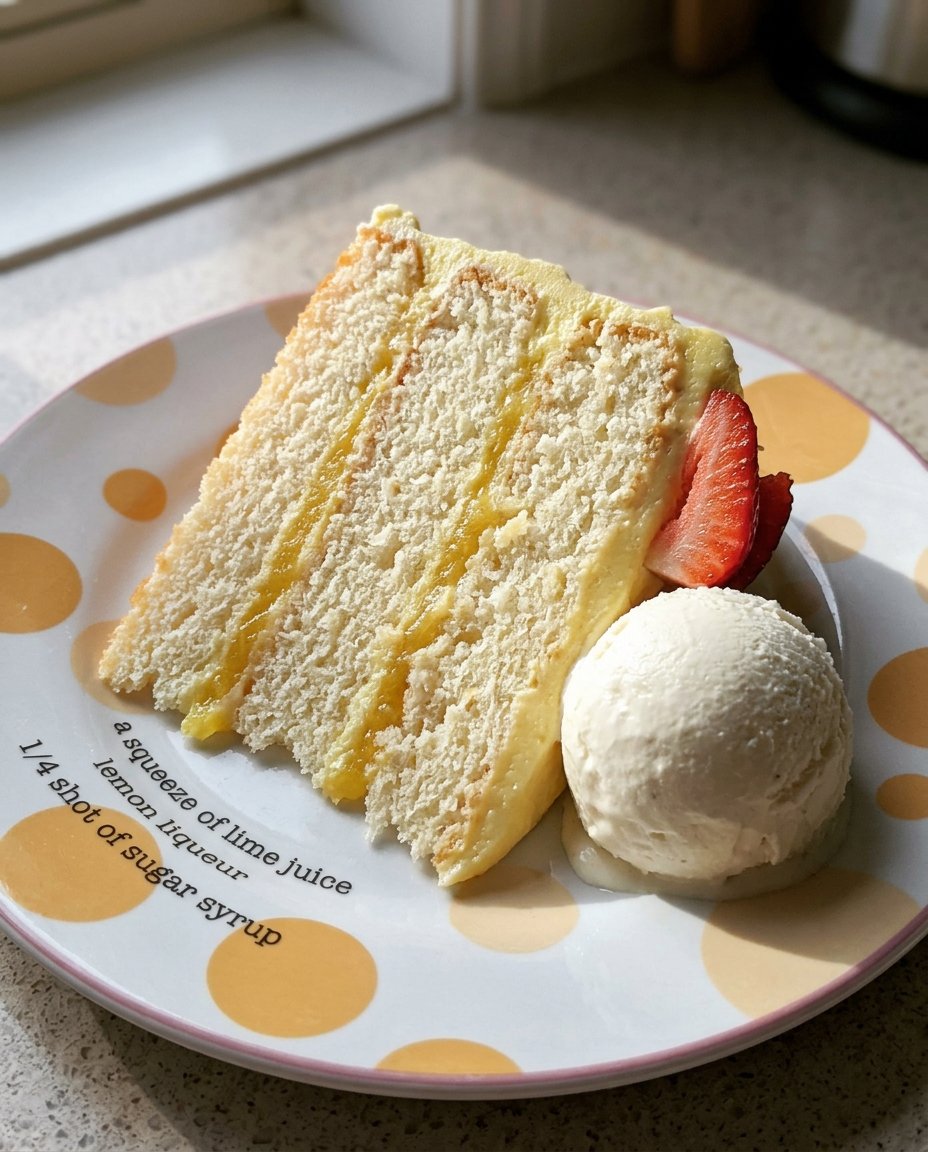
This specific version of Lemon Cake 3 is a triumph of texture, stacking four thin, tender layers with a vibrant, velvety lemon curd tucked between them. Unlike heavier sponges, this crumb remains light and airy, designed to melt the moment it touches your tongue. It is the kind of cake that demands a quiet moment and a sharp fork to appreciate every citrus-soaked nuance.
The Pure Magic of Mediterranean Citrus
There is a specific kind of joy that comes from a cake that balances the sharp brightness of fruit with the rich, comforting depth of a butter sponge. You will love this Lemon Cake 3 because it refuses to be one-dimensional; it offers a sensory journey through layers of varying textures. The first thing you notice is the frosting—a smooth, creamy lemon butter cloud that yields to the soft, fine-crumbed cake layers.
As your fork glides deeper, you encounter the hidden treasure: the lemon filling. It is thick, glossy, and intensely tart, acting as the perfect counterpoint to the sweetness of the confectioners’ sugar. This contrast is what makes the recipe a timeless treasure in my kitchen. It isn’t just about the flavor; it is about the way the moisture from the filling seeps slightly into the sponge, creating a mouthfeel that is almost creamy.
In our Mediterranean tradition, we celebrate the ‘melt.’ A dessert shouldn’t just be eaten; it should dissolve into a moment of pure gratitude. This cake achieves that through the meticulous assembly of four layers, ensuring that every bite has the perfect ratio of cake, curd, and cream. It is a spectacular centerpiece for a spring celebration or a quiet Sunday afternoon when the light hits the table just right.
Print
Lemon Cake 3
- Total Time: 4 hours 20 mins
- Yield: 12 servings
- Diet: Vegetarian
Description
Experience the bright, citrusy elegance of this four-layer Mediterranean-inspired masterpiece, featuring a tender butter sponge and a tart, velvety lemon curd filling. Finished with a silky lemon butter frosting, it offers a sophisticated balance of sweetness and acidity that melts in every bite.
Ingredients
- 2 cups all-purpose flour
- 1 1/2 teaspoons baking powder
- 1/2 teaspoon salt
- 1 cup unsalted butter, softened
- 1 1/2 cups granulated sugar
- 4 large eggs
- 1 teaspoon vanilla extract
- 3/4 cup whole milk
- 1 tablespoon lemon zest
- 1/2 cup fresh lemon juice
- 1 tablespoon cornstarch
- 2 tablespoons unsalted butter (for filling)
- 1/2 cup granulated sugar (for filling)
- 4 large egg yolks
- 3 cups confectioners’ sugar
- 1/2 cup unsalted butter, softened (for frosting)
- 2 tablespoons fresh lemon juice (for frosting)
- 1 tablespoon lemon zest (for frosting)
- 2 tablespoons whole milk (for frosting)
Instructions
- Preheat oven to 350°F (175°C) and grease and flour two 8-inch round cake pans.
- In a medium bowl, whisk together the flour, baking powder, and salt to aerate.
- In a large bowl, cream 1 cup butter and 1.5 cups sugar for 5 minutes until pale and fluffy; beat in 4 eggs one by one, followed by the vanilla extract.
- Alternately fold the flour mixture and 3/4 cup milk into the batter until just combined; divide evenly between the pans and bake for 30 minutes.
- Let the cakes rest in the pans for 10 minutes before inverting them onto wire racks to cool completely.
- To make the filling, whisk lemon zest, juice, and cornstarch in a saucepan; add butter and sugar, bringing to a boil for one minute.
- Temper the egg yolks by adding a splash of the hot lemon liquid, then return the mixture to the pan and cook on low for 5 minutes until thick; chill for 3 hours.
- Prepare the frosting by whipping confectioners’ sugar, softened butter, lemon juice, and zest, gradually adding milk until a silky consistency is reached.
- Split each cooled cake horizontally to create four thin layers; assemble by layering cake with lemon filling and frosting, then frost the top and sides of the entire cake.
Notes
For the cleanest slices, use a sharp serrated knife dipped in warm water and wiped dry between each cut. If the lemon curd appears too soft during assembly, let it chill for an additional hour in the freezer to firm up its structure before layering.
- Prep Time: 40 mins
- Cook Time: 40 mins
- Category: Dessert
- Method: Baking
- Cuisine: Mediterranean
The Mediterranean Pantry Foundations
To achieve the legendary texture of Lemon Cake 3, you must start with ingredients at the correct temperature. The foundation of the sponge is built on quality fats and fresh citrus, which are the primary heroes of my Mediterranean pantry. When these simple elements are handled with respect, they create something far greater than the sum of their parts.
- Unsalted Butter: Use the best quality you can find. It provides the velvety crumb and the luxurious mouthfeel that defines a true melt-in-your-mouth cake.
- Granulated and Confectioners’ Sugar: We use granulated for the structure and sweetness of the sponge and filling, while the confectioners’ sugar creates a frosting that is light as a coastal breeze.
- Fresh Lemon Juice and Zest: Never use the bottled variety. The volatile oils in fresh zest provide the aroma, while the juice provides the vibrant acidity that cuts through the richness.
- Large Eggs and Yolks: The whole eggs give the cake its lift, while the additional yolks in the filling create a rich, custard-like consistency that is traditional in Mediterranean sweets.
- All-Purpose Flour: This provides a soft but sturdy structure, capable of holding up the four-layer assembly without becoming heavy.
- Cornstarch: Just a touch in the filling to give it that perfect, glossy body that doesn’t run when the cake is sliced.
- Whole Milk: Adds moisture and a tender protein structure to the batter and the final frosting touch.
The Method of the Perfect Soak
Step 1: Preparing the Foundation
Begin by preheating your oven to 350 degrees F (175 degrees C). Take the time to grease and flour two 8-inch round pans with care; this ensures the delicate sponge releases without a tear. In a quiet bowl, whisk together your flour, baking powder, and salt. This aeration is the first secret to a light crumb.
Step 2: Creaming for Air and Light
In a large bowl, cream your butter and sugar. Do not rush this—allow them to dance for at least 5 minutes until the mixture looks pale and feels like a soft cloud. Beat in your eggs one by one, letting each fully disappear into the batter before adding the next. Stir in the vanilla, then alternately fold in the flour mixture and the milk. Mix only until the streaks of flour vanish; overworking the batter is the enemy of the melt.
Step 3: The Golden Bake
Divide the batter evenly between your prepared pans. Bake for 30 minutes. You are looking for a gentle golden hue and a toothpick that comes out clean. Let them rest in the pans for 10 minutes—the heat needs to settle—before inverting them onto wire racks to cool completely. Patience here prevents the layers from breaking during the split.
Step 4: Crafting the Lemon Treasure Filling
While the cakes cool, create the heart of the dessert. In a saucepan, whisk the lemon zest, juice, and cornstarch until perfectly smooth. Add the butter and sugar, bringing it to a boil over medium heat for one minute. Whisk your egg yolks in a separate bowl, then slowly temper them by adding a splash of the hot lemon liquid. Pour the egg mixture back into the pan, whisking rapidly. Cook on low for 5 minutes until it thickens into a rich gold. Cover with plastic wrap directly on the surface and chill for 3 hours.
Step 5: Whipping the Lemon Butter Frosting
When you are ready to assemble, beat the confectioners’ sugar, softened butter, lemon juice, and zest until smooth. Add the milk and increase the speed, whipping until the frosting looks like whipped silk. It should be firm enough to hold its shape but soft enough to spread without pulling at the delicate cake.
Step 6: The Four-Layer Assembly
Using a long serrated knife, carefully split each cooled cake layer in half horizontally. This gives you four beautiful, thin layers. Place the first layer on your plate, spread half the chilled lemon filling, and top with the second layer. Spread a thin layer of frosting over this, then add the third layer and the remaining filling. Crown it with the final cake layer and frost the top and sides. Refrigerate until you are ready to serve.
Mehmet’s Secrets for Texture Mastery
The most vital secret for this Lemon Cake 3 is the temperature of your eggs and butter. Cold ingredients will break the emulsion of your batter, leading to a dense cake rather than the airy sponge we desire. Always set your ingredients out at least two hours before you begin. If you find your lemon filling is too thin, it likely hasn’t spent enough time on the low heat after the yolks were added; patience is the ingredient that thickens the soul of the cake.
When zesting your lemons, be careful to only take the vibrant yellow skin and avoid the bitter white pith, which can ruin the delicate balance of flavors. For those looking for more technical guidance on fruit-based desserts, I often recommend looking at the fruit-cake foundations to understand how moisture interacts with flour. You can also find more detailed assembly techniques at this resource for lemon fillings.
Regional Variations and Flavor Twists
In different corners of the Mediterranean, we adapt this Lemon Cake 3 to what the land provides. You might try a Greek-inspired twist by replacing the vanilla extract with a few drops of mastic liqueur or rose water for a floral undertone that haunts the palate beautifully. For a deeper color and a nuttier texture, some families replace half a cup of the all-purpose flour with finely ground almonds, which adds a beautiful dampness to the crumb.
If you prefer a berry-forward experience, you can layer fresh raspberries directly into the lemon filling for a vibrant pop of color and acidity. This technique is similar to what we do in our raspberry-white-chocolate-cake, where fruit creates pockets of intense flavor. You can also swap the lemon for Meyer lemons if you prefer a sweeter, more floral citrus profile that requires slightly less sugar in the filling.
Mediterranean Traditions at the Table
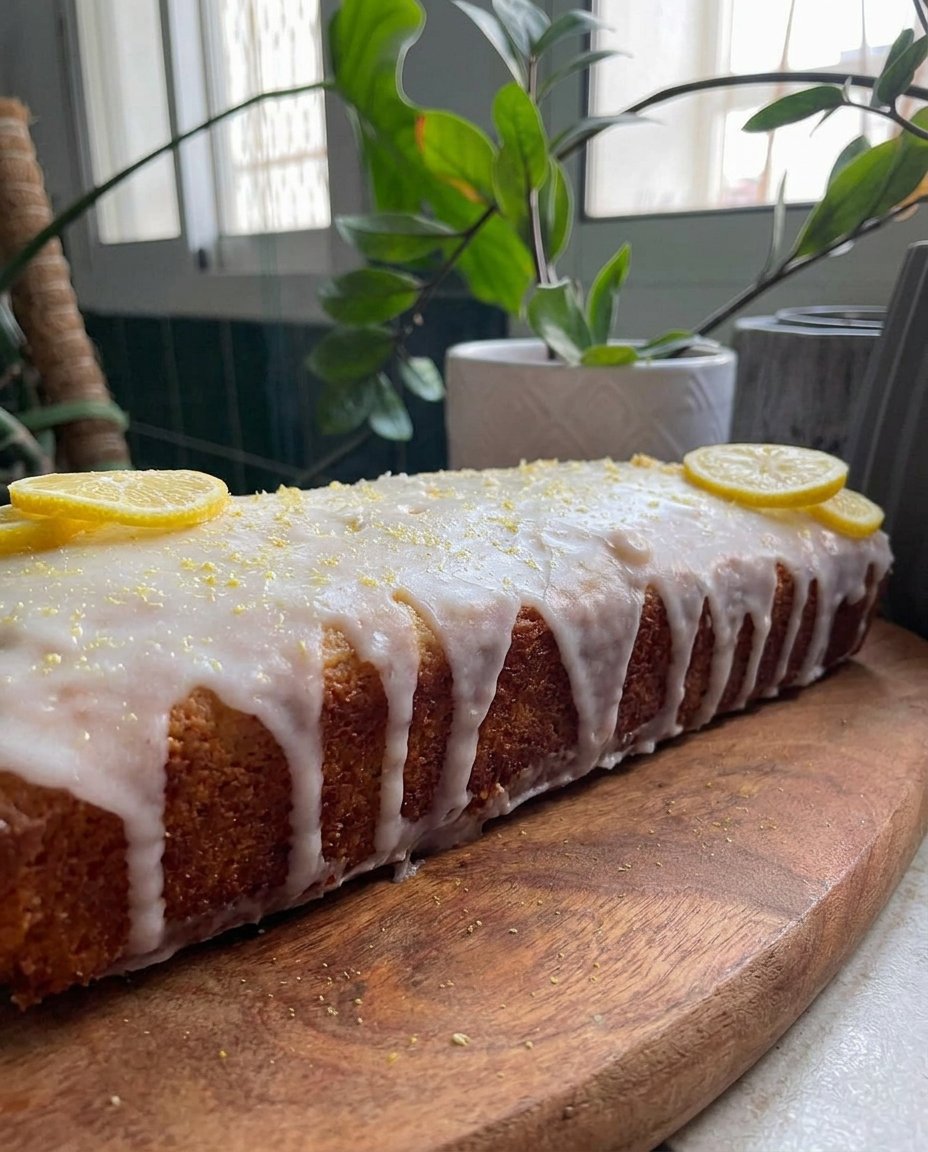
To serve this Lemon Cake 3 in the true Mediterranean fashion, it should never be rushed to the table. Let it sit at room temperature for about 20 minutes before slicing so the butter in the frosting softens slightly. I love to serve this with a small cup of strong, unsweetened Turkish coffee; the bitterness of the bean is the perfect partner to the bright lemon curd.
For a more decorative presentation, garnish the top with thin, candied lemon wheels or a few sprigs of fresh mint to emphasize the vibrant citrus notes. If you are serving this during a warm summer evening, a side of lightly sweetened mascarpone can add a luxurious weight to the plate. For more inspiration on pairing citrus with other seasonal delights, see our guide on succulent-fruit-fusion for the ultimate dessert spread.
The Sweet Truth of the Lemon Melt
There is a profound gratitude that comes from sharing a handmade cake like this. The Lemon Cake 3 is more than a recipe; it is a lesson in patience and the beauty of layers. When you finally take that first bite and feel the cool filling meet the soft sponge, you understand why we spend so much time in the kitchen. It is about creating a moment that lingers long after the last crumb is gone.
If you found joy in this citrus journey, you might also find peace in the colors of our lemon-rainbow-cake. Please share your baking results with our community; I love to see the golden glow of your kitchens. Follow us for more syrup-soaked stories and texture secrets on Instagram and Pinterest. Keep baking with love and let every slice soak in the sweetness of life.