In my early days of British pastry training, I learned that the secret to a successful layered dessert is not just the flavor, but the mechanical integrity of the build. This Tiramisu Cake is a testament to that discipline, where we use the porosity of the Savoiardi ladyfingers to absorb moisture without collapsing the entire structure. By mastering the exact saturation point of the biscuit, we achieve a texture that holds its shape on the plate yet yields instantly to the fork.

This specific recipe focuses on the delicate balance between the bitter acidity of high-quality espresso and the lactic sweetness of mascarpone cheese. We avoid the common pitfall of a ‘soupy’ interior by carefully monitoring the temperature of our dairy and the speed of our aeration. The result is a sophisticated, technically sound dessert that brings professional pastry shop standards into your home kitchen.
The Architecture of a Perfect Melt
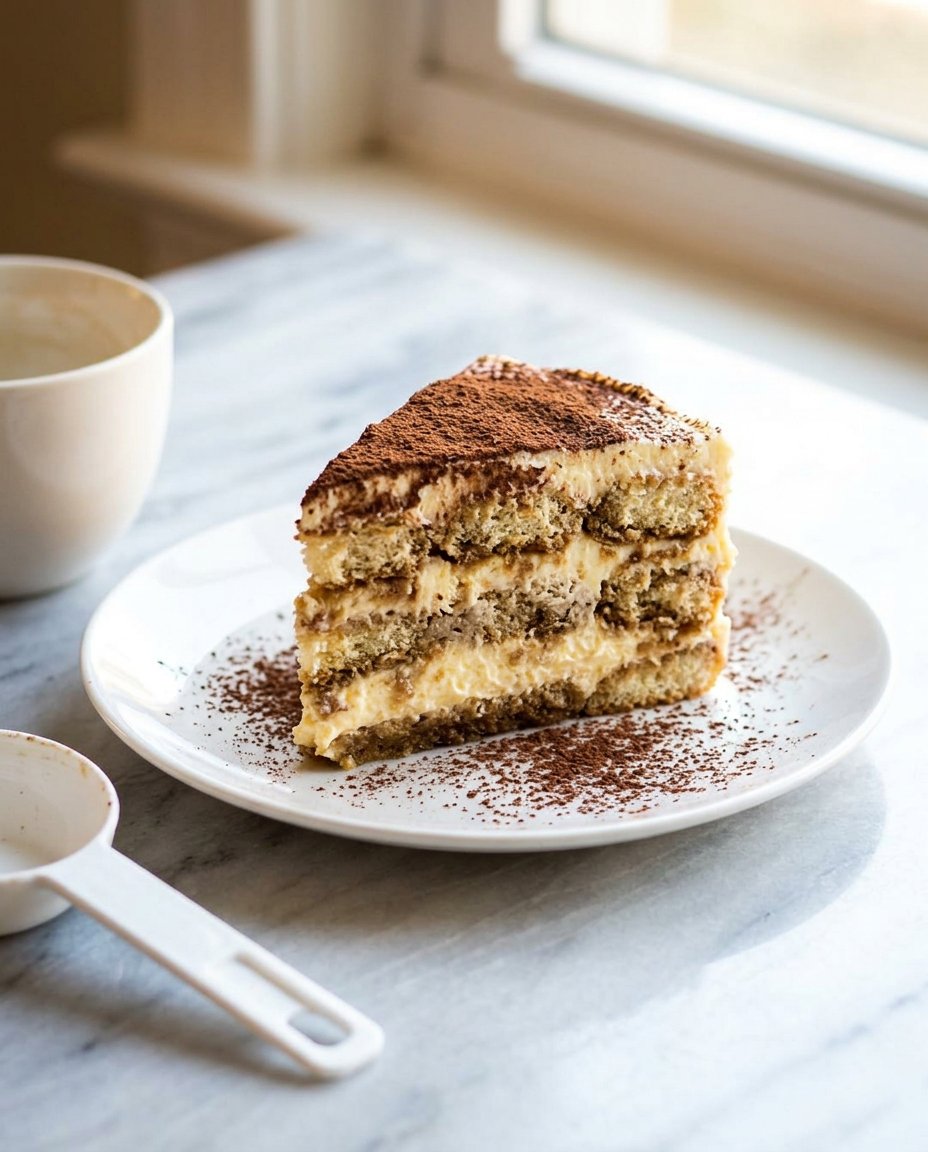
When we discuss the Tiramisu Cake, we are discussing the physics of moisture migration. Ambitious bakers will appreciate this recipe because it moves beyond a simple assembly and into the realm of structural management. The ladyfingers act as the skeletal framework, while the mascarpone mixture provides the cushioned mass. Unlike a traditional sponge cake, this dessert relies on the ‘icebox’ method where time and temperature do the work of setting the proteins and fats.
You will find triumph in the way the coffee liqueur sharpens the profile of the heavy cream, cutting through the richness with a precise alcoholic bite. The mouthfeel is specifically designed to be ethereal; we want the cream to be thick enough to stack but light enough to vanish on the tongue. This recipe is a victory for anyone who values the intersection of British methodical preparation and Italian flavor profiles. It proves that when you respect the science of the ingredients, the final presentation remains stunning and consistent every single time.
Print
Tiramisu Cake
- Total Time: 4 hours 20 mins
- Yield: 9 servings
- Diet: Vegetarian
Description
This sophisticated Tiramisu Cake combines the intense depth of espresso-soaked Savoiardi biscuits with a light, aerated mascarpone cream for a professional finish. By focusing on moisture management and dairy stabilization, this no-bake dessert achieves a structural elegance that is perfect for any special occasion.
Ingredients
- 360 ml heavy whipping cream (at least 36% fat content)
- 225 g mascarpone cheese (at room temperature)
- 67 g granulated sugar
- 1 tsp vanilla extract
- 360 ml cold espresso
- 45 ml coffee liqueur
- 1 package Savoiardi ladyfingers
- Dutch-processed cocoa powder
Instructions
- In a chilled glass or metal bowl, use a stand mixer to whisk the heavy cream, sugar, and vanilla extract until stiff peaks form.
- In a separate bowl, whisk the room-temperature mascarpone briefly to soften, then gently fold it into the whipped cream mixture using a ‘cut and fold’ motion until combined.
- Combine the cold espresso and coffee liqueur in a wide, shallow dish.
- Perform a ‘two-second dip’ by submerging each ladyfinger in the coffee mixture for one second per side.
- Arrange the dipped ladyfingers in a single layer at the bottom of an 8×8 inch square pan, trimming them if necessary for a snug fit.
- Spread exactly half of the mascarpone cream over the ladyfingers with an offset spatula, repeat the biscuit layer, and finish with the remaining cream.
- Dust the top generously with cocoa powder through a fine-mesh sieve and refrigerate for at least 4 to 12 hours before serving.
Notes
For the best results, ensure the mascarpone is truly at room temperature before mixing to avoid a grainy texture. To achieve professional-looking slices, use a sharp knife and wipe the blade clean with a warm, damp cloth between every single cut to prevent the cocoa and cream from smearing.
- Prep Time: 20 mins
- Cook Time: 0 mins
- Category: Dessert
- Method: No-Bake
- Cuisine: Italian
The Technical Foundation of Mascarpone and Espresso
Success in the pastry arts begins with the raw materials. For this Tiramisu Cake, each component must meet specific chemical criteria to provide the necessary support and flavor depth.
- Heavy Whipping Cream (360 ml): You must use cream with at least 36% fat content. This is non-negotiable for creating the stable air bubbles required for stiff peaks. If the fat content is too low, the structure will sag under the weight of the mascarpone.
- Mascarpone Cheese (225 g): This must be at room temperature (approximately 20°C or 68°F). If it is too cold, it will form lumps when folded into the whipped cream; if it is too warm, the fat may break and become oily.
- Granulated Sugar (67 g): We use a precise amount to balance the bitterness of the coffee without overwhelming the palate. The sugar also helps to stabilize the whipped cream during the aeration process.
- Cold Espresso (360 ml): The temperature here is vital. Dipping biscuits into hot liquid causes immediate structural failure of the starches. The coffee must be cold to allow for a controlled, shallow soak.
- Savoiardi Ladyfingers: These are traditional Italian biscuits baked twice to remove moisture. This dryness makes them the perfect capillary for the espresso, allowing them to soften into a cake-like texture without losing their form.
- Coffee Liqueur (45 ml): This is the bridge between the coffee and the cream. It lowers the freezing point slightly, ensuring the texture remains soft even when chilled.
- Cocoa Powder: A fine, Dutch-processed cocoa provides the necessary astringent finish to balance the dairy fats.
The Method: Precision Layering for Structural Integrity
Step 1: Aerating the Primary Base
Begin by pouring your chilled heavy whipping cream into a clean, cold glass or metal bowl. Using a stand mixer fitted with the whisk attachment, start at a low speed to break up the proteins, then increase to medium. As the cream begins to thicken and form soft trails, slowly rain in the granulated sugar and vanilla extract. Continue whisking until you reach stiff peaks—this is the point where the cream stands straight up when the whisk is lifted. Do not over-whisk, or you will begin the process of churning butter, which destroys the smooth texture.
Step 2: Integrating the Mascarpone
Once your cream is stabilized, take your room-temperature mascarpone and give it a quick whisk by hand to soften any dense pockets. Using a large silicone spatula, add the mascarpone to the whipped cream. Use a ‘cut and fold’ motion: cut through the center of the bowl, scrape along the bottom, and fold the mixture over the top. This technique preserves the air bubbles you worked so hard to create. Continue until the mixture is uniform and holds a thick, spreadable consistency. Set this aside in a cool area of the kitchen.
Step 3: Preparing the Soaking Solution
In a wide, shallow dish, combine your cold espresso and the coffee liqueur. The width of the dish is important; it must be large enough to accommodate the full length of a ladyfinger. Ensure the coffee is completely cold to the touch. If you use warm coffee, the ladyfingers will absorb liquid too rapidly, leading to a ‘weeping’ cake that leaks liquid onto the serving plate.
Step 4: The Precision Dip and Layer
Taking one ladyfinger at a time, perform the ‘two-second dip.’ Submerge the biscuit in the coffee for one second on each side. It should feel firm in the center but wet on the exterior. Immediately place it into the bottom of an 8×8 inch (20×20 cm) square pan. Repeat this process until you have a single, tight layer of biscuits. You may need to trim the final biscuit with a serrated knife to ensure a snug fit, which is essential for the cake’s structural walls.
Step 5: Establishing the Cream Layers
Take exactly half of your mascarpone cream mixture and drop it in large dollops over the ladyfinger layer. Use an offset spatula to smooth the cream into the corners and edges, creating an even plane. This layer of cream acts as the mortar between your biscuit bricks. Repeat the dipping process with the remaining ladyfingers, creating a second layer on top of the cream, then finish with the remaining mascarpone mixture. Smooth the top surface as perfectly as possible for a professional finish.
Step 6: The Final Dusting and Setting
Using a fine-mesh sieve, dust the top of the cake with a generous, even layer of cocoa powder. This creates a moisture barrier and adds the final flavor note. Cover the pan loosely and transfer it to the refrigerator. The cake must chill for a minimum of 4 hours, though 12 hours is preferable. During this time, the moisture from the espresso migrates into the center of the ladyfingers, and the fat in the mascarpone firms up, creating a sliceable, cohesive dessert.
Precision Secrets for the Professional Baker
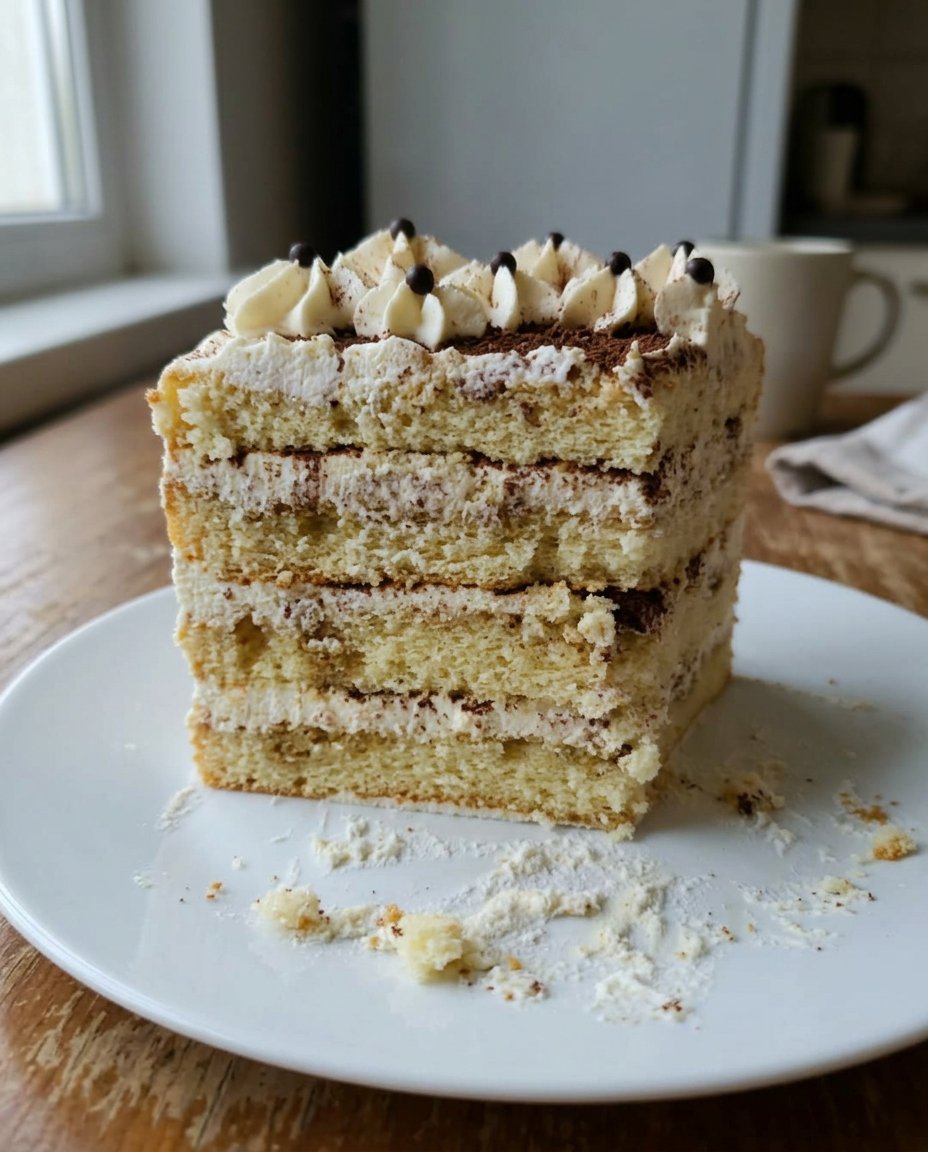
To achieve the perfect slice, you must respect the hydration levels of your biscuits. If you notice your ladyfingers are falling apart before they reach the pan, your dipping technique is too slow. Aim for a ‘quick snap’ motion. Additionally, always check our recipe-index for more guidance on dairy stabilization. Another professional secret is to wipe your knife clean between every single cut when serving. This prevents the cocoa powder from smearing into the white mascarpone layers, preserving the beautiful visual contrast that characterizes a high-quality Tiramisu Cake. Finally, ensure your mascarpone is truly at room temperature; a cold block will create a grainy texture that ruins the melt-on-the-tongue experience.
Technical Variations and Flavor Tweaks
For those looking to adjust the structural flavor profile, you can experiment with the soaking liquid. While espresso is traditional, a dark roast cold brew can offer a smoother, less acidic base. If you prefer a more cocoa-forward experience, you can find inspiration in our cocoa-dream-lab for incorporating shaved dark chocolate between the layers. For a non-alcoholic version, replace the liqueur with an equal amount of strong coffee or a splash of almond extract. Advanced bakers might consider using a homemade sponge cake sliced into strips if Savoiardi are unavailable, though this requires a much shorter soak time as sponge cake is significantly more absorbent than a dry biscuit.
Presentation Precision and Textural Balance
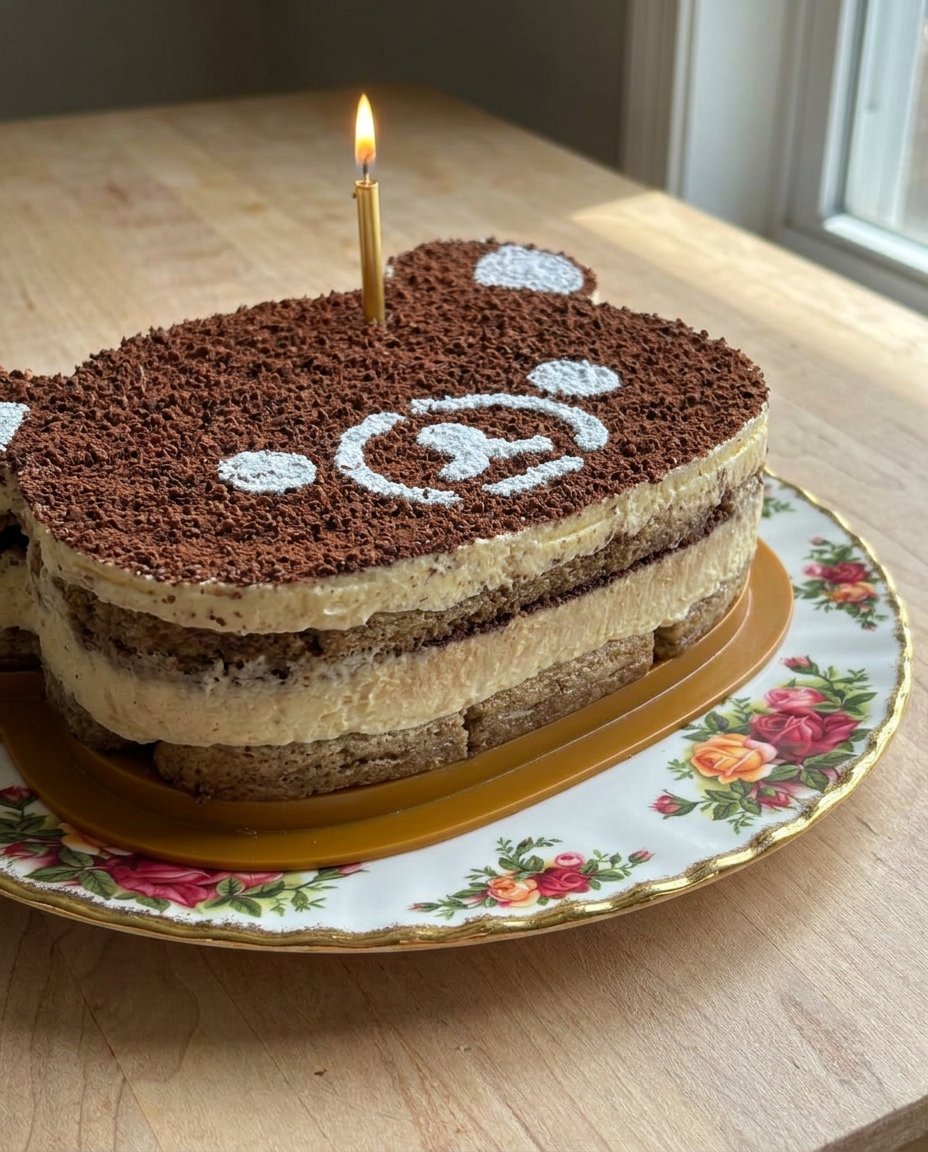
When presenting this Tiramisu Cake, the visual layers are your greatest asset. I recommend serving this in a clear glass dish or carefully lifting slices out with a thin, flexible cake server to show off the horizontal lines of biscuit and cream. For a more formal presentation, you might look at our velvet-crumb-collection for ideas on plating layered desserts. To balance the richness of the mascarpone, serve each slice with a small glass of sparkling water or a dry dessert wine. The effervescence helps clear the palate between bites, making each forkful as impactful as the first. For an extra touch of mastery, add a few coffee beans as a garnish on the side of the plate.
The Technical Truth of the Tiramisu Cake
Mastering the Tiramisu Cake is a rite of passage for any serious home baker. It teaches the vital importance of moisture management and the delicate art of folding dairy. When you follow these precise steps, you move beyond mere cooking and into the realm of pastry architecture. If you enjoyed the technical challenge of this build, you might want to try our old-fashioned-chocolate-cake for another exercise in structural perfection. For more visual inspiration and technical guides, follow us on Pinterest, Instagram, and Facebook. You can also find more detailed tips at Tastes Better From Scratch. Happy baking, and remember: precision is the key to perfect texture.