During my early training in London, my mentors emphasized that professional-grade results often come from understanding the structural integrity beneath a surface-level aesthetic. This recipe reminds me that a seemingly unrefined appearance often masks a technically superior crumb and a rich, custardy interior. Precision in the mixing stage confirms that even a cake labeled as ‘ugly’ provides a mouthfeel that rivals the most delicate French patisserie.

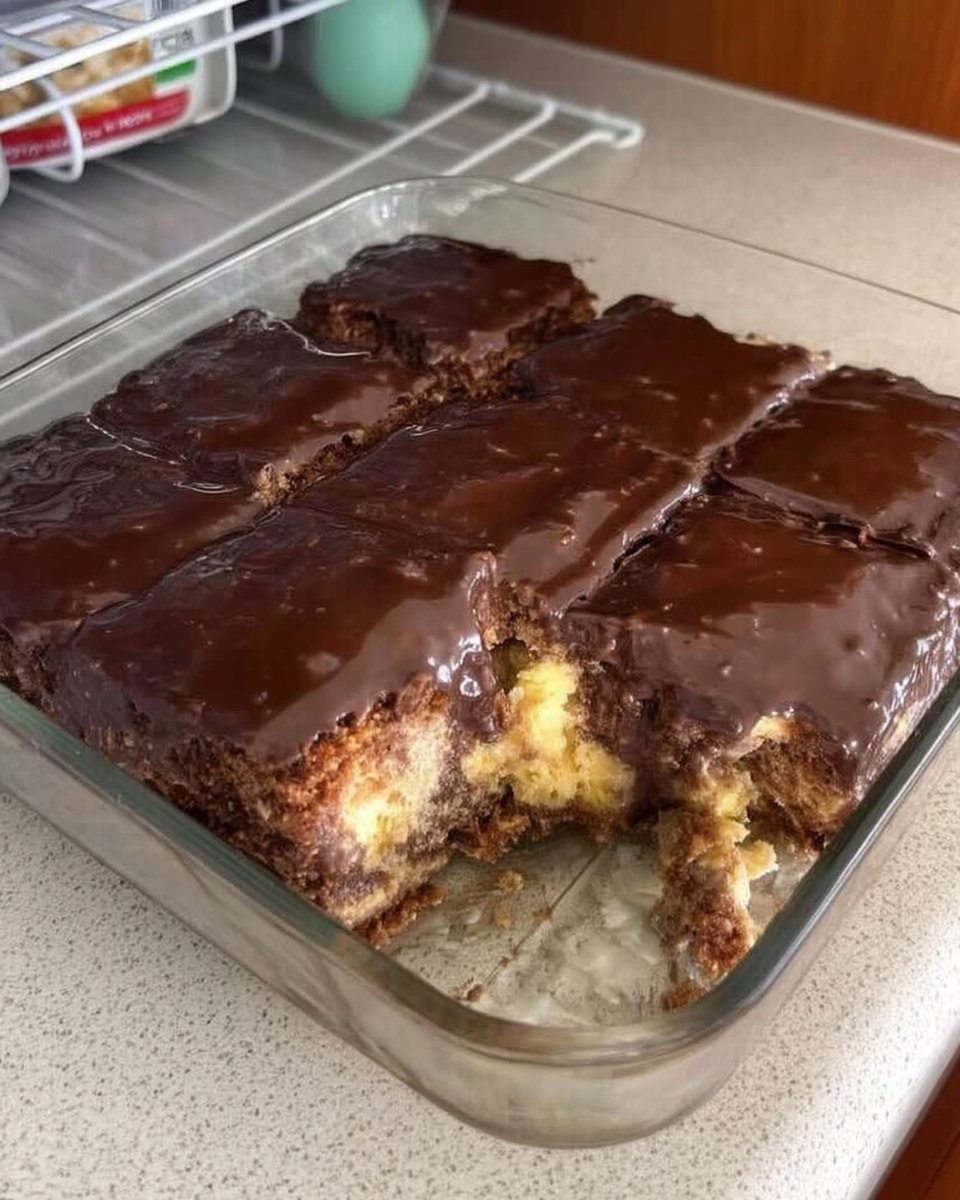
The Ugly Cake is a triumph of textural contrast, combining a light, airy yellow sponge with a dense, creamy vanilla custard swirl. While its name suggests a lack of aesthetic polish, the resulting moisture levels and flavor density are simply spectacular. By mastering the balance between the chemically leavened base and the protein-rich custard, you achieve a dessert that stays fresh and tender for days.
Structural Mastery Meets Melt-in-Your-Mouth Texture
This recipe is a masterclass in managing moisture migration. The technical success of an Ugly Cake lies in the interaction between the soft, open crumb of the yellow cake and the moisture-heavy vanilla custard. Unlike a standard marble cake where two similar densities are combined, this bake pairs two distinct textures that maintain their individual identities during the baking process. The cake provides the necessary structural scaffold to support the weight of the cream cheese custard, while the custard infuses the surrounding sponge with additional hydration.
You will appreciate the precision of this method because it removes the risk of a dry or crumbly cake. By using salted butter and whole milk, we introduce a specific fat content that coats the flour proteins, preventing excessive gluten development. This results in a ‘short’ texture that literally melts on the tongue. Furthermore, the inclusion of instant pudding in the custard layer act as a stabilizer, ensuring the creamy pockets remain soft and luscious rather than turning rubbery under heat.
Technically, this cake is an exercise in heat transfer. The edges of the cake set first, creating a golden, crisp perimeter that protects the more delicate, pudding-filled center. This contrast between the firmer exterior and the almost molten interior is what makes this bake a recurring favorite for those who value mouthfeel over external decoration. It is a humble-looking dessert that reveals its professional complexity the moment you take your first bite.
Print
Ugly Cake
- Total Time: 1 hour 30 mins
- Yield: 12 servings
- Diet: Vegetarian
Description
This unique dessert features a tender yellow sponge marbled with a rich, creamy vanilla custard for a perfect balance of textures. Despite its humble name, the Ugly Cake delivers a sophisticated mouthfeel and stays moist for days, making it a reliable favorite for any occasion.
Ingredients
- 1 box yellow cake mix
- 4 large eggs, divided
- 2 cups whole milk, divided
- 1/2 cup salted butter, melted
- 1 teaspoon pure vanilla extract
- 8 ounces cream cheese, room temperature
- 1 package (3.4 ounces) instant vanilla pudding mix
- Powdered sugar, for dusting
Instructions
- Preheat your oven to 350°F (175°C) and thoroughly grease a 9×13 inch baking dish with butter.
- In a large bowl, whisk together the yellow cake mix, 3 eggs, 1 cup of whole milk, melted butter, and vanilla extract until smooth.
- Pour the cake batter into the prepared baking dish, spreading it evenly to the corners.
- In a separate medium bowl, whisk the cream cheese, the remaining 1 cup of milk, the instant pudding mix, and the last egg until thickened and creamy.
- Pour the custard mixture over the cake batter and use a butter knife to gently swirl the layers together in a figure-eight pattern.
- Bake for 40 to 45 minutes until the edges are golden brown and starting to pull away from the pan.
- Cool on a wire rack for at least 30 minutes to allow the custard to set before dusting with powdered sugar and serving.
Notes
To ensure the best texture, always use room temperature cream cheese to avoid lumps in the custard layer. If you prefer a more set center, allow the cake to chill in the refrigerator after the initial cooling period before slicing with a warm knife for clean edges.
- Prep Time: 15 mins
- Cook Time: 45 mins
- Category: Dessert
- Method: Baking
- Cuisine: American
The Technical Foundation of the Ugly Cake
Every ingredient in this list serves a specific structural purpose. When choosing your components, precision in quality is paramount to achieving the desired textural victory. We use a standard yellow cake mix as our base, which provides a reliable chemical leavening system that can withstand the weight of the heavy custard swirl.
- Large Eggs: These provide the necessary protein structure. At room temperature, eggs emulsify more effectively, creating a stable network that traps air and supports the cake’s lift.
- Whole Milk: The fat content in whole milk is essential. It provides a richer mouthfeel than lower-fat alternatives and contributes to the tenderness of the crumb.
- Salted Butter: Unlike oil, butter provides a solid fat structure that improves the ‘melt’ of the cake. The salt helps to balance the high sugar content, refining the overall flavor profile.
- Cream Cheese: This is the structural heart of the custard. It provides acidity and fat, ensuring the pudding layer has enough body to swirl without disappearing into the batter.
- Instant Vanilla Pudding: The modified starches in the pudding mix act as a thickener that sets quickly, preventing the custard from sinking entirely to the bottom of the pan.
- Pure Vanilla Extract: High-quality extract provides the aromatic depth needed to distinguish a professional bake from a standard box mix.
- Powdered Sugar: Used for a final dusting, this provides a visual finish that hides the ‘ugly’ surface while adding a subtle, initial sweetness.
The Method: A Technical Process
Step 1: Environmental Preparation and Stabilization
Before beginning the mix, preheat your oven to 350 degrees F (175 degrees C). Precision in temperature is vital; if the oven is too cool, the custard will sink before the cake structure sets. Grease a 9×13 inch (23×33 cm) baking dish thoroughly with butter. This not only prevents sticking but also encourages the Maillard reaction, giving the edges a beautiful, crisp texture that contrasts with the soft center.
Step 2: Creating the Homogenous Cake Base
In a large mixing bowl, combine the yellow cake mix, three large eggs, one cup of whole milk, half a cup of melted salted butter, and the vanilla extract. Whisk these together until the mixture is completely homogenous. You are looking for a smooth consistency without lumps. Do not over-mix; we want to incorporate air without developing tough gluten strands. Pour the batter into your prepared dish, spreading it evenly to the corners to ensure a level bake.
Step 3: Compounding the Custard Layer
In a separate medium bowl, whisk together the room-temperature cream cheese, the remaining cup of whole milk, the instant vanilla pudding mix, and the last egg. The goal is a thick, creamy consistency. It does not need to be perfectly smooth—small flecks of cream cheese are acceptable as they create delicious pockets of texture—but large clumps should be broken down. This custard is the heavy element of the bake, so it must be thick enough to sit atop the batter initially.
Step 4: The Strategic Swirl Technique
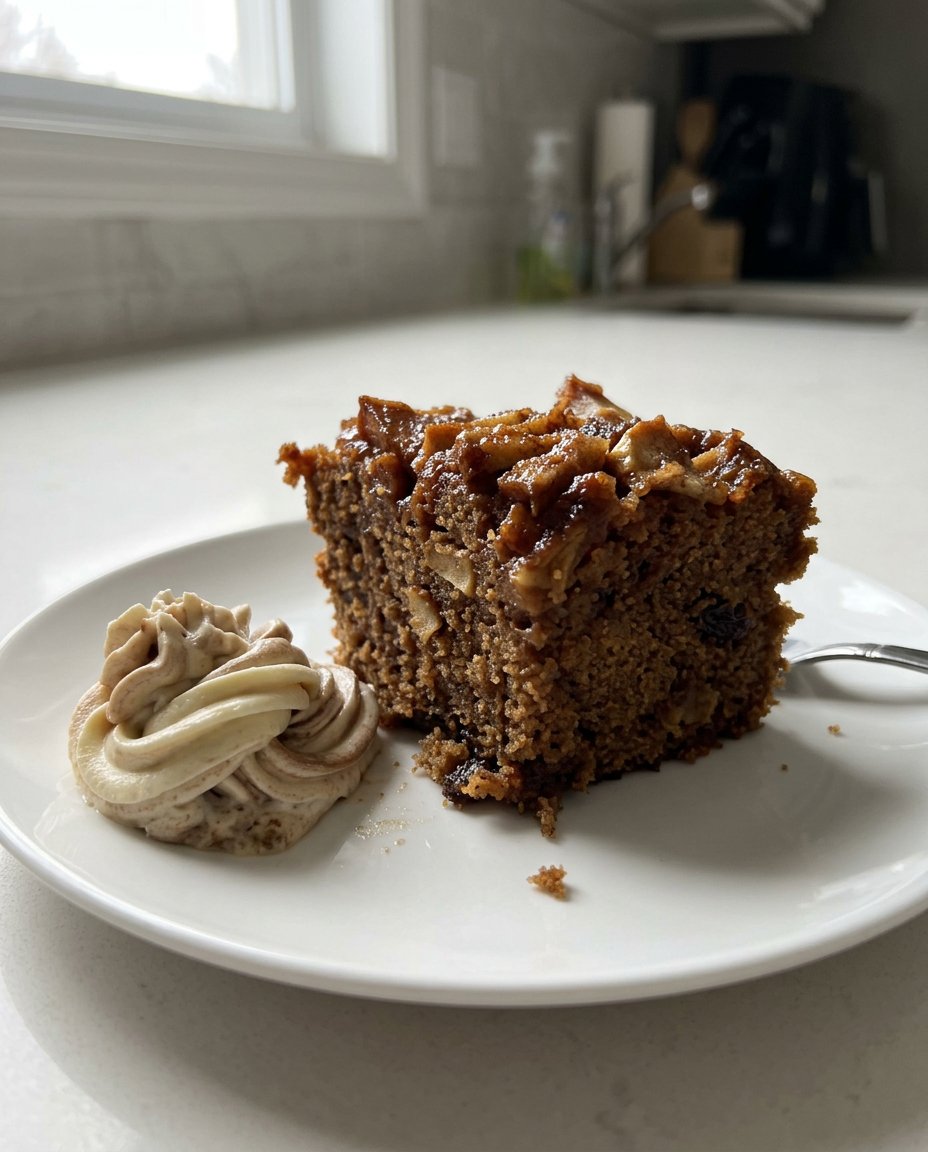
Pour the custard mixture directly over the cake batter in the dish. Using a butter knife or a small offset spatula, gently swirl the two layers together. Use a figure-eight motion, but be careful not to fully integrate them. You want distinct ribbons of custard throughout the cake. This creates the ‘ugly’ surface as the two densities react differently to the heat, but it is this technical variance that produces the superior internal texture.
Step 5: Thermal Application and Testing
Position the dish in the center of the oven and bake for 40 to 45 minutes. Because of the high moisture content in the custard, a standard toothpick test in the center will not come out clean. Instead, look for visual and tactile cues: the edges should be a deep golden brown and should have pulled away slightly from the sides of the pan. The center should still have a slight, controlled jiggle but should not appear liquid.
Step 6: The Stabilization Period
Remove the cake from the oven and place it on a cooling rack. It is imperative to allow the cake to cool for at least 30 minutes on the counter. During this time, the custard undergoes a process of carry-over cooking and setting. If you cut the cake too early, the structure will collapse, resulting in a scoopable mess rather than defined slices. Once settled, dust with powdered sugar to finish.
Precision Secrets for Structural Success
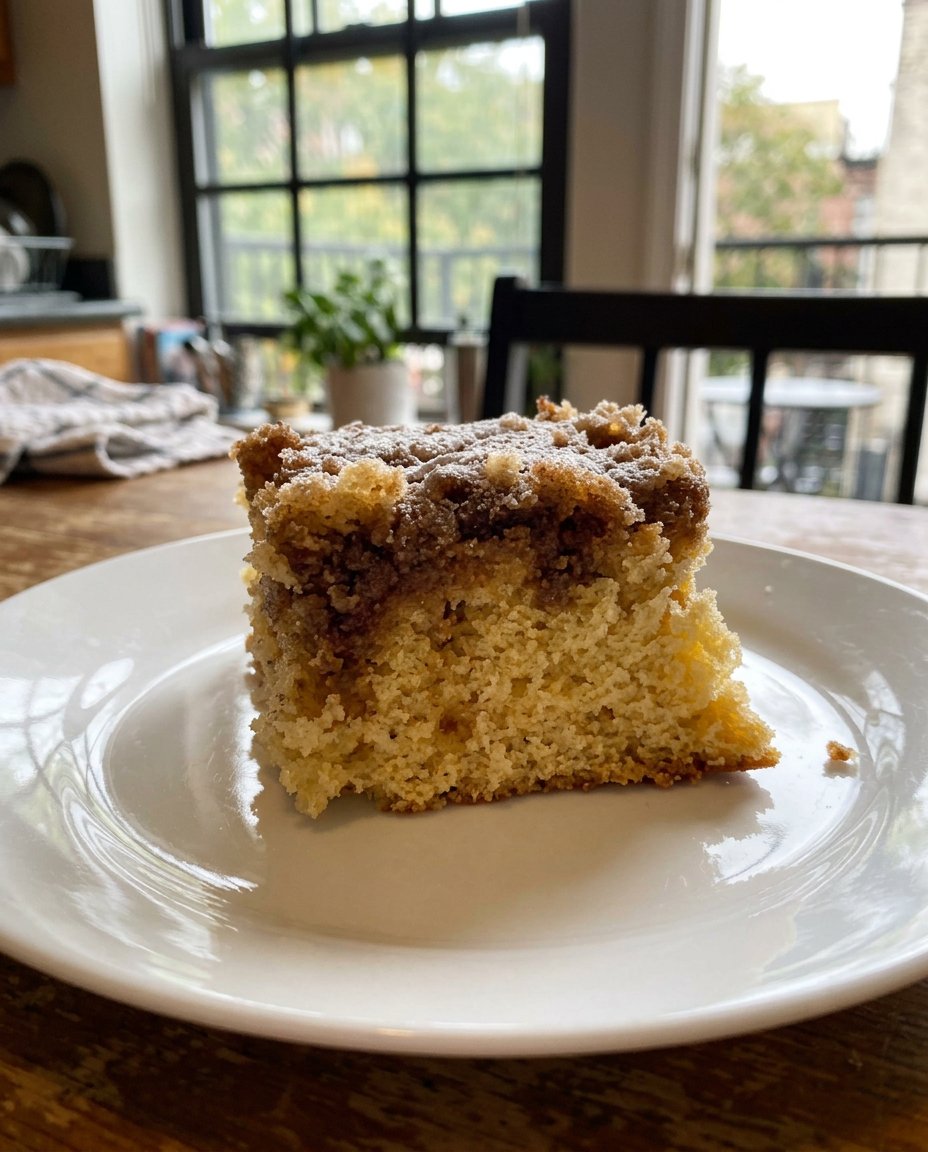
Temperature control is the secret to a perfect Ugly Cake. I cannot stress enough that your cream cheese and eggs must be at room temperature before you begin. Cold cream cheese will never fully integrate with the pudding mix, resulting in large, unappealing lumps that can create holes in your cake structure. If you are in a rush, you can soften the cream cheese in the microwave for 15 seconds, but do so carefully to avoid melting the fat. For more guidance on base techniques, refer to our technical recipe index.
When testing for doneness, focus on the ‘perimeter pull.’ As the proteins in the cake mix set, they contract. When the cake edges pull roughly 2mm away from the side of the baking dish, the cake is ready. The custard center will continue to firm up as it cools. Over-baking in an attempt to get a clean toothpick from the center will result in a dry, tough sponge around the edges. You might also find inspiration in the traditional approach found at Barbara Bakes, where the focus is on the comfort of the final texture.
Technical Tweaks for Advanced Bakers
Once you have mastered the standard version, you can experiment with the structural components to create new flavor profiles. A popular variation is the Cocoa Marble Ugly Cake. Substitute the yellow cake mix for a devil’s food mix and use a chocolate instant pudding in the custard layer. This creates a much denser, fudgier result. For a deeper understanding of chocolate physics in baking, examine our old-fashioned chocolate cake methodology.
You can also introduce fruit acids to the custard. Adding two tablespoons of lemon juice and the zest of one lemon to the vanilla custard creates a bright, tart contrast that cuts through the richness of the cream cheese. If you choose this path, be aware that the extra acid will react with the leaveners in the cake mix, potentially causing a slightly higher rise in the swirled areas. This variation provides a refreshing change that pairs excellently with a summer menu.
Presentation Precision and Textural Balance
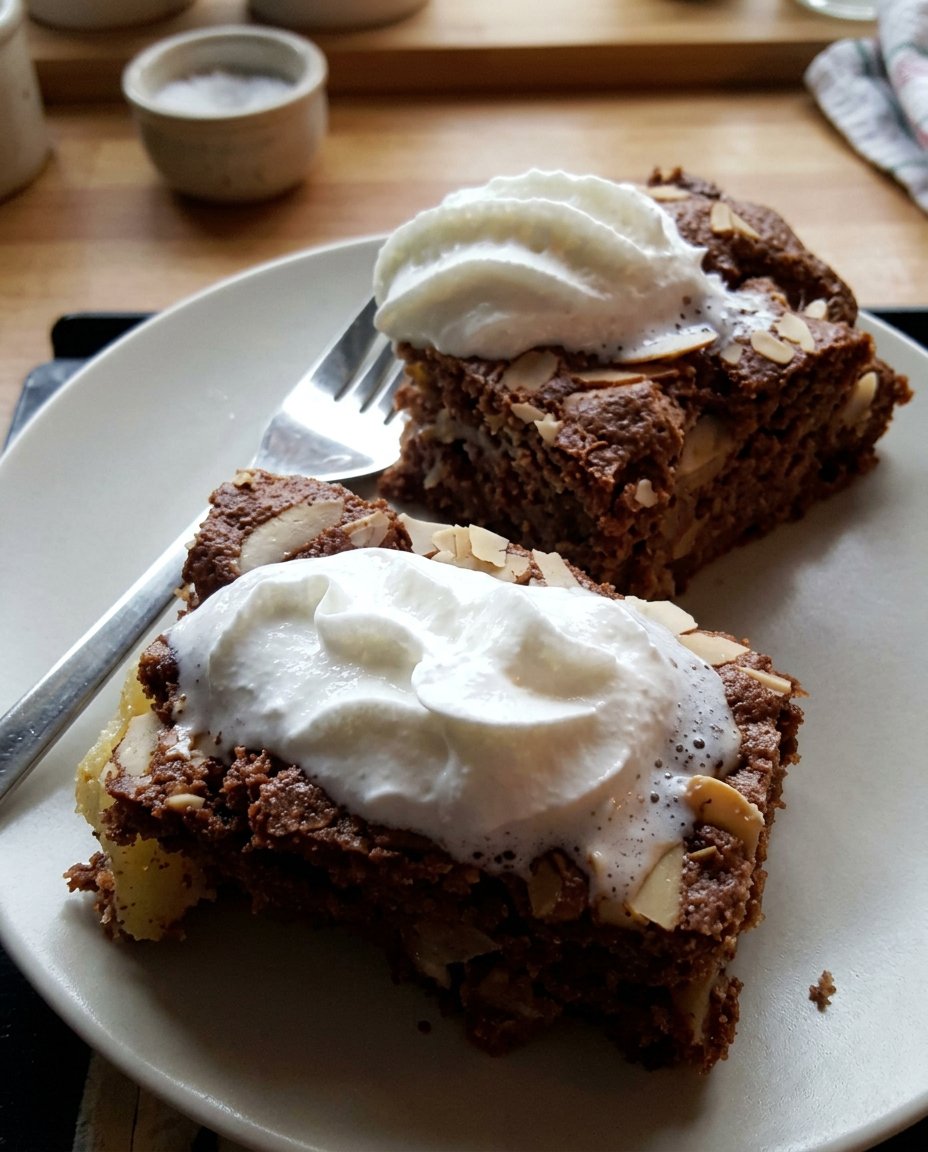
To achieve clean, professional slices, use a sharp chef’s knife and wipe the blade with a warm, damp cloth between every single cut. This prevents the sticky custard from dragging through the yellow sponge, preserving the beautiful marbled interior. For a truly spectacular presentation, serve a square of the Ugly Cake slightly warm with a dollop of unsweetened whipped cream to balance the sugar levels. The contrast between the cold cream and the warm, dense cake is a sensory triumph.
If you are serving this as part of a larger dessert spread, consider pairing it with something vibrant and acidic. The richness of the vanilla and cream cheese benefits greatly from a side of fresh berries or a citrus-heavy accompaniment like our lemon rainbow cake. A strong, dark roast coffee also provides the necessary bitterness to cleanse the palate between bites of this decadent treat.
Master the Craft of Precision Baking
Mastering the Ugly Cake is a reminder that in the world of professional pastry, texture is just as important as appearance. By focusing on the temperature of your ingredients and the precision of your swirl, you create a dessert that provides a superior eating experience. Do not be discouraged by the rustic surface; the true victory is found in the moist, custardy crumb that awaits inside. For those looking to master even more complex structural bakes, I highly recommend studying our car cake for advanced shaping techniques.
I invite you to share your results and technical questions with our community of ambitious bakers. Connect with us on Pinterest, Instagram, or Facebook to show off your latest bakes and gain more precision secrets. Happy baking!