I remember the first time I baked a dessert without butter or eggs in my small kitchen overlooking the Mediterranean. There was a skeptical silence until the scent of blooming cocoa filled the air, promising a texture as rich as any traditional sponge. This Vegan Cake is the result of years spent perfecting that specific, melt-in-your-mouth magic that defies expectations.

This recipe is not just a substitute; it is a celebration of moisture and deep, resonant chocolate flavor. By using a hot coffee bloom and a simple plant-based buttermilk, we achieve a crumb so tender it feels like silk against the palate. It is a testament to the fact that the right technique can create a masterpiece from the simplest pantry staples.
The Architecture of a Perfect Vegan Cake
You will love this cake because it prioritizes the sensory experience of a truly moist sponge. Many plant-based desserts can feel dense or dry, but this method ensures a light, airy structure that still carries a luxurious weight. The inclusion of boiling coffee doesn’t make the cake taste like a latte; instead, it wakes up the cocoa solids, creating a vibrant, dark profile that balances the sweetness of the frosting. It is the kind of dessert that invites a second slice before the first one is even finished, simply because the fork glides through it with such ease. Whether you are a devoted vegan or a traditional baker, the glossy finish and tender crumb of this cake will become a permanent fixture in your repertoire.
Print
Vegan Cake
- Total Time: 55 mins
- Yield: 12 servings
- Diet: Vegan
Description
This exceptional Vegan Cake features a remarkably moist and tender crumb achieved through a unique hot coffee bloom and a plant-based buttermilk substitute. Finished with a silky chocolate frosting, it is a sophisticated dessert that proves plant-based baking can be truly luxurious.
Ingredients
- 1 1/2 cups soy milk
- 2 teaspoons apple cider vinegar
- 2 cups granulated sugar
- 1 3/4 cups all-purpose flour
- 3/4 cup Dutch-processed cocoa powder
- 1 1/2 teaspoons baking powder
- 1 1/2 teaspoons baking soda
- 1 teaspoon sea salt
- 1/2 cup vegetable oil
- 2 teaspoons vanilla extract
- 1 cup boiling water
- 2 teaspoons instant coffee
- 1/2 cup softened vegan butter
- 1/2 cup cocoa powder (for frosting)
- 3 cups powdered sugar
- 1/4 cup vegan milk
Instructions
- Preheat your oven to 350°F (180°C) and grease two 9-inch cake pans, lining the bottoms with parchment paper.
- Whisk the soy milk and apple cider vinegar together in a small bowl and let it sit for 5 to 10 minutes to curdle.
- Sift the sugar, flour, cocoa powder, baking powder, baking soda, and sea salt into a large mixing bowl to aerate.
- Combine the boiling water with instant coffee, then add the milk mixture, oil, vanilla, and hot coffee to the dry ingredients.
- Whisk the batter on medium speed for two minutes until smooth; the consistency will be thin.
- Divide the batter between the pans and bake for 35 minutes until the center springs back and a toothpick comes out with moist crumbs.
- Cool the cakes in the pans for 30 minutes, then prepare the frosting by beating vegan butter, cocoa, powdered sugar, and milk until velvety.
- Frost the completely cooled layers, spreading a generous amount between the cakes and swirling the remainder over the top and sides.
Notes
For the most consistent results, ensure your soy milk is at room temperature before adding the vinegar to encourage proper curdling. Always allow the cakes to cool completely before frosting, as the plant-based oils in the vegan butter are sensitive to heat and may melt if the sponge is even slightly warm.
- Prep Time: 20 mins
- Cook Time: 35 mins
- Category: Dessert
- Method: Baking
- Cuisine: Mediterranean
The Foundation of a Fluffy Vegan Sponge
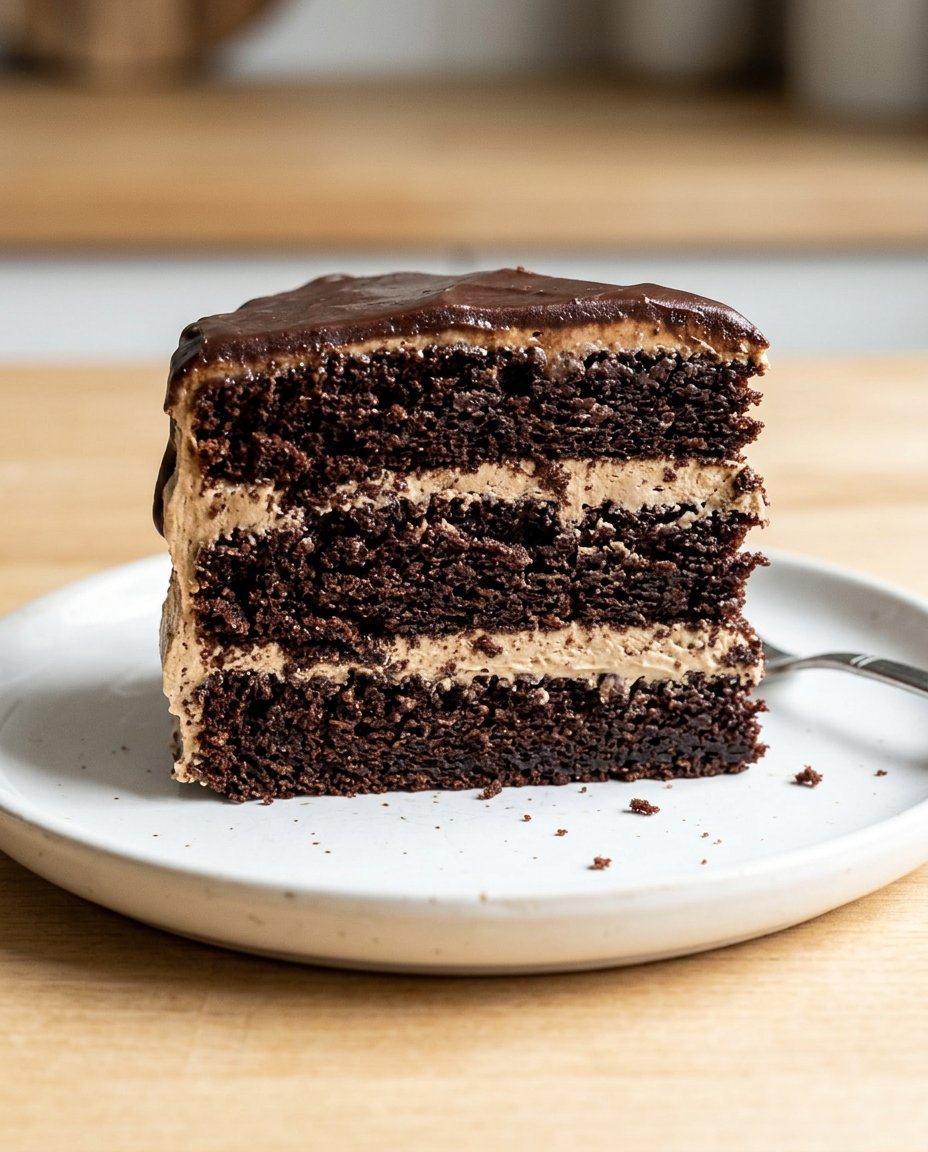
Creating a Vegan Cake with such a delicate crumb requires a thoughtful selection of Mediterranean pantry staples and specific chemical reactions. Each component plays a vital role in the final mouthfeel and structural integrity.
- Soy Milk and Apple Cider Vinegar: This combination creates a vegan buttermilk. The acid reacts with the protein in the milk, curdling it slightly and providing the lift needed for a tall, airy rise.
- High-Quality Cocoa Powder: This is the heart of the flavor. I recommend an unsweetened Dutch-processed cocoa for that deep, reddish-brown hue and smooth finish.
- Boiling Water and Instant Coffee: This is my greatest secret. The heat ‘blooms’ the cocoa, releasing its aromatic oils, while the coffee acts as a flavor booster that deepens the chocolate notes without being intrusive.
- Oil over Butter: Using oil ensures that the cake remains incredibly moist even when stored in the refrigerator. It provides a consistent, velvet-like texture that butter-based cakes often lose when chilled.
- Baking Powder and Soda Duo: This double-leavening approach ensures the cake doesn’t collapse under the weight of the moisture, keeping the center light and springy.
The Method of Melting Magic
Step 1: Preparing the Pans and Oven
Begin by preheating your oven to 350°F (180°C). Grease two 9-inch cake pans generously and line the bottoms with parchment paper. This step is non-negotiable; the cake is so tender and moist that it needs that extra layer of protection to ensure it releases cleanly without tearing the delicate crumb.
Step 2: Creating the Vegan Buttermilk
In a small bowl, whisk together the soy milk and apple cider vinegar. Let it sit for about five to ten minutes. You will see it begin to curdle and thicken. This is exactly what we want; it mimics the acidity and texture of traditional buttermilk, which is essential for a soft, tender bite.
Step 3: Combining the Dry Elements
In a large mixing bowl, sift together the sugar, all-purpose flour, cocoa powder, baking powder, baking soda, and sea salt. Sifting is crucial here to remove any lumps from the cocoa and to aerate the flour, ensuring the final batter is as smooth as Mediterranean silk.
Step 4: The Hot Coffee Bloom
Prepare your boiling water and stir in the instant coffee. Now, add the milk mixture, oil, and vanilla to the dry ingredients, followed immediately by the hot coffee. Use an electric whisk on medium speed for two minutes. The batter will be thin, but do not be alarmed—this high hydration is the secret to the cake’s legendary moisture.
Step 5: The Patient Bake
Divide the batter equally between your prepared pans. Bake for approximately 35 minutes. When you press the center lightly, it should spring back, and a toothpick should come out with just a few moist crumbs clinging to it. Let them cool in the pans for at least 30 minutes to allow the structure to set before transferring to a wire rack.
Step 6: Crafting the Silk Frosting
For the frosting, beat the softened vegan butter with cocoa powder and half of the powdered sugar. Gradually add the remaining sugar and vegan milk until it reaches a thick, spreadable consistency that looks like liquid velvet. The goal is a frosting that holds its shape but melts instantly upon contact with the tongue.
Step 7: The Final Assembly
Place the first cooled layer on a platter and dollop a generous amount of frosting on top, spreading it to the edges. Place the second layer upside down to ensure a perfectly flat top. Enrobe the entire cake in the remaining frosting, using a spatula to create soft swirls that catch the light.
Mehmet’s Secrets for Texture Mastery
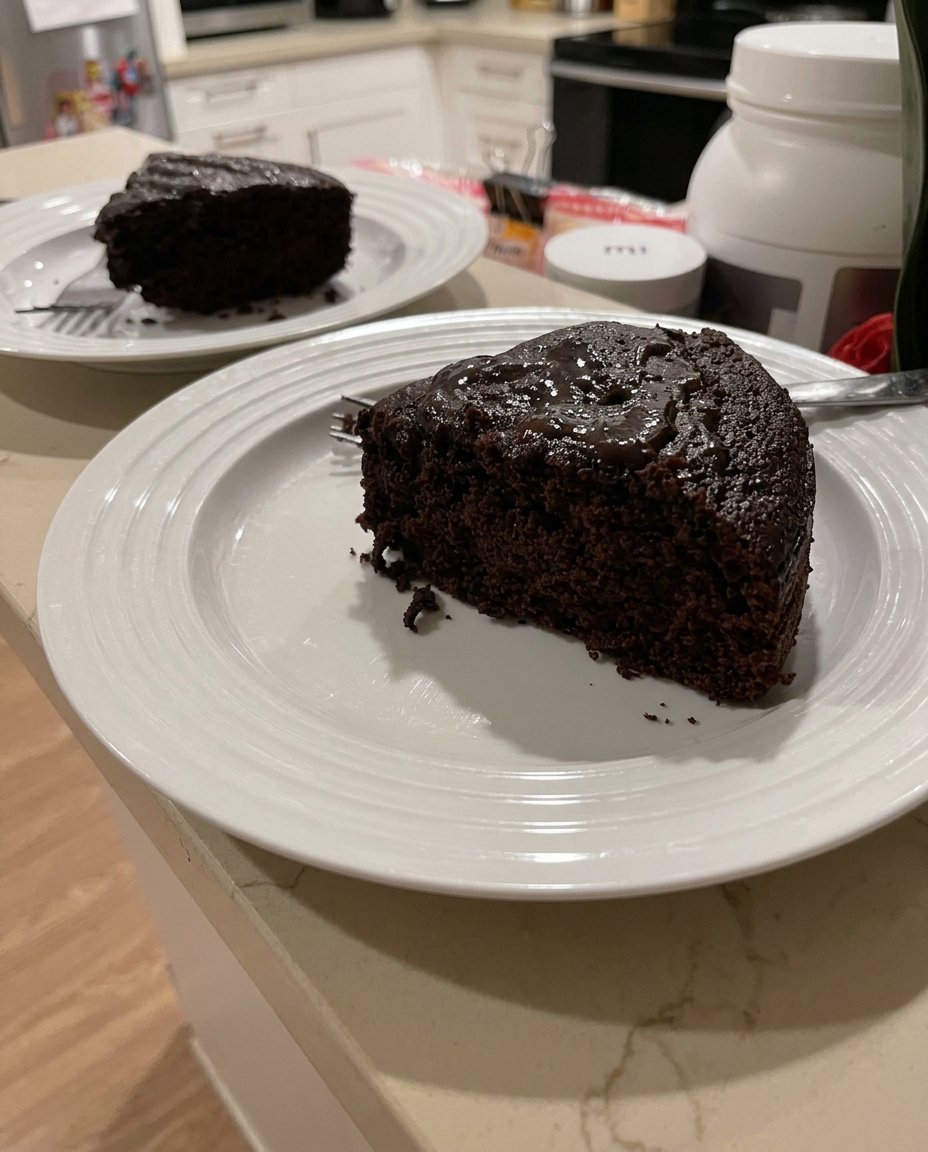
The secret to a world-class Vegan Cake lies in the temperature of your ingredients. Always ensure your soy milk is at room temperature before adding the vinegar, as this encourages a better curdle. When you add the boiling coffee, do it slowly while whisking; the heat actually starts to cook the starches in the flour, which creates a more stable, moist structure. If you find your cakes are often too crumbly, you might be over-mixing; once the flour is added, mix only until the large lumps disappear. For those who enjoy a bit of crunch against the soft sponge, consider adding a layer of crushed nuts between the layers, much like the textures found in a snickers cake. Patience is your best friend here—never frost the cake while it is even slightly warm, or the oils in the vegan butter will separate, ruining the glossy finish.
Regional Twists and Flavor Flourishes
While this chocolate version is a classic, you can easily adapt it to reflect different Mediterranean moods. For a brighter, more floral profile, replace the coffee with hot water and add two teaspoons of orange blossom water to the batter. This creates a hauntingly beautiful aroma that pairs perfectly with a dark chocolate ganache. If you prefer a lighter, more festive option, you might look toward the fruit-forward profiles found in a traditional fruit cake by adding dried cherries soaked in warm water to the batter. Another popular variation is to swap the vanilla for almond extract and fold in a half-cup of finely ground almond meal to the flour mixture, which adds a nutty depth and an even more luxurious, dense crumb.
At the Table: Mediterranean Traditions
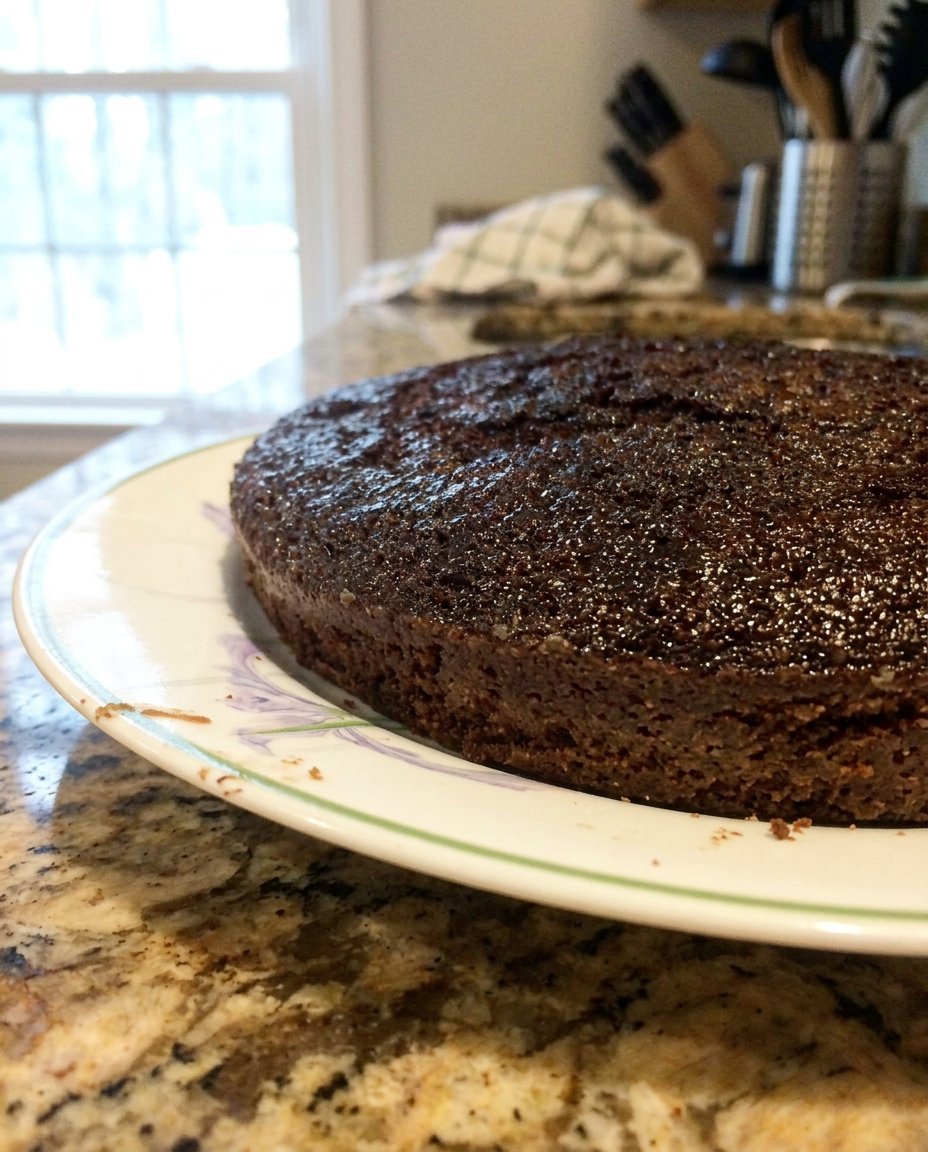
In my home, a deep chocolate cake is never served alone. It belongs next to a small cup of strong, bitter Turkish coffee or a glass of fragrant Earl Grey tea. The bitterness of the drink cuts through the richness of the frosting, cleansing the palate for the next decadent bite. If you want to lean into the Mediterranean aesthetic, garnish the top with fresh raspberries or a few sprigs of mint to provide a pop of color against the dark chocolate. For a truly spectacular presentation that mirrors the vibrance of a lemon rainbow cake, serve each slice with a dollop of vegan coconut whipped cream and a dusting of gold leaf or cocoa nibs. The contrast between the cold cream and the room-temperature cake is a textural delight.
The Sweet Truth of the Soak
Baking this Vegan Cake is a reminder that tradition and innovation can live together on the same plate. By focusing on the science of moisture and the soul of the cocoa bean, we create something that feels timeless and deeply satisfying. I hope this recipe brings a sense of Mediterranean warmth to your kitchen and that you find as much joy in the process as you do in the first, melting bite. For more chocolate inspiration, don’t miss our old fashioned chocolate cake which explores more traditional methods. For even more plant-based tips, check out this great guide on vegan chocolate cake. Please share your baking journey with me on Instagram, Facebook, and Pinterest. Happy baking!