The secret to a crisp exterior that yields to a tender, airy heart is not found in the heat of the oil, but in the patience of the rest before the batter ever meets the pan.

Recreating the nostalgic magic of a Classic Carnival Funnel Cake requires more than just high heat; it requires a steady hand and a sense of timing. This golden, tangled pastry offers a texture that is simultaneously light and indulgent, much like the fried doughs found in the seaside stalls of my youth. When you master the pour and the flip, you invite the warmth of the fairground directly into your own kitchen with every dusting of fine sugar. The result is a meltingly soft interior protected by a shell that shatters with the gentlest pressure of a fork.
What Makes the Classic Carnival Funnel Cake Texture Sing
Prep: 25 min · Serves: 4 · Difficulty: Easy
There is a specific joy in watching the batter transform into a tangled web of golden lace right before your eyes. You will find that this funnel cake recipe provides the perfect balance of sweetness and crunch for any quiet afternoon gathering.
- Crisp golden edges with melting centers
- Delicate sweetness from finely sifted sugar
- Rapid preparation for spontaneous family treats
- Familiar scents of cinnamon and vanilla
- Tender crumb that feels light as air
This recipe offers the same sensory promise as a late afternoon sun warming the kitchen table.
Get The Full Cake Recipe
Print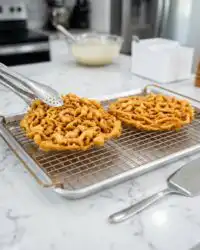
Classic Carnival Funnel Cake
- Total Time: 45 mins
- Yield: 4 servings
Description
Create the nostalgic experience of a classic carnival at home with this light and airy fried dough pastry. Finished with a delicate dusting of powdered sugar, each cake offers a satisfyingly crisp exterior and a tender, melting center.
Ingredients
- All-purpose flour
- Whole milk
- Ground cinnamon
- Vanilla extract
- Granulated sugar
- Baking powder
- Baking soda
- Salt
- Frying oil
- Powdered sugar for dusting
Instructions
- Temper the oil. Fill a deep skillet with frying oil and heat to a steady 350°F using a reliable thermometer.
- Combine dry goods. Sift together the flour, baking powder, baking soda, salt, and cinnamon in a large ceramic bowl.
- Mix liquid ingredients. Whisk eggs, whole milk, vanilla extract, and granulated sugar in a separate vessel until the sugar is fully dissolved.
- Create the batter. Slowly incorporate the liquid mixture into the dry ingredients, stirring steadily until the batter is smooth and lump-free.
- Rest the batter. Transfer the mixture into a squeeze bottle and let it rest for a few minutes to allow the leavening agents to activate.
- Form the cake. Squeeze the batter into the hot oil in a widening spiral, overlapping the lines to create a cohesive lattice web.
- Flip the cake. Cook for about ninety seconds until deep golden brown, then carefully flip using wide tongs to fry the other side.
- Drain and serve. Remove to paper towels, allow excess oil to drain, and dust generously with sifted powdered sugar while still warm.
Notes
- Ensure your oil temperature remains consistent to prevent the batter from absorbing too much fat.
- Use a wide skillet to provide enough surface area for the spiral batter pattern to expand correctly.
- Sift your powdered sugar immediately before serving to avoid heavy, uneven clumps on the finished pastry.
- Keep cooked cakes warm on a wire rack in a 200°F oven while preparing the remaining batches.
- Prep Time: 25 mins
- Cook Time: 20 mins
- Category: Dessert
- Method: Deep Frying
- Cuisine: American
From the Mediterranean Pantry
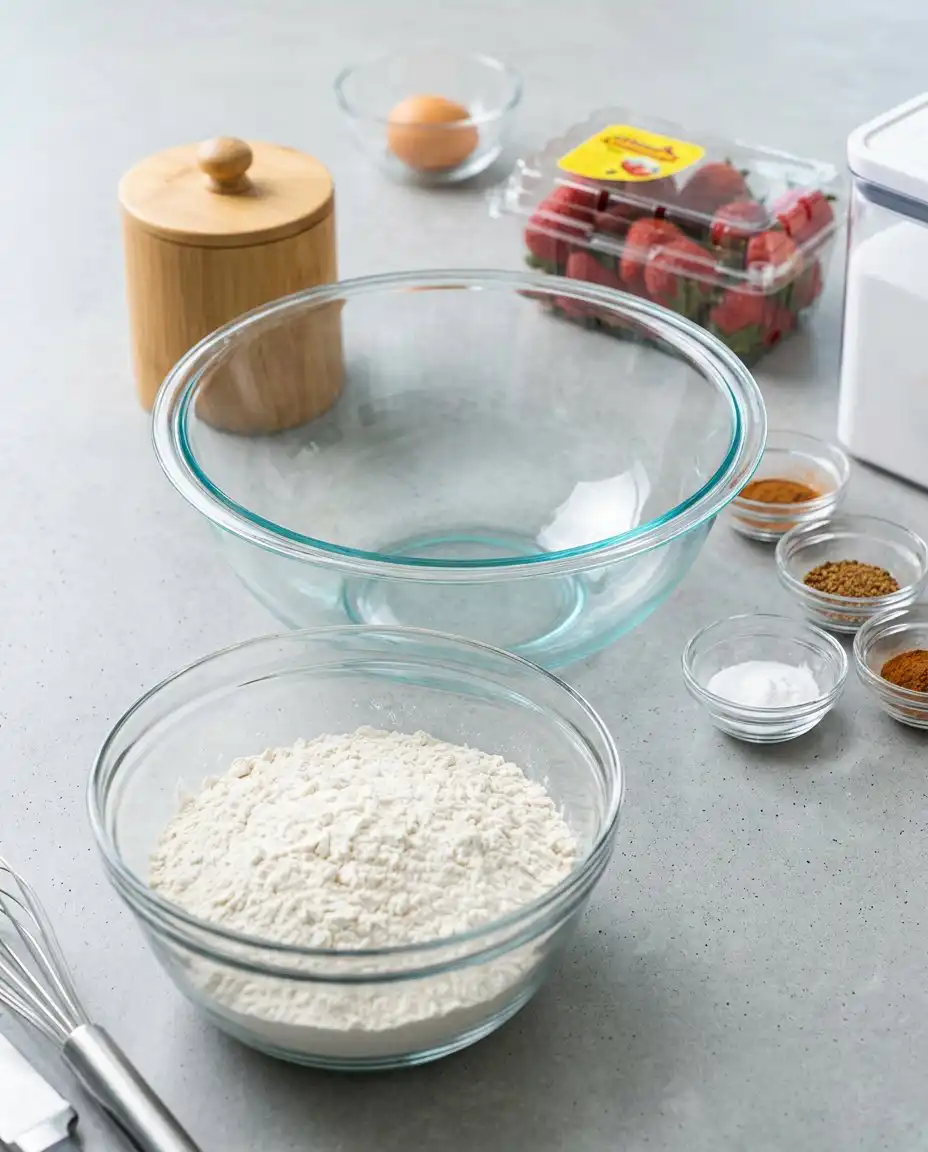
The foundation of this batter relies on simple, honest staples that provide structure and a subtle richness. By using whole milk and a touch of ground cinnamon, we create a profile that is comforting and aromatic without being overly heavy on the palate.
- All-purpose flour: Provides the necessary structure for the tangled lattice shape.
- Whole milk: Adds a creamy richness that ensures the interior remains tender.
- Ground cinnamon: Offers a whisper of warmth that complements the frying process.
- Vanilla extract: Brings a floral depth that lingers after the first bite.
- Granulated sugar: Ensures the batter has a light sweetness before the final dusting.
- Baking powder and soda: These agents work together to create the essential airy lift.
| Ingredient | Why It Matters |
|---|---|
| All-purpose Flour | Builds the lattice structure |
| Whole Milk | Creates a tender, moist crumb |
| Ground Cinnamon | Adds aromatic warmth and depth |
| Baking Powder | Ensures a rapid, light rise |
| Vanilla Extract | Provides a fragrant, floral finish |
The Method, Step by Step
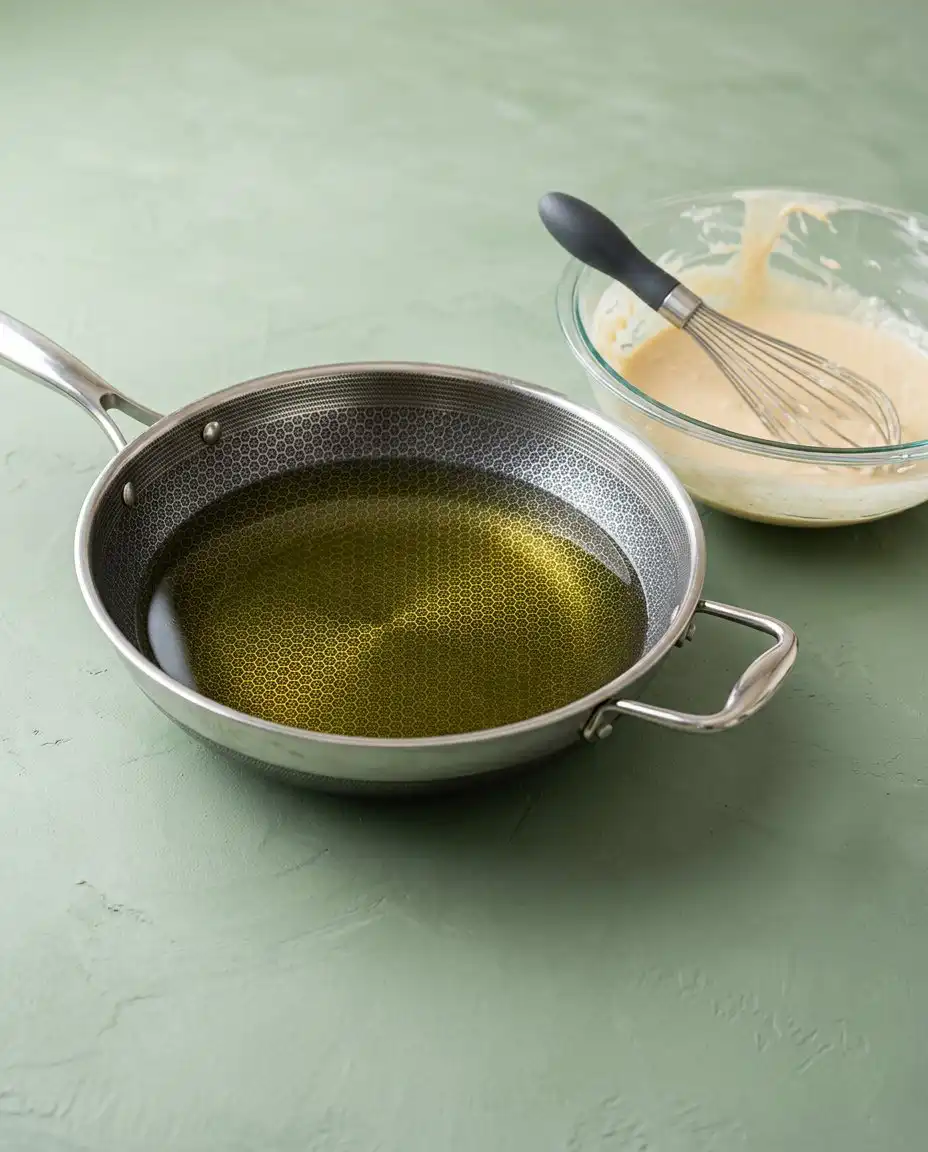
Step 1: Temper the Frying Oil
Fill a deep skillet or a wide wok with high-quality frying oil, leaving plenty of room for expansion as the heat rises. Use a reliable thermometer to reach a steady 350°F (177°C), as the temperature must be precise to achieve that signature golden color. You will notice the oil beginning to shimmer and move slightly when it is ready to receive the batter.
Step 2: Sift and Whisk the Dry Goods
In a generous ceramic bowl, combine your flour, baking powder, baking soda, salt, and cinnamon with a gentle whisk. Sifting these together ensures no lumps remain, which allows the batter to flow smoothly through the squeeze bottle later. The scent of the dry cinnamon should be faint but present, promising a warm flavor profile.
Step 3: Emulsify the Wet Ingredients
Crack the eggs into a separate vessel and whisk them with the whole milk and vanilla extract until the mixture is uniform. Add the granulated sugar, stirring until the grains have fully dissolved into the liquid. This liquid gold should look glossy and feel smooth between your fingers, indicating the sugar is properly incorporated.
Step 4: The Marriage of Elements
Slowly pour the liquid mixture into the dry ingredients, stirring with a steady, unhurried motion. You want to reach a state where the batter is smooth and lump-free without overworking the gluten, which could make the cake tough. The consistency should be thick enough to hold its shape for a moment but fluid enough to pour.
Step 5: Transfer and Rest the Batter
Move your prepared batter into a squeeze bottle with a wide spout or a traditional funnel to control the flow. Let the batter rest for a few minutes while you double-check the oil temperature to ensure it hasn’t fluctuated. This short pause allows the leavening agents to begin their work, resulting in a lighter texture upon contact with the heat.
Step 6: Pour Your Classic Carnival Funnel Cake
When the oil is ready, squeeze the batter into the center of the pan and move in a widening spiral towards the edges. Create overlapping lines and circles to build a sturdy, connected web that will hold together as it cooks. The batter should hiss softly and puff up immediately, turning a pale cream color as it begins to set.
Step 7: The Golden Flip
Once the bottom is a deep, honeyed brown—usually after about ninety seconds—use wide tongs to carefully turn the cake over. The flip should be one smooth movement to avoid splashing the hot oil or breaking the delicate lattice. Cook the second side until it matches the first, ensuring the entire structure feels crisp to the touch.
Step 8: The Final Rest and Dusting
Lift the cake from the oil and let it rest on a plate lined with soft paper towels to catch any excess moisture. While the cake is still radiating heat, use a fine mesh sieve to shower the top with a generous layer of powdered sugar. The sugar should cling to the warm edges, creating a snow-covered effect that melts slightly upon contact.
Mediterranean Baker’s Notes
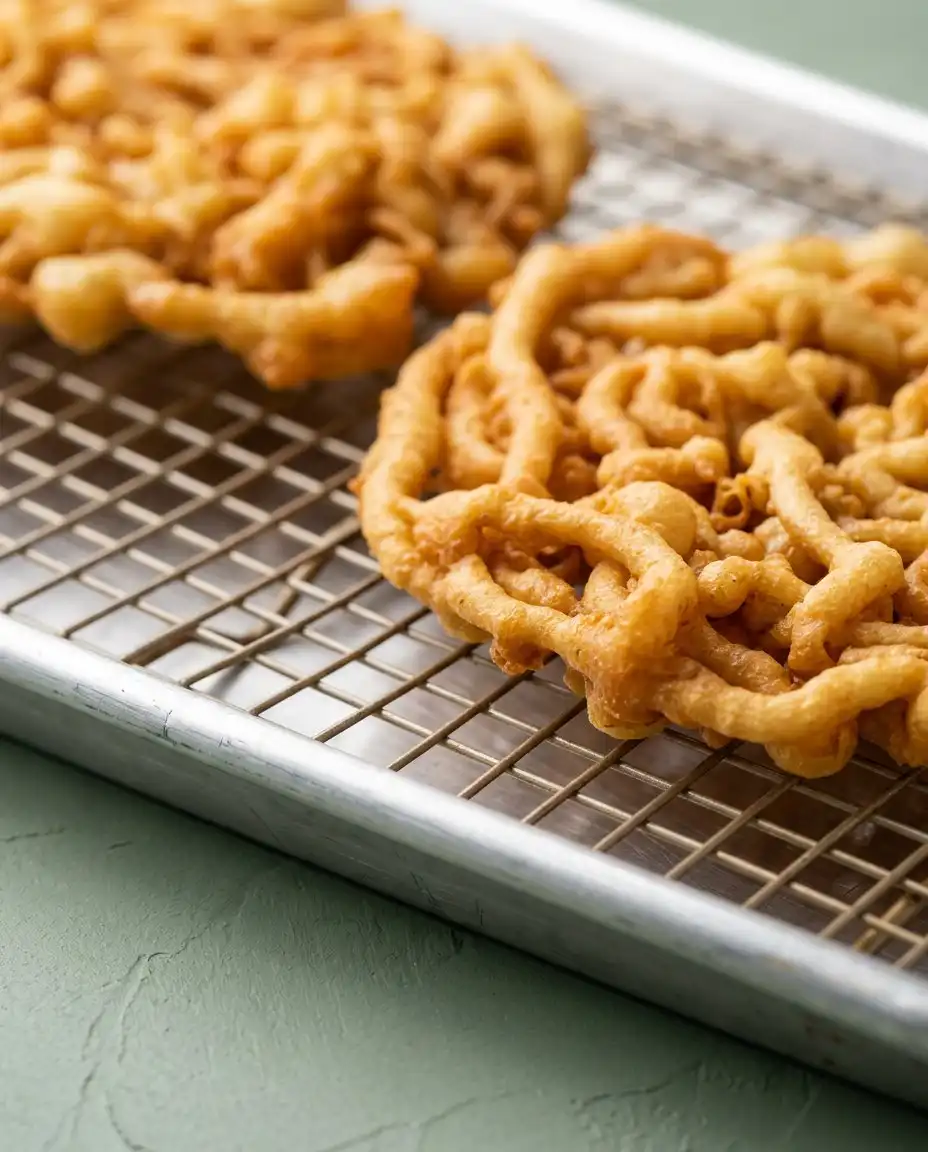
The temperature of your oil is the most critical factor in achieving a texture that is crisp rather than heavy. If the oil is too cool, the batter will absorb the fat and become soggy; if it is too hot, the exterior will burn before the center is cooked. Always use a thermometer to maintain a steady heat throughout the entire batch.
Choosing the right vessel can make a significant difference in how the batter spreads and connects. A wide, flat-bottomed skillet allows the spiral to expand naturally without crowding the edges of the pan. This freedom of movement ensures that the heat reaches every corner of the dough for an even, golden finish.
If your batter seems too thin and disappears into the oil without forming a shape, you likely need a touch more flour. Simply whisk in a tablespoon at a time until the mixture flows like heavy cream but holds a soft line on the surface for a second. Precision in the consistency of the batter is what allows for the beautiful, tangled lattice look of a classic vanilla cake in fried form.
Consistency in the pour is achieved through a steady, confident hand rather than speed. Start from the center and work your way out with a rhythmic motion to ensure the strands of batter overlap enough to form a single, cohesive unit. This prevents the cake from breaking into several small pieces when you attempt to flip it.
Sifting your powdered sugar immediately before serving ensures a light, cloud-like application. If the sugar has sat in the pantry, it often develops small clumps that will look heavy and uneven on the surface of your delicate pastry. A fresh sift provides that elegant, professional finish that makes the dessert feel special.
To keep the cakes warm while you finish the rest of the batter, place them in a low oven set to 200°F (93°C). Lay them in a single layer on a wire rack over a baking sheet to keep the air circulating around the crust. This prevents the bottom from becoming soft while you attend to the next pour in the hot oil.
Frequently Asked Questions
What is the best type of oil to use for frying funnel cakes?
A neutral oil with a high smoke point, such as vegetable, canola, or peanut oil, is the best choice for this recipe. These oils allow the natural flavors of the cinnamon and vanilla to shine without adding a heavy or greasy aftertaste. Avoid using butter or olive oil for deep frying, as they will burn at the temperatures required for a crisp finish.
Can I make the batter in advance for a later time?
It is best to use the batter within an hour of mixing to ensure the leavening agents remain active and provide a good lift. If the batter sits too long, it may lose its airiness, resulting in a flatter and denser cake. If you must prep ahead, keep the dry and wet ingredients separate and combine them just before you are ready to fry.
Why is my funnel cake falling apart when I try to flip it?
This usually happens if the strands of batter are not overlapping enough during the pour to create a strong network. Ensure that you are crossing over your previous lines as you move in a spiral from the center to the edges. A few extra zigzags across the middle can act as ‘bridges’ to hold the entire structure together during the flip.
How do I keep the cakes from becoming too greasy?
Maintaining the oil temperature at a steady 350°F is the most effective way to prevent the dough from absorbing too much oil. When the oil is at the correct heat, it seals the exterior of the batter almost instantly, creating a barrier. Always drain the finished cakes on a paper towel for a minute before adding the powdered sugar.
Can I use gluten-free flour for this funnel cake recipe?
You can use a high-quality gluten-free all-purpose blend that is designed for a 1:1 replacement in baking. Keep in mind that the texture may be slightly different, as gluten provides the elasticity needed for the thin strands to hold their shape. Adding a small amount of xanthan gum if your blend doesn’t have it can help provide that necessary structure.
What should I do if my powdered sugar keeps melting into the cake?
If the sugar is disappearing, the cake is likely too hot or has too much surface oil remaining. Let the cake rest on a paper towel for about sixty seconds so the surface can cool slightly and any excess oil is absorbed. This brief pause allows the sugar to sit on top of the lattice as a beautiful, white dusting rather than dissolving.
Across the Mediterranean
While the classic version is draped in sugar, you might consider adding a few drops of orange blossom water to the batter for a floral lift. This subtle change reminds me of the aromatic syrups used in our traditional cakes, offering a sophisticated layer of flavor. You can also explore different cake mix recipes to find inspiration for unique batter bases that fry up beautifully.
For a more decadent experience, a drizzle of warm honey and a scatter of crushed pistachios can transform this fairground staple. The honey provides a glossy, sticky coating that contrasts perfectly with the salty crunch of the nuts. For those who prefer a darker finish, a thin chocolate ganache can be zigzagged across the top for a richer profile. You can also follow this deep frying funnel cake guide for more creative ideas on frying other treats in the same batter.
At the Table
Serving this cake is best done while it still carries the warmth of the fryer, ideally placed on a large ceramic platter in the center of the table. A small cup of dark Turkish coffee or a glass of hot tea provides a wonderful contrast to the sweetness of the sugar. This pairing encourages a slow, lingering dessert time where everyone can pull away pieces of the crisp lattice with their fingers.
For a more festive presentation, you might serve a bowl of fresh seasonal berries alongside the warm cakes to add a bright acidity. The juice from the fruit cuts through the richness of the fried dough, making each bite feel refreshed. If you enjoy a more substantial dessert, a slice of classic vanilla butter cake served on the side can turn a simple snack into a full Mediterranean-style feast for your guests.
A Quiet Last Note
There is a deep satisfaction in mastering a recipe that brings so much joy with such simple ingredients. This funnel cake is more than just a sweet treat; it is an invitation to slow down and enjoy the process of creating something beautiful by hand. As you watch the sugar settle into the golden cracks of the pastry, I hope you feel the same peace that I do in my kitchen every afternoon.
If you find yourself with extra batter, do not hesitate to try the deep-fried cookies as a small surprise for those at your table. For more inspiration on traditional bakes and syrup-soaked delights, you might enjoy my classic two layer yellow cake chocolate frosting for your next gathering. Please share your results and follow along for more recipes on Pinterest, Facebook, TikTok, and Telegram.