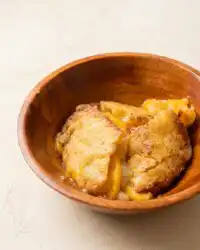
Gelatinisation defines the base of this Classic Pumpkin Crunch Cake, where egg proteins and starch molecules lock together to support a crisp, buttery crust.

Achieving the ideal contrast between a velvet-smooth pumpkin custard and a fractured, crunchy topping requires a deliberate understanding of structural layers. In this Classic Pumpkin Crunch Cake, we bypass the standard soggy-bottom issues of traditional pies by treating the dry cake mix as a moisture-absorbing barrier. The melted butter must saturate the dry powder at exactly the right rate, creating a crisp, sandy crumble rather than a pasty mass. This methodical approach guarantees that every bite offers a distinct transition from cold, whipped cream cheese to warm, toasted pecans.
What Makes the Texture Right for Classic Pumpkin Crunch Cake
Prep: 15 min · Serves: 12 · Difficulty: Medium
- Custard sets perfectly without cracking or weeping.
- Pecans toast beautifully under melted butter saturation.
- Cream cheese topping balances the warm spices.
- No soggy bottom layers occur during baking.
- A reliable formula yields consistent results.
By understanding the physical layout of this dessert, you can create a contrast that rivals a complex pumpkin dump cake while maintaining a clean, sliceable form. “Structure is what makes the melt possible.”
Get The Full Cake Recipe
Print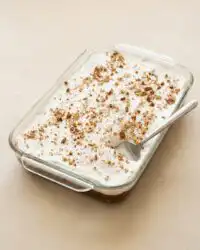
Classic Pumpkin Crunch Cake
- Total Time: 1 hr 10 mins
- Yield: 12 servings
- Diet: Vegetarian
Description
A meticulously structured dessert featuring a smooth, spiced pumpkin custard base topped with a crisp, butter-saturated pecan crumble and finished with a stable whipped cream cheese layer.
Ingredients
- 1 can (15 oz) pumpkin puree
- 1 can (12 oz) evaporated milk
- 1 cup (200g) granulated sugar
- 4 large eggs
- 1/2 tsp fine sea salt
- 2 tsp pumpkin pie spice
- 1 box (15.25 oz) yellow cake mix
- 1 cup (115g) chopped pecans
- 1 cup (226g) unsalted butter, melted
- 8 oz cream cheese, room temperature
- 1/2 cup (60g) powdered sugar
- 8 oz whipped topping
Instructions
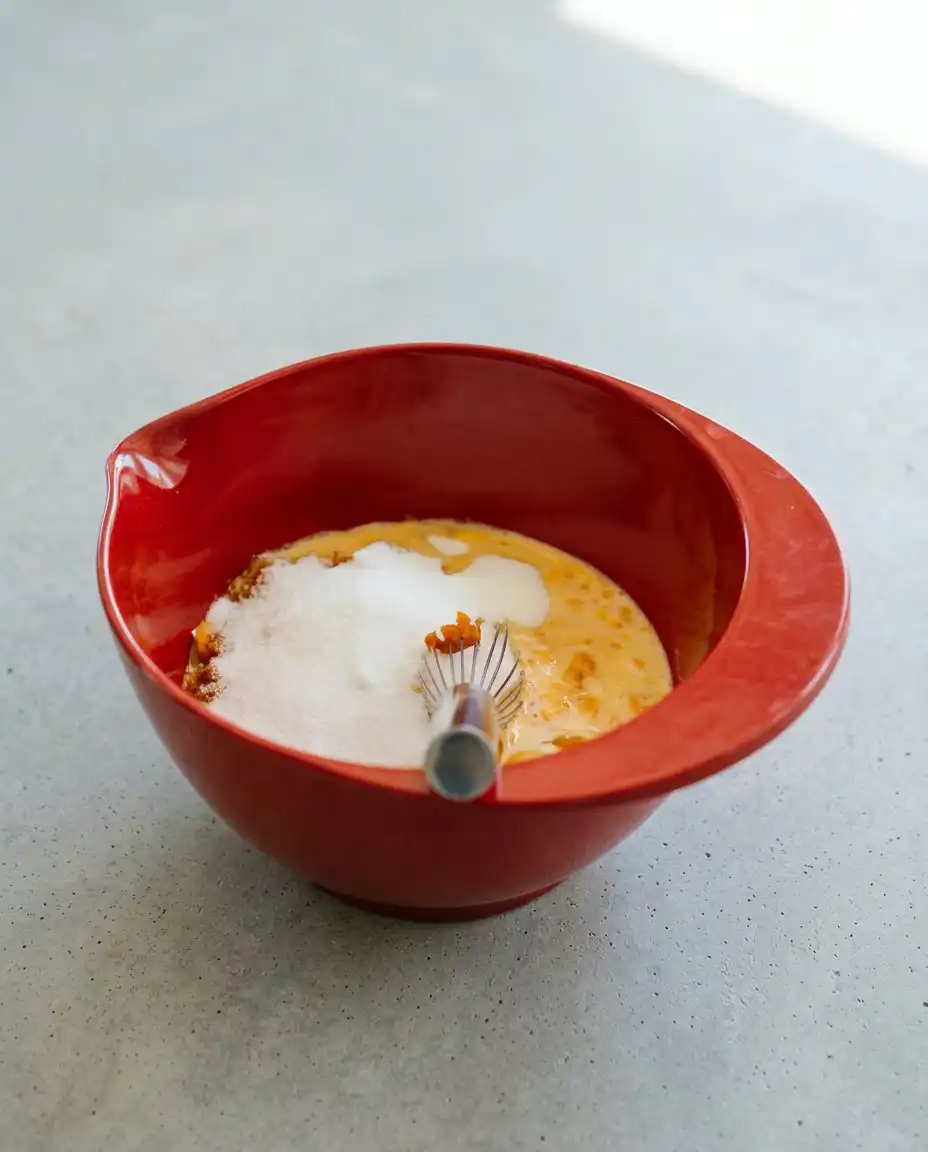
- Prepare Custard: Whisk together the pumpkin puree, evaporated milk, granulated sugar, eggs, salt, and pumpkin pie spice in a large bowl until completely smooth and emulsified.
- Pour Base: Transfer the mixture into a greased 9×13-inch baking dish, smoothing the top to guarantee an even depth.
- Layer Dry Mix: Sprinkle the dry yellow cake mix evenly over the pumpkin custard. Do not stir. Smooth any large mounds gently with an offset palette knife.
- Add Crunch: Scatter the chopped pecans uniformly over the dry cake mix layer.
- Saturate: Pour the melted butter evenly over the pecans and cake mix, ensuring maximum coverage of the dry spots. Do not stir.
- Bake: Bake at 350°F (177°C) for 50 to 60 minutes until the center is set and the top is golden-brown. Cool completely on a wire rack.
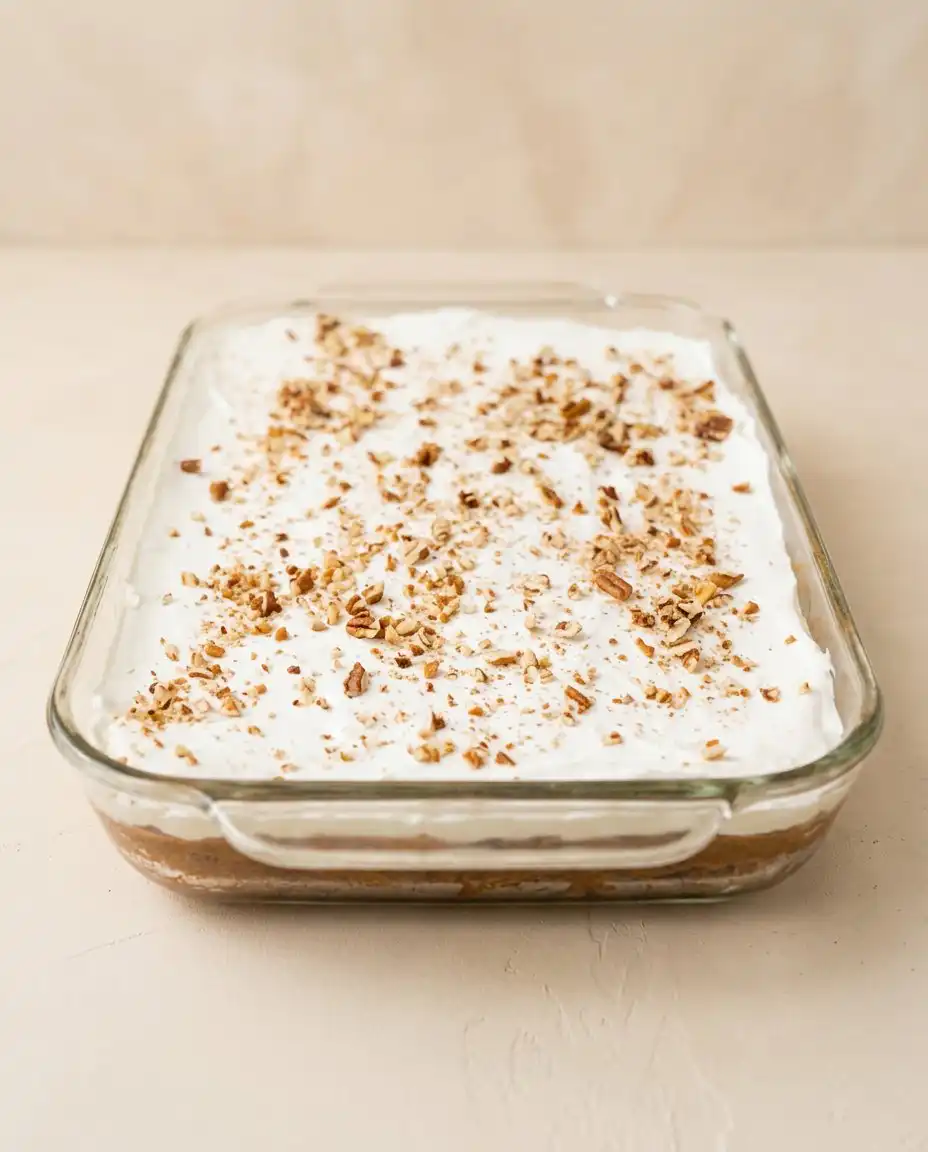
- Apply Topping: Beat the cream cheese and powdered sugar until smooth, fold in the whipped topping, and spread evenly over the cooled cake. Chill for 4 hours before serving.
Notes
- Always weigh the cake mix and pecans on a digital scale to maintain structural ratios.
- Ensure the cake is completely cold before applying the cream cheese topping to prevent melting.
- Use a warm, clean knife to slice the cake cleanly through the distinct layers.
- Prep Time: 15 mins
- Cook Time: 55 mins
- Category: Dessert
- Method: Baking
- Cuisine: American
The Working Components
Selecting ingredients for this bake is not merely a matter of flavor matching, but a deliberate assembly of structural agents. Each component plays a specific role in managing moisture migration, making certain the delicate custard layer underneath does not dissolve the crisp crumble on top. By weighing these elements precisely, you establish a stable foundation that allows the contrasting textures to coexist beautifully without blending into a muddy consistency.
- Pumpkin Puree: Pure squash flesh provides the structural base and natural pectin, distinct from pre-spiced pie mixes.
- Evaporated Milk: Concentrated dairy proteins undergo Maillard browning, yielding a rich custard texture without excess water.
- Large Eggs: Coagulating egg proteins form a delicate gel network that binds the pumpkin custard together during baking.
- Yellow Cake Mix: Dry flour and starch act as a structural shield, absorbing butter and steam to form a crisp, sandy crumble.
- Melted Butter: High-quality unsalted butter coats the cake mix starches, preventing tough gluten development while promoting crispness.
- Chopped Pecans: Roasted nuts introduce a structural shear that breaks up the soft custard and creamy topping.
- Cream Cheese: High fat and protein content provide a firm, whipped top layer that stabilizes the moisture of the cake below.
| Ingredient | Why It Matters |
|---|---|
| Pumpkin Puree | Establishes the dense, custard-like foundation. |
| Evaporated Milk | Adds protein density without excess moisture. |
| Yellow Cake Mix | Forms the protective, crunchy middle barrier. |
| Melted Butter | Hydrates the dry mix to produce a sandy crumble. |
| Cream Cheese | Creates a cool, stable upper structural layer. |
From Bench to Bake
Step 1: Prepare the Classic Pumpkin Crunch Cake Custard Base
Begin by placing the digital scale on the bench and weighing out the pumpkin, evaporated milk, sugar, eggs, pumpkin pie spice, and salt. Whisk these liquid components together with a steady, circular motion to avoid incorporating excess air, which would cause the custard to puff up and subsequently collapse in the oven. Once the mixture is uniform and smooth, pour it into a greased 9×13-inch metal or glass baking dish, guaranteeing an even depth across the entire surface to guarantee uniform heat penetration. The physical thickness of this layer must be consistent, as a variation of even a few millimeters will result in uneven coagulation rates across the pan.
Step 2: Layer the Dry Barrier
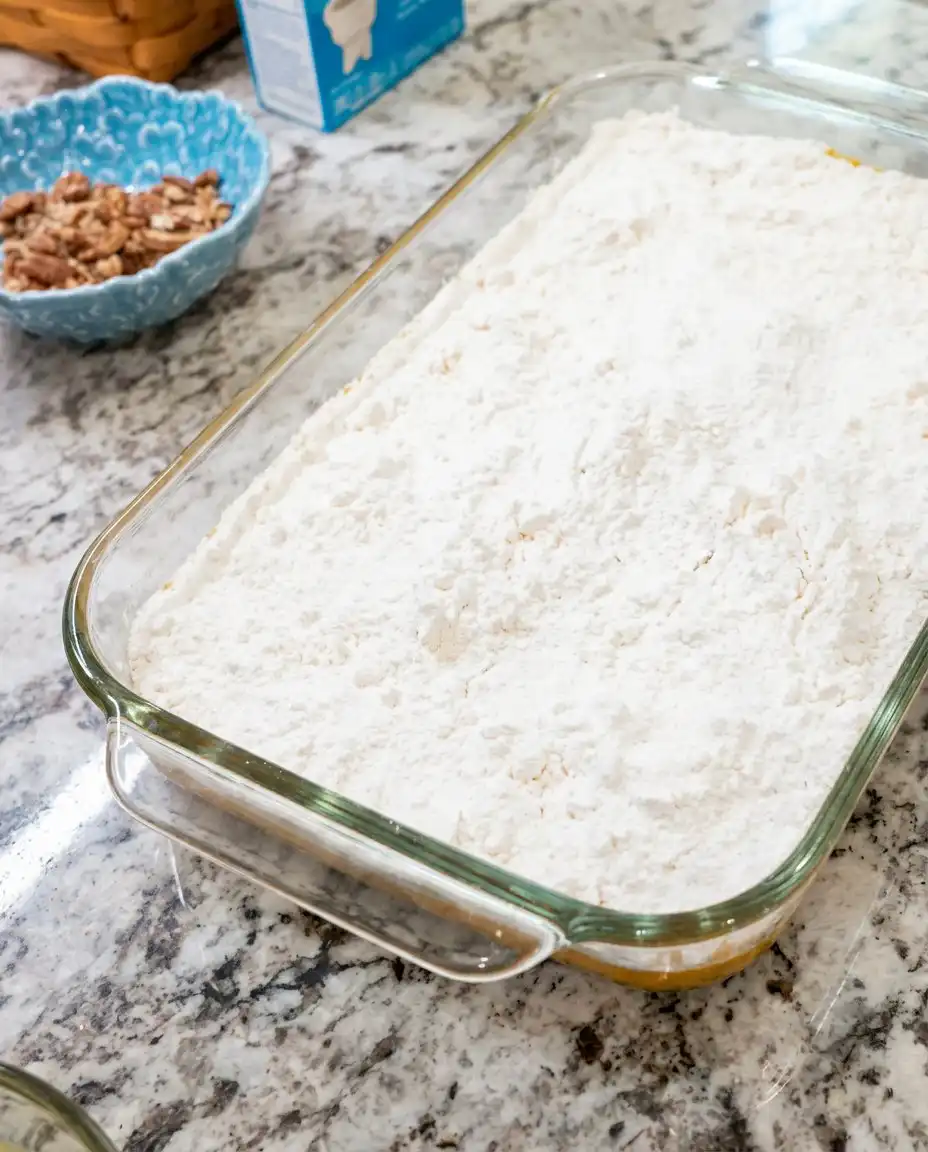
Carefully open the yellow cake mix and distribute the dry powder evenly over the wet pumpkin base. Do not stir or fold the ingredients together under any circumstances, as keeping them separate is vital to creating the distinct textures of this dessert. The dry cake mix acts as a structural shield, absorbing the steam released by the baking pumpkin custard below while remaining dry enough on top to form a crisp, sandy crumble. Use an offset palette knife to gently smooth any large mounds of powder into a flat, even layer, making sure no wet pumpkin peaks through the dry barrier.
Step 3: Distribute the Crunch Elements
Scatter the chopped pecans evenly over the dry cake mix layer to form a uniform blanket of nuts. This step must be done before applying the butter, as the nuts need to sit directly on the dry flour to toast correctly during the bake. By placing them in this position, the pecans become partially embedded in the cake mix, locking them into the structural skin of the cake. Make sure that the pecan pieces are relatively uniform in size, measuring roughly 5 to 8 millimeters, to prevent larger pieces from burning while smaller pieces remain untoasted.
Step 4: Saturate with Butter
Melt the unsalted butter completely, allowing it to reach approximately 110°F (43°C) before pouring. Slowly and systematically pour the melted butter over the entire surface, covering as much of the dry cake mix and pecans as possible. The butter must saturate the dry powder at a controlled rate, initiating a process where the fat coats the starch granules to inhibit gluten formation, resulting in a tender, shortbread-like texture. Do not stir the pan; allow gravity and capillary action to draw the butter down through the dry mix, leaving a few small dry patches which will naturally hydrate from the steam during baking.
Step 5: Bake for Structural Set
Slide the baking dish onto the center rack of an oven preheated to 350°F (177°C) and bake for exactly 50 to 60 minutes. During this time, the heat will trigger starch gelatinisation and egg protein coagulation in the bottom layer, transforming the liquid pumpkin mixture into a set custard. Simultaneously, the butter-saturated cake mix and pecans will undergo the Maillard reaction, developing a deep golden-brown hue and a fractured, crisp shell. To verify the bake, insert a toothpick into the center; it should emerge with a few moist crumbs but no wet custard, and the edges should be bubbling slightly.
Step 6: Cool and Apply Cream Cheese Topping
Remove the pan from the oven and place it on a wire cooling rack, allowing it to cool completely to room temperature over approximately two hours. This cooling phase is critical, guaranteeing the custard has time to fully set and firm up before any topping is applied. Once cooled, beat the room-temperature cream cheese and powdered sugar together until smooth, then gently fold in the whipped topping to maintain a light, aerated structure. Using an offset palette knife, spread this cream cheese layer evenly over the cooled crunch layer, then transfer the completed cake to the refrigerator for at least four hours to stabilize the layers before slicing.
Precision Notes
To achieve the absolute pinnacle of texture, one must pay close attention to the thermodynamic behavior of the ingredients during the baking process. A digital scale is highly recommended for weighing the dry cake mix and pecans, as volumetric measurements can vary by up to twenty percent, leading to dry pockets or an overly greasy crust. When melting the butter, make sure it does not boil; boiling drives off water content, which is necessary to hydrate the starch molecules in the dry cake mix layer.
If the center of the cake remains liquid after 60 minutes of baking, here is why and how to fix it. This issue typically occurs due to an inaccurate oven temperature or using a deep ceramic dish, which conducts heat much slower than metal or glass. To resolve this, tent the pan loosely with aluminum foil to prevent the pecans from burning, and continue baking in five-minute increments until the center registers 185°F (85°C) on a probe thermometer. For more insights on balancing spiced bases with structural toppings, consider reviewing our guide on pumpkin streusel coffee cake.
Another common failure mode is a powdery, dry mouthfeel caused by uneven butter distribution. If you notice large dry patches of cake mix after pouring the butter, do not stir the pan; instead, use a spoon to gently press the dry spots into the surrounding pool of melted butter. This minor adjustment guarantees complete saturation without disturbing the delicate boundary between the custard and crunch layers. To learn more about the science of structural layering in home baking, you can read the detailed analysis provided by Mary Katherine’s Table.
Frequently Asked Questions
What is the difference between pumpkin puree and pumpkin pie mix?
Pumpkin puree consists solely of cooked, mashed squash with no added sugars or spices, allowing the baker complete control over the structural water content and flavor profile. Pumpkin pie mix, conversely, contains pre-blended spices, sweeteners, and water, which will alter the liquid-to-solid ratio of this recipe and prevent the custard from setting properly.
Can I use a cake mix other than yellow?
Yes, you can substitute yellow cake mix with spice cake, white cake, or even butter pecan cake mix. Each of these options contains similar starch and leavening profiles, making sure that the structural behavior during baking remains consistent while offering subtle flavor variations.
Do I have to use pecans?
Pecans are traditional because their high fat content allows them to crisp beautifully without drying out, but they are not strictly mandatory. You can easily substitute them with chopped walnuts, almonds, or toasted pumpkin seeds, making sure they are chopped to a similar size to ensure uniform heat absorption.
What can I use instead of evaporated milk?
If you must substitute evaporated milk, heavy cream or a rich coconut cream can be used in equal volumes. These alternatives maintain the necessary fat and protein density required to bind the pumpkin puree and eggs into a cohesive, sliceable custard layer.
Do I mix the dry cake mix into the wet ingredients?
No, you must never mix the dry cake mix into the wet pumpkin layer. Keeping these layers separate is the fundamental technique that creates the distinct textural contrast between the smooth custard and the crunchy, buttery topping.
How much butter do you need and how is it applied?
This recipe requires exactly one cup (226 grams) of unsalted butter, melted and poured evenly over the dry cake mix and nuts. Pouring the butter systematically guarantees that the dry flour is hydrated evenly, preventing dry, powdery patches while creating a cohesive, crisp crust.
What size baking dish should I use?
A standard 9×13-inch baking dish is required to achieve the correct layer thickness and heat penetration. Using a smaller dish will result in an overly thick custard layer that may remain liquid in the center, while a larger pan will cause the layers to dry out and burn.
Do you eat Pumpkin Crunch Cake warm or cold?
This cake is best served cold, straight from the refrigerator, as the low temperature allows both the pumpkin custard and the cream cheese topping to fully set. Serving it cold guarantees clean, precise slices and highlights the contrast between the cold cream and the room-temperature crunch layer.
Tested Variations
For those looking to adjust the flavor profile while preserving the structural integrity of the dessert, several modifications have been thoroughly tested on our bench. Substituting the yellow cake mix with a spice cake mix introduces a deeper, more complex aromatic profile that complements the pumpkin custard beautifully. This substitution does not alter the starch-to-fat ratio, making sure the crisp shell protects the creamy interior equally as effectively as the original formulation.
If you prefer to omit pecans due to allergies or personal taste, toasted pepitas (pumpkin seeds) offer an excellent alternative. Pepitas contain a similar oil-to-protein ratio, allowing them to roast to a delightful crispness under the melted butter barrier without burning. For a completely different presentation that still features the warm spice and pumpkin combination, you might also enjoy our recipe for a pumpkin spice bundt cake, which relies on a more traditional cake structure.
Serving the Structure
Serving this dessert requires a clean, decisive hand to preserve the distinct structural layers. Use a sharp, thin-bladed knife dipped in warm water and wiped clean between each cut, making sure the whipped cream cheese topping does not drag into the pumpkin custard. Presenting the slices on chilled plates helps maintain the firmness of the cream cheese, making sure the structural skin remains intact until the first bite.
For an elegant presentation at the table, pair each slice with a hot, unsweetened black tea or a pour-over coffee. The bitterness of the beverage cuts through the richness of the butter and cream cheese, cleansing the palate and highlighting the warm spices of the pumpkin. If you appreciate the interplay of spiced cake and smooth frosting in other formats, you might also consider serving our carrot cake cupcakes cream cheese frosting at your next gathering.
What the Technique Gives You
Mastering this bake demonstrates how precise layering can transform simple ingredients into a complex, satisfying dessert. By respecting the boundary between the wet custard and the dry cake mix, you create an exceptional texture that far surpasses ordinary pumpkin desserts. The contrast between the cool, velvety topping and the warm, buttery crunch is a testament to the power of methodical baking.
We invite you to gather your tools, weigh your ingredients, and experience the satisfaction of this structured bake. Share your results with us and join our community of passionate home bakers who appreciate the finer details of pastry science. For more structured recipes and technical guides, visit our complete recipe index and follow our journey on Pinterest and Facebook.