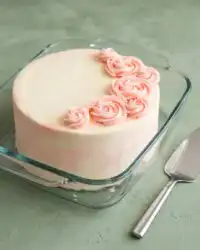
During my early training in London, I discovered that a baker is essentially a structural engineer who works with edible materials. This particular recipe focuses on creating a crumb that acts as a stable canvas for artistic expression. We achieve this by balancing standard flour with graham cracker crumbs for a unique, sturdy texture that holds its integrity under the weight of decorative elements.

This cake uses a graham cracker-infused sponge for a warm, honeyed flavor profile that pairs beautifully with silky Swiss Meringue Buttercream. The buttercream serves as our primer, requiring a temperature-controlled emulsion to make certain we have a glass-smooth finish. Once chilled, this surface becomes the perfect medium for your creative brushstrokes and vibrant patterns.
Structure Meets Texture
The success of this recipe lies in the interplay between the dense, flavorful crumb and the ethereal lightness of the Swiss Meringue Buttercream. Unlike standard vanilla cakes, the addition of 63 grams of graham cracker crumbs introduces a structural grit that prevents the cake from becoming overly fragile when handled during the decorating process. This is vital because the act of painting requires multiple sessions of chilling and physical contact with the palette knife or brush.
You will find that the mouthfeel is remarkably distinct. While the cake maintains a solid bite, the sour cream and buttermilk work in tandem to provide a moisture level that dissolves on the palate. The Swiss Meringue Buttercream acts as the perfect structural partner; it is stable enough to be smoothed into a crisp-edged cylinder but contains enough air to feel weightless. By following these precise measurements, you create a dessert that is as much a technical triumph as it is a visual masterpiece. The balance of the cinnamon and allspice in the sponge adds a nostalgic depth that complements the clean, buttery finish of the frosting, making it a sophisticated choice for those who value both form and function.
Print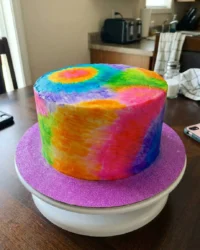
Cake Painting
- Total Time: 2 hours
- Yield: 12 servings
- Diet: Vegetarian
Description
This technical cake recipe features a sturdy graham cracker-infused sponge and a silky Swiss Meringue Buttercream. Designed specifically as a stable canvas for edible painting, it balances honeyed flavors with professional structural integrity for any artistic design.
Ingredients
- 150g All-Purpose Flour
- 63g Graham Cracker Crumbs
- 230g Unsalted Butter (for cake)
- 452g Unsalted Butter (for frosting)
- 100g Granulated Sugar
- 200g Light Brown Sugar
- 300g Sugar (for buttercream)
- 3 Large Eggs
- 1 Egg White (for cake)
- 5 Egg Whites (for buttercream)
- 115g Sour Cream
- 118mL Buttermilk
- 15mL Vanilla
- 4g Baking Powder
- 3g Baking Soda
- 1g Cinnamon
- 250mg Allspice
- Pinch of Salt
Instructions
- Preheat oven to 350F (177C) and prepare four 6-inch cake pans with butter, flour, and soaked cake strips.
- Whisk flour, graham cracker crumbs, baking powder, baking soda, cinnamon, and allspice in a medium bowl.
- In a separate vessel, combine buttermilk, sour cream, and vanilla.
- Cream 230g butter with granulated and light brown sugar in a stand mixer until light and aerated.
- Add three large eggs and one egg white one at a time, mixing until fully incorporated.
- Add dry and liquid ingredients in three alternating batches, beginning and ending with the dry ingredients.
- Divide batter into pans and bake for 30 minutes or until the internal temperature reaches 210F (98C).
- Whisk 5 egg whites, 300g sugar, and salt over simmering water until the mixture reaches 160F (71C).
- Whip the meringue on high speed until cool and stiff peaks form.
- Switch to the paddle attachment and gradually add 452g of room-temperature butter and vanilla until silky.
- Assemble the cooled cake with buttercream layers and apply a smooth final coat as a painting primer.
Notes
To ensure the most stable painting surface, chill the assembled and frosted cake for at least 2 hours before applying food coloring. If your kitchen is warm, use an offset spatula rather than your hands to move the cake layers to prevent the butter-rich crumb from softening too quickly. For the most vibrant painted details, use concentrated gel colors mixed with a high-proof clear spirit for a quick-drying edible ink.
- Prep Time: 45 mins
- Cook Time: 30 mins
- Category: Dessert
- Method: Baking
- Cuisine: American
The Technical Foundation

Success in the pastry kitchen begins with an understanding of your raw materials. Each component in this recipe is selected for its specific protein content, fat percentage, and moisture-retention capabilities. Here is what you will need for this structural masterpiece:
- All-Purpose Flour (150g): This provides the gluten framework necessary for a cake that needs to be moved and painted. Using a flour with approximately 10-11% protein content is ideal.
- Graham Cracker Crumbs (63g): These add a unique texture and flavor. They disrupt the gluten network just enough to create a tender bite while maintaining a firm exterior.
- Unsalted Butter (230g for cake, 452g for frosting): We use European-style butter when possible for a higher fat percentage, which results in a more stable emulsion in both the batter and the buttercream.
- Sugars (100g Granulated, 200g Light Brown): The brown sugar introduces molasses, which adds acidity and moisture, helping to keep the crumb tender over several days of decorating.
- Egg Whites (5 for frosting): These provide the protein structure for our meringue. They must be completely free of yolk to reach the necessary volume.
- Sour Cream and Buttermilk (115g and 118mL): These high-moisture ingredients provide the acidity needed to activate the baking soda, creating a fine, even rise without large, unstable air pockets.
- Leavening Agents: A combination of 4g baking powder and 3g baking soda creates a dual-action rise that supports the weight of the graham crumbs.
Technical Process
Step 1: Preparing the Structural Canvas
Set your oven to 350F (177C). Prepare four 6-inch cake pans by applying a thin layer of butter followed by a dusting of flour. I strongly suggest using cake strips soaked in cold water; these keep the edges from overcooking and help the cake rise evenly, providing a flat surface for our painting later.
Step 2: The Dry Ingredient Sift
Whisk the 150g of flour, 63g of graham cracker crumbs, 4g of baking powder, 3g of baking soda, 1g of cinnamon, and 250mg of allspice in a medium bowl. Aerating these dry components makes certain that the spices are distributed evenly throughout the crumb, preventing pockets of unmixed leavening.
Step 3: Emulsifying the Liquid Components
In a separate vessel, whisk together the 118mL of buttermilk, 115g of sour cream, and 15mL of vanilla. These room-temperature liquids must be thoroughly combined before they meet the fat-rich batter to prevent the mixture from curdling.
Step 4: The Creaming Phase
Using a stand mixer fitted with the paddle attachment, cream the 230g of butter with both sugars. You are looking for a light, aerated texture. This process traps air in the fat, which expands during baking to create a delicate mouthfeel. Scrape the bowl frequently to make certain every gram of sugar is incorporated.
Step 5: Incorporating the Proteins
Add the three large eggs and the single egg white one at a time. The extra egg white adds structural strength without the added fat of a yolk, which is crucial for a cake that will be handled extensively. Mix until each addition is fully absorbed into the emulsion.
Step 6: The Alternating Addition
Add the flour mixture and the liquid mixture in three alternating batches, starting and ending with the dry ingredients. This method prevents the over-development of gluten. Stop mixing the moment you see no more dry streaks. Use a spatula for a final manual fold to catch any rogue butter at the bottom of the bowl.
Step 7: Precision Baking
Divide the batter equally among the four pans. Bake for approximately 30 minutes. You are looking for a clean knife test and an internal temperature of about 210F (98C). Allow the cakes to cool in the pans for 10 minutes before transferring them to a wire rack. Cooling is a critical stage where the protein structures set.
Step 8: The Swiss Meringue Base
For the buttercream, combine 5 egg whites, 300g of sugar, and a pinch of salt in a metal bowl. Place over a pan of simmering water, ensuring the water does not touch the bowl. Whisk constantly until the mixture reaches 160F (71C). This temperature makes certain the sugar is dissolved and the eggs are safe to consume.
Step 9: Achieving Stiff Peaks
Transfer to the stand mixer and use the whisk attachment. Whip on high speed until the bowl feels cool to the touch and you have achieved stiff, glossy peaks. This can take up to 10 minutes. The meringue must be at room temperature before you add the fat.
Step 10: The Butter Emulsion
Switch to the paddle attachment. With the mixer on low, add 452g of room-temperature butter in tablespoon-sized pieces. If the mixture looks curdled, keep mixing; the emulsion will eventually come together into a silky, spreadable frosting. Add the vanilla at the very end.
Step 11: Assembly and Priming
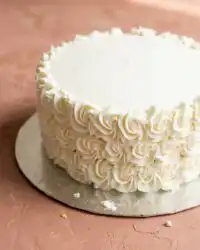
Stack the cooled layers with a thin, even coat of buttercream between each. Apply a thin crumb coat to seal in moisture, then chill for 20 minutes. Apply the final coat of buttercream, using a bench scraper to create a perfectly flat, vertical surface. This is your primer layer.
Precision Secrets
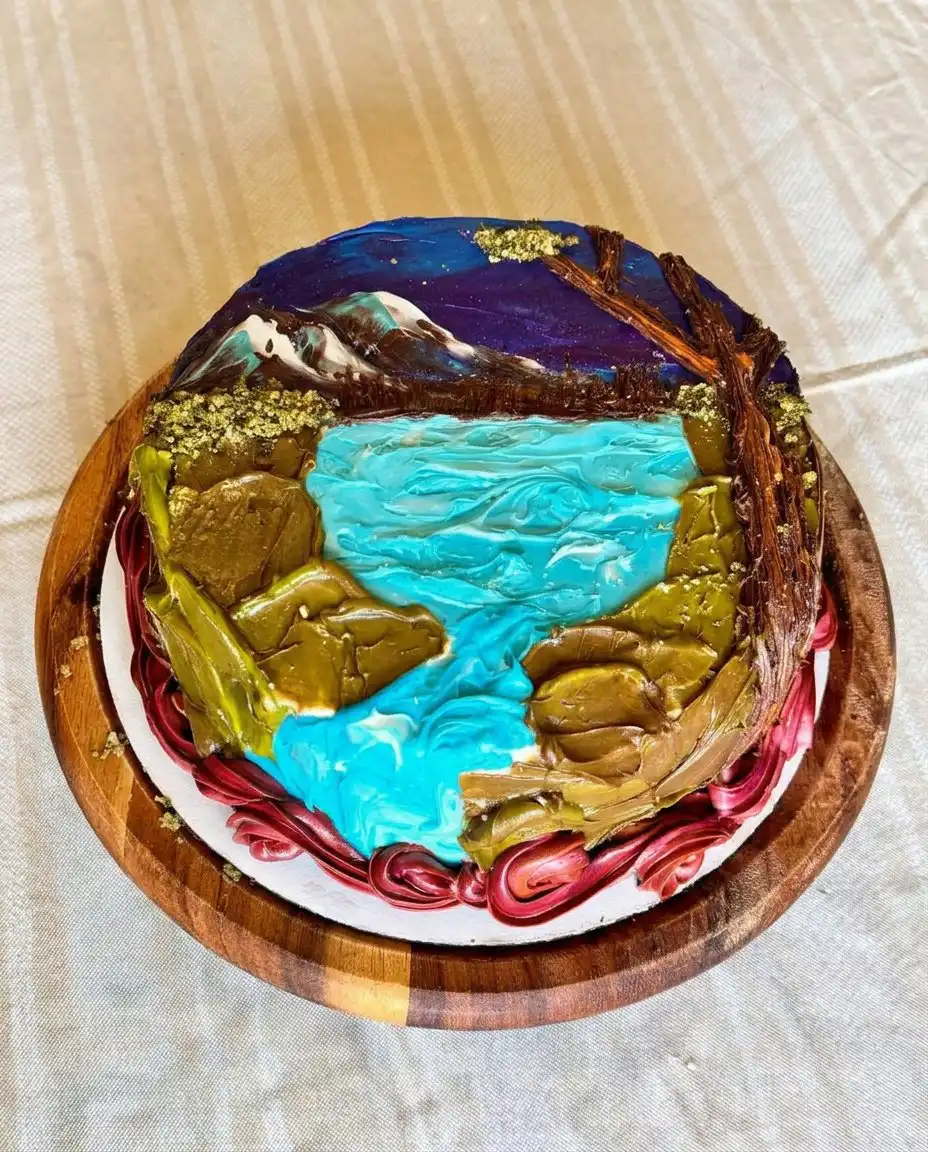
For the most successful result, temperature is your greatest tool. If your buttercream feels too soft while you are smoothing it, the butter was likely too warm. You can fix this by placing the entire bowl in the fridge for 10 minutes and then re-whipping. When you are ready to paint, follow the guidance in this painted cake guide to select the right food coloring and brush types.
Another secret for a professional finish is to use a high-quality food coloring gel mixed with a tiny drop of clear almond extract or vodka. This thins the color without melting the buttercream, allowing for watercolor-like effects. For more techniques on achieving the perfect base, see our velvet-crumb-collection for a deep dive into sponge density.
Technical Tweaks
If you prefer a different flavor profile, you can replace the graham cracker crumbs with finely ground speculoos cookies for a more spiced, European aesthetic. This change maintains the structural integrity while shifting the flavor toward ginger and cloves. For a more vibrant visual experience, you might consider our lemon-rainbow-cake method, where you add citrus zest to the batter to contrast the rich Swiss buttercream.
Another advanced option is to incorporate a thin layer of fruit preserves between the cake layers. However, keep the preserve layer thin and within a buttercream dam to prevent the cake from sliding during the painting process. Structural stability must always be maintained when planning these internal adjustments.
Presentation Precision

When you are ready to serve this work of art, use a long, thin knife dipped in hot water and wiped dry between every single cut. This makes certain that the painted design remains intact and doesn’t smudge into the internal layers. For those interested in more complex structural designs, our car-cake guide offers insights into carving and stability.
Serve each slice at room temperature to allow the butter in the Swiss Meringue to soften, providing that signature melt-in-the-mouth sensation. A simple accompaniment of lightly sweetened whipped cream or a few fresh berries can provide a tart contrast to the honeyed graham cracker crumb and rich frosting.
Master the Craft
Creating a painted cake is a journey through both science and art. By mastering the structural requirements of the graham cracker sponge and the smooth emulsion of the Swiss Meringue Buttercream, you provide yourself with the best possible chance for creative success. If you found this technical approach helpful, you may also enjoy the precision required in our cocoa-dream-lab for chocolate-based masterpieces. Don’t forget to share your finished designs with our community on Instagram and Pinterest. We look forward to seeing your technical triumphs.