In the British afternoon tea tradition, a proper bake relies on structural balance, and these spiced muffins achieve exactly that through precise ingredient ratios.

Developing Classic Coffee Cake Muffins requires a deep understanding of flour hydration and fat suspension to secure a tender crumb beneath a heavy streusel. Many home bakers struggle with dense or dry textures, often because the batter is overmixed or the oven temperature fluctuates during the bake. By using room-temperature liquids and melted, cooled fat, we create a stable emulsion that bakes into an airy, soft-peaked structure. This method delivers a bakery-quality texture without requiring complex equipment, relying instead on clean, scientific precision.
What Makes the Texture of Classic Coffee Cake Muffins Right
Prep: 10 min · Serves: 12 · Difficulty: Medium
- Balanced hydration creates an incredibly tender crumb.
- Chilled brown sugar streusel provides lasting crunch.
- Melted butter guarantees a consistently moist texture.
- Double leavening agents offer rapid oven rise.
- Precise spice proportions deliver a clean warmth.
To understand how this batter behaves under a heavy topping, one might compare it to a classic streusel coffee cake, where structural integrity prevents the cinnamon crumb from sinking.
Weigh it, time it, trust it.
Get The Full Cake Recipe
Print
Classic Coffee Cake Muffins
- Total Time: 38 mins
- Yield: 12 muffins
- Diet: Vegetarian
Description
These perfectly balanced coffee cake muffins feature a tender, soft-peaked crumb topped with a crunchy, spiced brown sugar streusel. Designed for precision, this recipe uses room-temperature ingredients and professional techniques to deliver a bakery-quality treat that stays moist for days.
Ingredients
- 93 grams all-purpose flour (for streusel)
- 50 grams light brown sugar (for streusel)
- 25 grams granulated sugar (for streusel)
- 0.5 teaspoon ground cinnamon (for streusel)
- 56 grams unsalted butter, melted and cooled (for streusel)
- 187 grams all-purpose flour (for muffin)
- 100 grams light brown sugar (for muffin)
- 1 teaspoon ground cinnamon (for muffin)
- 1.5 teaspoons baking powder
- 0.25 teaspoon baking soda
- 0.25 teaspoon fine salt
- 180 milliliters whole milk, room temperature
- 2 large eggs, room temperature
- 75 grams unsalted butter, melted and cooled (for muffin)
- 1 teaspoon pure vanilla extract
- 60 grams confectioners’ sugar (for glaze)
- 2–3 teaspoons whole milk (for glaze)
Instructions
- Prepare oven and tin. Preheat your oven to 375°F (190°C) and line a 12-cup muffin tin with paper liners to ensure even heat distribution.
- Establish streusel base. Whisk 93g flour, 50g light brown sugar, 25g granulated sugar, and 0.5 tsp cinnamon; stir in 56g melted butter until clumpy, then chill for 10 minutes.
- Combine dry components. Whisk together 187g flour, 100g light brown sugar, 1 tsp cinnamon, baking powder, baking soda, and salt in a large bowl.
- Emulsify wet liquids. In a separate bowl, vigorously whisk milk, eggs, 75g melted butter, and vanilla until fully integrated.
- Mix muffin batter. Pour wet mixture into dry ingredients and stir with a spatula until just combined, using no more than 15 strokes to preserve texture.
- Portion and bake. Divide batter into muffin cups, top with chilled streusel, and bake for 18 minutes until golden and a toothpick comes out clean.
- Glaze and cool. Allow muffins to set in the pan for 5 minutes before transferring to a wire rack, then drizzle with a mixture of confectioners’ sugar and milk.
Notes
- Use a digital scale for dry ingredients to prevent flour over-packing and ensure a tender muffin structure.
- Ensure all dairy and eggs are at room temperature to avoid the melted butter solidifying into lumps during mixing.
- Keep the streusel in the refrigerator until the final moment to maintain its distinct, crunchy texture while baking.
- Do not overmix the batter; stopping once the flour streaks disappear is essential to keep the crumb light and soft.
- Transfer muffins to a wire rack after 5 minutes to prevent steam from softening the crisp exterior crust.
- Prep Time: 10 mins
- Cook Time: 18 mins
- Category: Breakfast
- Method: Baking
- Cuisine: American
Weighed & Ready
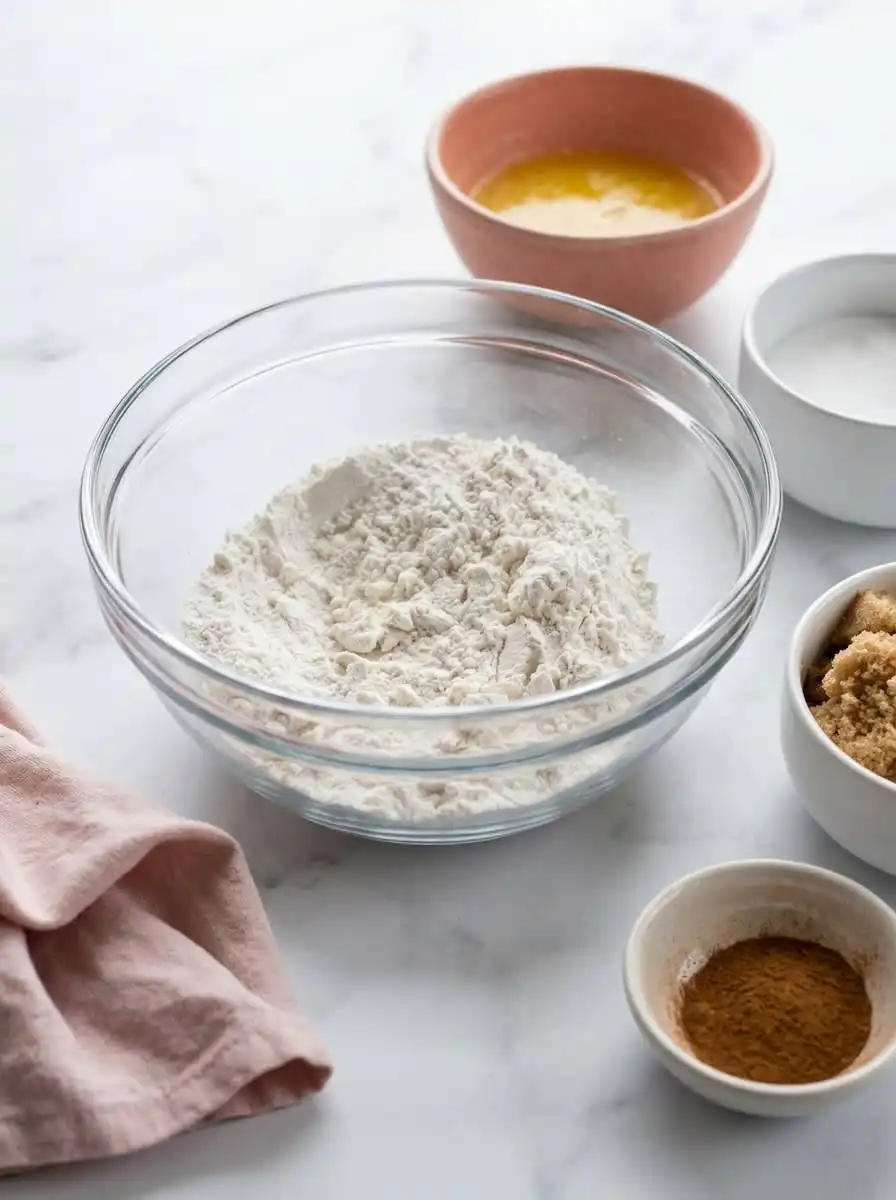
Every ingredient in this formula serves a specific structural purpose, balancing moisture against structural proteins. Achieving the proper lift requires calculating the exact ratio of dry flour to wet fats and liquids. When measured using a digital scale, these components interact to form a delicate crumb that easily supports the weight of the spiced topping.
- All-Purpose Flour: This ingredient provides the essential gluten-forming proteins, gliadin and glutenin, which establish the architectural crumb structure of the muffin walls.
- Light Brown Sugar: It introduces hygroscopic properties that draw in moisture, keeping the interior soft while contributing a deep, caramelized flavor profile.
- Unsalted Butter: Melted and cooled, it coats the flour proteins to inhibit excessive gluten development, creating a tender, melt-in-the-mouth texture.
- Baking Powder: Acting as a chemical leavener, it releases carbon dioxide gas twice—first upon hydration and then under heat—to yield a dramatic rise.
- Baking Soda: This alkaline compound reacts instantly with the acidic elements in the batter, neutralizing acid while generating immediate, tiny air pockets.
- Whole Milk: Providing the liquid medium, this component hydrates the starches to initiate gelatinisation.
- Room Temperature Eggs: They provide lecithin to emulsify the fats and liquids, while their proteins coagulate in the oven to set the muffin structure.
- Ground Cinnamon: This spice adds woody, aromatic warmth to both the batter and the streusel, defining the classic sensory experience of the bake.
| Ingredient | Why It Matters |
|---|---|
| All-Purpose Flour | Establishes the structural network that holds the height of the muffin. |
| Melted Butter | Limits gluten formation to secure a delicate, tender mouthfeel. |
| Baking Powder & Soda | Provide a dual-stage rise that prevents dense, flat muffin tops. |
| Light Brown Sugar | Retains moisture over several days through its hygroscopic nature. |
| Eggs | Emulsify the batter while establishing structural strength during baking. |
The Tested Procedure
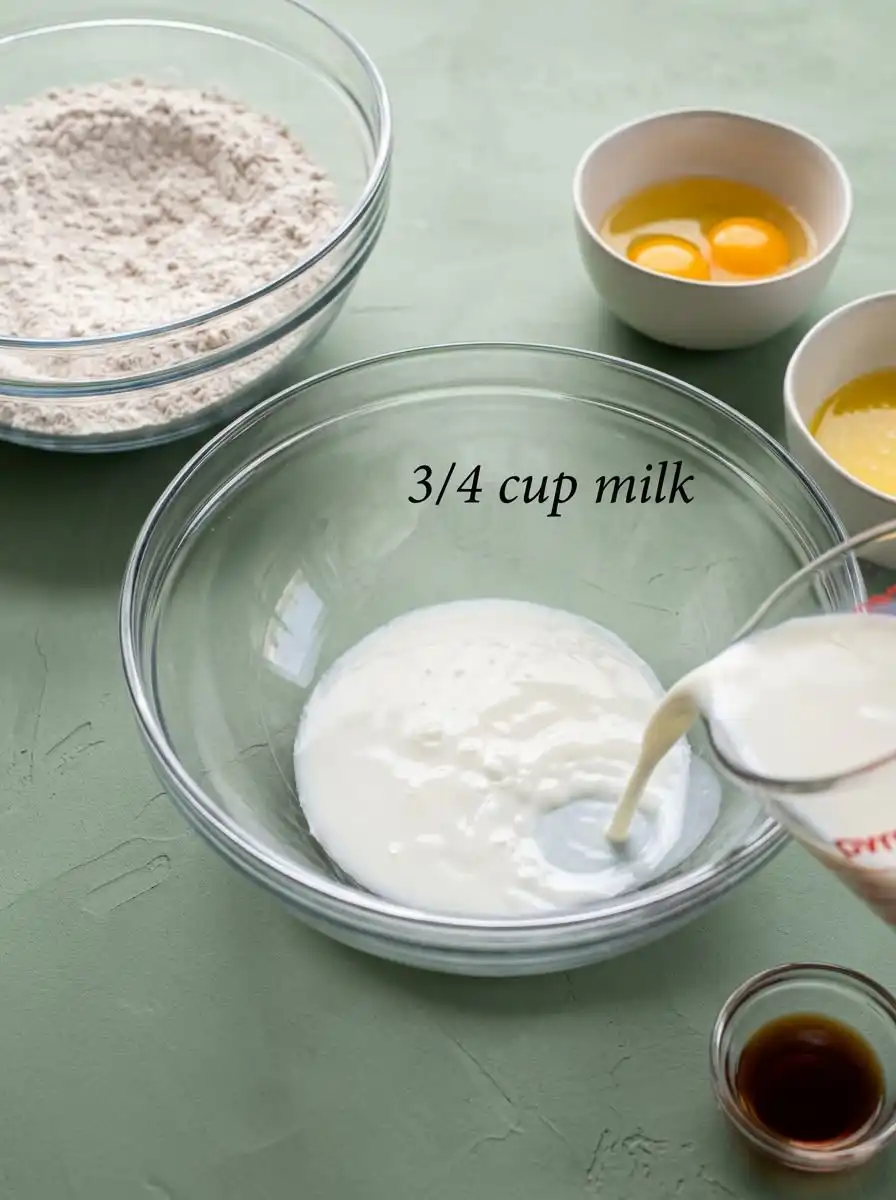
Step 1: Prepare the Oven and Standard Tin
Position your oven rack in the center and preheat the heating chamber to exactly 375°F (190°C). Line a standard 12-cup muffin tin with paper liners to prevent the batter from sticking and to guarantee uniform heat transfer along the sides. Using these liners also helps maintain a soft outer crust, as direct contact with the metal pan can over-bake the exterior before the center sets.
Step 2: Establish the Cinnamon Streusel Base
In a small mixing bowl, combine 93 grams of all-purpose flour, 50 grams of light brown sugar, 25 grams of granulated sugar, and half a teaspoon of ground cinnamon. Whisk these dry ingredients with a fork until they form a uniform, pale brown mixture. Pour in 56 grams of melted, slightly cooled unsalted butter and stir gently until the flour absorbs the fat, forming cohesive, pebble-sized clumps. Place the bowl in the refrigerator to chill for 10 minutes; this firms the butter so the topping does not melt too quickly and sink into the rising batter.
Step 3: Combine the Dry Structural Components
Combine 187 grams of all-purpose flour, 100 grams of light brown sugar, 1 teaspoon of ground cinnamon, 1.5 teaspoons of baking powder, 0.25 teaspoon of baking soda, and 0.25 teaspoon of fine salt in a spacious mixing bowl. Whisk these ingredients thoroughly to break up any packed clumps of brown sugar and to distribute the leavening agents evenly. Even distribution is critical; a concentration of baking soda in one area will leave a metallic taste and cause uneven rising pockets. The resulting mixture should feel light, powdery, and look uniformly spiced with cinnamon.
Step 4: Whisk and Emulsify the Wet Liquids
In a separate medium bowl, combine 180 milliliters of room-temperature milk, 2 large room-temperature eggs, 75 grams of melted and cooled unsalted butter, and 1 teaspoon of pure vanilla extract. Whisk these components vigorously for 30 seconds until they form a pale, homogeneous liquid emulsion. Using room-temperature ingredients is paramount; cold milk or eggs will immediately cause the melted butter to solidify into small, hard specks, ruining the emulsion. The mixture should appear fully integrated with no visible streaks of oil or egg yolk.
Step 5: Mix the Classic Coffee Cake Muffins Batter
Make a well in the center of your dry ingredients and pour in the wet emulsion all at once. Using a rubber spatula, stir the mixture gently from the bottom upward, stopping the moment the dry flour pockets vanish. This process should take no more than 15 strokes to avoid over-activating the gluten, which would turn your crumb tough and rubbery. The batter will look thick, slightly lumpy, and holds its shape on the spatula without dripping rapidly.
Step 6: Portion, Top, and Bake to Precision
Using a mechanical ice cream scoop, portion the batter evenly among the 12 prepared muffin cups, filling each roughly three-quarters full. Retrieve the chilled streusel from the refrigerator and distribute it generously over each portion, pressing the clumps gently into the batter surface so they adhere. Bake at 375°F (190°C) for exactly 18 minutes, or until the muffin tops are golden brown and a toothpick inserted into the center emerges clean. The structural skin — a crisp shell, a set crust — that protects a soft interior will form as the starches gelatinise.
Step 7: Glaze and Allow the Crust to Set
Let the muffins cool in the hot pan for 5 minutes to allow their delicate internal cell walls to set before transferring them to a wire cooling rack. While they cool, whisk together 60 grams of sifted confectioners’ sugar and 2 to 3 teaspoons of room-temperature milk until a smooth, thick glaze forms. Drizzle this glaze over the warm muffins with a spoon, allowing it to cascade over the textured streusel. The glaze will set into a translucent, crackly coating within 10 minutes as the water evaporates.
Technique Refinements
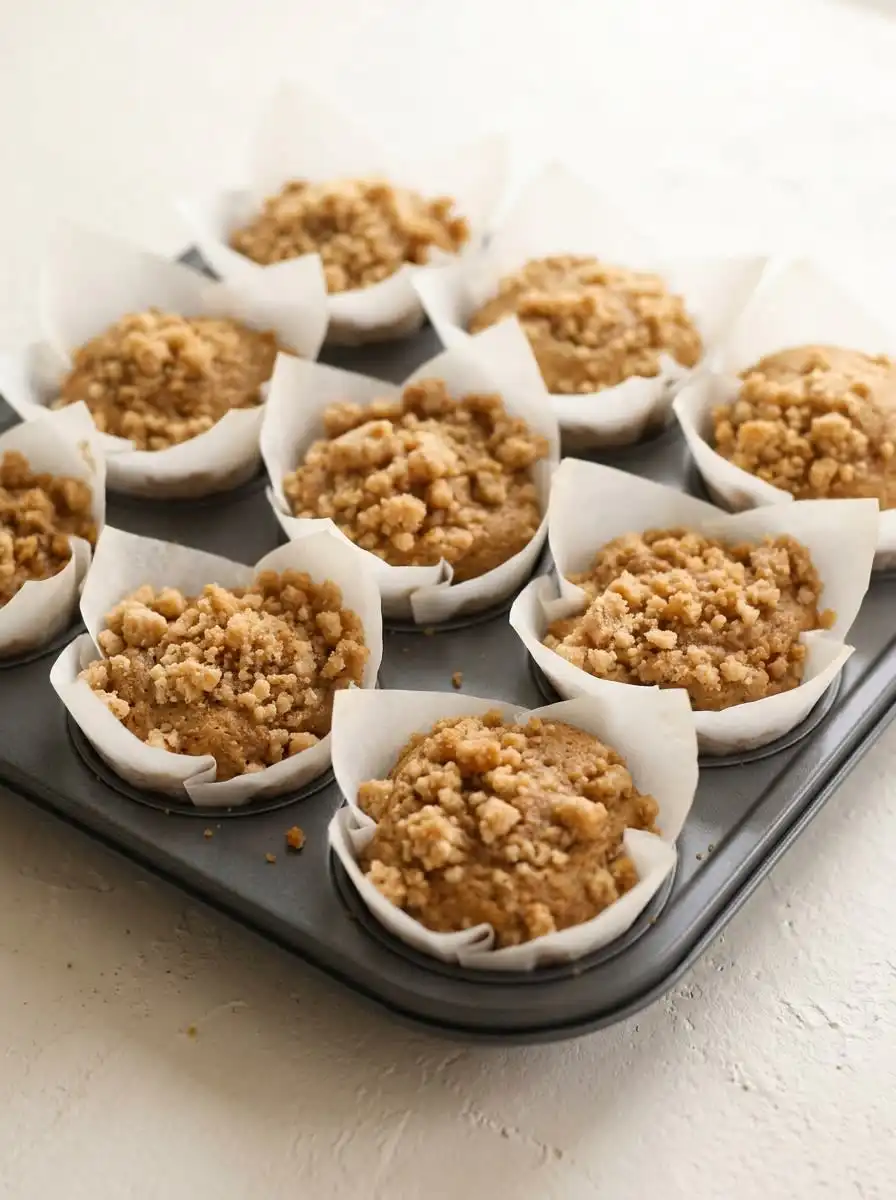
To achieve a high, bakery-style dome, you must encourage rapid steam production in the first few minutes of baking. Placing your muffins in a preheated oven causes the moisture in the batter to vaporize, expanding the air pockets before the gluten structure sets. For an even more dramatic rise, some bakers prefer a pecan streusel coffee cake method where the initial oven temperature is higher before being lowered.
Always weigh your flour using a digital scale rather than using volumetric cups. Scooping flour directly from the bag with a measuring cup packs the flour, adding up to 20 percent more starch than required. This excess starch absorbs too much liquid, leaving you with dry, crumbly muffins instead of a tender, moist crumb.
If your streusel toppings sink into the batter during baking, here is why and how to fix it. This issue occurs when the muffin batter lacks sufficient viscosity or when the butter in the streusel is too warm. To resolve this, make sure you chill your streusel thoroughly before baking and avoid over-mixing the batter, which thins its consistency.
Testing shows that using room-temperature liquids prevents the fat from separating. When cold milk is added to melted butter, the butter crystallizes, resulting in an uneven crumb. You can read more about fat temperature dynamics in these expert classic muffin techniques to master the science of emulsion.
Do not leave the baked muffins in the metal tin for more than five minutes after removing them from the oven. The residual heat from the metal pan continues to cook the muffin bottoms, and trapped steam will make the lower crust soggy. Transferring them promptly to a wire rack allows air to circulate, maintaining the delicate crust texture.
Sifting your confectioners’ sugar before whisking the glaze is essential for a smooth finish. Unsifted sugar contains compact beads of starch that do not dissolve easily in small amounts of liquid, leaving white lumps in your glaze. A brief pass through a fine-mesh strainer guarantees a flawless, glossy drizzle.
Frequently Asked Questions
What is the difference between coffee cake and a coffee cake muffin?
A coffee cake is typically baked in a large springform or Bundt pan and sliced, requiring a sturdier crumb structure to hold its weight. Classic Coffee Cake Muffins are individual portions that bake much faster, resulting in a lighter, more delicate crumb due to the rapid heat penetration. Additionally, muffins do not contain yeast, relying purely on chemical leaveners for their rapid rise.
How do you keep the streusel/crumble topping from sinking?
The key is to keep the butter in the streusel cold and to make sure the muffin batter is thick enough to support the weight. Chilling the streusel in the refrigerator while preparing the batter solidifies the butter, which prevents it from melting instantly in the oven. Furthermore, avoid over-mixing your batter, as over-mixing thins the consistency and weakens the structural walls.
Why is sour cream used in coffee cake muffins?
Sour cream is often introduced to add acidity and fat without thinning the batter. The acid breaks down gluten strands, securing an exceptionally tender crumb, while the fat adds richness. In this specific milk-based recipe, we achieve a similar structural balance by using room-temperature milk and melted butter to keep the crumb light.
How do you make a cinnamon swirl?
To create a cinnamon swirl, layer half of the muffin batter into the cups, sprinkle a mixture of cinnamon and sugar, and then top with the remaining batter. You can then use a toothpick to gently swirl the layers together before baking. This technique creates a beautiful marbled interior, though it requires careful execution so as not to overwork the delicate batter.
What is the best baking temperature for muffins?
For standard-sized muffins, 375°F (190°C) is ideal as it balances rapid rising with even baking. This temperature allows the chemical leaveners to react quickly and push the batter upward, creating a high dome before the outer crust sets. Lower temperatures like 325°F often lead to flat, dry muffins because the rising action is too slow.
How do you store them so they stay moist?
Store the cooled muffins in an airtight container at room temperature for up to five days. To prevent the streusel from becoming soft, place a sheet of paper towel at the bottom and top of the container to absorb excess moisture. Avoid refrigerating them, as the cold environment accelerates starch retrogradation, which dries out the crumb.
Considered Adjustments
For a deeper caramelized profile, you can swap the light brown sugar in the streusel for dark brown sugar. Dark brown sugar contains a higher percentage of molasses, which introduces more moisture and a distinct bittersweet note to the crumb. If you enjoy a rustic texture, consider adding 40 grams of finely chopped pecans to the flour mixture before chilling.
Introducing fruit can provide a bright, acidic contrast to the warm cinnamon notes. Gently folding 75 grams of fresh blueberries into the dry flour before adding the liquid emulsion prevents the fruit from sinking to the bottom. For a larger bake with this fruit profile, you can also try our classic blueberry coffee cake, which features a similar structural balance.
An espresso-infused glaze can heighten the subtle coffee house association of this bake. Replace the milk in the glaze with an equal amount of strong, cooled espresso or cold brew concentrate. This modification cuts through the sweetness of the confectioners’ sugar and pairs beautifully with the spiced streusel topping.
Serving the Structure
These muffins are best served slightly warm, approximately fifteen minutes after baking, when the internal steam has settled but the crumb remains tender. The crisp streusel topping provides a delightful textural contrast to the soft interior, creating a satisfying mouthfeel. Serving them alongside a cup of black coffee or a strong Earl Grey tea balances the sweetness of the glaze beautifully.
If you are hosting a morning gathering, arrange these treats on a ceramic platter alongside a selection of fresh berries and whipped cream. For those who enjoy a variety of baked goods, pairing them with zucchini coffee cake muffins offers a wonderful contrast of flavors and textures on your brunch table. This arrangement allows guests to experience both classic spices and seasonal vegetable moisture profiles.

What the Technique Gives You
Mastering the delicate balance of flour hydration and fat suspension allows you to produce bakery-quality muffins consistently. By keeping your ingredients at room temperature and respecting the limits of gluten development, you secure a tender crumb that supports a heavy, crunchy topping. This systematic approach turns a simple breakfast bake into a study in pastry precision.
If you want to apply these structural principles to larger formats, try baking our lemon zucchini coffee cake to observe how moisture from fresh zucchini interacts with citrus notes. Please share your baking results and technical triumphs with our community on Pinterest or join the conversation on Facebook. We look forward to seeing how your precision-baked bakes turn out on the bench.