In my childhood kitchen along the Mediterranean coast, the scent of citrus was more than just a kitchen aroma; it was the signal that the day’s work was done and the time for shared sweetness had arrived. I remember watching the sun dip into the sea as my mother zested lemons, the tiny droplets of aromatic oil catching the golden light before being whisked into a pale, buttery batter. This is the magic I seek to recreate in every loaf, where the bright acidity of the fruit meets the deep, grounding richness of high-quality butter.

This particular version, which I call the Lemon Pound Cake 3, represents a refined balance of moisture and structure that took years of patient observation to perfect. By incorporating sour cream and fresh-squeezed juice, we create a crumb that feels like velvet against the palate, dense enough to hold its shape but tender enough to dissolve with a simple press of the tongue. It is a cake designed for those who believe that the soul of a dessert lives in its texture and its ability to linger in the memory long after the last bite.
A Masterpiece of Textural Balance and Citrus Soul
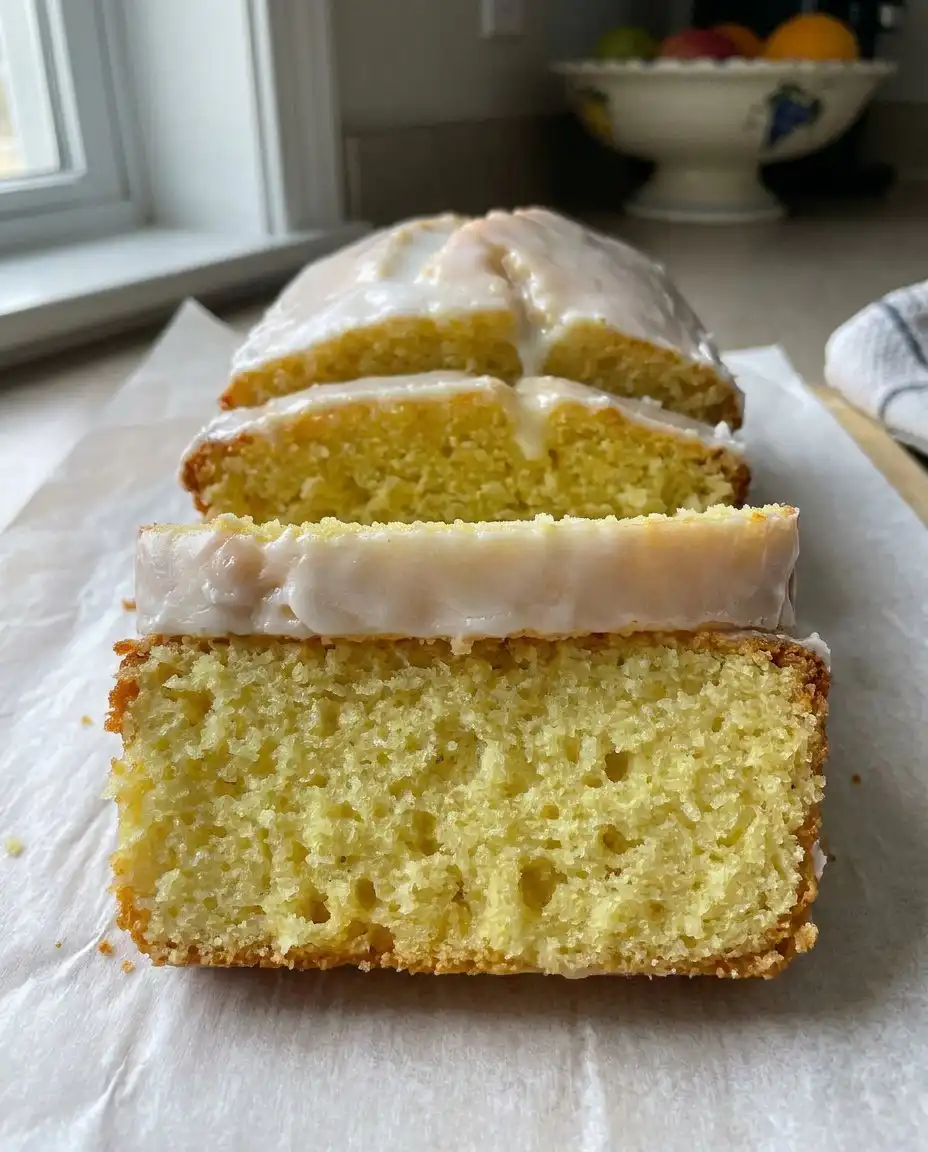
You will find that this cake is a study in sensory contrasts, offering a golden, slightly resilient crust that gives way to an interior as soft as a Mediterranean morning. The beauty of this recipe lies in its honesty; it does not hide behind artificial flavorings, instead relying on the raw power of fresh zest and the tempering richness of cream to build its profile. It is a cake that demands you slow down, inviting you to notice the way the light reflects off the thick, lemon-infused glaze before it cascades down the sides in slow, deliberate ribbons.
Home bakers often struggle with pound cakes being either too dry or too airy, but this method settles into the perfect middle ground, providing a satisfying weight that never feels heavy or cloying. The addition of sour cream acts as a secret moisture-trap, keeping the cake fresh for days, while the salt and vanilla provide a background harmony that allows the lemon to sing without being sharp. This is more than a dessert; it is a ritual of patience, a golden loaf that promises comfort and a genuine connection to the traditions of patient, artisan baking.
Print
Lemon Pound Cake 3
- Total Time: 1 hour 20 mins
- Yield: 10 servings
- Diet: Vegetarian
Description
This exquisite Lemon Pound Cake 3 combines a velvety crumb with the bright, aromatic essence of fresh Mediterranean citrus. A refined balance of rich butter and tangy sour cream ensures a moist, dense texture that melts on the tongue with every bite.
Ingredients
- 188g All-Purpose Flour
- 226g Unsalted Butter, softened
- 200g Granulated Sugar
- 60g Sour Cream
- Fresh Lemon Zest and Juice
- Large Eggs
- Baking Powder
- Salt
- Vanilla Extract
- Confectioners’ Sugar
- Heavy Cream
Instructions
- Preheat oven to 350°F (177°C) with the rack in the lower-third position and grease an 8×4-inch loaf pan with nonstick spray.
- In a large bowl, whisk together the flour, baking powder, and salt until aerated and evenly distributed.
- Using a stand mixer with a paddle attachment, beat the softened butter on high for one minute, then gradually add sugar and beat for two more minutes until pale and fluffy.
- On low speed, add eggs one by one, then incorporate the sour cream, lemon juice, lemon zest, and vanilla extract until combined.
- Slowly add the dry ingredients on the lowest setting, mixing only until the white streaks of flour disappear to maintain a delicate texture.
- Spoon the thick batter into the pan, smooth the top, and bake for 55-65 minutes, tenting with foil at the halfway mark to prevent over-browning.
- Allow the cake to cool in the pan for one hour before transferring to a rack and drizzling with a glaze of whisked confectioners’ sugar, lemon juice, and heavy cream.
Notes
For the most vibrant citrus flavor, zest your lemons directly into the granulated sugar and rub them together with your fingertips before creaming the butter; this releases the essential oils into the heart of the cake. Ensure your eggs and sour cream are truly at room temperature to prevent the batter from breaking during the emulsion stage.
- Prep Time: 20 mins
- Cook Time: 1 hour
- Category: Dessert
- Method: Baking
- Cuisine: Mediterranean
The Mediterranean Pantry Foundation

To achieve the legendary melt-in-your-mouth feel of this Lemon Pound Cake 3, every ingredient must be selected for its contribution to the final architecture of the crumb. We do not just use flour and sugar; we use them as building blocks for a sensory experience that mirrors the best bakery standards of my homeland.
- All-Purpose Flour (188g): The skeleton of our cake. By spooning and leveling, we avoid a packed measuring cup which would lead to a dry, tough texture. We want just enough protein to hold the moisture without making it chewy.
- Unsalted Butter (226g): This must be softened to room temperature, which is the secret to a successful emulsion. It provides the luxurious mouthfeel and the classic pound cake flavor that reminds us of home.
- Granulated Sugar (200g): Beyond sweetness, the sugar crystals cut through the butter during the creaming process, creating tiny air pockets that give the cake its lift.
- Sour Cream (60g): This is our moisture anchor. It adds a subtle tang that rounds out the lemon and contributes to a tight, velvet-like crumb that feels remarkably tender.
- Fresh Lemon Zest and Juice: We use both the oil from the skin and the acid from the fruit to create a multi-dimensional citrus experience that is vibrant and alive.
- Large Eggs: These provide structure and richness, acting as the glue that binds our fats and starches into a cohesive, golden masterpiece.
The Method of Patient Transformation
Step 1: Preparing the Sanctuary
Begin by lowering your oven rack to the lower-third position and preheating the oven to 350°F (177°C). This placement is vital for a dense cake like this, as it allows the bottom to bake thoroughly while the top remains golden rather than burnt. Grease your 8×4-inch loaf pan with a gentle hand using nonstick spray, ensuring every corner is ready to release the cake once it has set. If you prefer a shorter, wider loaf, a 9×5-inch pan works beautifully, though you must adjust your expectations for the baking time.
Step 2: Whisking the Dry Foundation
In a large, clean bowl, whisk together the flour, baking powder, and salt. This is not a step to be rushed; the whisking aerates the flour and distributes the leavening agents evenly. Imagine you are preparing the soil for a garden; the texture must be uniform to allow the ingredients to grow and expand in the heat of the oven. Set this dry mixture aside while we focus on the heart of the cake.
Step 3: The Art of Creaming
Using a stand mixer with a paddle attachment, beat the softened butter on high speed for about one minute until it looks smooth and creamy. Gradually add the granulated sugar and continue beating for another two minutes. You are looking for a transformation here—the mixture should become pale and fluffy, nearly doubling in volume as the sugar aerates the fat. Scrape the sides of the bowl frequently; every gram of butter must be part of this airy union.
Step 4: Emulsifying the Liquids
With the mixer on low, add the eggs one by one, allowing each to be fully absorbed before introducing the next. Once the eggs are integrated, stop the mixer and add the sour cream, lemon juice, lemon zest, and vanilla extract. Turn the mixer back to medium speed until combined. Do not be alarmed if the mixture looks slightly curdled or broken; this is merely the different temperatures and textures of the fats and acids reacting. It will find its harmony once the flour is introduced.
Step 5: Integrating the Crumb
Slowly add the dry ingredients while the mixer runs on its lowest setting. Mix only until the white streaks of flour disappear. Over-mixing at this stage will develop the gluten and ruin the delicate, melting texture we have worked so hard to build. The batter should be very thick, rich, and fragrant. If you see any stubborn lumps, a few gentle turns with a hand whisk will smooth them out without toughening the cake.
Step 6: The Golden Bake
Spoon the thick batter into your prepared pan and smooth the top with a spatula. Place it in the oven for 55-65 minutes. At the halfway mark, tent the cake loosely with aluminum foil to protect the top from over-browning while the center continues to set. The cake is finished when a toothpick inserted into the center comes out mostly clean; a few moist crumbs are the sign of a perfectly hydrated loaf. Allow the cake to rest in its pan for a full hour before transferring it to a wire rack to finish cooling.
Step 7: The Final Glistening Glaze
Whisk the confectioners’ sugar, lemon juice, and heavy cream until you achieve a thick, pourable consistency. Drape this over the slightly warm or completely cooled cake. The glaze should sit heavily on the top, slowly dripping down the sides like melting snow on a Mediterranean peak. Let it set for a few minutes before slicing to ensure the cleanest, most beautiful presentation.
Mehmet’s Secrets for Texture Mastery
The secret to a truly spectacular citrus cake lies in the temperature of your ingredients. Always make sure your butter, eggs, and sour cream are at room temperature before you begin; this allows the molecules to bond correctly, preventing a heavy or greasy finish. If you find your cake is browning too quickly on top but remains raw in the middle, check your oven calibration and always use the foil-tenting method described in the steps. For those seeking to expand their repertoire of soft textures, I highly recommend looking into our velvet-crumb-collection for more inspiration. Additionally, many bakers find that the techniques used in this iced lemon pound cake provide a wonderful baseline for understanding how icing interacts with a warm sponge. Patience is your greatest tool—letting the cake cool in the pan for the full hour is non-negotiable for the perfect soak.
Regional Variations and Zesty Twists
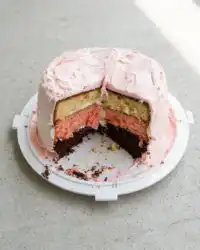
While the Lemon Pound Cake 3 is a masterpiece in its original form, the Mediterranean tradition is one of adaptation. You might consider adding a tablespoon of poppy seeds to the batter for a delightful crunch that contrasts with the soft crumb. In some coastal villages, a splash of orange blossom water is added to the glaze to provide a floral top note that complements the citrus beautifully. If you are in the mood for something even more vibrant, you might try a version inspired by our lemon-rainbow-cake, which uses multiple layers of citrus intensity. Another popular variation is to replace the lemon with blood orange during the winter months, creating a deep pink glaze that looks stunning on a holiday table. No matter which path you choose, keep the core ratios of fat and flour the same to protect that signature melt.
At the Table: Traditions and Pairings

When it comes time to serve this golden loaf, I prefer to cut thick, generous slices that show off the tight, even grain of the interior. To truly embrace the Mediterranean lifestyle, serve a slice in the late afternoon as the shadows begin to lengthen, perhaps with a sprig of fresh mint or a few raspberries on the side. For a more indulgent experience, you can pair it with the fruit-forward profiles found in our succulent-fruit-fusion guide, which explores how to match citrus cakes with compotes. Always use a sharp serrated knife to cut the cake; this prevents compressing the delicate crumb and ensures that each piece looks as beautiful as it tastes. If you have leftovers, they are wonderful when lightly toasted the next morning and spread with a thin layer of salted butter.
The Sweet Truth of the Lemon Crumb
Baking this Lemon Pound Cake 3 is an act of love, a way to bring the warmth of the Mediterranean sun into your own kitchen regardless of the weather outside. It reminds us that the best things in life—like a perfectly soaked syrup cake or a velvet-soft pound cake—require nothing more than quality ingredients and a bit of focused patience. If you enjoyed this journey into citrus, you might also find joy in our broader fruit-cake explorations. I invite you to share your results and join our community of texture-obsessed bakers. Follow us for more sensory baking stories on Instagram, Facebook, and Pinterest. Let the scent of lemon fill your home and the tenderness of this cake fill your heart.